7 Days Kerala Backwater Tour Package | Kerala Trip Plan for 7 Days | Kerala Houseboat Tours | Kerala Backwater and Wildlife Tour Packages
  • Duration

    Duration

    7 Days
  • Destination Covered

    Destination Covered

    Cochin, Munnar, Thekkady, Kumarkom, Kettuvalam, Allepey
  • Places

    Places

    6 Places

Overview

Kerala moves at its own pace. Here, the canals bear the weight of everyday life, village kitchens open out to the water, and the air is always saturated with a little cardamom. For travellers who have grown tired of itineraries that sprint from one point of interest to the next, the Kerala backwaters offer something pretty different: space to breathe, pause, and actually take things in.

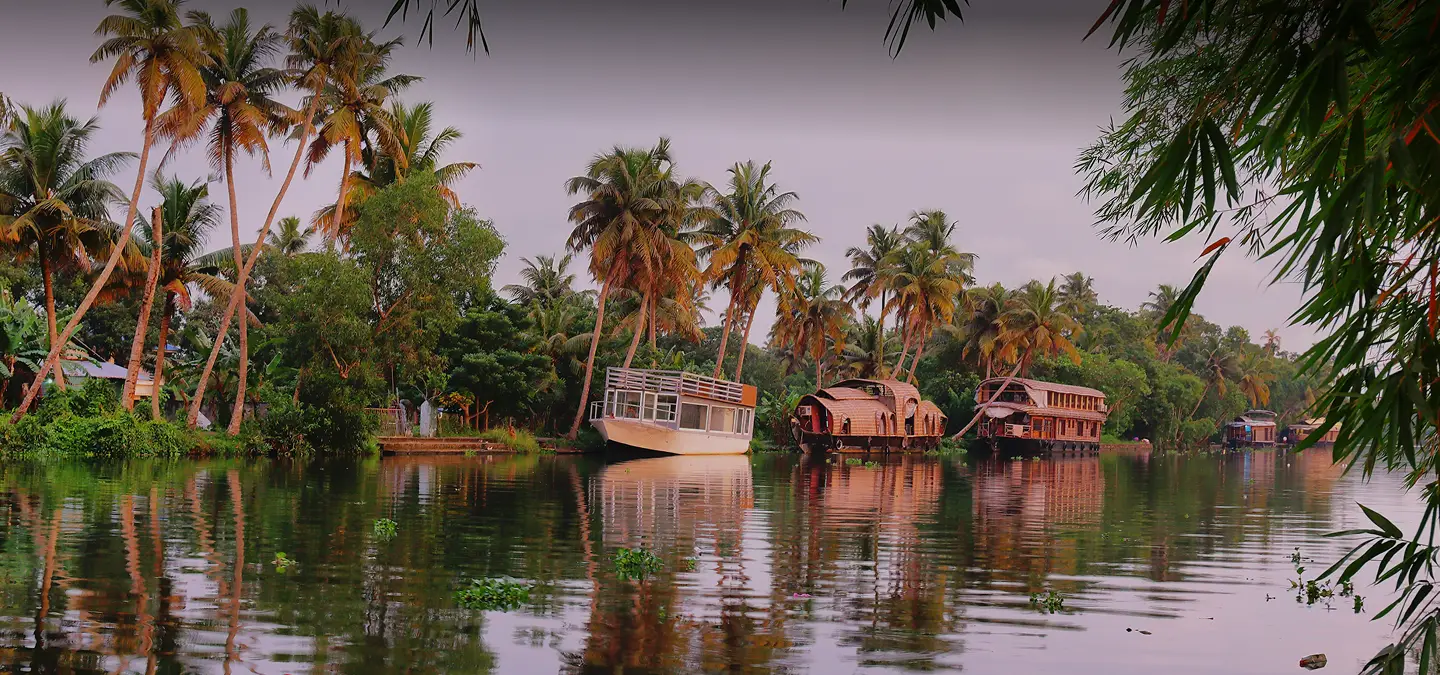
This 7-day tour by Memorable India is built around such an experience. It starts from Cochin and passes through the hill country, Munnar, the forested terrains of Thekkady, and settles down in the backwater belt of Kumarakom, Kettuvalam, and Alleppey. The centrepiece is an overnight stay on a traditional Kettuvalam houseboat, one of the most unique types of accommodations in India, on the tranquil waters of the Vembanad Lake system.

This is not a tour that attempts to cover all of Kerala in 7 days. It covers six carefully picked destinations and does not do them improperly. Whether travelling as a couple, a family, or a small group, the itinerary is designed to enable real engagement with each place as opposed to a series of whistle-stop check-ins and check-outs.

For travellers who are looking for Kerala backwaters houseboat tour packages that offer hill stations, wildlife, and water as part of one single trip, this tour offers just that.

Get Expert Advice & free Quote

=

TOUR HIGHLIGHTS:

  • Arrive at Cochin and transfer directly to Munnar, the most celebrated hill station in Kerala
  • Full day sightseeing in Munnar, including Rajamalai (Eravikulam National Park), Mattupetty Dam and Echo Point
  • Travel to Thekkady and explore Periyar Wildlife sanctuary by taking a boat ride on Periyar lake
  • Stop at spice plantations on the way between Thekkady and Kumarakom
  • Check in at a well chosen hotel on the shores of Vembanad Lake at Kumarakom
  • Board a traditional Kettuvalam houseboat to have an overnight backwater cruise through canals and lakes
  • Disembark at Alleppey jetty next morning and transfer back to Cochin to go forth
  • Private air-conditioned vehicle throughout the journey
  • Daily breakfast at all hotels; freshly cooked Kerala meals on board the houseboat
  • 24/7 on-ground support by Memorable India’s travel team

Important notes for Kerala Backwater Tour

  • Carry a valid photo ID issued by the government, such as Aadhaar, Passport, Driving Licence, etc. Hotels and houseboats require this at check-in.
  • Remove shoes before entering temples, and also before boarding the houseboat. This is regular practice in the entire state of Kerala, and it applies to all guests.
  • Alcohol is restricted in religious areas as well as in the course of some cultural events. Check ahead of time if you are going to a local festival.
  • Life jackets are compulsory on boat rides in the backwaters of Kerala: Periyar Lake ride at Thekkady. Use caution when near all bodies of open water.
  • Houseboat check-in is at 12:00 noon, and check out is at 9:00 AM the next morning. These timings are fixed and cannot be altered.
  • Power supply in houseboats is limited, especially after midnight. Charge devices completely before getting on board, and carry a power bank.
  • Pack mosquito repellents and sun lotions for outside activities such as the plantation walk and the backwater cruise.
  • Evening temperatures at Munnar and Thekkady will be cool, particularly between October and February. Pack a light jacket or something warm.
  • Mobile network coverage is not reliable in some areas of the backwaters and some hill areas. Download offline maps and important documents before you leave.
  • Respect wildlife rules and silence zones in Periyar Wildlife Sanctuary. Do not feed or approach animals during the boat ride.
  • For travel in peak season, December to February, and in the Onam season, confirm your Kerala houseboat tour well in advance. The availability fills up rapidly.
  • Specific room requests, such as lake-facing rooms or honeymoon setups, are subject to availability at check-in, not at booking.
  • Entrance fees are not included with national parks, sanctuaries, and monuments unless we specifically state otherwise in your itinerary.
  • Wear non-slip shoes for nature walks, plantation visits and sightseeing on rough or wet surfaces.
  • Kerala receives some rainfall throughout the year. A small foldable umbrella or light rain jacket is a useful addition to any bag.

Best Time for a Kerala Backwater Trip

October – March (Recommended)

This is the peak season for backwater trips in Kerala and the time of the year when conditions at all six destinations on this tour are at their best. The northeast monsoon brings light to moderate amounts of rain to the region between October and November, which refreshes the landscape but does not hamper travel. From December to February, the weather is dry, the temperatures are mild, and the conditions for houseboats are ideal. For Kerala backwaters boat ride experiences, these are the months that have the clearest skies and the most comfortable temperatures.

April To June (Off- Season Travel)

The summer months bring increased temperatures, especially in the lowlands and coastal areas. However, hill stations like Munnar are still quite comfortable, and because tourist numbers are much lower during this time, which means houseboats and accommodation are more available and generally cheaper. For those travellers who have flexibility, this can be a very different and equally rewarding season of travel.

July to September (Monsoon)

The southwest monsoon reaches Kerala around the first week of June and generally lasts till September. The backwaters are very full at this time, and the landscape is fully lush and green. Heavy rainfall can occasionally disrupt boat schedules, but for travellers who plan around this, the monsoon season does have a character and atmosphere of its own. It is also the ideal season for Ayurveda treatments, which are more effective when humidity levels are high.

Shopping and Dining Across the Route

Cochin: Broadway Market of the old city is the best address for spices, Kasavu sarees, and coir products, and local handicrafts. From the Mattancherry area, there are several antique dealers. Ginger House Restaurant on the waterfront is a sure bet for Kerala seafood.

Munnar: The local market of this town has a vast array of locally grown and processed tea. Cardamom, pepper, and vanilla are available in plantation stores. Rapsy Restaurant is popular with the locals for Kerala parotta and other preparations from the region.

Thekkady: Kumily, the main town near the park entrance, has a well-stocked spice market. Black pepper, cinnamon and star anise from here are of good quality. The town has several restaurants offering both South Indian and rudimentary continental food too.

Kumarakom and Alleppey: It is the houseboat that serves the main meal during this part of our tour. Fresh fish, prawns, and crab are normally prepared on board in traditional Kerala ways. In Alleppey town, the canal side market area, there are a variety of local crafts and textile shops.

Day By Day Itinerary

  • DAY 1

    icon

    Cochin to Munnar

    You are met at the Cochin International Airport by a representative from Memorable India and briefed about your journey. The journey to Munnar takes around two hours via the road that slowly ascends to the Western Ghats. The higher the elevation, the more noticeable the tea gardens start lining along both sides of the road.

    Munnar is located at an altitude of approximately 1,600 metres above sea level, which ensures that even during the summer months, the nights are pleasantly cool. The rest of the day is left at leisure after check-in. The hotels in Munnar are so well situated for viewing the hills and the first evening here tends to be a quiet one.

    Overnight: Munnar

    icon
  • DAY 2

    icon

    Munnar Sightseeing

    Today is a full day in Munnar. The first spot is Rajamalai, the high-altitude part of Eravikulam National Park, home to the endangered Nilgiri Tahr, a mountain goat found only in this region of the Western Ghats. The park is one of the few places in India where this animal can be observed in its natural habitat and often at close proximity.

    From Rajamalai, the tour goes on to Mattupetty dam, a beautiful reservoir against a backdrop of slopes covered with tea. The area is also known for its Indo-Swiss livestock project, which has been running operations here for decades. The last stop of the day is at Echo Point, a lakeside area with such natural acoustics created by the hills. The name is self-explanatory, and it is still popular for exactly that reason.

    The evening returns to Munnar, and the town centre provides a variety of options to taste tea and shop for locally grown produce.

    Overnight: Munnar

    icon
  • DAY 3

    icon

    Munnar to Thekkady

    The road from Munnar to Thekkady goes down again through the hills and into the Cardamom Hills area. The landscape changes considerably: the manicured tea estates give way to dense forest cover and smaller-scale spice cultivation. Thekkady is located at the core of the spice country of Kerala, and the hills around it bear profusions of black pepper, cardamom, cloves, and cinnamon.

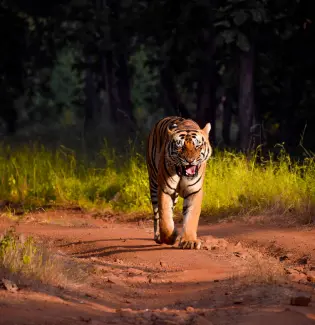
    The biggest attraction here is the Periyar Wildlife Sanctuary and the park is run as a tiger reserve. After check-in, the afternoon can be used to explore the town, visit a spice garden or simply rest up before wildlife experiences scheduled for the following day.

    Overnight: Thekkady

    icon
  • DAY 4

    icon

    Thekkady Sightseeing

    The boat ride on the Periyar Lake is the highlight of the day and is one of the more unique wildlife viewing experiences available in India. The lake is formed by a dam constructed during the British period, and the calm waters are surrounded by forest on all sides. Elephants, sambar deer, wild boar, and an assortment of birds appear regularly along the shoreline. Tiger sightings are very rare, but they do happen.

    The park is more than 700 square kilometres of mixed forest area, and core areas are closed to park visitors. The boat ride is a non-intrusive means of observing the park’s resident wildlife in a setting that feels genuinely undisturbed.

    After the boat ride, the afternoon is available for a guided visit to a spice plantation. These are working farms in which guides take visitors through growing crops that have been grown here for centuries. It is a grounding complement to the wildlife experience of the morning.

    Overnight: Thekkady

    icon
  • DAY 5

    icon

    Thekkady to Kumarakom

    The drive from Thekkady to Kumarakom is one of the most varied stretches of the entire journey. The route goes through the Cardamom Hills, then gradually flattens out into the central Kerala lowlands. The change in the landscape from forested highlands to open paddy fields and water bodies occurs steadily on the journey.

    Kumarakom is located on the eastern side of Vembanad Lake, which is the largest lake in Kerala. The town is well known for the Kumarakom Bird Sanctuary, a mangrove forest which is inhabited by a large number of migratory and resident bird species. The Onam boat races organized on the Vembanad Lake are one of the most well-known ones in Kerala, and a huge crowd is attracted to these races every year during the festive season.

    The evening in Kumarakom is a great introduction to the pace and feeling of the backwaters belt of Kerala. The hotel here is usually with lake views, and the change from the forested terrain of Thekkady to this environment with water is quite marked.

    Overnight: Kumarakom

    icon
  • DAY 6

    icon

    Kumarakom to Kettuvalam (Houseboat)

    This is the day that the tour becomes different from the conventional hotel-based structure. The Kettuvalam, as the traditional houseboat is known locally, is more like a rice barge converted for leisure use. The construction comprises a wooden hull, bamboo poles, and coir ropes, and the interiors are equipped with bedrooms, a sitting area, a kitchen, and an upper deck for open-air viewing.

    Boarding the houseboat is a very simple procedure, and the staff consists of a captain, a helper and a chef. Once aboard, the boat moves out of the canals and lakes that comprise the larger Vembanad backwater system. The experience of a backwater ride (Kerala) in a houseboat is quite different from a shore-based visit. The boat passes by fishing settlements, paddy fields, duck farms, coconut groves and small churches. Local fishermen used narrow canoes to cast nets. Children wave from the banks.

    Meals on board are cooked afresh by the crew using traditional Kerala recipes. A typical day’s food comprises appam with coconut milk, a fish curry for lunch, and a multi-dish Kerala dinner. Everything is prepared on the boat using local produce.

    Migratory birds are regularly seen here along the waterways, especially between October and March. The overnight stay means that guests see both the light on the water in the afternoon and the silence at the lake in the middle of the night.

    This leg is the defining experience of the tour and the reason for making it a part of the trip for most travellers who explore Kerala backwaters houseboat packages.

    Overnight: Kettuvalam (Houseboat)

    icon
  • DAY 7

    icon

    Kettuvalam to Alleppey to Cochin

    The houseboat arrives at the Alleppey boat jetty by morning, where the Memorable India vehicle is waiting. Alleppey or Alappuzha is the most well-known town for backwater tourism in Kerala. The canal network here is extensive, and the character of the town is in turn almost entirely determined by its relationship with water.

    After disembarking, the group transfers by road to Cochin. Depending on departure times, there may be some time to have a brief stop at Alleppey town or for a few sights en route. At Cochin, transfers to the airport or railway station are organized based on the onward schedule of each and every traveler.

    icon

Plan your Kerala Backwater Tour with Memorable India

Memorable India is a travel design company with a focus on curated journeys in India and South Asia. Our Kerala programmes are being run by a dedicated team with a high on-ground expertise, a great familiarity with the destinations, trusted houseboat partners, carefully selected hotels, and the kind of logistical coordination that is needed to make a seamless seven-day journey through the different landscapes of Kerala.

Ready to plan your trip? Fill in the enquiry form on this page and one of our Kerala travel specialists will contact you within 24 hours with a tailored itinerary and quote.

Already decided? Use the Book Now button to initiate the booking process directly.

Want to explore more options first? Visit our Kerala Tours page to compare all available itineraries, from short 5-day packages to extended 16-day South India journeys that include the backwaters as part of a broader route.

Inclusions

Price Guide

Hotels

Other Info

Frequently Asked Questions

A Kerala backwaters tour package from Memorable India usually comprises private air-conditioned transfers between all destinations, accommodation with daily breakfast at selected hotels, an overnight stay in a traditional houseboat called Kettuvalam with all meals, sightseeing at Munnar and Thekkady with a guide, a boat ride on Periyar Lake, and round-the-clock ground support throughout the journey. Entrance fees, optional activities, and flight tickets are not usually included, unless stated otherwise. Clients are advised to check for certain inclusions with our team at the time of booking.

The stay on the houseboat is one night and includes about 18 to 20 hours on the water, starting from check-in at noon till disembarking at the Alleppey jetty the next morning. During this period, the boat cruises through the canals and lakes of the backwater system called Kumarakom and Vembanad. All meals are included and freshly made on board by the boat's dedicated crew. The houseboat is fitted with a private bedroom, an attached bathroom, a sitting area, and an open upper deck.

A backwater tour in Kochi usually consists of a day tour or short cruise from the Kochi waterfront or nearby Kumarakom, exploring the Northern part of the Vembanad Lake network. A tour from Alleppey reaches the southern part of the same system and includes a more dense system of canals near the open sea. This itinerary is designed to provide both a base at Kumarakom before the houseboat heads towards Alleppey, allowing the guests to have an immersive experience of the entire backwater geography. Travellers specifically researching Kerala backwaters tour packages will find that routing through the two towns provides more variety than a one-base approach.

This tour is suitable for senior travellers and families. The pace is measured, road transfers are in private vehicles, and accommodation, hotels, and houseboats are chosen with comfort as a criterion. Families with young children should be aware that life jackets are required when staying on houseboats, and the deck of the houseboat will need to be monitored while small children are around the edges. The Periyar boat ride is a calm and seated ride with no tough activities associated with it. For customised versions of this tour, which take into consideration the specific needs of mobility or family, the Memorable India team can tailor the itinerary accordingly.

From October to March is the most recommended time to take Kerala houseboat holidays. The weather is dry and mild, water levels on the lakes and canals are stable, and the landscape is at its greenest after the monsoon. December and January are peak months and tend to witness the highest demand for houseboats, so it is better to book at least six to eight weeks in advance during this time. For travellers who want a quieter time and are not bothered by the possibility of a bit of rainfall, the early monsoon months of June and July can also provide a more intimate backwater experience.

Yes. Memorable India also makes special arrangements for honeymoon couples on request, including decoration of rooms, welcome amenities, luxury houseboats with superior cabin configurations, etc. The houseboat leg of this tour in particular lends itself to a romantic setting very naturally because of its intrinsically private and scenic nature. Couples who are interested in a customized version of this itinerary are encouraged to discuss their preferences with our team at the time of enquiry so that the package can be structured as such.

Memorable India's packages are priced based on travel dates, group size, accommodation category, and if any customisations are required. Rather than offering set rates, which fluctuate seasonally, we offer customized quotes so that guests receive accurate and competitive pricing for their specific travel dates and requirements. To get a personalised quote on any of our Kerala backwaters tour packages price options, use the enquiry form on this page or contact our team directly.

Kerala Backwater Tour Guide

Cochin International Airport is situated in Nedumbassery, which is about 30 kilometres away from the city centre. On arrival, your Memorable India representative will be waiting at the meeting point in the arrivals hall. The transfer to Munnar starts from the airport directly, and hence you do not have to enter the city on Day 1, unless you have already planned an early arrival.

If you are planning to arrive a day prior to the start of the tour, the Fort Kochi area is the most rewarding part of the city to spend time in. The waterfront walk in the evening, the Chinese fishing nets in the harbour, and the lanes of Mattancherry are all within easy reach of each other and can be taken in a few hours on foot.

One practical note: Cochin can be heavy with traffic during peak hours, and can be dense. If you are going anywhere in the city by yourself, create additional time for your travel. Auto-rickshaws are available and metered; ferries across the harbour are inexpensive and a more pleasant way of crossing between Fort Kochi and the mainland.

Munnar is a hill station, which basically means that most of the area is covered in slopes and linked by winding roads. The main town is only a short walk end to end; however, the sightseeing spots, including Rajamalai, Mattupetty, and Echo Point, are spread across different directions from the town centre. All the transfers between these spots are taken care of by your private vehicle during the tour.

Rajamalai, inside Eravikulam National Park, has a ticketing system that is controlled by the forest department. Entry is regulated, and when you go there, it should be based on what your guide advises. The Nilgiri Tahr here are used to human presence and frequent the viewing path at close range, but should not be fed or approached.

Tea estates at Munnar are working farms and are not free-access areas. Your guide will take you to estates accommodating the visitor walks. Some have small processing units on site where the stages of tea production can be seen. These visits are best done in the morning before the heat of the afternoon sets in.

The temperature at Munnar, especially during the early hours in the morning and after sunset, can go down quite a bit. And if you are travelling between November and February, then a fleece or warm jacket is truly necessary and not optional.

Thekkady is the gateway to the Periyar Tiger Reserve. The reserve takes a good area of forest, and the managed areas of the reserve take a continuous flow of visitors, especially for the Periyar Lake boat ride. The ride works on a schedule determined by the forest department, and your guide will arrange the timings. It takes you along the lake’s edges, where wildlife can often be seen along the shoreline.

A few things are worthwhile to know about wildlife viewing here. The animals are wild, and sightings are dependent on the time of day, season, and a measure of luck. Elephants are seen fairly frequently; tigers much less so. This means keeping the noise low during the ride and avoiding sudden movements. Photography is allowed, but the use of a flash is not appropriate in proximity to wildlife.

The spice plantation visit is one of the most informative parts of the tour for those unfamiliar with the way that these crops are grown. Black pepper grows on host trees, the cardamom grows in the shade of taller canopy and cloves are harvested by hand. A knowledgeable guide will guide you through each crop in context. These walks can take anywhere between 45 minutes and an hour and consist of easy terrain.

Kumily, the town next to the park, has a well-stocked spice market from which produce can be purchased directly. The prices here are usually not very steep, and buying from the market helps support local traders.

The transition from Thekkady to Kumarakom is a major change in the character of the journey. The forested hills give way to level water-fringed land as you descend towards the Vembanad Lake. Kumarakom is more village-like than Alleppey and less crowded, and the quieter it is, the more value it offers on this itinerary.

The Kumarakom Bird Sanctuary is also best visited in the early morning. The sanctuary is an expanse of mangrove forest along the lake edge and is home to various resident and migratory species of birds. Even for those travellers who do not call themselves bird lovers, the light of the morning over the mangroves and the activity on the water is a worthwhile hour.

Hotels in Kumarakom tend to be set back from the main road, and many have direct access to the water. The evenings here are peaceful, and the lakeside is the best place to spend the evenings.

The Kettuvalam is the centrepiece of the tour, and it is worth knowing how life on board really works before you get there.

The boat’s crew includes a captain, a helper, and a cook. The captain deals with navigation, while the cook deals with all of the meals. Meals are cooked from scratch using locally-purchased produce before departure. A normal day’s food on board consists of a Kerala breakfast, a fish meal with rice and accompaniments for lunch, and a buffet dinner in the evening. Dietary restrictions should be communicated when making the booking so that the crew can be briefed beforehand.

The houseboat flows through a network of canals, lakes, and channels. At some places it is open water; at others it runs through narrow channels, where the vegetation is nearly in contact on each side. The top deck is the best place for the majority of the trip. The lower deck features a covered seating space and air-conditioned cabins.

The boat stays for the night at a designated place on the lake. The engine is off, and the quiet atmosphere is one of the more memorable parts of the experience. There is no continuous mobile charging point at night. Charging all devices before the generator turns off in the late evening.

The houseboat arrives at the Alleppey jetty in the morning. Your vehicle will be waiting for you when you get off. If time permits before the drive back to Cochinthen the old canal area of Alleppey town is worth a short walk. The network of canals that runs through the town is very much a working part of daily life here, and the contrast against a purely tourist-facing environment is evident.

The travel from Alleppey to Cochin is organised according to your departure time from the airport or railway station.

The backwater region requires a lot of patience and a quiet approach, rather than speed. Early morning light on the water, the detail of fishing nets and canoes, the life of villages along the canal banks, birds in the mangroves at Kumarakom. All of these are available to the traveller who slows down.

When taking pictures of the locals, ask before pointing a camera. Inside Periyar Wildlife Sanctuary, follow all the guidelines that are issued by the forest department. Drones are not allowed in national park areas.

Cochin (Kochi) is the starting as well as finishing point of this tour; it is well connected by air, rail, and road.
By Air
Cochin International Airport is situated at Nedumbassery in Ernakulam district and has direct flights from major cities of India, such as Delhi, Mumbai, Bangalore, Hyderabad, Chennai, etc. International connections are available from a number of cities in the Gulf, Southeast Asia, and several European destinations. Book flights to Cochin International Airport as this tour starts and finishes here.

By Rail
Ernakulam Junction (also known as Kochi) is the main railway station of Cochin. It is well-connected to the Indian rail system with services from Delhi, Mumbai, Chennai, Bangalore, Hyderabad, Kolkata, and many other cities. A second station, Ernakulam Town, handles other services. Confirm which station your train ends at and let the Memorable India team know about it so that your pick up is arranged from the correct point.

By Road
Kerala is linked with the neighbouring Tamil Nadu and Karnataka by National Highways. Travellers from Bangalore or Coimbatore who prefer a road journey will have the routes to Cochin reasonably maintained. For long distances, air or rail travel is still more practical in preparation for a multi-day tour. State-run and private coach services ply major inter-state routes into Cochin, but journey times can be long.

Your Memorable India representative makes all the transfers from the airport or railway station as part of the tour package. There is no independent navigation required on arrival.

ID Requirements: To check in for the hotel and to travel, all the guests of the hotel need to carry a valid government-issued photo ID (Aadhaar, Passport, Driving Licence).

Houseboat Timings: The check-in time of the Kettuvalam is usually noon. Check out is in the morning after the overnight cruise. These timings are fixed, and early or late requests are not generally accommodated.

Power and Connectivity: Houseboats run on small generator power, and mobile network connectivity can be spotty in remote parts of the backwaters. Carry important electronics powered up before boarding.

Health and Comfort: Mosquito repellent and sunscreen are necessary for outdoor activities. Evenings at Munnar and Thekkady can be cool, especially between November and February. Pack a light layer accordingly.

Footwear: Remove shoes before entering temples and before boarding houseboats. Non-slip footwear is suggested for plantation walks and wildlife excursions.

Rainfall: Kerala receives rainfall to some extent in all the months of the year. A small-sized foldable umbrella would be a good idea to keep in any bag.

Booking Timing: For the months of travel in October to February, and particularly during the Onam festival period (normally August to September), an early booking is strongly recommended.

Cochin: Broadway Market of the old city is the best address for spices, Kasavu sarees, and coir products, and local handicrafts. From the Mattancherry area, there are several antique dealers. Ginger House Restaurant on the waterfront is a sure bet for Kerala seafood.

Munnar: The local market of this town has a vast array of locally grown and processed tea. Cardamom, pepper, and vanilla are available in plantation stores. Rapsy Restaurant is popular with the locals for Kerala parotta and other preparations from the region.
Thekkady: Kumily, the main town near the park entrance, has a well-stocked spice market. Black pepper, cinnamon and star anise from here are of good quality. The town has several restaurants offering both South Indian and rudimentary continental food too.

Kumarakom and Alleppey: It is the houseboat that serves the main meal during this part of our tour. Fresh fish, prawns, and crab are normally prepared on board in traditional Kerala ways. In Alleppey town, the canal side market area, there are a variety of local crafts and textile shops.

What Our Travellers Say