+919871148514
 info@memorableindia.com
Fewer wildlife destinations in India match the track record of Bandhavgarh National Park when it comes to consistent tiger sightings. Sitting deep in the Vindhya Hills of Madhya Pradesh, this park has been shaped by legends, literally and ecologically. Local mythology believes that the Bandhavgarh Fort within the park was given by Lord Rama to his younger brother Lakshmana, which is the origin of the name. The forest around that fort has since been converted into one of the most intensively monitored and carefully managed tiger habitats in the country.
Bandhavgarh tiger reserve covers an area of 1,536 square kilometres across its core and buffer zones. The tiger density here is among the highest recorded in any of the Indian national parks, and that means there is a real high probability for a sighting for anyone spending two or more days on safari. Apart from tigers, the park provides leopards, sloth bears, Indian bison, sambar, wild dogs, and more than 250 species of birds. The 39 ancient rock-cut caves in the park perimeter provide an additional historical dimension found in most wildlife reserves.
This page covers safari zones, best travel windows, activities, accommodation options, and how Memorable India builds its Bandhavgarh tour packages to maximise your time in the forest.
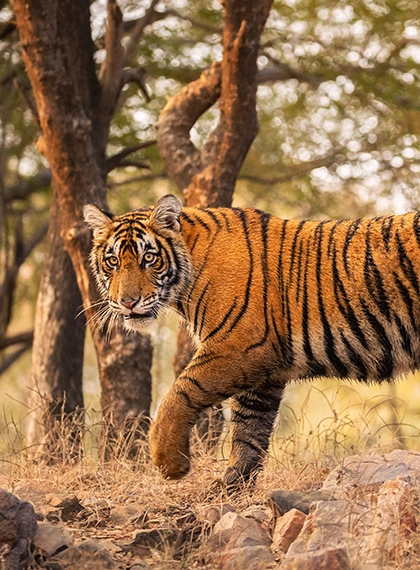
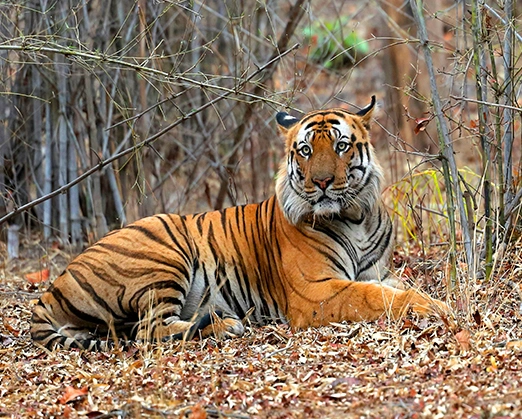
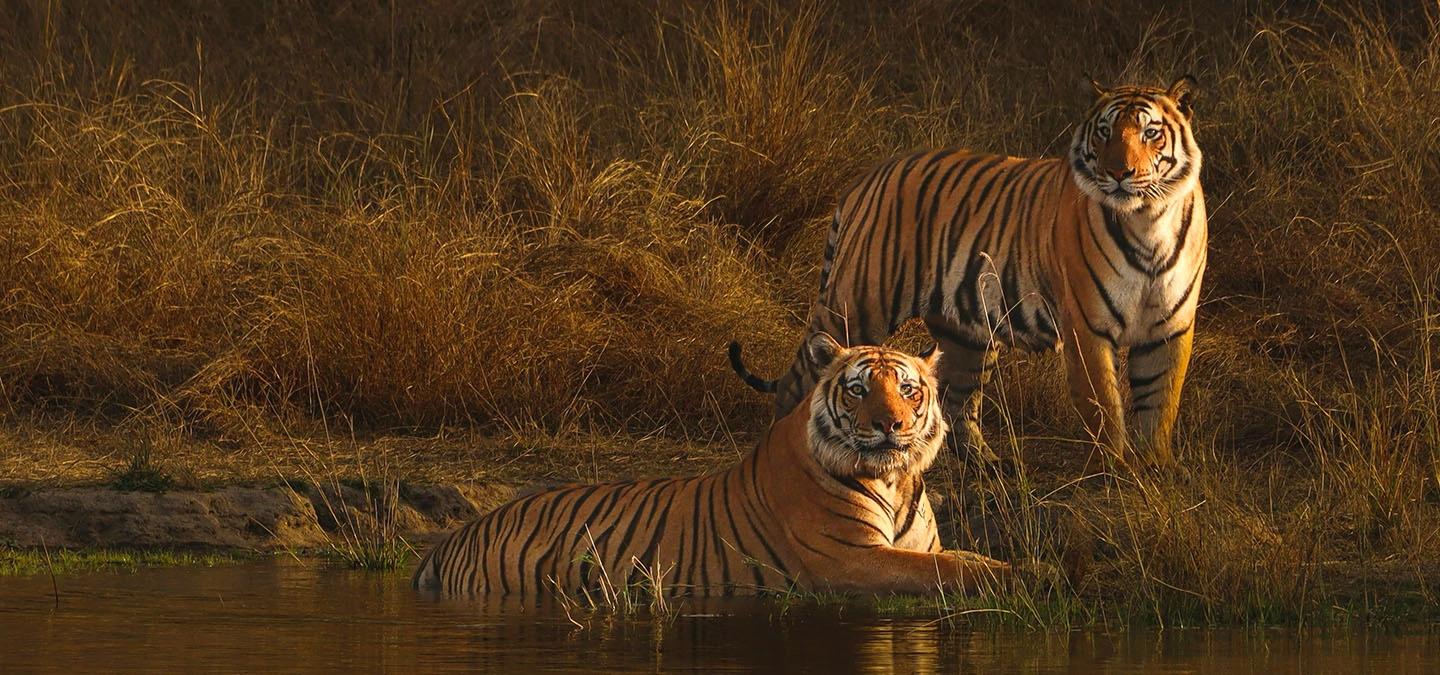
Bandhavgarh National Park contains one of the highest figures of tigers of any reserve in India, and that is no mere statistic. It essentially translates directly into safari outcomes. Legendary tigers such as Charger, Sita, and B2 etched this park on the global wildlife map, and the resident tigers of today continue to have their own territories, which are tracked by experienced naturalists over seasons. Open meadows, especially in the Tala zone, provide visitors with direct views that facilitate observation and photography of tiger behavior far more productively than in higher population densities found in park environments elsewhere in Madhya Pradesh.
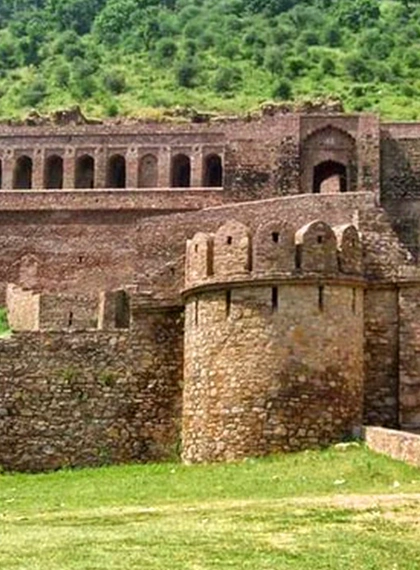
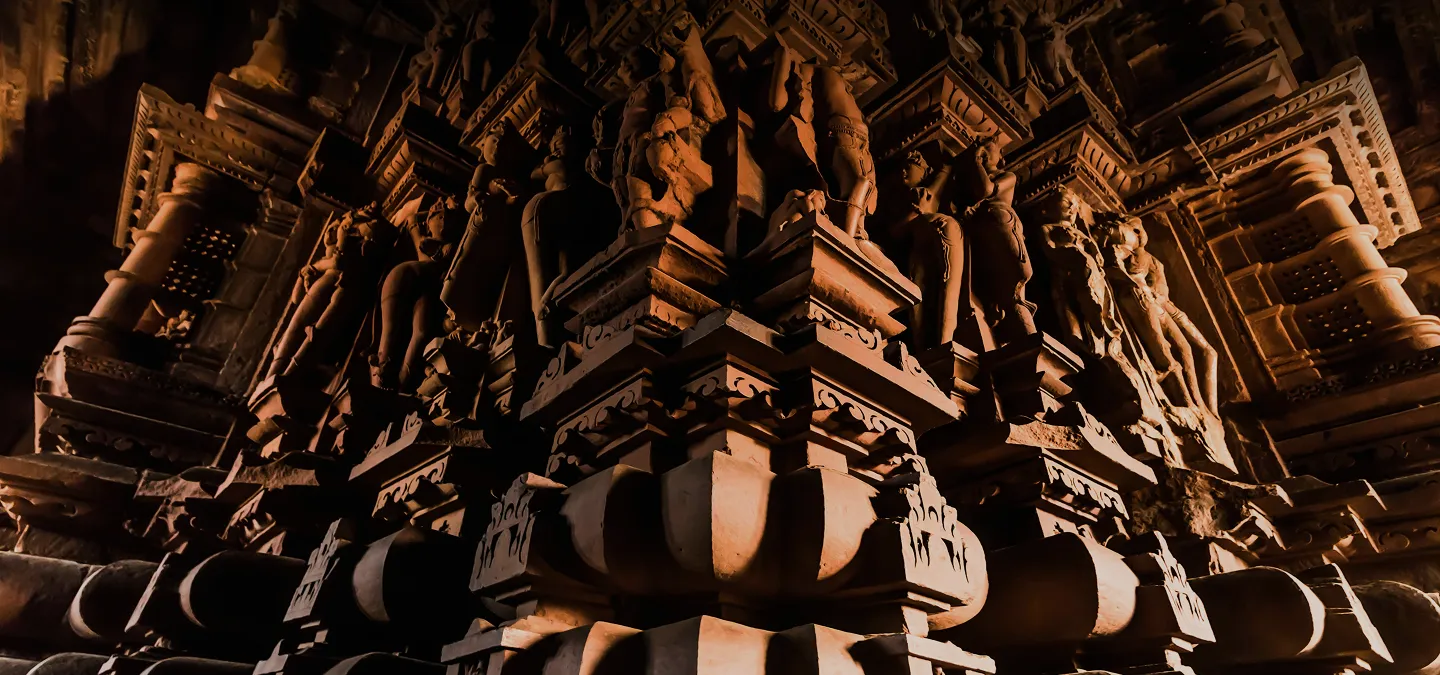
Inside the park, perched on a rocky plateau, Bandhavgarh Fort stands, a building that is estimated to be more than 2,000 years old. Access involves clearance by the forest department, but the visit is worth making in view of the reward involved. Surrounding the fort, there are 39 caves that were carved out of the rock and are inscribed and carved with inscriptions dating back to the 1st century AD. Evidence of the presence of Buddhism from the 2nd to 5th centuries has been documented here. A reclining figure of Vishnu of fairly large size is also available in the park perimeter. Very few wildlife parks in India offer the combination of active tiger habitat with such an abundance of archaeology in a single visit.
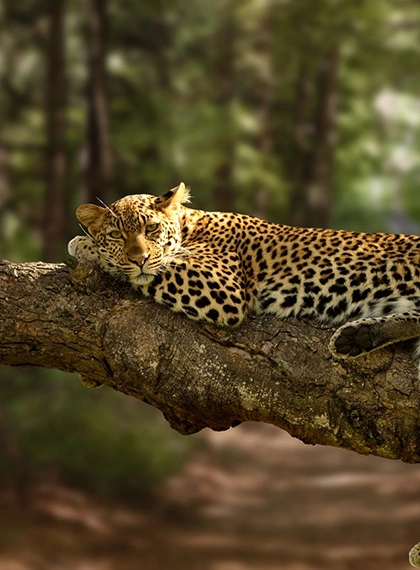
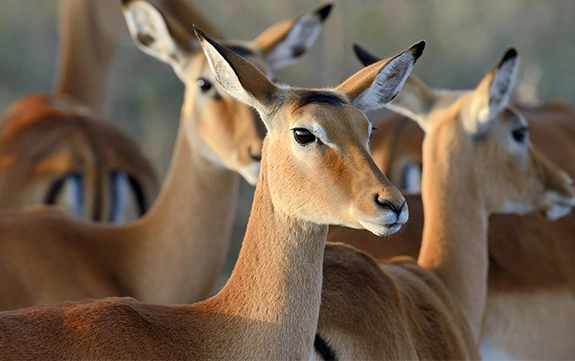
Leopards are seen regularly in the buffer areas, especially at dawn and dusk in rockier areas. Sloth bears are prevalent in all the hilly parts of the park. Indian bison (gaur), sambar, chital, nilgai, barking deer, and wild boar inhabit the corridors of grasslands all along the reserve. Jackals, striped hyenas, and wild dogs complete the list of predators below tigers and leopards. Rock pythons and monitor lizards are also seen on safari trails regularly. For the guests who are willing to look beyond the headline act, the depth of the wildlife here is very high and is consistently rewarding across different zones.
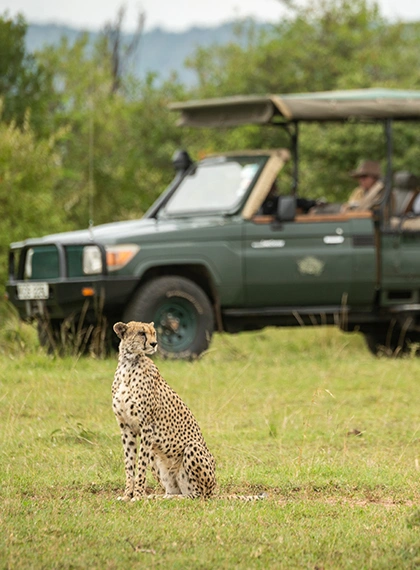
The park has five zones: Tala, Magdhi, and Khitauli in the core area and Panpatha and Johila in the buffer. Tala is the most productive for tiger sightings, and it has the iconic Rajbehra meadow in which large resident tigers are regularly tracked. Unlike Tala, Magdhi provides more opportunities for dense forest habitat, reliable leopard activity and significantly fewer vehicles. Khitauli, on the eastern edge, is good for birdwatching and occasional tiger movement. Buffer zones allow nature walks, which are not available in the core. Spreading safari slots across at least two zones provides a much more complete picture of what the park holds across its varied terrain.
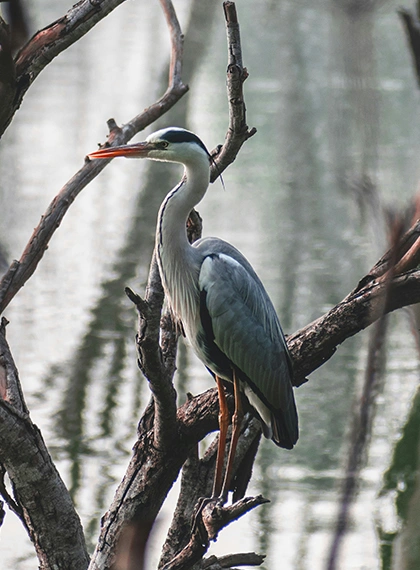
With more than 250 recorded bird species, Bandhavgarh is one of the most serious birding destinations, which remains underappreciated by the guests who are completely focused on tigers. Resident highlights include Indian paradise flycatcher, crested serpent eagle, Indian roller, Malabar pied hornbill, and multiple raptor species. Migratory birds between October and February add waterfowl, warblers, and thrushes to the seasonal list. Early morning safari drives and buffer zone walks are the most productive settings for observation. Guests who have a birding interest as the major focus should ask for exclusive naturalist-guided bird routes when booking through Memorable India.
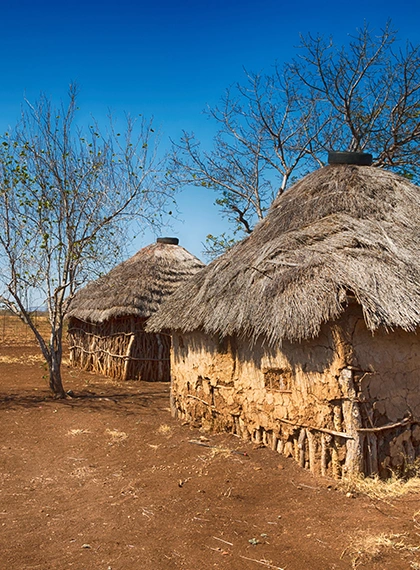
The Baiga and Gond communities have inhabited and lived along this landscape for centuries. Village walks conducted by responsible operators in the buffer zone fringe provide visitors with authentic experiences of hand-painted Gond art, traditional farming techniques, knowledge of forest-based medicines, and basket weaving. This is not mass-produced cultural tourism. These are real-life interactions with communities whose relationship with the forest is complex, centuries old, and not being offered by your standard safari itineraries. Memorable India offers optional village excursions in selected Bandhavgarh tour packages for guests who wish to have this aspect to their experience in central India.

This is the most popular and comfortable time for doing a safari in Bandhavgarh National Park. Mornings are cool and crisp, skies are invariably clear, and post-monsoon vegetation provides a lush backdrop for photography. Tiger activity continues into daytime hours during cooler months, which enhances the sighting windows on both morning and evening drives. Migratory birds arrive in good numbers from October onwards, adding strong bird-watching value to the trip. Permits fill quickly during the December and January long weekends, so booking before this time period is crucial.

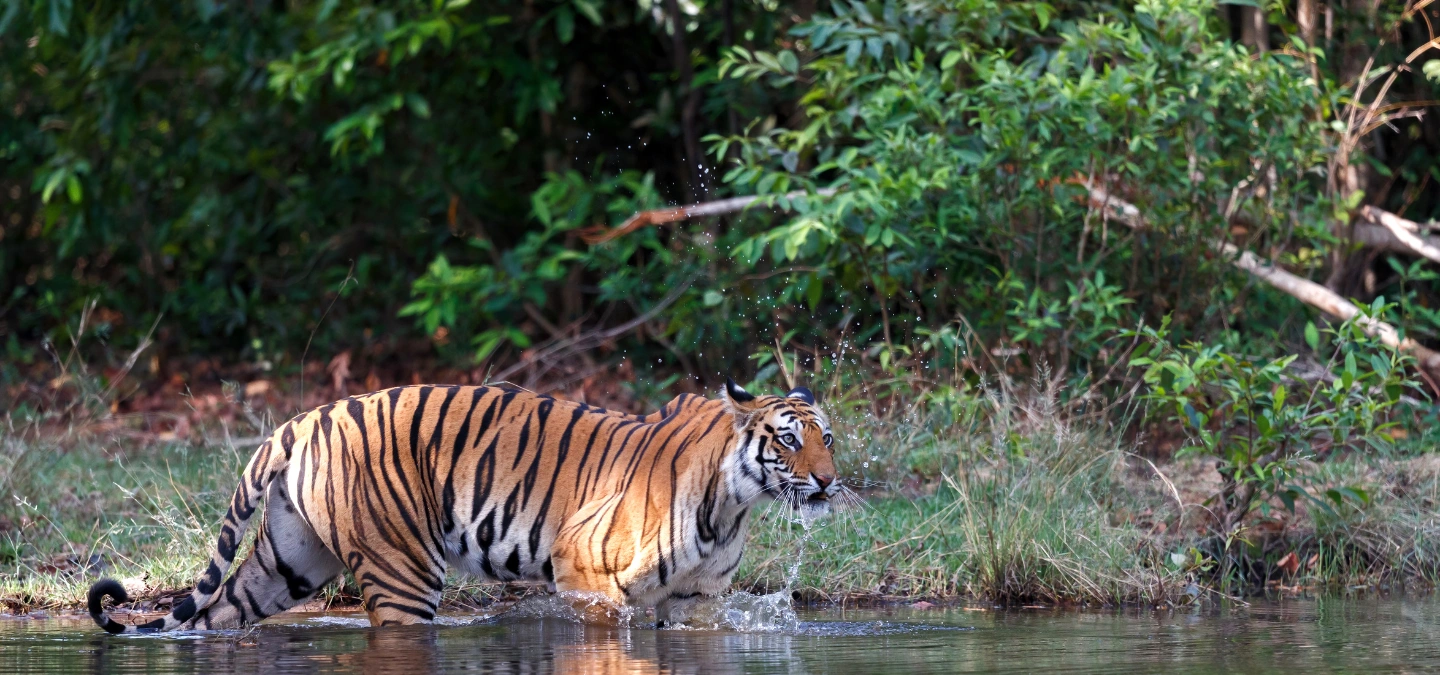
Surprisingly, summer has the highest tiger sighting rates at Bandhavgarh. As water sources dry up, animals like tigers concentrate around remaining waterholes, and their location becomes predictable for an experienced naturalist. March and April provide the best balance between tolerable heat and good wildlife viewing. In May and June, temperatures are intense, but the waterhole action is strong. Safari timings change in the morning and late in the evening to avoid peak midday heat. This is the best time of the year to do dedicated tiger photography.

The park is closed between July 1 and September 30 every year, for the annual mandated monsoon season closure across all tiger reserves in Madhya Pradesh. The forest grows during this time, replenishing water sources and vegetation. This is the perfect time to make your final booking for your bandhavgarh national park October onwards. Permits are highly sought after for the long weekends in October and November, and early booking of permits in advance during the closure months is highly recommended for those who are setting their sights on traveling in October.
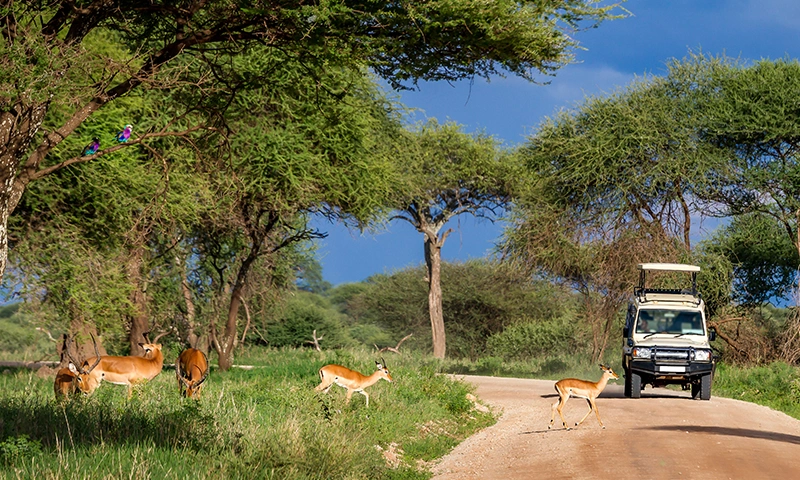
The Bandhavgarh jungle safari in a private jeep is the main attraction that most travellers plan their entire trip around. Each jeep accommodates a maximum of six guests, accompanied by a certified naturalist and a trained driver who operates under strict protocols of the forest department. Safari slots are run in two sessions - dawn to mid-morning and late afternoon to dusk. The naturalist is in the drive, reading alarm calls, pug marks, and behavioral cues actively throughout the drive, adjusting the route based on information of the forest in real-time. Tala zone, with its open meadows and well-established tiger territories, has the highest sighting frequency. Bandhavgarh jeep safari booking must be done well in advance, especially for Tala zone permits, since some quotas get full weeks in advance on weekends and public holidays.
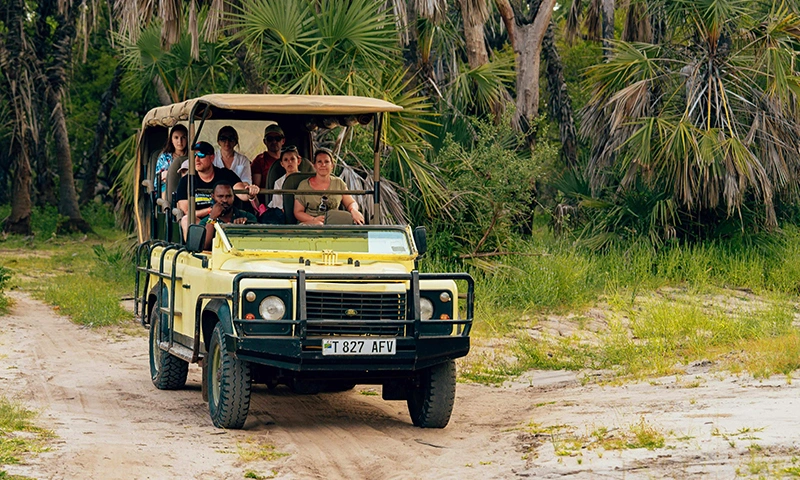
The canter safari is a shared and open vehicle carrying more guests than a private jeep, running on an allocated route through the Tala zone core area. It is a practical and accessible choice for larger families or groups who do not want a Bandhavgarh national park safari fully invested into a private jeep arrangement. Bandhavgarh safari by canter is also a good option if one fails to book a private jeep permit to a favored zone. Tiger activity around primary meadows and water bodies ensures the productivity of canter routes, especially during summer. The forest department issues canter permits separately from the jeep quota.
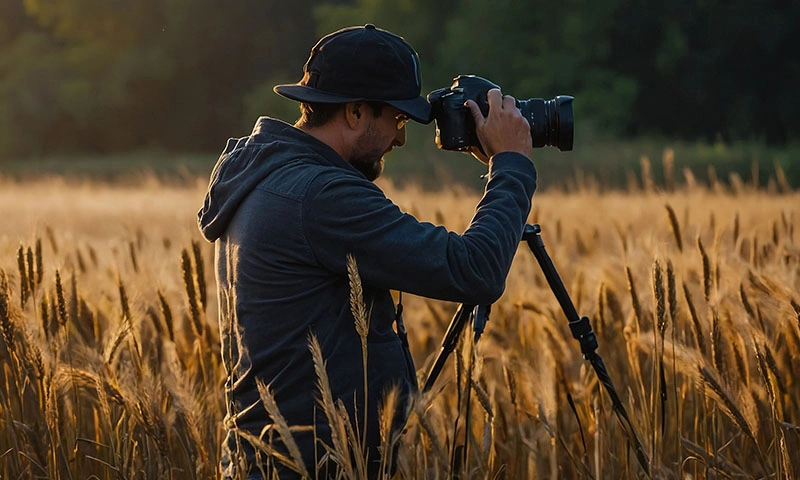
Bandhavgarh is widely regarded as one of the best places in India for wildlife photography, and it is not hard to see why. Tigers here are fairly used to vehicles; the landscape is open, and the early morning light across Tala meadow, which is excellent for close-range photography. Lenses of 400mm and above are recommended for large mammals. Buffer zone nature walks complement the jeep safari with access to birds, insects, and smaller mammals in low-traffic settings. Memorable India is able to organize photography-oriented holidays based on flexible zone assignments and extended session time on request for serious photographers.
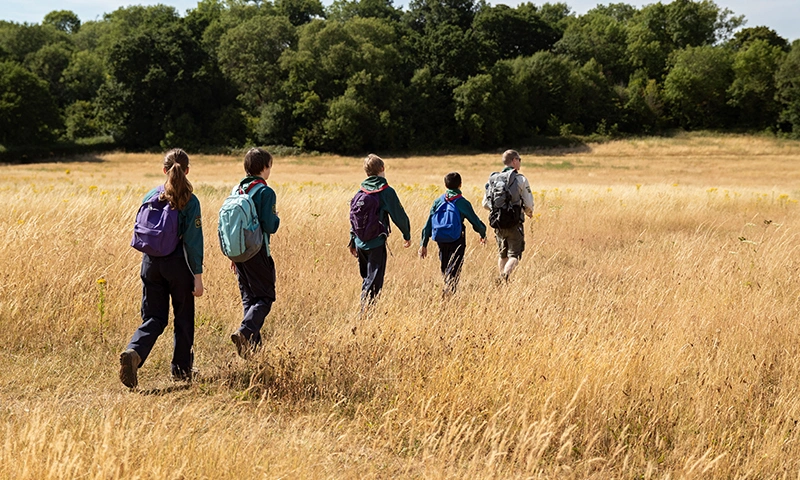
Walking safaris in the Panpatha and Johila buffer zones of Bandhavgarh offer a ground-level forest experience that no vehicle-based safari can match. A trained naturalist leads small groups through forest trails, pointing out animal tracks, fungi on fallen logs, medicinal plants, insect colonies, and bird calls that would be missed at vehicle speed. Fresh pug marks in the soil tell a story that can be interpreted by your naturalist in real time. For guests with a broader ecological curiosity beyond large mammal sightings, it is one of the most rewarding and underutilized parts of a Bandhavgarh visit.
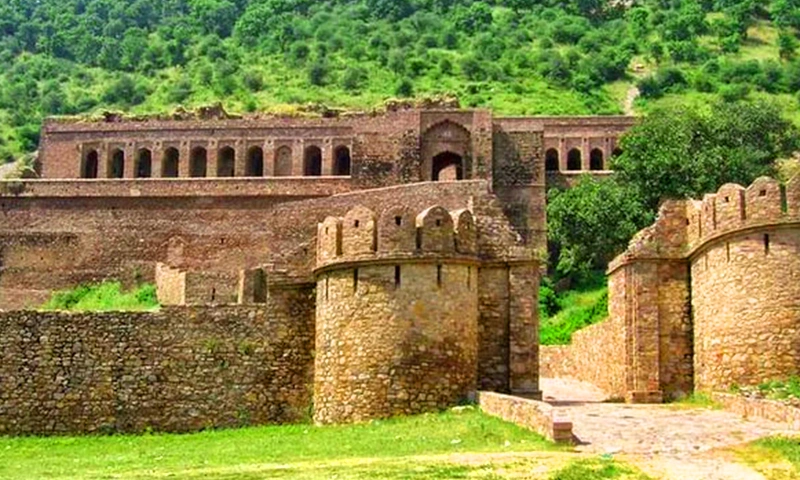
Access to Bandhavgarh Fort requires advance clearance from the forest department and is organised as a part of an especially routed safari within the park. The fort is on a hill and has a panoramic view of the reserve around it and the Vindhya Hills. Its mythology, the layering of history, and its physical presence are striking. The adjoining rock-cut caves and huge reclining statue of Vishnu make this an independent, substantial heritage excursion. Pairing a visit to the fort with a Tala safari in the morning makes for one of the most varied single-day experiences available anywhere in the Bandhavgarh circuit, as well as a combination of wildlife with genuine archaeology.
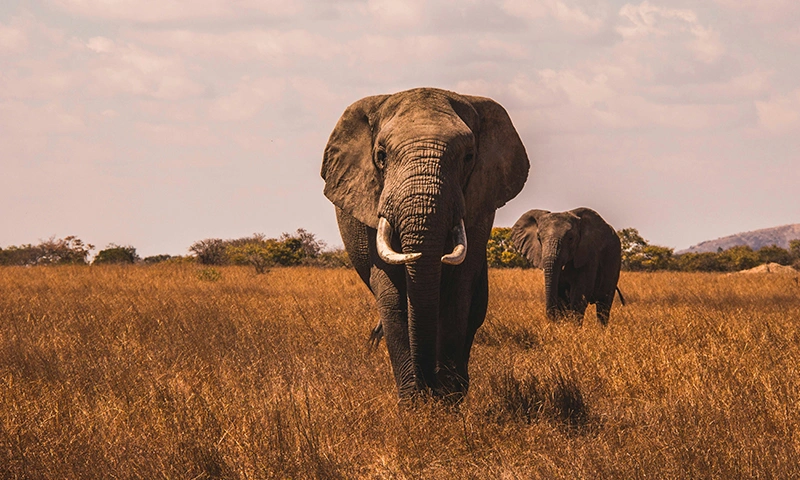
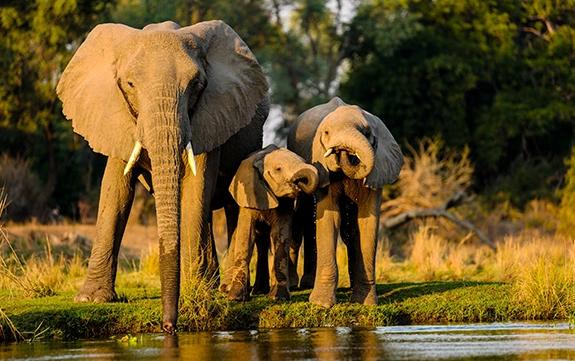
Bandhavgarh's mahout-managed elephants play an important role in patrolling and conservation monitoring within the reserve. Visitors are given an opportunity to go to set interaction sessions at the set forest department camps where these working elephants are kept. These sessions provide insight into their contribution to anti-poaching and daily park operations.The experience is meant to be informative rather than performative, helping visitors to understand how a national park works as a conservation system and not simply as a place to see wildlife. This added perspective adds value to the overall safari experience and is especially interesting for children and first-time visitors.
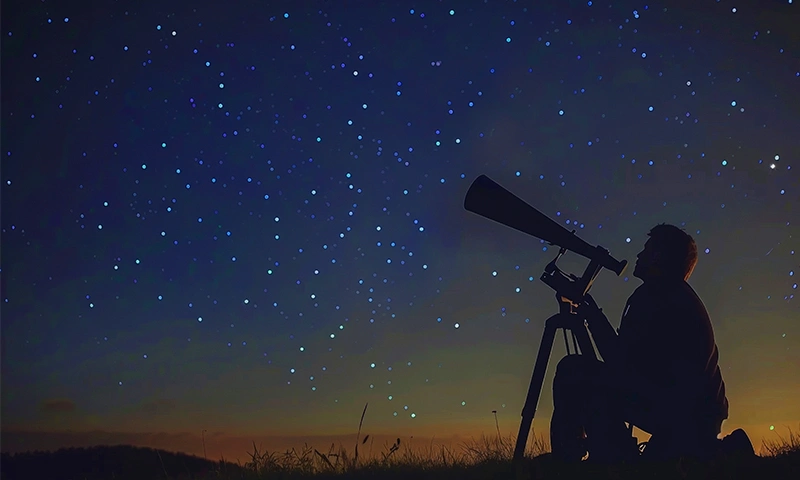
Nocturnal drives inside the core zone are not allowed, but evenings at the jungle lodges and the buffer zone camps near Bandhavgarh offer their own experience. Guided night sky observation, bonfire naturalist talks, and forest sounds listening walks are available through some of the properties in the area. The lack of light pollution allows the sky to be very clear from October through March. These sessions provide a naturalist's explanation to guests about what the forest is doing after dark: which animals are active, what the sounds mean, and how the predator and prey changes throughout the night. It is a meaningful extension of what you experienced during the daytime safari.
The one principle for booking Bandhavgarh tour packages with Memorable India is that good wildlife travel is the result of preparation, expertise and honest curation, never discounting and over-promising. Here is what a Memorable India Bandhavgarh itinerary is comprised of and why each aspect makes a difference on the ground.
Advance Permit Management: The permits for the Bandhavgarh Safari zone are limited and competitive. We reserve your zone allocation through the Bandhavgarh tiger reserve booking process before your date of arrival, so that you land knowing your slots are confirmed. For Tala zone, attempts at walk-in permits during the peak season almost always fail.
Expert Naturalist Assignment: Every single safari that we arrange is led by a certified naturalist who has direct knowledge of the territory of Bandhavgarh, resident tiger histories, and behavioral patterns during each of the seasons. This is not a driver who doubles as a guide. Your naturalist reads the forest all the way, altering the route along the way based on real-time animal cues.
Vetted Accommodation Matching: Your stay is chosen to match your size group, travel style and safari schedule. Every Bandhavgarh resort in our network is rated on the close proximity of the relevant zone gate, responsible tourism practices, and in-house wildlife programming quality.
End-to-End Logistics: Airport transfers, travel on the interpark road travel and internal transfers are all taken care of. For guests on building circuits around Kanha, Pench, or Panna, logistics are built in from day one. All the Bandhavgarh National Park safari booking is taken care of centrally, thus nothing falls through the cracks.
Tailored Itineraries: Each and every package is based on your specific interests, rather than a standardized format that is used across the board. Tiger photography, family heritage visits and birding trips each require a different zone approach and naturalist profile.
To see our full range of wildlife tours, visit our Wildlife India Tours page.
For a circuit in central India based on Bandhavgarh and tribal culture coupled with Khajuraho, check out our Tribal and Wildlife Tour of Central India.