Kanha National Park Safari | Tiger Reserve Tour Packages | Memorable India

About Kanha National Park

Deep in the Maikal hills of central India, where Sal forests give way to golden meadows and the air is filled with the calls of the Indian roller, lies one of the most consequential wildlife habitats in this country. Kanha National Park, which is spread across the Mandla and Balaghat districts of Madhya Pradesh, has a total area of about 940 square kilometres of core zone area. It is attributed with bringing back the hard ground swamp deer, the Barasingha, from the verge of extinction.

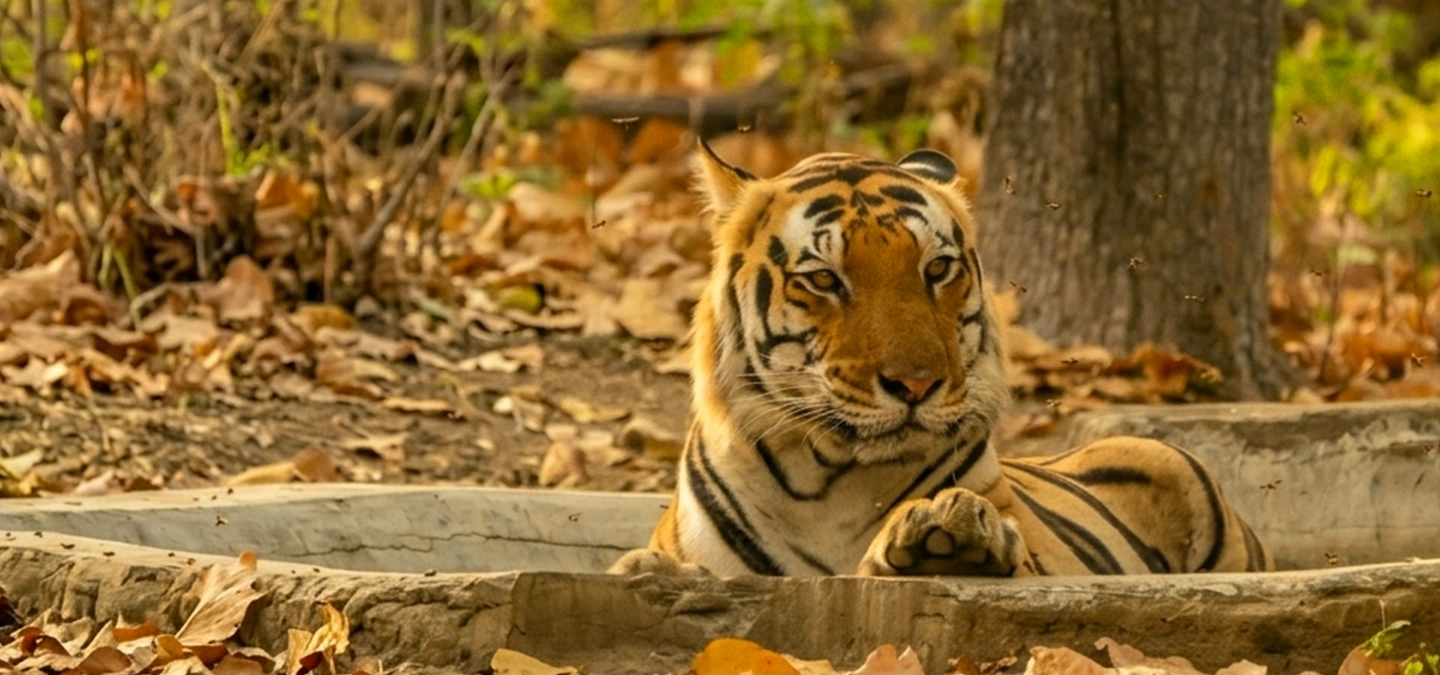
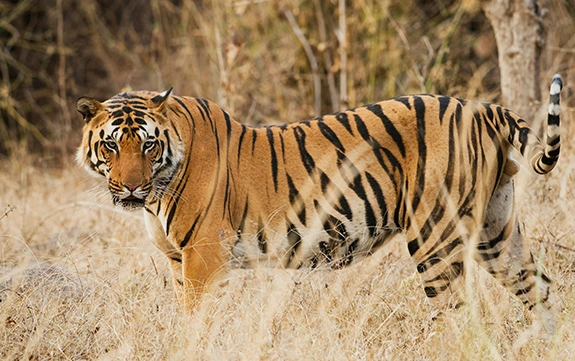
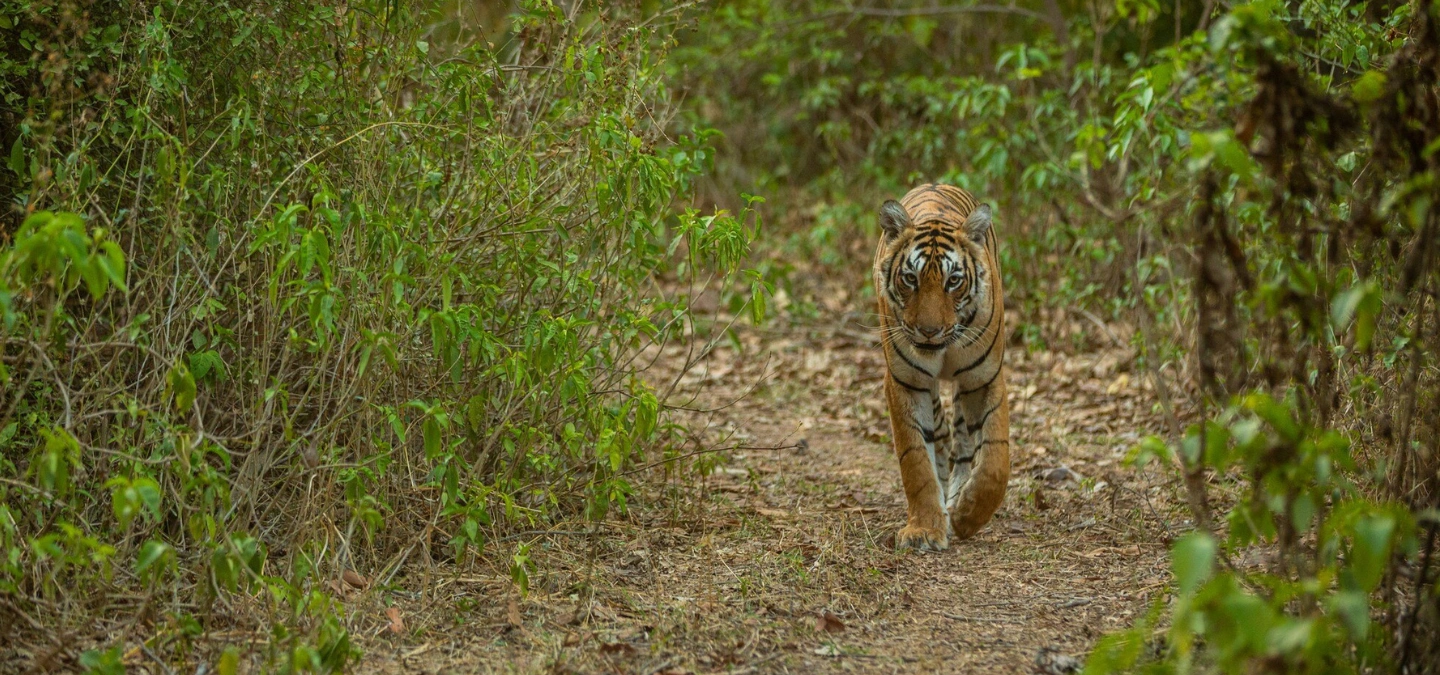
Kanha Tiger Reserve, Madhya Pradesh, was one of the first reserves to be brought under Project Tiger in 1973, and the results speak for themselves. Tiger sightings here are one of the most constant in India, drawing wildlife photographers, naturalists, and first-time safari visitors alike. Beyond tigers, the reserve is home to Indian leopards, Indian bison (gaur), dholes (Indian wild dogs), sloth bears, sambar, and more than 300 species of birds.

Rudyard Kipling drew inspiration from these very forests when writing The Jungle Book, and the place has a cultural resonance that extends beyond its ecological importance. A visit to Kanha Wildlife Sanctuary is not only a wildlife trip. It is a serious structured engagement with one of the best-managed conservation ecosystems in India. Whether you are here for two days or five, the forest rewards attentiveness, patience, and the right guide.
Handpicked Kanha National Park Tour Packages

Unmissable Places to See in Kanha National Park

Bamni Dadar (Sunset Point)

Bamni Dadar (Sunset Point)

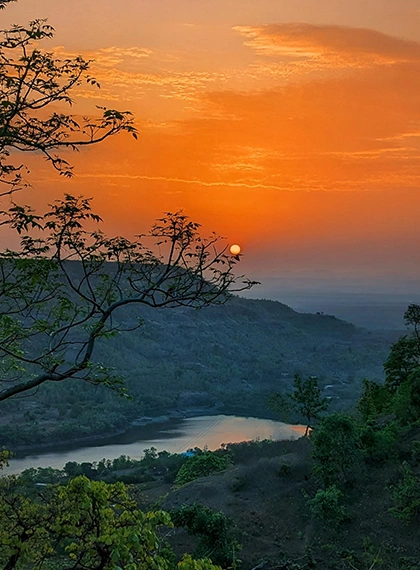
Often called the sunset point of Kanha, Bamni Dadar offers a panoramic view of the park's lush valleys and grasslands. It is one of the most peaceful corners of the kanha wildlife sanctuary, and the kind of place where you just sit and let the forest speak. Most kanha national park tour packages include a stop here during the evening safari drive.
Kanha Meadow

Kanha Meadow

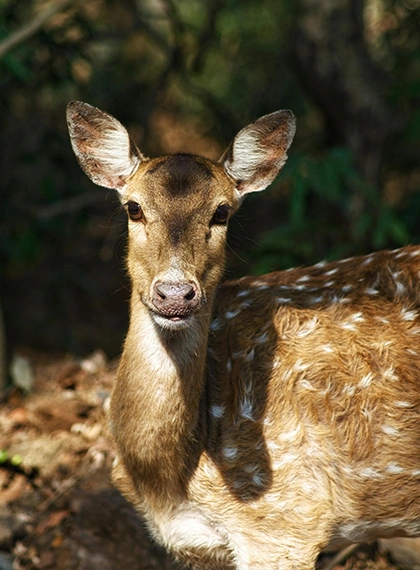
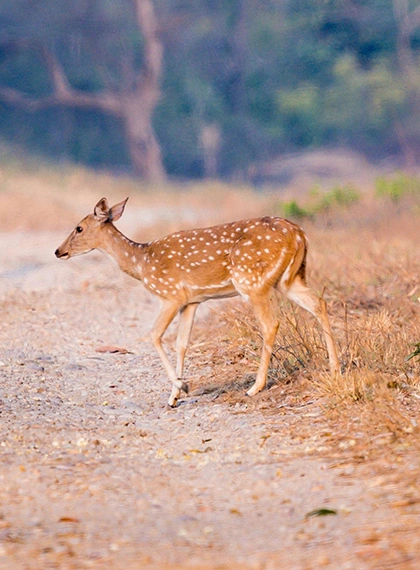
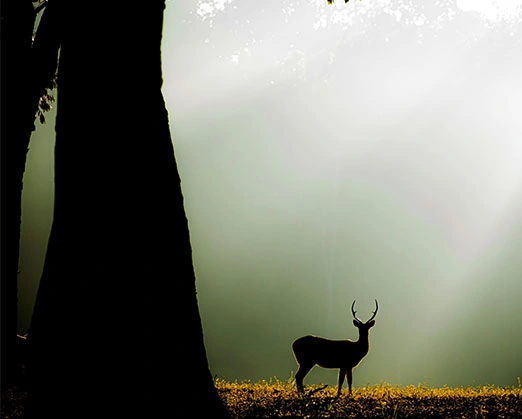
This is the heart of the park. The sprawling meadow is where you are most likely to spot barasingha (hard ground swamp deer), the pride species of Kanha. If you have done your kanha safari booking online and picked the right zone, chances are your jeep will pass through this stunning landscape.
Shravan Tal

Shravan Tal

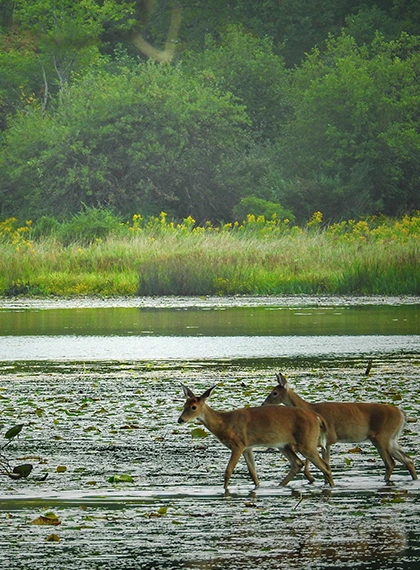
Named after a character from the Ramayana, Shravan Tal is a quiet lake surrounded by dense sal forest. The spot holds cultural significance and also serves as a watering hole for animals during summer. It is a must visit during any kanha tiger reserve safari, especially for those who enjoy a blend of mythology and nature.
Kanha Museum

Kanha Museum

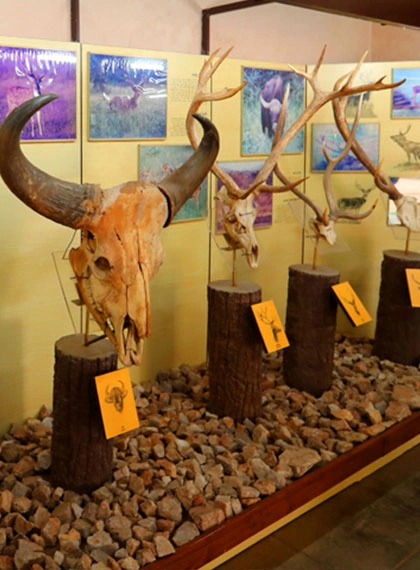
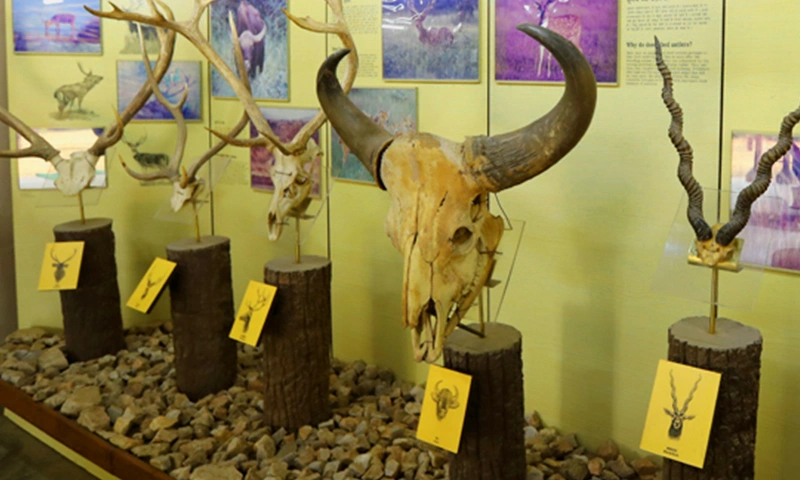
Located near the Khatia entrance, the Kanha Museum gives visitors a closer look at the region's biodiversity and conservation history. Before heading out for a kanha jungle safari, this museum helps set the context of what the forest holds. It is especially useful for first time visitors who want to understand the ecosystem before entering the reserve.
Mukki Zone

Mukki Zone

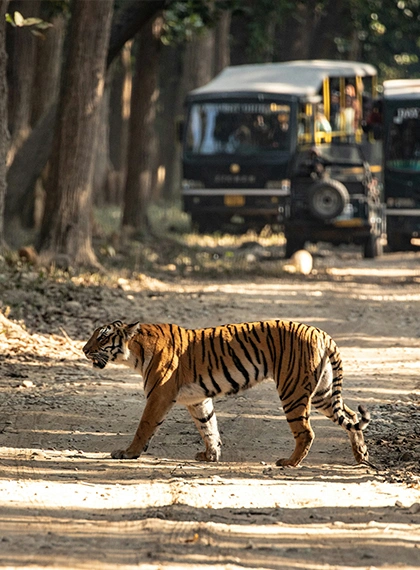
Mukki is one of the most popular safari zones and is known for frequent tiger sightings. If you are looking into kanha tiger safari booking, this zone should be on your radar. The terrain here is thick with bamboo and mixed forest, making every drive feel unpredictable and exciting.
Supkhar Tank

Supkhar Tank

Tucked away in the buffer zone, Supkhar is a lesser known gem. Animals gather here especially during the hot months, making it a rewarding stop for wildlife photographers. When comparing kanha national park safari booking options, look for itineraries that include buffer zone access to experience spots like this one.

Best Time To Visit Kanha National Park

October to February (Peak Wildlife Season)

This is the peak wildlife season in the forest when conditions are most stable. Cooler temperatures, clear mornings, and low vegetation density following the monsoon allow the visibility of wildlife to increase. Tigers, leopards, and dholes are active during the daytime hours. Accommodation for this window is booked up quickly, and Kanha tiger safari bookings should be done well in advance.

March to June (Summer Season)

This is arguably a better time for tiger sightings. As water sources become smaller and vegetation becomes sparser and less plentiful, animals gather around the waterholes and become easier to spot. Temperatures can be as high as 40 degrees Celsius and above by midday, but early morning safaris are comfortable and productive. The Kanha jungle safari price structure also remains the same; however, permit availability in April and May tightens up considerably due to demand.

July to September (Monsoon Season)

The Core zones officially closed. Buffer zone safaris are also ongoing, which provide an altogether different type of forest experience, with denser canopy, richer birdlife, and very few tourists. Suitable for experienced wildlife travellers who prefer being alone for a good sighting.
Activities Inside and Near Kanha Tiger Reserve

Morning and Afternoon Jeep Safaris

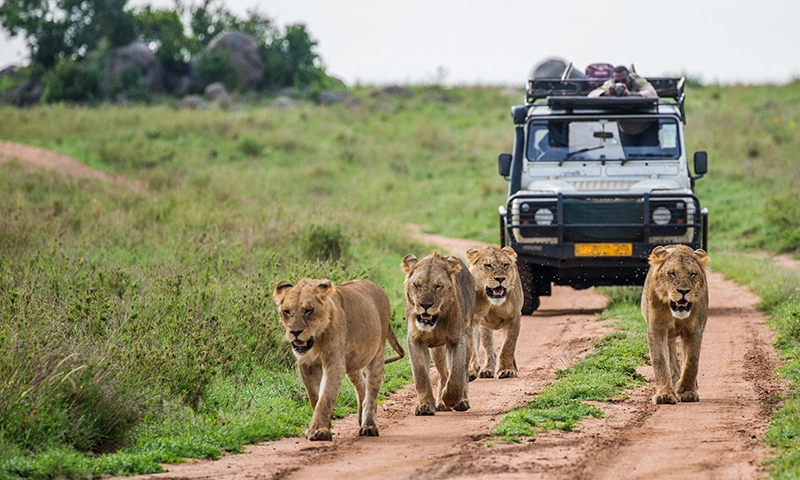
This is the main activity and the reason the majority of visitors come. Kanha tiger reserve safari sessions last for four to five hours. An experienced naturalist is on board to read the pugmarks, alarm calls, and animal behaviour to direct the vehicle to sightings. No two safaris are identical.
Kanha Nature Trail (Evening Buffer Walk)

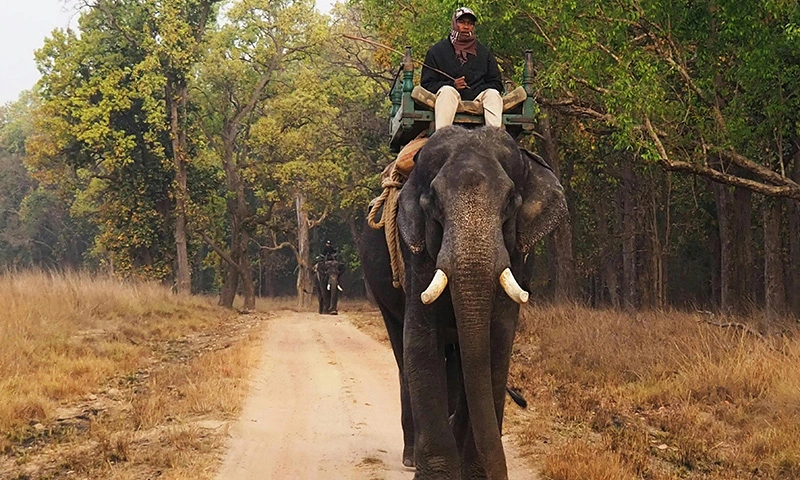
Conducted daily in the buffer zone, near Khatia and Mukki Gates, these are guided walks in the late evening. Walking through the forest is a sensory experience that cannot be experienced in a moving vehicle. Suitable for guests who are staying two or more nights.

Wildlife Photography

Kanha’s open meadows, especially around Kanha and Mukki Zones, provide ideal natural light conditions during the early morning hours. Many photographers reserve full-vehicle permits in order to have free range of positioning and equipment set up.
Kanha Museum Visit

Located near the Khatia Gate area, the museum details the history of the reserve and conservation of the Barasingha till the role of Project Tiger. An hour well spent by visitors interested in wildlife policy and forest management.
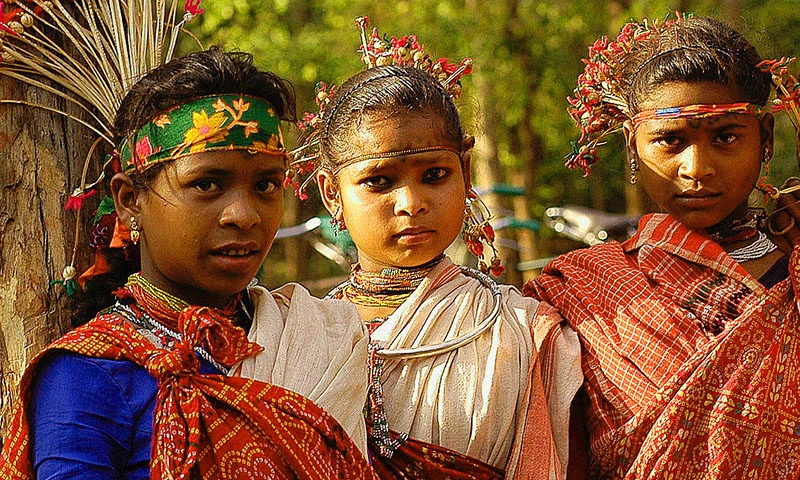
Baiga Village Cultural Interaction

The Baiga tribal community has had ancestral roots in the forests of central Madhya Pradesh. Cultural interaction programmes, if organised responsibly by the licensed operators, can provide an authentic insight into forest-edge village life and traditional crafts and ecological knowledge systems. Memorable India arranges these interactions on request.
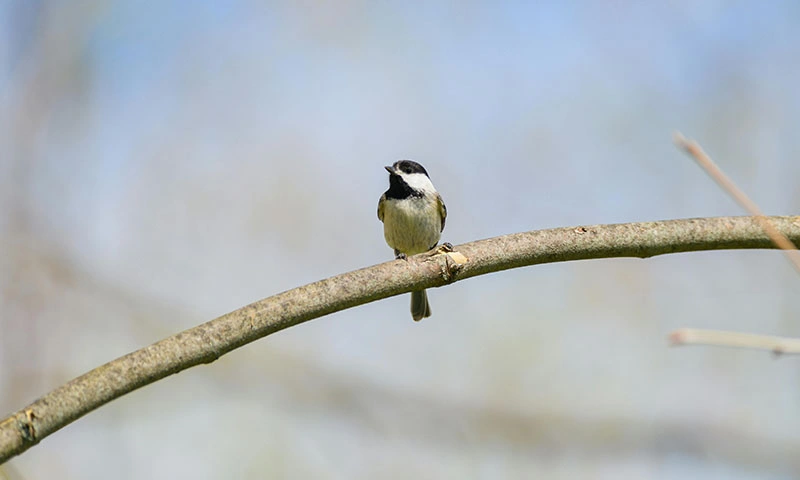
Birdwatching

Kanha's birds are diverse, ranging from crested serpent eagles, Indian roller, racket-tailed drongo, lesser adjutants, and a variety of raptors and wading birds. The two zones of Sarhi and Khapa are especially good for birding.For a wider coverage of the best wildlife destinations of India, the Memorable India guide on best wildlife safaris in India offers a good reference.

Unleash Your Inner Explorer

Witness Majestic Wildlife & Thrilling Landscapes

Book Your Tour Now

Book your Kanha National Park Tour Package Today

A visit to Kanha is a reward for those who plan it. Safari permits are restricted, the best lodging close to the park gates fills up fast in peak months, and the best naturalists are reserved by regular visitors, who return every season.

Memorable India’s team is available to construct your Kanha National Park tour package as per your exact dates, your travel style, and your budget. Contact us over the phone, email, or use the enquiry form below.

For those travellers who are exploring a more expansive central India wildlife circuit, our Bandhavgarh Kanha Pench Tour Package is the most comprehensive multi-reserve tour package available on the site.
Frequently Asked Questions

The months of March to June have the highest chances of tiger sightings, since the jungle will be thinner and the animals will congregate around water sources. However, between October and February is also productive and much cooler, which makes it a good choice for families and older travellers. For those who are purely interested in tiger encounters, April and May are the peak months of the-kanha national park safari calendar.

Safari permits are officially issued through the Madhya Pradesh Forest Department. Memorable India takes care of this process; it is done as part of all the packages, zones, ID submission, and coordination of permits. Independent travellers can make bookings directly on the portal, with permissions being released up to 120 days in advance of the visit date.

Kanha has four core zones (Kanha, Kisli, Mukki, and Sarhi) and four buffer zones (Khatia, Khapa, Sijora, and Phen). For people who are visiting for the first time, Kisli (Khatia Gate) zone is a good combination of both accessibility and diversity of wildlife. For tiger-focused travellers, Mukki zone always gets rated as the most productive.

Tiger, Indian leopard, gaur, dhole, sloth bear, Barasingha (hard-ground swamp deer), sambar, chital, barking deer, and wild boar are seen regularly. Over 300 bird species have been recorded in the reserve, including crested serpent eagles, Indian rollers, and a variety of raptors.

Yes, if the planning is done properly. Children above the age of six years are usually allowed on jeep safaris. A very early start in the morning and possibly a long waiting time in the forest are aspects to be considered for younger children. Memorable India can advise on age-appropriate schedules as well as buffer zone alternatives for families with very young children.

Core zone safaris are conducted between October and June and are shut during the monsoon months of July to September. These zones have very restricted numbers of vehicles and also higher chances of big cat sighting. Buffer zone safaris take place all year round, and they are often less crowded and more suitable for birdwatching and general natural experiences. The Kanha jungle safari price also differ to the core and buffer zone.

A minimum of two nights and three days is recommended for a meaningful experience. This permits at least two or three sessions of safari across the different zones and at different times of the day. Travellers who wish to explore more than one zone, take part in a nature walk, or simply want to spend time at an unhurried pace in the forest will make better use of three nights and four days.

Not entirely. The core areas of Kanha National Park continue to be closed from the 1st of July till the 30th of September every year in accordance with the monsoon closure as per directions of the forest department. Buffer zone safaris, however, are available all year round. Visitors to the park during the monsoon months can still access areas such as Khatia, Khapa, Sijora and Phen for jeep safaris in a lush and much less crowded environment.

A gypsy safari covers in a six-seater open 4X4 vehicle and is available in both core and buffer zones. It provides more of an intimate, flexible, and quiet experience of wildlife. A canter is a larger open bus, usually seating up to 20 people, and is usually limited to the buffer zones and some designated routes. For serious wildlife viewing and photography, the gypsy safari is the more effective and recommended option.

Yes. The Madhya Pradesh Forest Department charges for one person at a time in the form of single-seat permits to Kanha, where individual travellers or small groups will share a vehicle with other visitors. This is more economical but is at the expense of control over the movement and stop decisions of the vehicle. Travellers who are looking for flexibility, especially photographers, are better off booking a full vehicle permit.

The right gate for entry depends on the zone in which you are booked. Khatia Gate caters to Kisli and Kanha zones and is the most popular gate from where one can enter, and the range of accommodation options is the widest around the gate. Mukki Gate can be considered as the arena to approach Mukki zone and is preferred by travellers, particularly targeting tiger sighting. Sarhi Gate caters to the zone from the north of Sarhi and is best suited for birdwatchers who want a relaxed time.

The Barasingha is also known as the hard-ground swamp deer, and it is a big species of deer that was once critically endangered. Kanha National Park initiated a special effort to conserve it, bringing the species back from near extinction, making it one of the most celebrated wildlife recovery stories in the history of Indian conservation. The Barasingha is today the symbol of Kanha Tiger Reserve and is regularly spotted in the Kanha and Mukki areas.

Yes. The reserve has recorded more than 300 bird species, which makes it one of the birding destinations in central India. The Sarhi zone in the north and the Khapa buffer zone are especially recommended for birdwatching. Commonly sighted species include crested serpent eagle, Indian roller, racket-tailed drongo, Malabar pied hornbill, lesser adjutant, and a variety of raptors and kingfishers. Early morning safaris provide the best birding conditions before the heat of the day sets in.

Options near Kanha vary from cheap forest lodges and government-run rest houses to mid-range wildlife resorts and premium eco-lodges. Most quality stays are concentrated around Khatia Gate on the West and Mukki Gate on the South side. It is important to choose accommodation near the gate of your booked zone, as safari reporting times are strict. Memorable India includes accommodation selection as part of all Kanha National Park tour packages, so that there are no logistical gaps on safari morning.

No. Private vehicles are not allowed in the park boundaries. All safaris have to be done in vehicles that are registered and authorised by the forest department. These are generally Maruti Suzuki Gypsy 4x4 vehicles, driven by a licensed driver on a government-provided naturalist or guide. This regulation applies to all zones, core and buffer zones.

Kanha is about 160 kilometres away from Jabalpur, about 260 kilometres from Nagpur, and about 580 kilometres from Bhopal. Jabalpur is the nearest major city with an operational airport and is the most often used base for those travellers flying in. From Nagpur, Kanha is accessible via road transfer of four to five hours, and thus a convenient combination with Pench National Park, which is located closer to Nagpur.

Yes. Kanha is easily accessible for senior travellers if a few factors are planned for. Early morning departures in winter months can be cold, so warm layering is essential. The gypsy vehicle terrain in the park is a bumpy forest road, so travellers with back or joint issues should inform their guide and ask for a slower driving pace where possible. Buffer zone safaris usually follow an easier route and are a better choice for elderly guests. Memorable India can tailor itineraries specifically keeping in mind the requirements of the comfort of senior travellers.

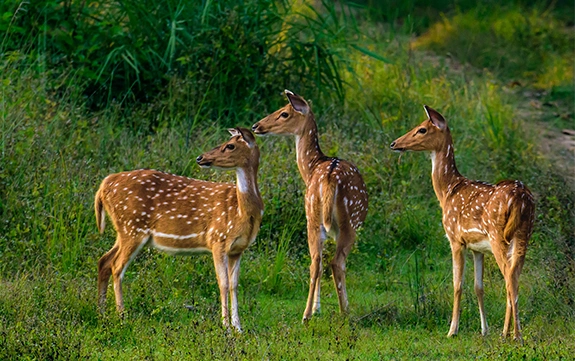
Chital (spotted deer), sambar, and gaur are among the most regularly sighted animals on any Kanha tiger reserve safari. The meadow zones are where barasinghas are sure to be sighted. Tiger and leopard stays are common but by no means guaranteed on any one safari. Dholes (Indian wild dogs) are seen in packs from time to time, and especially in the Mukki zone. Sloth bears are also seen at times close to the edges of the forest, mostly during the cooler months of the year. The variety of sights, even without an encounter with a tiger, makes a safari here worthwhile.

Photography is allowed from within the safari vehicle. Flash photography is strictly prohibited because it involves disturbing the wildlife. Drone usage is not permitted within the reserve without prior written permission of the forest department, and such permissions are not easily granted for tourism use. Photographers are advised to bring telephoto lenses, as vehicles must at all times keep a respectful distance from animals. Full vehicle permits are highly encouraged for those photographers who require positioning flexibility during sightings.

Kanha National Park is fairly safe for families with children if basic wildlife etiquette is adhered to during the safaris. Children are expected to come inside the vehicle seat quiet throughout the safari. Parents should prepare the children in advance for the possibility of not seeing a tiger on every session. Buffer zone safaris are a more relaxed way to introduce very young children, and there is less pressure around big cat sightseeing. Families should also be equipped with enough water, food, and sun protection, especially during the summer months.