 +919871148514
 info@memorableindia.com
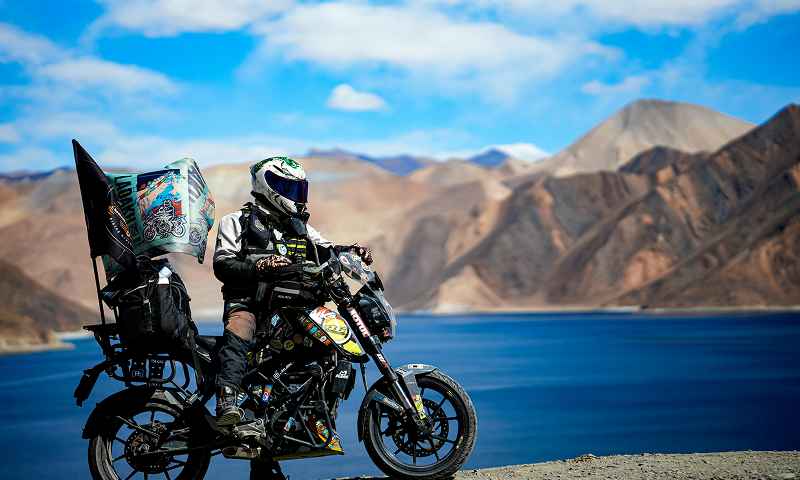
India’s geographical diversity makes it a paradise for motorcyclists. From Himalayan passes over 18,000 feet to coastal highways hugging the Arabian Sea, there are riding experiences in the country that range from technical, high-altitude riding to leisurely coastal cruising. In fact, many riders consider these to be The Best Bike Tour Routes in India That truly showcase the country’s dramatic contrasts.
This guide features 14 routes that represent the best of Indian motorcycling, all of which have been thoroughly tested. Each route offers a unique blend of terrain, culture, and riding challenges. Whether you’re planning your first multi-day ride or trying to add new routes to your riding resume, these destinations offer more than just basic tourism in your journey.
They require respect for the terrain, preparation for extremes of weather, and acceptance of India’s regional diversity.
The 428 km journey from Manali to Leh is still India’s most iconic motorcycle route. Crossing four major passes – Rohtang La (3,978m), Baralacha La (4,890m), Lachulung La (5,059m) and Tanglang La (5,328m), this highway is a stiff test for both the rider and his machine.
The route passes through different landscapes: lush green valleys around Manali, cold and desolate moonscapes in Ladakh and glacial streams flowing through rock terrain. Some of the important stops are Keylong, Jispa, Sarchu and Pang before reaching Leh.
Best time: June to September. The highway normally opens in late May after snow clearance.
Difficulty: High – altitude, changing weather, rough patches. Duration: 2-3 days with acclimatization stops.
The coffee areas in Karnataka are great riding destinations for weekend rides. The
Bangalore-Coorg-Chikmagalur-Hassan-Bangalore circuit (600 km approx) goes through hill stations, plantations and temples.
Curved mountain roads, misty mornings, coffee estate stays and waterfalls offer relaxed yet interesting riding. Mullayanagiri peak and Abbey Falls are popular stops.
Best time: September to February. Monsoon provides lush landscapes and slippery roads. Difficulty: Moderate – curves and ghats to look out for. Duration: 3-4 days.
This circuit is the heart of Ladakh motorcycling. Starting from Leh, riders cross over Khardung La (5,359m) – marketed by tour operators as the highest motorable pass in the world – to reach the dunes and double-humped Bactrian camels of the Nubra Valley at Hunder. The return through the stunning blue lake of Pangong Tso and Chang La (5,360m) completes the triangle.
The route covers a distance of 550-600 km depending on variations. Nubra’s Diskit Monastery, Pangong’s color-changing waters & sheer scale of Himalayan landscapes create an unimaginable riding experience.
Many travelers prefer to take a 7 days Leh, Nubra Valley and Pangong Lake tour that allows acclimatization time in Leh, explores both valleys thoroughly and also provides scope for weather contingency.
Best time: June to September. Difficulty: High-extreme altitude, oxygen levels, temperature variations. Duration: 5 – 7 days with acclimatization.
The state of Meghalaya has very different terrain. The Shillong-Cherrapunji-Dawki-Mawlynnong circuit (approximately 300km) passes through the wettest place on Earth, living root bridges, the crystal clear Umngot River, and the cleanest village in Asia.
Twisting roads, heavy rains (particularly during monsoon), dense forests and Khasi cultural villages are the highlights of this route. The descent to the Bangladesh border at Dawki and the climb back through pine forests challenge riding skills on wet surfaces.
Best time: October to May for less cloudy weather, monsoon riders should be ready for heavy rain. Difficulty: Moderate – technical sections because of rain and curves. Duration: 4-5 days. For riders exploring this region in detail, combining it with a Best of North East India Tour can add deeper cultural and scenic experiences beyond the highways.
The coastal route from Mumbai to Goa via NH66, with a stretch of 580 km, is a very relaxed route for riding through coastal villages, beach towns and lush greenery. The route goes via Ratnagiri, Ganpatipule, Malvan, and Sindhudurg before reaching Goa’s beaches.
Seafood stops, Alphonso mango orchards in season, Portuguese-influenced architecture and coastal forts break up the riding. This route is for riders seeking an experience through easier terrain that offers more cultural immersion and less extreme conditions.
Best time: October to March. Monsoon changes the landscape but makes riding difficult. Difficulty: Low to moderate. Duration: 3-4 days with leisure stops.
Rajasthan’s heritage circuit connects Jaipur – Pushkar – Jodhpur – Jaisalmer – Bikaner – Jaipur (1,400 km approx). This route passes through the Thar Desert, historical forts, and colorful cities, while offering a fairly easy ride with good highways.
The golden dunes around Jaisalmer, blue-painted Jodhpur, sacred Pushkar lake and the rat temple at Deshnoke offer cultural diversity. Desert riding requires preparation for heat and dust, especially in the summer months.
Best time: October to March. The summer heat (April – June) can be extreme. Difficulty: Low- good roads, but it is hot and dusty, so prepare accordingly. Duration: 7-10 days.
The route from Guwahati to Tawang (approximately 500 km) passes through Sela Pass (4,170m) and leads to one of India’s most sensitive border areas. Inner Line Permits are compulsory for non-Arunachal residents.
The journey goes via Tezpur, Bomdila, and remote monasteries before reaching Tawang Monastery, which is the largest Buddhist monastery in India. Dense forests, mountain passes and the proximity of the Indo-China border make a unique atmosphere.
Best time: April to October. Winter brings heavy snow closures. Difficulty: High – altitude, rough patches, permit requirements. Duration: 6-8 days from Guwahati.
Gujarat’s Rann of Kutch offers unique desert riding. The circuit includes Bhuj, Dhordo, Mandvi and Bhuj (around 250-300 km) featuring the white salt desert, handicraft villages and coastal towns.
The annual Rann Utsav (November to February) transforms the region with cultural programs, though it brings in crowds. The wide expanse of white gives surreal riding conditions.
Best time: Between November and February. Summer heat is intense. Difficulty: Low to Moderate – Flat terrain, heat management needed. Duration: 3-4 days.
The northern Kerala coast from Kasaragod to Kochi (about 350 km) winds its way through coconut groves, backwaters, spice plantations and coastal villages. This route is much easier to ride and offer great cultural experiences. Riders who extend their journey often combine this stretch with a Best of South India Tour, blending motorcycling with temple towns, hill stations, and coastal heritage.
Stops at the theyyam temples of Kannur, spice estates of Wayanad and the Colonial legacy of Kochi make varied experiences. The roads are well-maintained and the climate is moderate enough to make this accessible all year round.
Best time: October to May. Monsoon brings heavy rain. Difficulty: Low-good roads, no major elevation changes. Duration: 4-5 days.
Spiti Valley provides isolation and raw beauty. The circuit usually runs Manali-Kaza-Tabo-Nako-Kalpa-Shimla (approximately 650 km), but there are variations exist.
The Kunzum Pass (4,590m) provides the gateway from Manali side, while Kinnaur Valley offers contrasting green landscapes on the return. Ancient monasteries at Tabo and Ki, the world’s highest village at Komic, and breathtaking views at Chandratal Lake make this route rich from both cultural and visual perspectives. Road conditions range from reasonable tarmac to difficult broken sections requiring careful navigation.
Best time: May to October. Difficulty: High – High altitude, stretches with low facilities. Duration: 7-10 days for the complete circuit.
Zanskar has extreme remoteness. Accessible by Kargil-Padum road or the challenging Manali-Darcha-Padum crossing through Shingo La, hardly any vehicles enter this area. The desolate and barren 250 km from Kargil to Padum weaves through some dramatic landscapes and ancient monasteries.
Limited facilities, difficult terrains, and high passes ensure that this route is only for experienced riders with the proper back-up support. The frozen Chadar Trek follows some of this journey in winter.
Best time: July to September- narrow window. Difficulty: Extreme remoteness, altitude, rough terrain. Duration: 8-10 days, including buffer.
The Siliguri-Darjeeling-Gangtok-Pelling-Siliguri circuit (approximately 450 km) is a combination of tea estates, Buddhist monasteries and canyons of Kanchenjunga. Narrow mountain roads, hairpin turns and altitude changes pose challenges to riders.
Tsomgo Lake, Nathu La Pass ( permit required), Rumtek Monastery and Darjeeling (colonial era) offer varied stops. Monsoon brings the risk of landslides on these routes.
Best time: March to May, October to December. Difficulty: Moderate to high – narrow roads, altitude changes. Duration: 5-6 days.
The 150 km stretch between Gokarna and Goa is available for beach hopping on two wheels. This short but scenic roadway links the temple town of Gokarna with its immaculate beaches with the more developed coastline of Goa.
Stops at Karwar, Arambol and hidden coves have access to the beaches. The route is suitable for those riders who seek shorter weekend trips with beach camping options.
Best time: October to March. Difficulty: Low-well-maintained coastal roads. Duration: 2-3 days.
The Haridwar – Rishikesh – Mussoorie – Dhanaulti – Chamba – Tehri circuit ( approximately 400 km) covers the accessible hill stations in the state of Uttarakhand. Good roads, moderate altitudes and spiritual centres make this route suitable for beginner to intermediate riders.
There is river rafting at Rishikesh, British-era Mussoorie, and Tehri Dam for variety. The route provides views of the Himalaya without extreme altitude challenges.
Best time: March to June, September to November. Difficulty: Low to moderate. Duration: 4-5 days. If timed around spring, riders can also witness vibrant festivities in nearby towns, making it one of The Best Places in India to Celebrate Holi while enjoying the hills.
To have successful motorcycle trips, proper planning is required. Make sure your bike is well serviced before setting off. Carry spare tubes, a puncture kit, basic tools and engine oil. Physical fitness is important, especially for high altitude routes where the amount of oxygen is significantly reduced.
Permits are compulsory for some areas – Ladakh inner areas, Arunachal Pradesh, and restricted areas of Sikkim. These permits should be obtained well in advance through authorized channels. Travel insurance for adventure activities is available to provide financial protection.
Pack layers for temperature variations, quality riding gear such as gloves and boots and rain protection. High altitude routes require warm clothing during even the summer months.
These 14 routes represent the diversity of India as far as motorcycling is concerned, ranging from technical Himalayan passes to easy coastal highways. Each of the routes has different challenges, landscapes and cultural experiences. Start by taking routes that suit your skill level and gradually move on to more challenging terrain.
The key to memorable journeys by motorcycle is preparation, respect for the local conditions and flexibility in the face of changes in the weather or in the situation of the roads. Whether you are a nature-lover who is attracted to the stark beauty of Ladakh, a coastal-lover who falls head over heels in love with Konkan or a cultural-lover who falls head over heels in love with Rajasthan, Indian roads provide experiences that are far more than the ride itself. So plan well, ride responsibly and let the wonderful landscapes of India unfold at your own pace.

20 Best Hill Stations in Uttarakhand for Family Vacation, Corporate Trips, Nature Lovers & Adventure
26 Aug 2026
15 Best National Parks and Wildlife Sanctuaries in North East India
25 Aug 2026
16 Best Romantic Hill Stations in India for Honeymoon Holidays
23 Aug 2026
Top 30 Must-See Forts and Palaces in Rajasthan
21 Aug 2026
Top 30 Krishna Temples in India: A Complete Pilgrim and Traveller Guide
21 Aug 2026


