 +919871148514
 info@memorableindia.com
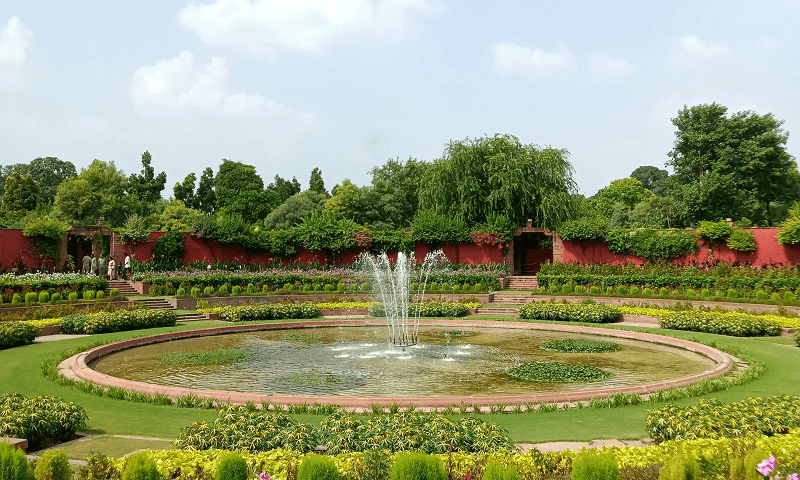
India’s horticultural history dates back centuries, from Mughal emperors who had converted dry landscapes into paradise gardens to the British colonists who set up massive botanical collections in hill stations. Today, these green spaces are more than just pretty to look at – they’re windows into history, laboratories of biodiversity and places to find peace from the chaos of city life. The varied climatic regions of the country, ranging from tropical Kerala to temperate Himachal Pradesh, have given rise to a variety of gardens depicting everything from rare orchids to old trees.
Visiting these gardens provides an insight into the way humans have manipulated nature at varying times and in various places. Mughal gardens are based on strict geometric designs of paradise ideas from Persian culture. Colonial-era botanical gardens focus on scientific classification and the collection of exotic species. Modern spaces are often a mix of these approaches, in addition to native plant conservation. What is constant is the Indian value for green spaces as important cultural and recreational assets, and not merely decoration. Many travelers combine such landscapes with cultural circuits like the North India Highlights, where gardens sit alongside forts, tombs and riverfront heritage sites.
The Shalimar Bagh in Kashmir is the epitome of Mughal garden design. Built by Emperor Jahangir for his wife Nur Jahan in 1619, this four-terraced garden descends towards Dal Lake on the traditional Persian chahar bagh pattern. The garden’s 587 meter length has more than 400 fountains with natural springs, helping to give a microclimate that moderates the Kashmiri temperature extremes.
The design has a deliberate progression from the public to the private spaces. The first terrace was Diwan-e-Aam, which was used for the public audience. The second terrace was called Diwan-e-Khas, where private meetings were held. The topmost terraces were still reserved for the royal family. Each level has a central water channel on either side of which are walkways and flower beds, over which tower chinar trees, which provide shade.
Visit in spring when roses, tulips, and irises are in blossom or in autumn when chinar leaves turn crimson and gold. The garden is open every day from sunrise to sunset with nominal entry fees. The city center of Srinagar is located only 15 kilometers away, so this is an easy half-day trip.
Covering an area of 240 acres in the heart of Bangalore, Lalbagh, the garden began in 1760 when Hyder Ali commissioned the garden. It was expanded by his son Tipu Sultan with the help of French gardeners importing plants from Mauritius, Afghanistan, and Persia. The British East India Company would later convert Lalbagh into a scientific botanical garden that maintains one of the largest collections in Asia.
The garden contains more than 1800 plant species, including rare tropical and subtropical species. The centerpiece, the Glass House – based on the Crystal Palace of London – hosts biannual flower shows that attract hundreds of thousands of people. These shows are held on the occasion of Republic Day and Independence Day and display various elaborate floral arrangements and horticultural innovations.
Lalbagh’s 3,000-million-year-old formation of rock, one of the oldest on Earth, is an added geological interest in botanical diversity. The garden’s rose garden includes 1000 varieties; the lotus pond is visited by many species of birds. Walking the entire perimeter takes about two hours, although serious plant enthusiasts spend whole days here. Entry is still cheap at minimal charges for adults; extra charges apply for camera equipment.
The Brindavan Gardens, located below the Krishnarajasagara Dam, is a combination of horticultural artistry and hydraulic engineering. Built in 1927 by Sir Mirza Ismail, the diwan of Mysore, the 60-acre garden has symmetrical terraces, pergolas and flower beds arranged in intricate patterns.
What makes Brindavan different from other botanical spaces is the musical fountain system. Every evening after sunset, synchronised fountains set to music and coloured lights produce a spectacle that attracts huge crowds. The illuminated gardens become a completely different experience from daytime visits, although both are worthwhile.
The layout of the garden is based on geometric patterns of the Mughals that are adapted to the landscape of the dam. Rose gardens, fruit orchards, and topiary work illustrate various horticultural techniques. The adjacent reservoir is a scenic backdrop, especially during the monsoon months when the gates of the dam are opened, and fantastic releases of water are created.
Mysore city is situated at a distance of 21 kilometers. The garden is open all year long, with musical shows of the fountains scheduled after sunset. Come early on weekends and holidays to avoid crowds or visit weekday afternoons for relatively peaceful walks through the gardens.
Lodhi Garden is a unique combination, as it is a public park that has four 15th and 16th-century monuments surrounded by landscaped grounds. Spread over 90 acres in the heart of Delhi, this is a heritage site and urban forest that provides respite from the intensity of the capital.
The garden includes tombs of rulers of the Sayyid and Lodhi dynasties, such as the Muhammad Shah tomb, the Sikander Lodhi Tomb, which is notable for its Indo-Islamic architecture and the shape of an octagon. The 15th century Bara Gumbad mosque has decorative plasterwork and calligraphy despite centuries of weathering. Walking paths link these buildings via tree-lined avenues and manicured lawns.
Lodhi Garden is used by Delhi residents as a venue for morning exercise and an evening relaxation spot. Bird watchers spot more than 80 species of birds here regularly, with several migratory visitors in winter. The rose garden is at its best in February and March, and flowering trees such as amaltas and jacaranda in April and May.
Located at the heart of Delhi, close to Khan Market, the garden is open from sunrise to sunset, and there is no entry fee. The National Bonsai Park inside the garden has miniature trees that show examples of this Japanese art form adapted to Indian conditions.
Established in 1848, Ooty’s botanical garden is spread over 55 acres on the slopes that have a view of the Nilgiri mountains. The terraced structure of the garden allows for different elevations and plant families and horticultural functions.
The fern house has an amazing collection of species of ferns growing in the moist climate of Ooty. A fossilized trunk of a tree estimated to be 20 million years old dominates the garden. The Italian garden style terraces and ornamental ponds adhere to the Victorian era design principles, and the conservatory contains exotic flowers that need controlled environments.
Annual flower shows are held in May and are attended by serious gardeners and casual visitors alike. These events feature new hybrid varieties and old favorites with competitions for the best displays. There is a lily pool in the garden with Victoria Regia lilies with enormous leaves floating on the water’s surface. Travelers who extend their journeys to explore the Beautiful Temples of South india often include Ooty and nearby hill landscapes as a refreshing counterpoint to temple architecture.
Ooty town center is only two kilometers away from the garden. The temperate climate makes visiting pleasant all year long, though there are optimal weather conditions in May through July and September through November. Entry fees are relatively low with separate charges for cameras.
The Rock Garden is a departure from the conventional botanical gardens. Created by Nek Chand starting in 1957, this 40-acre sculpture garden takes industrial and urban waste and turns it into art installations interspersed with waterfalls, pathways and planted areas.
What started as Chand’s clandestine project in a forest clearing became an internationally known example of outsider art and recycling innovation. Sculptures of broken ceramics, bottles, electrical waste, and building materials fill chambers and courtyards. Water channels and planted areas soften the sculptural elements, forming unexpected aesthetic combinations.
The garden has several parts accessed by narrow passageways that open into courtyards with figurative sculptures. Each area presents different visual experiences ranging from armies of terracotta figures to walls covered in pieces of ceramic forming patterns. The informal layout of the garden encourages exploration as opposed to prescribed ways of moving around.
Chandigarh’s planned city makes it easy to get to the Rock Garden. It is open all year round with nominal entry charges. Plan at least two hours if you want to make a full visit, as the labyrinthine nature of the garden properly rewards a leisurely exploration.
Also known as Yadavindra Gardens, this 17th-century complex, located in the Panchkula district, Haryana, is a perfect example of Mughal garden architecture adapted to the foothill landscape. Built during the time of Aurangzeb by his foster brother Fidai Khan, the seven-terraced garden descends a hillside via a series of pavilions, fountains and planted areas.
The central garden features a central water channel that flows through all the levels with fountains on every terrace. Jal Mahal (water palace) and Rang Mahal (painted palace) pavilions are examples of Mughal architectural details, though much has been restored over the centuries. The design of the garden intelligently manages the elevation change while maintaining classical proportions and symmetry of the Mughal style.
A mini zoo, Japanese garden and a nursery have been added in the last few decades, making the complex more than just a Mughal garden. The heritage section is still the main attraction, especially the upper terraces from where one can have views of the plains and Chandigarh.
Pinjore is 22 kilometers from Chandigarh and is an easy day-trip. The garden hosts an annual Heritage Festival in December with regional culture. Visit during the winter months for comfortable weather, not to be in the thick of summer’s heat.
Established by the British East India Company in 1787, this 273-acre garden in Howrah exists mainly for scientific research but it is also open to visitors. The garden preserves the largest collection of living plants in India with about 12,000 specimens of diverse families and genera.
The Great Banyan Tree is the focus of concern for visitors. At more than 250 years of age, this tree has aerial roots that span 4.67 acres, giving the appearance of a small forest. The main stem was removed from the tree in 1925 when it was damaged by cyclones and fungal infection, but the root system still grows, now with over 3,000 aerial roots.
Beyond the famous banyan, the garden is divided into parts with palms, bamboos, ferns, cacti and aquatic plants. Herbarium collections, although not normally open to casual visitors, contain more than a million dried specimens. The role that the garden plays in botanical research is in the conservation and scientific understanding of the diversity of Indian plants.
Located opposite the Hooghly River from Kolkata, the garden is open all year round except on Mondays. The best visiting months are October through March to escape the monsoon and extremes of the summer heat. Entry fees are still very small and this is available to all visitors.
Garden visiting in India changes totally depending on the time of year. Northern gardens, especially in Kashmir and Himachal Pradesh, bloom the most spectacularly in spring (March-May) and become uncomfortably cold in the winter. Southern Gardens such as Lalbagh are able to develop year-round interest because of tropical climates but remember, you need to visit in the morning hours to avoid the afternoon heat. Monsoon seasons (June-September) provide lush greenery, but sometimes break access to some of the gardens due to heavy rains.
Most major gardens have nominal entry fees, usually between Rs. 10-100 for Indians, the rates being higher for foreigners. Camera charges apply at various locations separately. Botanical gardens are generally open from sunrise to evening while parks have longer hours. Weekend and holiday crowds at popular gardens such as Brindavan can be intense – try to visit on weekdays if possible.
For the itineraries to visit multiple gardens in different regions, you can visit nature tour packages that feature botanical gardens, spice plantations and tea estates in places such as Ooty, Munnar and Coorg. These structured tours take care of the logistics while making sure you get to experience the variety of horticulture in India, along with the cultural and natural attractions, and are sometimes curated under premium experiences like Oberoi Vilas the Royal India Tour for travelers seeking a more refined pace of exploration.
Alternatively, comprehensive India nature holiday packages are focused on states like Kerala, where backwaters, wildlife sanctuaries and cultivated landscapes offer various nature-based experiences. For those interested in blending wilderness with landscaped heritage, itineraries may also extend toward reserves such as Phulwari Ki Nal Wildlife Sanctuary a Place Where natural forest ecosystems complement the more formal beauty of historic gardens.
India’s gardens demonstrate layers of cultural influence and botanical exchange. Mughal gardens reflect the ideas of paradise in terms of water, geometry, and plants. Colonial botanical gardens illustrate scientific classification systems and imperial networks of plant collection. Modern gardens are often done with a balance between heritage preservation and public recreation needs.
These spaces are still changing. Conservation efforts conserve rare species. Public programming exposes younger generations to horticulture and environmental awareness. Gardens are becoming more common in the expanding cities as green lungs that offer ecological services that go beyond the aesthetic and recreational value. Visiting these spaces connects you to hundreds of years of horticultural history while helping them continue in their preservation and development.
Q: What is the best time to visit gardens in India?
For northern and hill station gardens such as Shalimar Bagh, Ooty Botanical Garden, and Pinjore Gardens, you should visit them in spring (March-May) for full bloom or autumn (September-November) for pleasant weather and autumn colours. Southern gardens such as Lalbagh can be visited at any time of the year, though the mornings from October – March provide a comfortable temperature. Avoid peak summer (April-June) in plains regions and monsoon season (June-September) when heavy rains may limit access, but the monsoon makes landscapes lush green.
Q: Do Indian gardens charge an entry fee?
Yes, most gardens have nominal entry costs – usually Rs. 10-100 for Indian residents and more (Rs. 200-500) for foreign tourists. Additional charges are for camera work and video recording. Some gardens such as Lodhi Garden in Delhi, have free entry. Fees help to support the maintenance, conservation, and development of these spaces. Senior citizens and children are usually charged less at government-maintained gardens.
Q: How long should I allocate to visit a garden?
Large botanical gardens such as Lalbagh, Bangalore, or Kolkata Botanic Garden take 2-4 hours to explore well. Smaller heritage gardens such as Shalimar Bagh take an hour or two to cover. Specialized gardens such as Rock Garden Chandigarh require 2-3 hours because of their mazes. Plan the time for special attractions. Brindavan Gardens’ musical fountain shows add 45 minutes to evening visits; annual flower shows at botanical gardens merit extended visits.
Q: Are gardens in India wheelchair accessible?
There is a big difference in accessibility. Modern parts of big gardens, such as Lalbagh and Lodhi Garden, have paved paths that can be used with wheelchairs. Heritage gardens with terraced designs, such as Shalimar Bagh and Pinjore Gardens, pose difficulties of accessibility because of steps and uneven land. Rock Garden’s narrow passages and stairs don’t allow wheelchair movement easily. Contact specific gardens ahead of time to ask about accessibility provisions, availability of wheelchairs, and recommended paths for visitors with mobility limitations.
Q: Can I bring food and have picnics in Indian gardens?
Policies vary by location. Public parks such as Lodhi Garden generally allow for picnics in selected areas, although littering is strictly prohibited. Botanical gardens such as Lalbagh usually do not allow external food for fear of litter and pest problems, though they frequently have cafeterias on site. Heritage gardens under the Archaeological Survey of India often restrict food and beverages, except in areas that are marked. Always check the current policies before visiting, carry reusable water bottles, and dispose of any waste responsibly.

Top 7 South Indian Temples Known for Their Architectural Beauty
16 Oct 2026
What to Expect On Your Dream Alleppey Houseboat Trip
15 Oct 2026
12 Top Tourist Destinations in Jammu and Kashmir for a Memorable 2026 Trip
13 Oct 2026
12 Tips to Remember Before Holidaying in the Northeast Indian States
11 Oct 2026
An Aesthetic Guide for Kerala Tour: Backwaters, Tea Hills and Coastal Light
11 Oct 2026


