 +919871148514
 info@memorableindia.com
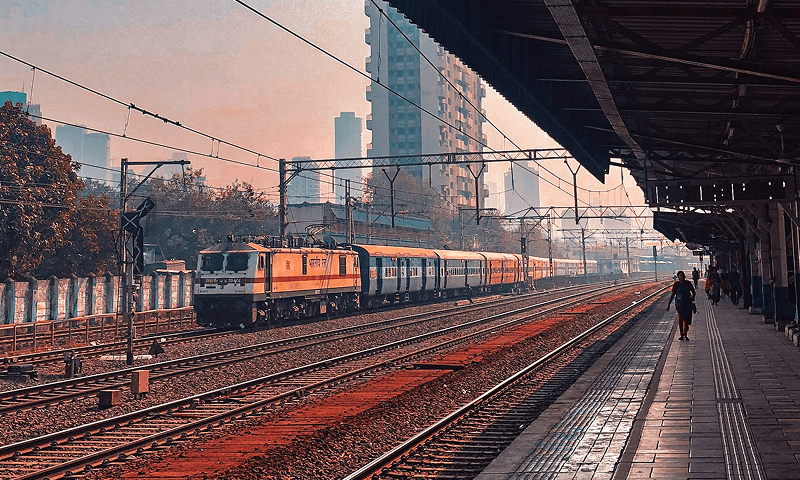
Indian Railways operates the world’s fourth-largest railway network, transporting 23 million passengers daily across 68,000 kilometers of track. For travelers exploring India, trains are more than just vehicles – they act as moving observation platforms, social spaces, and practical ways to cover the country’s vast distances. The rail system connects remote villages with metro cities and mountain stations with coastline regions, providing travel facilities that cannot be matched by other modes of transport. For those reflecting on the Reasons Why Frequent Travelers Are More Likely to choose rail over road or air on long domestic routes, the scale and reach of this network immediately stand out.
This analysis examines seven specific benefits of rail travel in India supported by operational realities and traveler experiences. Understanding these factors can help visitors make informed decisions about including train travel in their itineraries, specifically when planning extended trips across various destinations.
Indian Railways has pricing structures that accommodate different budgets without compromising network access. Sleeper class tickets cost around 40-50% cheaper than equivalent bus journeys for the same distance. AC 3-tier berths are priced to compete with mid-range buses but have much better comfort. A journey from Mumbai to Delhi (1,384 kilometers) costs ₹500-600 in sleeper class compared to₹ 1,500-2,000 for similar bus services.
The pricing advantage is not limited to base fares. Train stations have affordable food options, unlike high-cost highway food for the bus rider. Overnight journeys help avoid accommodation costs – a 14-hour train trip avoids one night’s hotel accommodation while transporting passengers. For travelers who are booking India tour packages, this cost efficiency enables budget reallocation for experiences and not for transit expenses.
The Tatkal booking system sells last-minute tickets at slightly higher rates, while prior bookings (up to 120 days) provide the lowest fares.
Senior citizens are offered discounts of 40-50% with children below five traveling free. These pricing levels make rail travel accessible across economic levels.
The railway system has 7,349 stations, connecting places where roads are unpaved or nonexistent. Hill stations such as Shimla, Ooty, and Darjeeling are connected by narrow-gauge heritage lines that go over ground where highways are impossible. The Konkan Railway connects the state of Maharashtra with Karnataka through coastal routes, which are boring and time-consuming for road travel.
Remote areas such as Rajasthan, Northeast India, and the central tribal areas still have a rail link as the main transport link. The network has 8,500 passenger trains every day to provide frequent departures so that traveller has scheduling flexibility. Major routes have trains every 30-60 minutes during peak hours, but even smaller stations have routes linked to the network by local passenger services.
This coverage is especially useful for multi-city trips. A traveler can take different train services from Delhi to Agra to Jaipur to Udaipur city along with their schedule, without the fixed time of departure that affects the chances of travel by bus and flight. The extensive network structure accommodates the sort of flexible routing that characterizes successful India travel packages, including thematic journeys like the Arunachal Mountain Journey where rail travel forms the backbone before road connections into higher altitudes.
Indian Railways has safety standards comparable to road transport – the rate of accidents per passenger-kilometer is much lower than bus or private vehicle travel. The railway network has 0.10 passenger fatalities per billion passenger-kilometres, while the road transport has 10-15. Dedicated railway police, safe compartments, and continuous staff ensure that people can rest during overnight travel without the anxiety associated with highway travel.
The operational reliability extends to punctuality on premium trains. Rajdhani, Shatabdi, and Vande Bharat trains perform 80-90% on time with the standard of European trains. Even regular express trains offer predictable journey times to make proper planning possible. The vast network consists of alternative routes that will enable the system to cope with disruptions without stranding passengers.
Women are given special safety provisions of ladies’ compartments in local trains and lower berths in sleeper classes. Chain-pulling for emergencies, communication cords, and conductor accessibility. Security layers are not available in other forms of transport. These factors make rail travel especially ideal for solo travelers, as well as families and the elderly who are concerned about safety during long-distance travel.
Train travel enables natural opportunities for interaction with fellow Indian travellers of all economic and social backgrounds. Sleeper and AC 3-tier classes are temporary communities where passengers share food, exchange tips on travel, and speak about regional views. These spontaneous discussions allow cultural insights that are impossible to achieve with an insulated tour vehicle.
The dining car experience in the long-distance trains helps people from different compartments mix informally. The vendors traversing trains selling tea, snacks, and regional specialties demonstrate India’s mobile commerce culture.
Station stops at major junctions allow travellers to come into natural contact with local architecture, food vendors, and regional languages, as opposed to curated tourist experiences.
This social dimension is a transforming factor of perception. Travelers see Indian families on vacation, businessmen commuting from one city to another, students traveling for education, and religious pilgrims making their way to pilgrimage sights – the entire range of contemporary Indian life passes through the rail system daily. The experience is a context for visitors to understand the country outside of tourist areas, something that often becomes one of the understated highlights in curated experiences like the Wildlife Indian Tiger Trail Tour, where the journey between reserves is as memorable as the safaris themselves.
Specific rail routes actually become destinations in themselves. The Kalka-Shimla Railway passes through 102 tunnels and 864 bridges spanning 96 kilometers, rising from 656 meters to 2,076 meters in elevation. The Konkan Railway has the tallest viaduct in the world at Panval (64 meters) and is situated in coastal cliffs with views of the Arabian Sea. The Darjeeling Himalayan Railway loops and zigzags around tea estates on the gradients, which are examples of 19th-century engineering solutions to the mountain terrain.
These heritage lines run vintage steam engines on select services with a combination of transportation and living museum experiences. The regular network also traverses through different kinds of landscapes – deserts of Rajasthan, backwater areas of Kerala, Gangetic plains, and Himalayan foothills. Window seats offer constant geographical education as ecosystems adapt to the changing climate in various climate zones throughout individual journeys.
The infrastructure itself is worthy of attention. The Pamban Bridge is the connection linking the Rameswaram Island to mainland Tamil Nadu across the sea. The Chenab Railway Bridge at Jammu and Kashmir, which is under construction, will be the highest in the world, at 359 meters above the riverbed. Such engineering feats take working infrastructure and transform it into memorable traveling experiences.
Night trains turn dead travel time into productive sleep and travel 800-1,200 kilometers. A person leaving Delhi at 10:00 PM arrives at Varanasi by 8:00 AM, having slept a full eight hours, with a day ahead. This optimization of schedules is impossible with daytime buses or flights, which require afternoon check-ins and morning transit to airports.
The overnight strategy is especially effective for well-traveled tourist circuits. The Delhi-Agra-Jaipur-Udaipur route is another route that uses night trains to reduce the travel time. Sleeper and AC berths offer horizontal sleeping and bedding facilities, charging points – all of which overnight buses cannot match. Major trains provide bedrolls, pillows, and sheets that are changed for each journey.
This time efficiency becomes extremely important for travelers who have limited vacation time. A two-week itinerary using overnight trains can include 6-8 destinations effectively, a similar trip using daytime transport might bring the number of destinations down to 4-5 to account for the travel time. The strategy enables getting a better balance between movement and the experience of the destination, which is often highlighted in travel inspiration pieces such as Five Reasons Why Lansdowne Should Be Your Next mountain escape.
Indian Railways operates IRCTC, which is a digital booking platform that handles 10 lakh transactions daily. The system has a facility for booking, waitlist management, and checking the availability of berths in real-time. Mobile apps provide journey tracking and PNR status updates, and platform information. Tatkal bookings are opened 24 hours before departure for last-minute travel needs.
The class structure caters to different comfort requirements and budgets. Sleeper class offers berths with basic facilities like fans and open windows. AC 3-tier offers air conditioning and privacy curtains. AC 2-tier, less occupancy, more space. AC 1st class service provides private cabins on major routes. Executive chair cars on Shatabdi services replicate business class airline seating with meal service included.
This flexibility extends to ticketing. Foreign tourists can book with international credit cards without Indian banking requirements. Tatkal quota, general quota, ladies’ quota, and senior citizen quota provide several modes of booking. Cancellation policies that offer 50-75% of the fare as a refund, depending on the time of cancellation, provide flexibility not available with non-refundable bus tickets.
Indian Railways delivers benefits beyond the fundamental functionality of transportation – cost efficiency that diverts travel budgets towards experiences, geographic reach that opens access to locations other transport misses, safety standards that allow for relaxed overnight journeys, and cultural immersion through shared spaces. The network’s engineering feats present scenic drives worthy of being experienced for their own merit, and the overnight services help maximize schedules for time-conscious travelers.
The operational scale lends itself to flexible planning with booking systems and class options to cater to different travel styles and budgets. For the visiting people who are planning to explore a few parts of India at a stretch, rail travel is not just a mode of logistics but a journey that offers some utilitarian and memorable experiences of diversity, infrastructure, and people of the country.
How far in advance can travelers book Indian railway tickets?
Indian Railways opens booking within 120 days before the date of journey for most of the trains. Pre-booking gives the best fare prices and berth options. Tatkal quota opens 24 hours before departure for last-minute bookings at slightly higher rates. Foreign tourists can book through the IRCTC international booking portal with the help of foreign credit cards without requiring Indian bank accounts.
What is the difference between various AC classes on Indian trains?
AC 1st class offers private cabins with 2-4 berths, which are generally available on the premium long-distance trains. AC 2-tier features have open compartments with 6 berths per bay (2 lower, 2 middle, 2 upper), providing better space and fewer passengers. AC 3-tier has 8 berths per bay (2 lower, 2 middle, 2 upper, and 2 side berths) at a lower price. All AC classes are bedded, have charging points, and air conditioning.
Are meals served on long-distance Indian trains?
Premium trains like Rajdhani, Shatabdi include meals in ticket prices, and courses are served at seats. There are other trains where the passengers can place their orders for food items through IRCTC’s e-catering service at major stations. Pantry cars are used to serve meals, snacks, and beverages at additional expense. Station stops provide an opportunity to buy regional food from platform vendors offering authentic local cuisine options.
How do overnight train journeys work for luggage security?
Each berth has a chain and lock provision for tying the luggage to the frame of the seat/berth. Passengers provide their own locks. Luggage normally stays in the compartment with passengers for the whole journey. Most experienced travelers recommend keeping valuables locked in bags that are kept physically close during sleep. This is because the presence of fellow passengers and the train staff provides a naturally monitored environment to deter theft.
Can travelers modify or cancel train bookings after confirmation?
Indian Railways allows cancellations up to 4 hours before departure for refunds; the charges range from 20-50% of the fare, depending on your timing. Online cancellations are done immediately through IRCTC. Date and train changes need cancellations of the original ticket and booking afresh, which is subject to availability. Some premium trains come with higher cancellation fees. Foreign tourist quota bookings possess the same policies, but can incur greater delay for overseas refunds.
Which train routes offer the most scenic views in India?
The Railway of Kalka to Shimla provides Himalayan scenery of mountains with 102 tunnels and 864 bridges. The Konkan Railway runs along the Western coast with Arabian Sea views and mountain passes. The Darjeeling Himalayan Railway runs through tea estates with snow-capped peaks. The Mandovi Express running between Mumbai and Goa crosses a huge number of rivers and ghat sections. The Kashmir Railway offers views of the Himalayan foothills and valleys along its route.
Udaipur Itinerary: How to Spend 3 Days in Udaipur
22 Sep 2026
The Best Places to See in Varanasi, India
22 Sep 2026
What’s It Like to Travel in Rajasthan, India? A Grounded Look at the Land of Kings
18 Sep 2026
Where to Stay in 15 Most Popular Indian National Parks
15 Sep 2026
Rajasthan Itinerary: How to Spend 3 Weeks
14 Sep 2026


