 +919871148514
 info@memorableindia.com
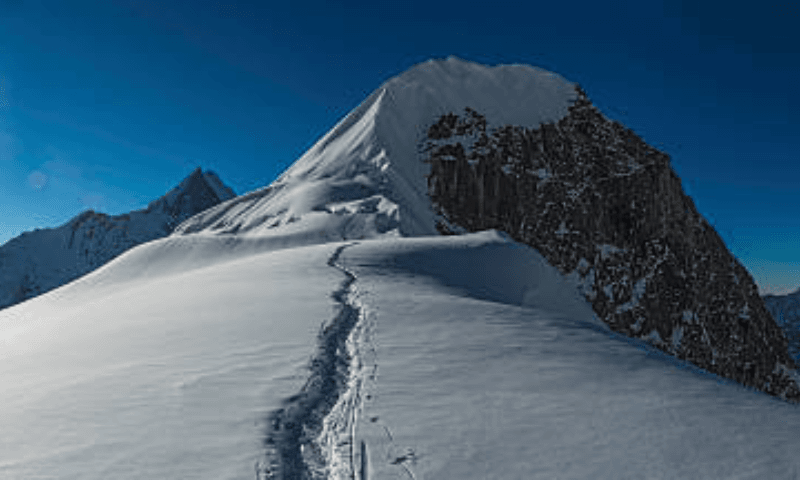
Nepal is located at the intersection of extreme geography and raw, untamed wilderness. Eight of the world’s 14 highest peaks are located here. Rivers formed by Himalayan glaciers run through valleys with an elevation drop of thousands of metres. This vertical landscape gives rise to adventure activities that simply do not exist elsewhere, often placing Nepal in the same league as experiences highlighted in Top 8 Adventure Activities You Must Try in leh Ladakh, where altitude and terrain define the thrill.
From tandem paragliding over the lakeside of Pokhara to bungee jumping into the Bhote Koshi gorge, Nepal provides an adrenaline rush to people of all skill levels. This guide covers 11 destinations where the terrain, infrastructure and local knowledge combine to provide truly world-class adventure. Each location has what to do, when to go, and who it’s best for.
Best For: Paragliding, zip-lining flights, ultra-light flights, boating
By geography alone, Pokhara gains its fame as the adventure hub of Nepal. The Annapurna range rises directly behind the city, creating thermal updrafts that are ideal for paragliding. Phewa Lake is located in the foreground, providing a safe landing zone with spectacular views.
Top Activities:
When to Visit: October to November and March to April have the clearest skies and most stable thermals.
Who It Suits: First-time adventure travellers, families with teenagers and people looking for multiple activities from a single base.
Pokhara is a good place to start before heading into more remote regions. The town possesses good tourism infrastructure, good medical facilities and internationally certified operators.
Best For: Trekking (multi-day), mountaineering, helicopter tours
The Everest Base Camp trek is the standard for high-altitude hiking. The 12-14 day trek takes trekkers through Sherpa villages, Buddhist monasteries and landscapes that change from rhododendron forests to glacial moraines. At 5,364 meters, Everest Base Camp is a place that will get you close to the world’s highest mountain without requiring any technical climbing.
Top Activities:
When to Visit: Pre-monsoon (March-May) and post-monsoon (September- November) provide best trekking windows.
Who It Suits: Physically fit travelers with a taste for long hiking who do not mind altitudes and basic teahouse accommodation.
The Everest region requires permits (Sagarmatha National Park entry and TIMS card) and having a great guide who knows the altitude acclimatization protocols is very helpful. Independent trekking is possible, but not for first-timers.
A well-structured Nepal tour package usually includes the processing of permits, experienced guides, and emergency evacuation coverage – not factors that should be compromised due to budgetary constraints at these altitudes. For Indian travellers, combining this Himalayan journey with a Delhi to Kathmandu Adventure tour often simplifies connectivity and logistics while keeping the focus on the experience.
Best For: Circuit treks, day hikes, diverse ecosystems
The Annapurna Conservation Area has superior ecological diversity compared to any other trekking destination in Nepal. Routes include subtropical forests, alpine meadows and high altitude desert landscapes – in some cases within a single week.
Top Activities:
When to Visit: October-November for clear views; March-April for rhododendron blooms.
Who It Suits: Trekkers of all experience levels – options range from gentle 4-day walks to challenging three-week circuits.
The Thorong La pass (5,416m) on the Annapurna Circuit challenges even experienced trekkers. Acclimatization schemes are critical here. The teahouse system in the region is well-developed and which means you can trek without carrying camping equipment.
Best For: Wildlife safaris, jungle walks, canoe rides
Chitwan changes the profile of adventure tourism in Nepal from vertical to horizontal. This World Heritage Site conserves Bengal tigers, one-horned rhinos, gharial crocodiles and more than 500 birds on 952 square kilometres of lowland in the subtropical lowlands.
Top Activities:
When To Visit: October to March will provide cooler temperatures and wildlife visibility due to thinning of vegetation.
Who It Suits: Wildlife enthusiasts, photographers, families with children, and travellers looking for adventure without extreme physical demands.
Chitwan is an important contrast to Nepal’s mountain experiences. The national park does have stringent entry rules – all safaris must be accompanied by registered guides and vehicles. Plan an extra day here – single day visits seldom yield meaningful wildlife encounters.
Best For: Bungee jumping, canyoning, white water rafting
The Bhote Koshi river is about 100 kilometres northeast of Kathmandu, home to the most well-known bungee operation in Nepal. The jump point is 160 meters above the river on a suspension bridge that was originally constructed for hydropower construction.
Top Activities:
When to Visit: September to November and March to May. Monsoon season (June-August) closes most operations because of the water levels.
Who It Suits: Adrenaline seekers, younger travelers, and those who are looking specifically for short-duration and high-intensity thrills.
The bungee operation is professionally developed using internationally accepted equipment and protocols. Medical clearance is required, and participants should meet weight requirements (35-120kg typically).
Best For: Rafting day trips, introduction to kayaking, riverside camping
Trisuli is the most accessible river in Nepal for rafting – just 3 hours from Kathmandu with Class 3 rapids that can be undertaken by beginners. The river flows through a picturesque valley of temples, villages and terraced hillsides on its banks.
Top Activities:
When to Visit: September to December offers ideal water levels. March to May works but with lesser flows.
Who It Suits: Families, first-time rafters, and travelers who have limited time and are interested in a meaningful experience on the river without the multi-day commitments.
Trisuli is often packaged with Pokhara trips – the river lies directly on the route between Kathmandu and the lakeside city.
Best For: Multi-day rafting expeditions, serious white water
Kali Gandaki rips through the deepest gorge in the world between Annapurna and Dhaulagiri, making for rafting conditions that are found nowhere else in the world and are tackled by experienced paddlers from around the world. This is not beginner territory – rapids of Class 4-5 require prior rafting experience and good swimming skills.
Top Activities:
When to Visit: The best conditions are observed in October – November. March-April has good flows with cool water temperatures.
Who It Suits: Experienced rafters, adventure travellers looking for some real challenge and for those who have already done Trisuli, and are looking for some escalation.
Multi-day expeditions in Kali Gandaki feature riverside camping, support personnel and professional safety kayakers. This river rewards those who prepare and shows respect to it.
Best For: Easy high altitude trekking, Tamang culture, glacier views
Langtang is a great place for Himalayan trekking at a striking distance from Kathmandu – taking flights is not necessary. The valley leads to glaciers, high passes as well as authentic village experiences with the Tamang community.
Top Activities:
When to Visit: March-May and September-November
Who It Suits: Trekkers seeking immersion in the Himalayas without the Everest region crowds and without the flight factor to Lukla.
The 2015 earthquake devastated Langtang village and the community has now significantly reconstructed itself. Trekking here directly supports post-earthquake recovery – an aspect to be taken into consideration when you decide what route to take.
Best For: Off-road jeep tours, cultural immersion, desert landscapes
Upper Mustang was closed to foreigners until 1992, and has thus managed to preserve Tibetan Buddhist culture and high altitude desert landscapes unlike anywhere else in Nepal. The region requires special permits and minimum spending requirements, which limit the number of visitors.
Top Activities:
When to Visit: May- October works here – Mustang is in a rain shadow so it can be visited during monsoon when other parts of the country are waterlogged.
Who It Suits: Cultural travellers, photographers, and adventurers looking for truly remote experiences with historical depth.
Upper Mustang requires a restricted area permit at a daily fee. The region also mandates travel through authorized agencies with licensed guides.
Best For: Trekking (pilgrimage), alpine lakes scenic, spiritual experience
Gosaikunda is located at an altitude of 4,380 meters – it is a cluster of 108 alpine lakes regarded as holy in Hindu and Buddhist religions. The trek goes through dense forests, open ridges and finally barren alpine terrain around the lakes.
Top Activities:
When to Visit: March-May and September-November. August is a time when thousands of pilgrims come, with limited infrastructure.
Who It Suits: Trekkers who are looking for spiritual dimension as well as physical challenge, also those who are interested in living religious traditions.
Best For: Tiger tracking, real jungle experience, fewer tourists
Bardia has everything Chitwan has, with a fraction of people. This western park of Terai is the best bet in Nepal for wild tiger sightings with elephant herds, wild buffalo and Gangetic dolphins.
Top Activities:
When to Visit: October-April. Summer brings a lot of heat and monsoon rains.
Who It Suits: Serious wildlife-lovers, travelers looking to invest extra transit time for authentic experience and those who’ve already been to Chitwan.
A domestic flight to Nepalgunj and road transfer or a long overland journey is required to reach Bardia. This accessibility challenge is exactly what makes it uncrowded.
Permits and Documentation: Most of the trekking areas demand TIMS (Trekkers’ Information Management System) cards and some special permits for the conservation areas. Restricted areas such as Upper Mustang come with extra permit requirements with higher fees.
Altitude and Fitness: Adventures above 3000 meters require respect. Altitude sickness is a problem that affects travellers, no matter how fit they may be – proper acclimatization schedules are non-negotiable. Allow buffer days in itineraries.
Seasonality Overview:
Booking Approach: Multi-activity itinerary involving trekking, wildlife and adrenaline sports benefits from coordinated planning. Nepal holiday packages which consolidate logistics, permits and local expertise are less likely to cause friction and are often safer, especially for first-time visitors navigating unfamiliar systems. Travelers who enjoy festive travel planning sometimes compare such structured journeys with curated experiences like Best Destinations to Celebrate Holi in India for tourists, where timing, coordination and local insight make all the difference.
What is the best time to visit Nepal for adventure activities?
October to November provides the best weather for trekking, rafting and paragliding throughout Nepal. March to May offers a second window of warmer weather and rhododendron flowers in lower elevations. Specific activities such as bungee jumping and canyoning are run year-round except during peak monsoon time (July-August).
Do I need prior experience for adventure activities in Nepal?
Nepal is an adventure destination for any level of experience. Beginners can do Trisuli River rafting, Poon Hill trekking and tandem paragliding in Pokhara without any previous experience. Advanced activities such as the Everest Base Camp trek, Kali Gandaki rafting and independent mountaineering need fitness and preparation and in some cases prior certifications.
How much does a Nepal adventure tour package typically cost?
Costs vary based on trek duration, accommodation type, activities included, and group size. Budget trekking packages with basic teahouse stays and shared guides are more affordable, while multi-activity packages combining trekking, wildlife safaris, and adventure sports carry higher price tags depending on inclusions and comfort levels. Prices also fluctuate seasonally, with peak season (October-November) commanding premium rates. It’s advisable to request detailed quotes from multiple operators and confirm exactly what’s included before booking.
Is Nepal safe for solo adventure tourists?
Nepal has a great record of safety for tourists. Solo trekking is allowed in most areas, although in remote areas and high altitude routes it is recommended to trek with a guide. Adventure operators in the popular destinations such as Pokhara, Chitwan and Kathmandu operate according to the international safety standards. Travel insurance covered in case of emergency evacuation is a must. For those who also explore high-octane experiences abroad such as Dubai Adventure with Ferrari World, the structured safety standards in Nepal’s major hubs will feel reassuringly familiar.
What physical fitness level is required for trekking in Nepal?
Requirements vary by route. Poon Hill and lower Annapurna trails are suitable for moderately fit hiking people with a little hiking experience. Everest Base Camp and Annapurna Circuit require cardiovascular fitness maintained constantly – you can expect to be walking 5-8 hours per day at altitude for 10-14 consecutive days. Training should be started 2-3 months before departure.
Nepal’s adventure landscape works on a massive scale and never ceases to surprise first-time visitors. Vertical relief measured in thousands of meters gives rise to experiences that nowhere else can be experienced – paragliding with 8,000-meter peaks in the background, rafting along the planet’s deepest gorge, trekking along passes higher than any European peak.
The 11 destinations in this guide are representative of the adventure diversity of Nepal; from the easy reach thrills of Pokhara to the remote cultural immersion of Upper Mustang. Matching your level of fitness, time availability and appetite for adventure to the correct destinations is more important than ticking off bucket list names.
What Nepal asks in return is that it be prepared, respect altitude and be realistic about infrastructure in the remote areas. Meet those needs and the experiences live up to their considerable promise.
Udaipur Itinerary: How to Spend 3 Days in Udaipur
22 Sep 2026
The Best Places to See in Varanasi, India
22 Sep 2026
What’s It Like to Travel in Rajasthan, India? A Grounded Look at the Land of Kings
18 Sep 2026
Where to Stay in 15 Most Popular Indian National Parks
15 Sep 2026
Rajasthan Itinerary: How to Spend 3 Weeks
14 Sep 2026


