 +919871148514
 info@memorableindia.com
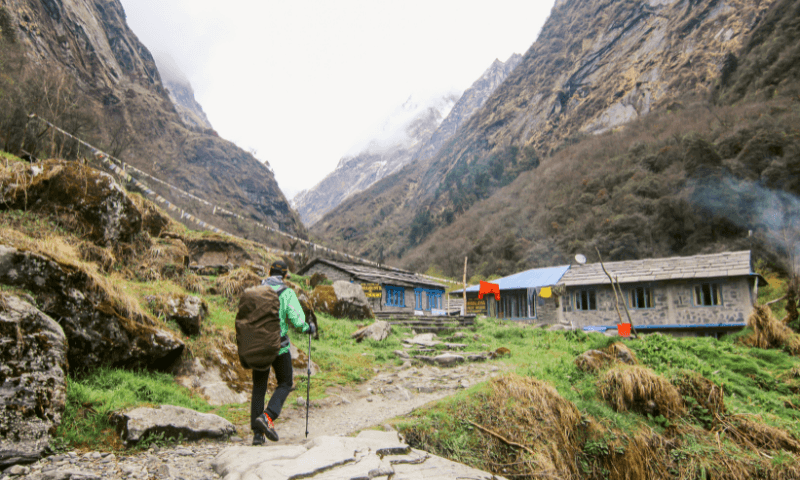
The Kumaon region in Uttarakhand lies at the eastern end of the state and is surrounded by the Greater Himalayan range and enriched with alpine lakes, thick oak forests, and terraced villages that are quite ancient. Kumaon offers a less dramatic experience of Himalayan life than its more popular neighbour Garhwal. yet it beautifully reflects Uttarakhand the Splendour of Mountains in its raw and peaceful landscapes.
This area spans six districts and includes the lower Terai belt close to Jim Corbett and the high altitude meadowlands above 3,000 metres. The reasons why travellers visit here are wildly different: some are looking to explore the wilderness on the treks to Pindari glaciers, while others prefer relaxing in a cottage overlooking Bhimtal Lake and many of them are attracted by village homestays that will provide them with a pure insight into the Kumaoni culture. A well-curated Uttarakhand tour package is a planned itinerary that can assist you in experiencing various aspects of this region without any logistical complications, especially if you are planning your journey during the Best Time to Visit India for mountain regions.
Nainital is the best-known brand in Kumaon tourism. The Naini Lake, which is pear-shaped, is situated at an elevation of 2,084 metres high hill station, which serves as a strategic base for the exploration of the larger area in the colonial period.
The primary source of attraction is the lake. Mornings are the most pleasant times when one can get a good view before the water gets overrun with paddle boats. There are cafes, shops, and the Naina Devi Temple, which can be accessed on foot along Mall Road. For a panoramic view, the Tiffin Top viewpoint offers a 360-degree view of the surrounding hills. Outside the lake, explore the Eco Cave Garden, Governor’s House or take a drive to Khurpatal to avoid weekend traffic.
Peak season: March to June; October to February when the weather offers clear views
In case Nainital is lake-based, Almora is heritage-based. This ancient town is located on a horse-shaped ridge at a height of 1,638 metres and used to be the capital of the Chand dynasty. Almora is characterized by narrow cobbled bazaars, carved wooden shopfronts, and bal mithai.
The Bright End Corner point of view at dawn is not negotiable, where Nanda Devi, Trishul and Panchachuli mountains rise in a magnificent landscape. The 9th-century Katarmal Sun Temple is located at a short drive outside the town and has stone carvings and a remote hilltop view much more atmospheric than many famous temples, much like the spiritual aura people seek while exploring the Best Temples to Visit in Rishikesh Uttarakhand. Kasar Devi is a spiritual area that has also gained prominence near Almora.
Peak season: April to June, September to November
Ranikhet is not as fast-paced as most of the hill stations. It is a cantonment town under the management of the Indian Army, the Kumaon Regiment, which has managed to avoid commercial sprawl. The town is encircled by dense pine and oak forests and this makes the town truly relaxing.
The Chaubatia Gardens have fruit orchards, the KRC Museum has military history and the Jhula Devi Temple has its strange tradition of offering a bell. The panoramic view of the Himalayas at Ranikhet is regarded as one of the best in Kumaon.
Peak season: March to May, September to November
Binsar is located in a 45 sq km wildlife reserve of thick oak and rhododendron woodland that is at 2,420 metres. The Zero Point perspective is a panoramic view of 300 km with Kedarnath, Chaukhamba, Trishul, and Nanda Devi mountains.
The sanctuary sustains leopards, barking deer, Himalayan black bears, and more than 200 birds. There are good walking paths, and are rarely congested. The remains of the former Chand dynasty capital and the sacred Bineshawar Mahadev Temple add historical significance to the destination. The site is an ideal place to visit in case people want to have a nature tour of the Uttarakhand area ,Kumaon region, without a large crowd , somewhat comparable in serenity to the Best Places to Visit in Dalhousie Himachal for those who love quiet hill retreats.
Peak season: April to June, September to November
Mukteshwar at 2,286 metres has emerged as a quieter and more affordable alternative to Nainital. The town has the Mukteshwar Dham temple, which is 350 years old and is located on a cliff edge that overlooks the town.
The region has a reputation for fruit orchards and there are several properties where one can take part in harvests. The natural rock formation attracts rock climbers and rappelling enthusiasts to Chauli Ki Jali. Those who want to have a Kumaon experience in trekking and camping can find easy adventures in short trails around Mukteshwar.
Peak season: March to June, September to November
Kausani offers a direct ridge top view, 1,890 metres, of an expanse of snow-clad mountains 350 km. across, Nanda Devi at the centre of the theatre. Anasakti Ashram, the place where Gandhi spent his time in 1929, is today a museum and meditation centre.
Take tours and tastings of organic Tea at the factory at the Kausani Tea Estate. Other destinations that can be trekked to include Pindari and Kafni Glaciers, which are also based on Kausani. Rudradhari Falls and Caves make for a pleasant half-day trip.
Peak season: March- May, October- November
Travellers who feel that Nainital is too busy can get the same experience in Bhimtal and Sattal which have a smaller number of visitors. Bhimtal is the largest lake in the Kumaon region, containing a tiny island in the middle of it. Sattal is a cluster of seven interlinked lakes, which is extremely rich in bird life with more than 500 species recorded.
Both towns have boating, kayaking and paddleboarding. To fully explore the region, the Kumaon lake circuit includes the itineraries between the water bodies.
Best time: Year-round; September to November in case of birdwatching.
Jageshwar is a place that has one of the greatest clusters of ancient temples in North India. There are more than 100 stone temples constructed during the 7th -12th centuries in a thick deodar forest along the Jata Ganga stream.
The compound is overshadowed by giant deodar trees, several of which are more than 500 years old, which also block sunlight and make the place truly holy. The road to Jageshwar across terraced fields and Kumaoni villages is also an unforgettable one.
Peak season: April to June, September to November
Munsiyari at an elevation of 2,290 metres is near the borders of Tibet and Nepal. It is a distant town, which begins hard treks in the Himalayas to Milam, Ralam, and Namik Glaciers. The Panchachuli mountains are directly overhead in town, giving it dramatic sunrise backgrounds.
The 9-10 hour route from Almora passes through deep gorges and villages where the Bhotia traders have historically helped in linking India to Tibet. This inter-border culture is recorded in the Tribal Heritage Museum. For non-trekkers walking trails to Khaliya Top meadow and Thamri Kund sacred lake provide accessible options.
Peak season: April to June, September to November
In addition to the known hill stations, village tourism homestays inKumaon have increased significantly. Homestays in such villages as Sitla, Pangot, and Sarmoli offer traditional stone houses to their guests, homemade Kumaoni meals, and farm and cook activities.
This tourism is advantageous to both the travellers and communities. Tourists are exposed to areas that cannot be seen by ordinary tours and locals obtain revenue that maintains the traditional structures and customs. The most authentic experience is a Kumaon hill stations tour package which has village stays.
Peak time: Year-round
Getting There: By air to Delhi, then train to Kathgodam railhead. All places are reachable by road from there.
Ideal Duration: 7-10 days is enough to cover 4-5 destinations.
Combining Destinations: Nainital-Bhimtal-Sattal. There is a natural cluster of Almora-Binsar-Jageshwar. Munsiyari needs some time.
Full itineraries, customized Uttarakhand tour packages are available at Memorable India that deal with transport, accommodation, and local direction.
What is the best time to visit the Kumaon region?
March- June: nice weather; September- November: clear mountain view. The winter is characterized by snow at elevations such as Munsiyari.
How many days are required for Kumaon?
For 3-4 destinations, a minimum of 7 days is required. In the case of lakes, temples, trekking, and homestays, a time span of 10-14 days is suggested.
Which destination suits families with children?
Nainital and its lake activities, cable car and Eco Cave Garden are the most family-friendly destinations for family tours.
Can beginners experience Kumaon trekking?
Yes, beginners should take short hikes such as Tiffin top, Khaliya top and Binsar forest trail. Guides and good physical fitness are required for glacier hikes.
Are village homestays suitable for solo travellers?
Absolutely, Sarmoli and Sitla homestays are characterized by hospitable hosts and harmless settings.
The Kumaon region creates an authentic bond with the landscapes and people who have not lost their nature. From the colonial quaintness of Nainital to the age-old temples of Jageshwar, the glacier glimpses at Munsiyari, the silence of the homestays in the villages, this part of Uttarakhand will give the traveller both curiosity and time.
The travel package of the Kumaon region is a carefully crafted combination of experiences that makes sense as a journey. The area caters to families seeking a comfortable vacation, adventurers who want to see the glaciers and explorers who want to learn more about culture.
20 Best Hill Stations in Uttarakhand for Family Vacation, Corporate Trips, Nature Lovers & Adventure
26 Aug 2026
15 Best National Parks and Wildlife Sanctuaries in North East India
25 Aug 2026
16 Best Romantic Hill Stations in India for Honeymoon Holidays
23 Aug 2026
Top 30 Must-See Forts and Palaces in Rajasthan
21 Aug 2026
Top 30 Krishna Temples in India: A Complete Pilgrim and Traveller Guide
21 Aug 2026


