 +919871148514
 info@memorableindia.com
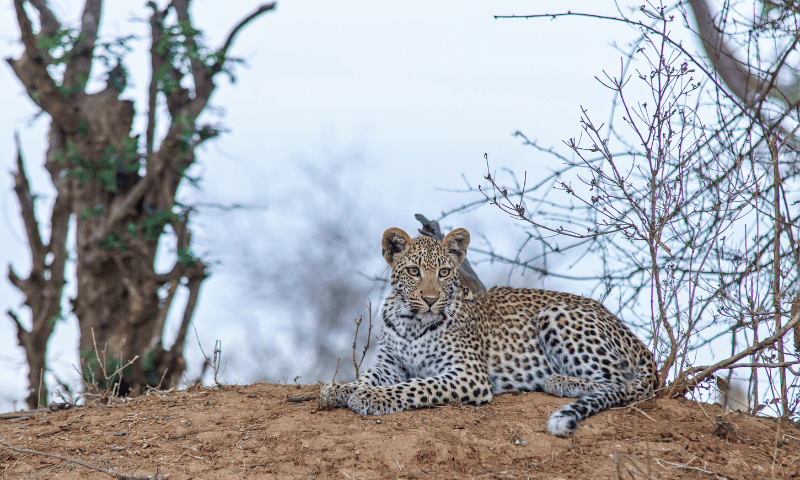
https://memorableindia.com/blog/14-best-routes-places-for-bike-riding-in-india/India’s snow-clad Himalayan areas are inhabited by one of the elusive big cats in the world – the snow leopard. Known locally as the “Grey Ghost” or “Ghost of the Mountains,” this magnificent feline roams the rough terrain of Ladakh, Himachal Pradesh, Uttarakhand, Sikkim and Arunachal Pradesh at altitudes between 3,000 and 5,500 metres.
Ladakh has the largest concentration of snow leopards in India, followed by Uttarakhand and Himachal Pradesh. For wildlife enthusiasts who are looking for that one last or final winter wilderness experience in India, a snow leopard expedition is a rare chance to see this magnificent predator in its natural habitat – a pursuit which requires a blend of adventure, patience and the thrill of the unknown. For many adventure seekers, this experience ranks among the Best Places to Visit during winter for raw and untamed Himalayan exploration.
This guide covers the top 10 destinations in India where it is most likely to see the snow leopard, as well as some practical planning tips for your winter exploration in the Himalayas.
Hemis National Park is generally considered the snow leopard capital of the world. Spread across a vast area in the eastern part of Ladakh, this high-altitude wildlife reserve contains one of the highest densities of snow leopards in any protected area globally.
The Rumbak and Ulley valleys, which are located in Hemis, are especially well known for sightings. Winter expeditions here benefit from an established network of expert local trackers, comfortable home stays in villages such as Rumbak and Ulley and well-organised spotting programmes. The terrain – a dramatic combination of barren mountains, deep gorges and sparse vegetation – forces blue sheep (bharal), the snow leopard’s main prey, to move to lower elevations, bringing predators within view. Many wildlife enthusiasts specifically travel here for an immersive Snow Leopard Trek experience guided by seasoned trackers.
Best Season for Sighting: October to March (peak : January to February)
How to Reach: Fly to Leh Kushok Bakula Rimpochee Airport, then drive towards the access points of the park.
Other Wildlife: Tibetan wolf, Himalayan marmot, golden eagle, Tibetan argali, red fox
One place that deserves a special mention is Rumbak Valley, which is settled within Hemis National Park and is the most celebrated snow leopard trail in India. This remote valley has become synonymous with snow leopard tracking, where wildlife photographers and researchers from all over the world come here.
The homestay programme in the valley offers visitors the opportunity to stay with local Ladakhi families while supporting conservation-based initiatives in the community. Mornings and evenings are spent scanning rocky ridges through spotting scopes, often with the help of local spotters with an almost uncanny ability to spot the camouflaged cats against grey or brown mountainsides.
Best Season for Sighting: January to March
How to Reach: Trek or drive from Leh via Spituk
Unique Feature: Community-led conservation initiative with homestay accommodation
Ulley Valley, located west of Leh around Saspol, is beginning to be an alternative to the more popular Rumbak area. This interconnected valley system from Saspol, Shukpachan and surrounding ridges has excellent snow leopard habitat with fewer crowds.
The valley is especially known to have populations of ibex, which attract snow leopards to hunting grounds. The terrain is slightly more accessible than Rumbak and is suitable for those visitors who prefer to take shorter treks and still get a taste of the true experiences of an expedition.
Best Season for Sighting: December to February
How to Reach: Drive from Leh via the Srimagar-Leh highway
Highlight: Good ibex and bharal population; growing reputation among wildlife photographers
The cold desert landscape of Spiti Valley in Himachal Pradesh has gained recognition as one of the prime snow leopard destinations of India outside Ladakh. The area around Kibber, Chicham and Langza villages at high altitudes offers extraordinary opportunities for tracking.
What makes Spiti unique is the spectacular hunting behaviour that can be seen here. Snow leopards in Spiti are famed for their dramatic ibex hunts down cliff faces – a rare spectacle that has brought film crews and wildlife photographers from around the world. Local spotters from villages such as Kibber have been involved and have extensive experience, and work closely with conservation organisations.
The journey to Spiti is an adventure in itself, a road trip from Chandigarh through some of the most dramatic mountain scenery in India, and is often counted among the Best Routes Places for Bike Riding In india for riders who crave high-altitude thrills.
Best Season for Sighting: January to March
How to Reach: Roadways from Chandigarh via Shimla and Kinnaur to Kaza; alternatively via Manali when Rohtang Pass is open
Other Wildlife: Himalayan ibex, blue sheep, Lammergeier vulture, golden eagles
Kibber Wildlife Sanctuary is a large area covered in Spiti known as a protected zone for the conservation of snow leopards in Himachal Pradesh. The sanctuary is located in the village of Kibber, which is one of the highest inhabited villages in Asia with road access.
The gorges of this sanctuary are very deep near the Chicham village and the cliffs above Tashigang are hotspots in terms of sightings. Expeditions normally mean homestays with village people and spending day trekking to observation points. The cold desert landscape, low vegetation and abundance of prey present ideal conditions for seeing the cats when they come down to hunt.
Best Season for Sighting: October to January (sometimes until March)
How to Reach: Drive from Kaza to Kibber
Conservation Note: Active involvement of local community in snow leopard conservation through livestock insurance schemes
Pin Valley National Park lies in the Lahaul and Spiti district which is part of the Himalayan Cold Desert Biosphere Reserve. This park has a small but significant population of snow leopards inside its borders which are protected.
The park’s landscape changes from alpine meadows to barren land at higher altitudes, and is a habitat for bharal and ibex. While sighting probabilities here are lower than in Hemis or Kibber, Pin Valley means a more secluded experience of wilderness away from the growing expedition traffic of other places.
Best Season for Sighting: October to December
How to Reach: Two routes available through Kullu-Manali-Rohtang route (open June to October) or by Shimla-Nako-Tabo route (open April to November).
Nearest airport: Chandigarh
Nearest railway station: Chandigarh
Nearby Attractions: Dhankar Monastery, Tabo Caves, Chandratal Lake
Gangotri National Park in Uttarkashi district has become Uttarakhand’s best snow leopard tourism destination. The park contains the Nelong Valley – a restricted area that also borders the Indo-Tibetan region, which has recorded regular sightings in the past few years.
The park is also an ecological corridor between the Govind Pashu Vihar and Kedarnath Wildlife Sanctuary, which helps snow leopards to move across a larger landscape. Camera trap surveys have proved the park to be a viable habitat for the species.
Best Season for Sighting: October to December
How to Reach: Drive by NH 108 via Uttarkashi, nearest airport and railway station: Dehradun
Permits: Special permits needed for Nelong Valley; arrange through Uttarakhand Forest Department
Other Wildlife: Blue sheep, Himalayan Tahr, Black bear, Musk deer, Brown bear
Govind Pashu Vihar in the upper Garhwal region of Uttarakhand was one of the first protected areas created especially for snow leopard conservation in India. The park conserves high altitude habitat where snow leopards are resident all year round.
The park is of further importance being one of the important locations under Project Snow Leopard, India’s national conservation programme for the species. Apart from snow leopard, the Govind Pashu Vihar is the stronghold of the bearded vulture (Lammergeier) and contains rare bird species such as the western tragopan and the Himalayan snowcock.
Best Season for Sighting: September to December
How to Reach: Drive to Dharakadi (nearest town, nearest airport, and railway station: Dehradun
Trekking Routes: Several trails into the park for experienced trekkers
Khangchendzonga National Park is named after India’s highest peak, is a UNESCO World Heritage Site in western Sikkim. The park has such an extraordinary altitudinal range that creates diverse ecosystems that harbour a small but resident population of snow leopards.
Sikkim is home to a small population of snow leopards and the main habitat for them is the Khangchendzonga. The park’s remoteness and difficult terrain make expeditions here adventurous, and yet the combination of Buddhist culture, high altitude monasteries and pristine wilderness makes it an experience unlike anywhere else.
Best Season for Sighting: October to December
How to Reach: Access via Gangtok; entry points at Yuksom and Chungthang
Cultural Attractions: Tashiding Monastery, Dubdi Monastery, Yuksom
Namdapha National Park in the Changlang district of Arunachal Pradesh offers a unique proposition to itself – it is the only protected area in India where four big cat species (tiger, leopard, clouded leopard and snow leopard) co-exist. The park spans a vast area of different heights, ranging from low valleys to alpine meadows.
Snow leopards live in the highest reaches of the park and turn the area into an alpine. While the chances of sighting are not as good as Ladakh or Himachal, Namdapha is an exceptional wilderness experience for those travelers who are willing to venture into the remoteness of northeast India. For explorers planning a broader regional journey, this region can also be combined with a Best of North East India Tour to discover its diverse landscapes and cultures.
Best Season for Sighting: October to December
How to Reach: Fly to Dibrugarh (Assam); nearest railway station: Tinsukia road journey to Miao (park headquarters):
Permits: Inner Line Permit required for Arunachal Pradesh
Other Wildlife: Tiger, clouded leopard, hoolock gibbon, red panda
Winter months from October to March provide the best chances of seeing snow leopards in all destinations. During this time, there is a lot of snow at higher altitude and blue sheep and ibex move down to lower slopes in search of food. Snow leopards follow their prey so that they bring them within range of spotting scopes and camera lenses.
January and February are peak months especially around Hemis and Spiti though temperatures occasionally drop significantly below freezing. Visitors should be ready for cold temperatures and high altitude, and for physically demanding situations.
For those who prefer more temperate weather, the months of October and November provide a good balance between the comfort of the weather and the prospect of viewing.
A snow leopard expedition must be planned well and with realistic expectations. These cats are masters of camouflage, and even experienced trackers may go days without a sighting of these elusive cats, as they go about their business on mountainsides.
Duration: Plan for a minimum of 7 – 10 days to maximise chances. Longer stays greatly improve odds.
Physical Fitness: Some moderate fitness is required. Expeditions consist of trekking at altitudes of over 4,000 metres in cold conditions. Acclimatisation days are required especially in Ladakh and Spiti.
Accommodation: Most expeditions use village homestays, with opportunity to realize authentic immersion into the culture as well as track the wildlife. Comfort levels are basic but are sufficient.
Guides and Spotters: Local knowledge is very valuable. Hiring experienced spotters who know the terrain and snow leopard movement patterns results in increased success rates.
Costs: Snow leopard expeditions are luxury trips, and prices vary depending on the length of the trip, destination and inclusions. Budget for more expensive costs, considering the specialised nature of these trips
For travellers who want a structured itinerary that combines the activities of snow leopard tracking with exploring the culture of Ladakh, wildlife tour packages are available that offer very comprehensive options depending upon the level of experience and the budget.
Snow leopard tourism, if done responsibly, is aiding conservation by offering economic incentives to local communities to preserve the wildlife, and not consider it a threat to their livestock. Community-based programmes in Rumbak, Ulley and Kibber have shown that conservation of snow leopards and traditional livelihoods can go hand in hand.
As a visitor, respecting distance from wildlife, following the direction of guides, and opting for operators that make contributions to local conservation efforts are critical. The experience of waiting in silence as the sun rises on a frozen Himalayan valley – and then, maybe, the sight of a glimpse of silver-grey fur on rock – is a privilege that comes with responsibility.
For those who are attracted by the adventure of Ladakh’s landscapes outside of wildlife, the region also offers some excellent winter trekking experiences that are combined with snow leopard tracking and cultural immersion and high altitude exploration.
Q1: What is the best month to see snow leopards in India?
January and February are considered the best months to see snow leopards in India. During this time, high altitude snow-induced movement of prey animals such as blue sheep and ibex drives them to move down to lower altitudes more easily accessible for prey capture by snow leopards.
Q2: Where are snow leopards found in India?
Snow leopards are found in the high altitude Himalayan areas of India, mainly Ladakh, Uttarakhand, Himachal Pradesh, Sikkim, Arunachal Pradesh and Jammu & Kashmir. Ladakh contains the highest concentration, followed by Uttarakhand and Himachal Pradesh.
Q3: Is Hemis National Park the best place for snow leopard sighting?
Yes, the Hemis National Park of Ladakh is known to be one of the best places in the world for snow leopard sightings. It has a high density of snow leopards, and benefits from well-developed expedition infrastructure and experienced local trackers.
Q4: How long should I plan for a snow leopard expedition?
Plan for at least 7-10 days to maximise your chances of sighting. Longer expeditions have a big impact on odds, as the snow leopard is elusive and sightings are determined by factors such as the weather, movement of the prey and luck.
Q5: Can beginners join a snow leopard tracking expedition?
Yes, beginners can take part in snow leopard expeditions though moderate physical fitness is essential. Expeditions are done at high altitudes in cold temperatures, with daily treks to observation points. Acclimatisation time should be built into the itinerary and choosing a reputable operator with safety protocols is important.

Udaipur Itinerary: How to Spend 3 Days in Udaipur
22 Sep 2026
The Best Places to See in Varanasi, India
22 Sep 2026
What’s It Like to Travel in Rajasthan, India? A Grounded Look at the Land of Kings
18 Sep 2026
Where to Stay in 15 Most Popular Indian National Parks
15 Sep 2026
Rajasthan Itinerary: How to Spend 3 Weeks
14 Sep 2026


