 +919871148514
 info@memorableindia.com
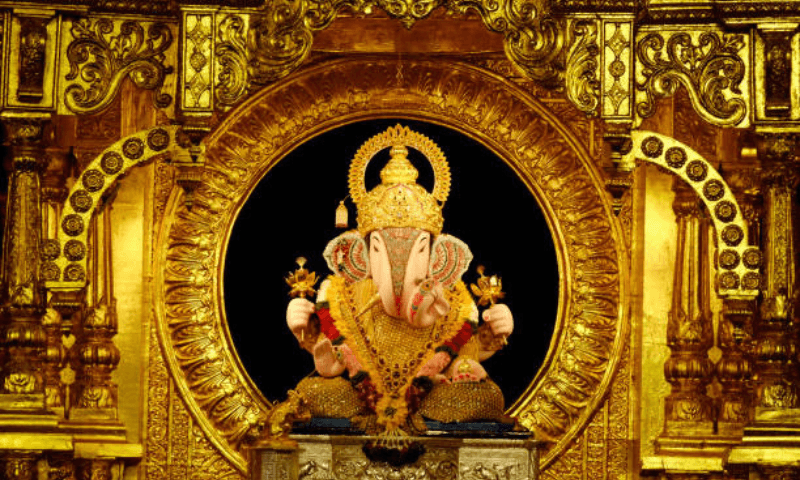
India’s spiritual map is full of tiny shrines dedicated to Lord Ganesha, the beloved elephant-headed deity who removes obstacles and blesses new beginnings. Among these, some ancient temples of Ganapati are unique not merely because of their antiquity, but also due to their architectural excellence, historical importance, and the great power that devotees feel within their walls.
This guide examines twelve of India’s most hallowed ancient Ganesha temples, each of them offering a unique mix of mythology, art and living tradition. Whether you are contemplating a special pilgrimage or simply wish to better understand these sacred spaces, it provides both practical insights and spiritual context. Read ahead to know more:
Ancient temples are not just old buildings, they are living archives of the artistic, architectural and devotional evolution of India. The Ganapati temples featured here span different time periods, building styles, and regional traditions, yet all have one thing in common they have been places of constant worship for centuries, sometimes millennia. In many ways, they stand alongside the great Ancient Cities in India a Walk Through the layered histories of faith, culture, and civilization.
For heritage and spiritual travellers, these temples are beyond a typical tourist attraction. They offer genuine experiences with India’s religious practices, opportunities to view traditional rituals and opportunities to appreciate architectural styles that influenced temple construction throughout Asia.
Located in the Pune district of Maharashtra, the Moreshwar Temple at Morgaon marks the start of the Ashtavinayak pilgrimage circuit, eight sacred temples of Ganesha that are visited traditionally in sequence by devotees. The structure of the temple is of Bahmani origin, although the deity is thought to be much older.
The idol here shows Ganesha sitting on a lotus facing east with his trunk bent to the left – a fairly rare composition. The complex of the temple consists of a large courtyard and some unique architectural features of the Peshwa era renovations.
Another jewel in the Ashtavinayak circuit, the Siddhivinayak Temple at Siddhatek is located on the banks of the Bhima River in the Ahmednagar district. The self-manifested idol here has a special characteristic – the trunk is bent to the right, which is associated by the temple traditions with more powerful but temperamental divine energy.
The temple architecture reflects typical Maratha period construction with additions that have been made later to preserve the sanctum. Siddhatek’s position on the banks of a river enhances the spiritual experience with its natural beauty, especially during aarti in the early morning or evening, when the temple bells ring across the water.
The Ballaleshwar Temple in Pali village is unique in the Hindu tradition; it is the only Ganesha temple in which the deity has a devotee’s name. According to the legend, the young Ballal’s extreme penance for Ganesha invoked his presence and accepted his worship later on, giving him his name.
The architecture of the temple is a combination of Maratha and Peshwa period. The sanctum contains an idol of stone self-manifested facing towards the eastern direction with diamonds embedded in the eyes and navel, which you will notice during close darshan. The surrounding Sahyadri hills make Pali especially scenic and provide a more contemplative pilgrimage atmosphere.
Positioned along the Mumbai-Goa highway in Raigad district, the Varasidhi Vinayaka Temple at Mahad is visited by both devotees of god and highway travellers. This temple of Ashtavinayak is situated on a small hill, so climbers have to trek a little distance, which is considered a part of the pilgrimage by devotees.
The idol shows Ganesha with his trunk turned towards the left and is seated in the cross-legged posture. Temple records indicate that there was continuous worship at this site for more than four hundred years. As the temple is located on the top of the hill, it offers some beautiful views of the surrounding Konkan landscape.
The Kanipakam Vinayaka Temple, located in Chittoor district, is one of the most important Ganesha shrines in Andhra Pradesh. The special feature of the temple is its self-manifested idol, which, according to devotees, is still growing and it now stands half-immersed in water in a small well inside the sanctum.
The temple complex boasts of the common South Indian architectural elements such as a gopuram, that is an entrance tower, pillared mandapas, and a sacred tank. The partially submerged position of the idol has given rise to a unique ritual behaviour – the abhishekam thta is performed by the priests standing in the water surrounding the deity.
Kanipakam works well as a part of a tour to the other parts of South India, including Tirupati, but only as a part of a larger South India temple tour. The temple town has a relatively peaceful atmosphere compared with the other main centres of pilgrimage, although festivals attract large crowds.
Near Karaikudi in Tamil Nadu, there is the Karpaka Vinayakar Temple at Pillaiyarpatti which has one of the largest ancient rock-cut Ganesha idols in India. Carved directly out of granite, this is a sculpture from the 6th century that is about six feet tall and an example of art from the early Pallava period.
The original rock-cut nature of this temple can still be seen in the original sanctum, although later dynasties added to it. The major idol is unlike the usual depictions of Ganesha – it has no distinct trunk, and elephant features are more subtly incorporated into the overall shape.
This temple is particularly of interest to those who are fascinated by temple architecture tour india heritage and early south indian sculpture techniques. or travellers extending their journey toward Kerala, it can also complement explorations such as Ancient Temples in Palakkad Kerala for a Soulful spiritual experience across southern India. The unique cuisine and pre-Columbian homes of the Chettinad region make Pillaiyarpatti a place worth including in cultural itineraries.
Perched on the summit of the Rockfort in Tiruchirappalli, the Ucchi Pillayar Temple needs to be climbed reaching the top of about 400 steps used to be carved into the ancient rock face. This seventh-century temple attributed to the Pallava dynasty contains a small idol of Ganesha carved out of a single stone.
The temple’s spectacular siting has a dual function – the climb itself is an act of physical devotion and the top offers panoramic views of Tiruchirappalli city, Kaveri river and the surrounding plains. The rock-cut architecture is amazing engineering as the temple is actually carved out of the huge granite rock outcrop.
Located in the middle of the French Quarter of Puducherry, the Manakula Vinayagar Temple is an interesting blend of cultures – of ancient Tamil customs and French colonial architecture. The origins of the temple go back a good 300 years, although the god is said to be older.
The idol stands in a posture that is quite rare among the other temples of ancient Ganapati.
The temple retains traditional rituals, even though it is in the city, and notably, has a temple elephant who blesses devotees – a practice increasingly rare all over India.
Bengaluru’s Dodda Ganapathi Temple, located at Basavanagudi contains a grand idol, 18 feet high and 16 feet wide. Created out of butter and limestone mortar, this 16th-century idol’s continuous worship is what makes it one of the largest sculptures of Ganesha.
The temple shows the construction styles of the Vijayanagara period with later additions that date back to the Kempe Gowda dynasty that founded Bengaluru (Bangalore). Despite the modern changes facing the city, the temple continues to follow traditional practices and a relatively peaceful environment outside of major festival events.
Unlike most entries on this list, the Ranthambore Ganesh Temple is located in the midst of a fort complex, as opposed to in a more typical temple setting. Located in Ranthambore Fort in Rajasthan, this ancient temple is visited by devotees who send wedding invitations to Lord Ganesha here – the first invitation that Lord Ganesha receives is special.
The temple’s location as a fort allows visitors to combine their exploration of the place spiritually and historically. The surrounding Ranthambore National Park adds natural heritage to the mix and makes this area suitable for many travel interests other than pure pilgrimage. For travellers designing broader cultural itineraries, such routes can even be paired creatively with themes like Gujarat Temples with Safari Tour, blending devotion, history, and wildlife experiences across western India.
The Kottarakkara Ganapathy Temple in Kerala’s Kollam district is of traditional Kerala temple architecture – characteristic sloping roofs, wooden construction elements and a surrounding prakaram. The antiquity of the temple is seen in the reference to it in ancient texts in Malayalam language.
Kerala temple traditions are slightly different than North or Central Indian with specific ritual timings, dress codes, and worship styles. The Kottarakkara temple practices these traditions strictly so that visitors could get an insight into the regional variations in Hindu worship practices.
The Mangi Tungi Ganapati Temple is located at the top of twin mountains in the state of Maharashtra’s Nashik district, and is one of the more adventurous pilgrimage destinations on this list. The temple involves several hours of trek, as the path to climb the mountain passes
many smaller shrines with increasingly wide views.
The summit temple complex contains both Jain and Hindu shrines, which speak to the historical importance of the site to different traditions. The main Ganesha idol is of antiquity in terms of sculptural styles; the present temple structure shows renovations of different periods.
Most ancient Ganapati temples can be visited throughout the year, though winter months (November through February) offer comfortable weather conditions for undertaking a tour to most parts of India. Major festivals of Ganesha especially Ganesh Chaturthi in August-September, provide festive moods but also bring huge crowds. In certain regions, aligning your visit with cultural celebrations like Holi Festival Celebration in Mathura can also enrich a broader spiritual journey through India’s sacred landscapes.
Several temples work well as connected circuits. Maharashtra Ashtavinayak circuit (Morgaon, Siddhatek, Pali, and Mahad). It can be completed in 2-3 days from Pune. When it comes to planning famous temples India pilgrimage tour itineraries, the use of temples from different states is a great way of bringing together comprehensive heritage experiences.
Traditional dress code is followed at most temples – the men wear dhoti or simple pants and shirts, while the women wear sarees, salwar kameez or other traditional dresses. Some temples, especially in Kerala and Tamil Nadu, have strict dress codes even to the extent of removing one’s shirt for men in the inner sanctum. Many temples do not allow leather items in the premises of the main temple.
Photography is not allowed everywhere in the temples. Generally, photography of the exterior is allowed, but photography of the sanctum is not allowed. When in doubt, ask temple authorities instead of taking permission for granted.
Accommodation and Access
There are major pilgrimage centres such as Tiruchirappalli, Puducherry and Nashik, where one can stay in everything from a budget dharamshala to a comfortable hotel. Smaller temple towns such as Morgaon and Pali don’t offer much choice – many pilgrims base themselves in nearby cities and make day trips.
What makes a Ganapati temple “ancient” versus simply old?
Temple age classifications are not very standardized, but “ancient” usually means temples that have been continuously worshipped for at least 300-400 years, often with origins in previous centuries, even if current structures are more modern. Many of the temples featured here have archaeological or inscriptional evidence of their foundation from 500 to 1500 years ago. The most important factor is the continuity of worship and cultural importance preserved from one generation to the next.
Can non-Hindus visit these ancient Ganapati temples?
Most temples included in the list welcome respectful visitors of any religion, although some (especially some of the temples in Kerala) limit access to the inner sanctum to Hindus only. General complex access is normally open to all. When visiting, keep the same dress codes and behavioural expectations as required of those visiting to Hindu sanctuaries – modest dress, shoes removed before entering the sanctum areas and silence in sanctuaries, where photography is only permitted.
How long should I allocate for visiting an ancient temple?
This differs greatly depending on location and personal interest. A short darshan could take 20-30 minutes with waiting times (during the normal periods), whereas in-depth visits, exploring the architecture, attending rituals and absorbing the atmosphere could easily take 2-3 hours. Temples that involve serious climbing (such as Tiruchirappalli’s Rockfort, or Mangi Tungi) must be allocated half a day.
Are these temples suitable for elderly visitors or those with mobility limitations?
There is a wide range in accessibility. Urban temples such as Manakula Vinayagar in Puducherry or Dodda Ganapathi in Bengaluru are relatively easy to access. Hilltop Temples (Varasidhi Vinayaka, Tiruchirappalli Rockfort, Mangi Tungi). Strenuous climb not appropriate for people with mobility problems. Some temples offer services of palanquins for the elderly or disabled visitors, but it depends on the availability.
What’s the difference between Ashtavinayak temples and other ancient Ganapati shrines?
The Ashtavinayak refers specifically to eight holy Ganesha shrines within the region of Maharashtra at Pune, visited as a circuit of shrines, traditionally. Four of these (Morgaon, Siddhatek, Pali, Mahad), are found on this list. While Ashtavinayak temples are ancient and extremely significant, there are many other important ancient Ganapati temples that are not included in this particular grouping.
How do temple rituals differ between North and South Indian Ganapati temples?
South Indian temples generally have much more elaborate ritual sequences and there is a specific time allotted for various poojas throughout the day, dress codes are more formal, and darshan procedures are more formal. North & Central Indian temples tend to have a rather more relaxed ritual structure with more flexible timing. Kerala temples have different traditions such as special lamp lighting rituals and varied abhishekam rituals.
Is advance booking required for temple visits?
Most of the ancient temples do not require advance booking for general darshan but some have special darshan tickets that reduce waiting times. During major festivals especially Ganesh Chaturthi, some temples have crowd management systems where one has to have tokens or time slots. For group visits or special poojas it is advisable to contact the temple authorities in advance.
These ancient Ganapati temples are only a small part of India’s deep spiritual heritage, but still they have great lessons to teach us about the Indian devotional traditions, the development of Indian architecture and the living Indian culture. Whether you’re attracted to the Ashtavinayak circuit’s concentration in terms of pilgrimage or individual temples that appeal to your specific interests, each visit adds layers to understanding the complex tapestry of India.
For those travelers looking for authentic spiritual and heritage experiences, these best temples to visit India offer meaningful experiences with traditions that have shaped Indian civilization for centuries. They are a reminder that the monuments of India are not just historical artifacts – they are living spaces where the past and present coalesce in daily rituals.
Ready to dive into the ancient temple culture of India with the help of local experts and well-planned itineraries? Discover our pilgrimage tour packages for people who appreciate depth, authenticity, and comfort as they journey on their spiritual journeys.
15 Amazing Temple Fairs in India: A Traveller’s Guide to Faith, Colour and Living Tradition
30 Sep 2026
13 Best Places to Explore in the Youngest State of Telangana
29 Sep 2026
12 Less Explored Destinations in Maharashtra Worth Adding to Your Travel List
28 Sep 2026
11 Must-Visit Museums in India for Wildlife Lovers
27 Sep 2026
11 Best Places in India to Celebrate Christmas
26 Sep 2026


