 +919871148514
 info@memorableindia.com
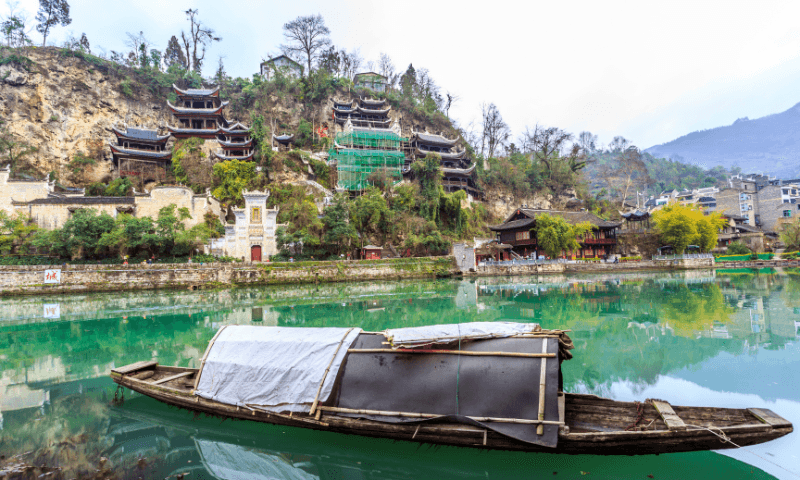
North-East India is one of the least explored regions of the country and a unique escape from the regular tourist circuit for its travellers. This group of eight states, consisting of Assam, Meghalaya, Arunachal Pradesh, Nagaland, Manipur, Mizoram, Tripura, and Sikkim, offers landscapes of tea-covered hills and alpine forests in addition to cultural traditions found nowhere else in India.
For weekend travellers resident in Kolkata, Guwahati, or other eastern cities, the North-East offers accessible escapes that are worlds away from city life. While many urban explorers look for Cities to Explore in Haryana for a Weekend, those willing to head east are rewarded with dramatically different scenery and cultural depth. These six destinations provide the proper mix of natural beauty, cultural immersion, and logistical feasibility for short trips.
Shillong is a mix of colonial and Khasi tribal culture, creating a hill station atmosphere very different from its Himalayan counterparts. The city is located at around 1,500 metres elevation level, which offers pleasant weather all year round, along with being a great base for exploring the numerous attractions of the area in Meghalaya.
Ward’s Lake offers serene walks through landscaped gardens, and the Police Bazaar gives one insight into local commerce and Khasi culture. Cathedral Catholic Church and other colonial buildings remind visitors of the history of Shillong as a British administrative centre.
Beyond city limits, the surroundings of Shillong include Elephant Falls, Shillong Peak with panoramic views, and spectacular caves in Cherrapunji, which is located in the nearby area. The drive to Cherrapunji takes about two hours and makes it possible to take day trips to see the waterfalls and living root bridges.
Shillong’s music scene needs to be mentioned – the city has produced some rock bands of interest and has some live music establishments open. If your weekend coincides with local performances, experiencing the culture of contemporary music brings an unexpected dimension to the trip.
Shillong is connected by road from Guwahati (100 kilometres or so away), the nearest major airport and railway station. Accommodation varies from budget guest houses to comfortable hotels. The months of October to May provide the most reliable weather.
Kaziranga protects the largest population of one-horned rhinoceros in the world, but Kaziranga’s biodiversity goes well beyond this flagship species. Elephants, wild water buffalo, swamp deer, and various predators, including tigers, live in the grasslands, wetlands and forests of the park.
Safari experiences here are quite different from those in Rajasthan or the national parks of Central India. Kaziranga’s open grasslands give excellent visibility in the area, while the wetland ecosystems attract many species of birds. The park offers both jeep and elephant safaris, each of which will provide an individual perspective on the landscape and wildlife.
Early morning safaris are usually the best to see wildlife, with animals being most active during the cooler hours. The park is broken down into different zones – Western Range and Central Range are most commonly visited; however, Eastern Range is quieter during peak seasons.
The park is open from November to April, with the property closing for the monsoon months when the flood changes the landscape. Weekend trips are ideal if you arrive Friday evening, go on two safaris Saturday, then one Sunday morning and then leave after lunch.
Accommodation is concentrated around the various ranges of the park, ranging from guesthouses of the forest department to private resorts. It is good to make bookings for safaris, especially in the peak winter months. The surrounding areas of park consist of tea estates and Assamese villages, which are worth little exploration.
Gangtok is a twin capital and gateway of Sikkim and an entrepot for discovery of the dramatic mountain landscapes of Sikkim. The town has modernized quite a bit, although still with the cultural element of Buddhism and incredible views of the Himalays if clouds cooperate.
MG Marg, the main pedestrian street of the town, provides the central point of social life with shops, cafes and evening walks. Enchey Monastery and Rumtek Monastery provide insights into Sikkimese Buddhism with Rumtek being fairly significant in Tibetan Buddhism traditions.
The Ridge area offers vistas towards Kanchenjunga and adjacent peaks – the weather can vary greatly and it is more likely to have clear views in autumn and spring. The Flower Exhibition Centre at Gangtok has on display the fabulous diversity of orchids in Sikkim.
Gangtok is excellent as part of the wider East India tour Kolkata northeast itineraries – especially so when coupled with Darjeeling. The drive from one of these destinations takes about four hours which makes Kolkata Darjeeling Sikkim tour circuit popular among travellers looking for full-fledged experiences of the mountains.
For trip that last for the weekend only, one can opt for day trips to Tsomgo Lake (about 40 kilometres from Gangtok) or Namchi in South Sikkim. Both need permits for non-Sikkimese visitors, easily arranged through tour operators or hotels.
Gangtok is linked to the major cities by Bagdogra Airport (around 125 kilometres) and New Jalpaiguri Railway Station. The drive is done in 4-5 hours via winding roads up the mountains. Spring and autumn provide the most pleasant weather and environmentally clean views of the mountains.
Majuli is a renowned legacy of one of the world’s largest river islands, which is formed by the Brahmaputra River’s braided channels. More significantly, it is the cultural treasure of unique Neo-Vaishnavite culture in its satras (monasteries) and traditional Mising tribal villages.
This destination is suited for the traveller who is more interested in cultural immersion rather than traditional sightseeing. Majuli’s attractions are largely experiential – seeing the traditions of mask-making, the monastic way of life, the pottery villages, and the adaptation of communities to the annual cycles of flooding. It is also a meaningful addition to a North East India Tribal Tour Package, especially for those curious about living heritage rather than monuments.
The satras or monasteries of the island, which were founded several hundred years ago by an Assamese saint Srimanta Sankaradeva, preserve their own religious and cultural practices which are different from the rest. Kamalabari Satra and Auniati Satra welcome respectful visitors in providing glimpses of the devotional music and dance forms such as Sattriya and efforts in preservation of manuscripts.
Majuli can take a bit more of a logistical effort than other destinations listed here. Ferry access of Jorhat takes a long time, about 1-2 hours, depending on the river. Weekend excursions are possible but rushed – this is a destination to explore at a slower pace.
Accommodation is mostly in guesthouses of basic standards and a few eco-lodges. Winter months (November-February) provide pleasant weather and are related with the festival calendar on the island. If your weekend coincides with Raas Festival (November) you’ll see Majuli at its most culturally alive.
Tawang is located at an altitude of around 3,000 metres at the extreme western part of Arunachal Pradesh close to the borders of Tibet and Bhutan. This high-altitude destination focuses on Tawang Monastery, which is one of the largest Buddhist monasteries in India and a major location under the Tibetan Buddhist traditions.
The journey to Tawang is part of the experience – the drive from Tezpur goes through Sela Pass through dramatic alpine landscapes. The route goes past frozen lakes, military installations and gradually changing vegetation zones as the altitude rises.
Tawang Monastery is home to about 300 monks and contains precious Buddhist manuscripts, thangkas and scriptures. The setting of the monastery – on a ridge with views into the valleys – adds to the visual impact of the monastery. Nearby, there are the Urgelling Monastery (birthplace of the sixth Dalai Lama) and several war memorials.
Tawang really deserves more than an ordinary weekend. The travel time from Guwahati to this destination is about 12-14 hours, so this place is more suitable for long weekends or 4-day trips.
Permits are mandatory for a visit to Arunachal Pradesh. Indian citizens can download such from online applications, but it takes several days for processing. Tawang’s high altitude means cooler temperatures at all times of the year with the winter months bringing not only snow but also possible road closures.
Ziro Valley is an example of the Apatani tribal culture in a landscape of rice fields with pine-covered hills. This destination is attractive to those who are looking for genuinely cultural interactions and for those who are interested in sustainability models for tourism.
The Apatani people have unique traditions such as complex systems of wet rice cultivation, traditional bamboo and timber architecture and unique facial tattoo practices among older women. Villages such as Hong and Hari offer opportunities to witness daily life, albeit with respect.
Ziro is also the venue for an annual Ziro Festival of Music (September) which has become one of India’s premier independent music festivals. The festival is a combination of the two and there are outdoor concerts as well as cultural programs; musicians and audiences come from all parts of India.
Ziro is reasonably functional for weekend trips being more accessible than Tawang. The nearest airport is from Lilabari (around 100 kilometres away). The valley is quite compact so it can be thoroughly explored in 2-3 days.
Activities involve walking around the village, visiting Talley Valley Wildlife Sanctuary and simply imbibing the peaceful nature of the valley. Homestays with Apatani families provide the best kind of experience, a comfortable homestay with cultural exchange.
Like all destinations in Arunachal, Ziro also requires permits for the visitors. Post-monsoon months have clear skies and the music festival is during this time.
These are six different destinations for varying interests. Wildlife lovers head for Kaziranga, culture-minded tourists for Majuli or Ziro and those in search of mountain beauty for Gangtok or Tawang. Shillong provides the best of experiences in the close proximity of Guwahati.
When choosing among best places East India visit, have a look at your starting point, time at disposal and main interests. Kolkata-based travellers find Shillong and Gangtok most accessible while the ones in Guwahati could easily reach Kaziranga, Majuli or Shillong.
Most destinations of North-East do not require any special permits for the Indian citizens. Exceptions are Arunachal Pradesh (inner line permit needed for all visitors) and some restricted areas close to international borders. Apply for needed permits long before travel dates.
The geography of North-East India implies greater travel times than distances would indicate. Mountain roads are winding for long distances and river crossings and weather influence the travel times. Sometimes lesser itineraries make for more satisfying experiences.
Shared taxis and buses are available to most destinations but private vehicles are more flexible for weekend excursions. Many travellers fly into Guwahati or Bagdogra from where they go by road to the final destinations.
Accommodation standards are quite different in the North-East India. Cities such as Shillong and Gangtok have a rounder range from economy to a comfortable hotel. Smaller destinations such as Majuli and Ziro offer simpler choices, often homestays or simple guesthouses.
The tribal communities of North-East India have rich living traditions that are to be respected. Photography should always be an activity that asks permission, especially in villages and religious places. Dress modestly when visiting monasteries or traditional communities.
Many of the North-East destinations advocate community-based tourism models in which local families directly benefit from visitor spending. Supporting these sustainable approaches through your choice of homestays, hiring local guides and buying handicrafts from artisans.
While this guide is dedicated to weekend destinations, the North-East fits hand-in-hand in longer East India cultural heritage tour itineraries. Combining the colonial and artistic history of Kolkata with North-East destinations, and with that, a comprehensive exploration of the region. In many ways, these routes complement broader Heritage Destinations to Experience India History, linking lesser-known traditions with mainstream narratives.
Travellers who are keen on seeing East India temples and heritage sites can extend their journeys to North-East India by adding locations such as Kamakhya or add Sikkim’s Buddhist monasteries to a larger religious heritage theme.
What’s the best time for weekend trips to North-East India?
October to April is the best time to visit most of the destinations in the North-East, with clear skies, bearable temperatures, and low rainfall. October-November is particularly pleasant – post-monsoon freshness. March-April, spring blooms, and warming weather. Monsoon months (June- September) produce heavy rainfall, which may affect one’s travel plans but some destinations such as Shillong, are accessible throughout the year.
Do I need special permits for weekend travel in North-East India?
Most of the North-East states do not require special permission for Indian citizens. The big exception is Arunachal Pradesh, where all visitors require Inner Line Permits that can be obtained online or at Arunachal Tourism offices. Some border areas may require extra permits. Foreign nationals also have more complicated permit requirements in several North East states.
Are these destinations safe for solo travellers and women travellers?
North-East India is relatively safe when compared to other parts of India, especially for solo and women travellers. Communities are usually friendly with visitors. Standard safety precautions apply-avoiding being in isolated areas after dark, keeping aware of your surroundings and letting other people know where you are going. Some areas have travel advisories for occasional civil unrest; it is advisable to check current conditions.
Can vegetarians find adequate food options in North-East India?
Vegetarian food is available all over North-East India but options are less available as compared to other parts of India. Cities such as Shillong and Gangtok have restaurants serving different types of food. Smaller destinations might not have as many specifically vegetarian establishments, but rice, lentils and vegetable dishes are always available. Communicating what is needed in the diet clearly helps, especially in homestays.
How reliable is mobile connectivity and internet access?
Mobile connectivity is very varied throughout the North-East. Cities and large towns tend to have good services. Remote and isolated locations are more likely to have poor or intermittent connectivity due to remoteness, mountain locations, and islands such as Majuli. It is advisable to download offline maps and the required information before reaching remote areas. There are certain areas on their border that have limited connectivity due to security reasons.
What makes North-East India different from other Indian destinations?
North-East India has a unique cultural, ethnic and linguistic diversity in contrast to mainland India. The region’s communities have more cultural ties with Southeast and East Asian neighbours. Christian populations are important in several states, Buddhist traditions are dominant in Sikkim and parts of Arunachal Pradesh, and tribal animist practices persist. The landscape is tropical to alpine and this provides biodiversity found nowhere else in India. For travellers researching curated Tours North East India Tours, this region promises experiences that go far beyond the conventional checklist.
How should I plan transportation for multiple weekend destinations?
Planning several destinations in the North-East requires a realistic assessment of time that is realistic. Distances look short on maps but there are mountain roads and terrain that will mean longer time for travel. For single weekends, focus on one primary destination. For visiting several places, you might want to do long trips or visit the different places on weekends. Guwahati acts as an excellent base for Shillong, Kaziranga and Majuli. Bagdogra is good for the Gangtok and Darjeeling combination.
These six weekend destinations are starting points for exploring the amazing diversity of North-East India. Each offers unique experiences from wildlife safaris to Buddhist monasteries from tribal villages to mountain vistas – all within the timeframes for weekends from regional gateway cities.
The North-East is a reward to travellers who approach it with a sense of curiosity, patience and respect for the local cultures. These are not places for tick-off lists of must-see sights but places to slow down and have a genuine interaction with communities and landscapes that remain refreshingly unhurried.
Ready to explore North-East India with meticulously planned itineraries and local know-how? Discover our India tour packages that cater to travellers looking for some authentic experiences outside the beaten tracks, or explore some of our specialized India travel packages, which make it a comprehensive tour of multiple regions together.
15 Amazing Temple Fairs in India: A Traveller’s Guide to Faith, Colour and Living Tradition
30 Sep 2026
13 Best Places to Explore in the Youngest State of Telangana
29 Sep 2026
12 Less Explored Destinations in Maharashtra Worth Adding to Your Travel List
28 Sep 2026
11 Must-Visit Museums in India for Wildlife Lovers
27 Sep 2026
11 Best Places in India to Celebrate Christmas
26 Sep 2026


