 +919871148514
 info@memorableindia.com
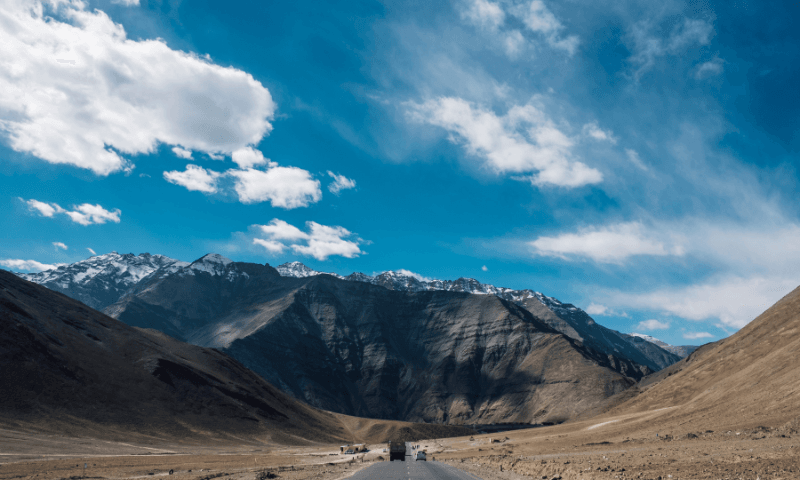
Ladakh lies in the northernmost reaches of India, where barren mountains meet impossibly blue skies and ancient monasteries are perched on cliffsides. This high altitude desert region has experiences that are worlds apart from the rest of the country. Understanding which places are worth your finite time is crucial when altitude and remote locations mean that every choice made is important.
This guide covers fifteen places across Ladakh that have natural beauty, cultural depth and practical accessibility. Whether you are planning a Leh Ladakh tour package 7 days complete itinerary or you are planning an independent one, these destinations form the backbone of any memorable Ladakh experience.
Leh serves as the natural starting point at 3,500 metres and allows necessary acclimatization time during the journey. The old quarter has retained the traditional Ladakhi architecture with a wooden balcony up to the hilltop palace. You can spend your first two days exploring Shanti Stupa, the local bazaar, and Leh Palace. The markets sell authentic Pashmina Shawls and local apricot products. Leh is also your final opportunity to shop for essential logistics and reliable ATMs before remote areas.
Pangong Lake covers 134 kilometres of land from India into Tibet, though travellers only see the Indian portion.The colour of the lake changes over the course of the day from deep blue to turquoise green. The drive from Leh is five hours by Chang La pass. Most visitors book a Pangong Lake tour package from Leh, and that includes overnight camping near Spangmik village at 4,350 metres. Early morning offers the calmest water and the best photography before the tourist vehicles appear around 9 AM. Winter turns Pangong into a frozen land, although road connectivity is doubtful between December and March.
Nubra Valley offers a dramatic contrast with dunes cropping up unexpectedly in between rocky peaks at Hunder, where double-humped Bactrian camels still work. The valley is located at the junction of the Shyok and Nubra rivers. To reach Nubra, one has to cross Khardung La at 5,359 metres. The descent reveals Diskit Monastery with its 32 metre Maitreya Buddha. Villages such as Turtuk still maintain strong connections to the culture of the Balti. Most Ladakh tour packages allocate two days for Nubra Valley, allowing proper exploration without rushing.
While Pangong attracts tourists, Tso Moriri is relatively untouched. This high altitude lake at an altitude of 4,522 metres is located in the Changthang Wildlife Sanctuary, which has snow leopards and Tibetan wolves. The lake is used by breeding populations of black-necked cranes. Access is an eight-hour drive from Leh through Chumathang’s hot springs. The one village of Korzok preserves traditional pastoral ways of life. Homestays here provide a true cultural immersion. Tso Moriri is for those travellers who are looking for solitude, as mobile connectivity is completely unavailable, and facilities are basic.
Lamayuru is geological weirdness coupled with spiritual connotation. The monastery is located in the middle of a lunar-like erosion formation from an ancient lakebed. These “moonland” formations form an otherworldly landscape of vertical rock towers and cream-coloured hillsides. The 11th-century monastery has about 150 monks keeping daily prayers and annual festivals. Lamayuru is 125 kilometres west of Leh, and is easily visited as a day trip or overnight as well. June and July witness the Yuru Kabgyat festival featuring masked dances, which draw visitors from all over the region.
Magnetic Hill is a demonstration of an optical illusion in which vehicles appear to roll uphill against the force of gravity. Located 30 kilometres from Leh on the Leh-Kargil highway, this phenomenon is caused by a false horizon created by the surrounding landscape. Your brain perceives downhill as uphill, and makes stationary vehicles pull backwards. The site only takes 15 minutes to experience and is suitable for inclusion in a wider itinerary heading towards Alchi or Lamayuru.
Alchi is unique in being situated at valley level, as opposed to hilltops. This 11th century complex has some of the best surviving Kashmiri Buddhist art. The interior murals and wooden carvings reveal influences from Kashmir, Tibet, and India. Unlike most monasteries, Alchi is under the care of the village community, and this is helping preserve the artistic treasures. The main temples remain dark and cool, protecting ancient pigments. Alchi is located 70 kilometres from Leh, which takes less than two hours to reach. Visiting in the spring shows the apricot orchards that surround the site in full bloom.
Zanskar is the isolated part of Ladakh, snow-bound for eight months of the year. Road access only exists between June and October. This isolation has helped to preserve traditional culture and magnificent natural beauty. The Drang Drung Glacier, Phuktal Monastery and dramatic gorges of the Zanskar River offer experiences unavailable in other parts of the world. Winter brings the famous Chadar Trek, where frozen river surfaces are the only connection between villages. Zanskar is for travellers with time and flexible schedules who want to see Ladakh before the changes brought about by modern tourism.
Hemis is the richest and biggest monastery in Ladakh with about 500 monks. The complex is tucked away in a gorge 45 kilometres away from Leh. The annual Hemis Festival in June or July attracts thousands for the ritual dances performed by the monks who are dressed in elaborate costumes and masks. The museum of the monastery contains important collections of thangkas, stupas, and ritual objects. Outside the festival days, Hemis gives peaceful sessions of morning prayers. The surrounding hills make for excellent short hikes with a view of the Indus Valley.
Tso Kar means ‘white lake’, referring to the salt deposits that are encrusting its shores. This high altitude lake, standing at an elevation of 4,530 metres, is located in the Rupshu plateau where the nomadic Changpa herders live. The salinity of the lake offers unique ecosystems that attract migratory birds such as the black-necked cranes. Nearby Thugje village, one of India’s highest permanent settlements at an elevation of 4,720 metres, demonstrates extreme high-altitude adaptation. Tso Kar works best in combination with Tso Moriri visits on the eastern route from Manali to Leh highway. The area requires special permits because it is adjacent to restricted military areas.
Likir Monastery offers an authentic experience without crowds. Built in the 11th century, Likir contains a 23 metre gold-coloured statue of the Maitreya Buddha which can be seen from kilometres away. The monastery has about 120 monks who follow the Gelugpa order. Morning prayers, at 7 AM, visitors can see daily religious practices in places that are mainly focused on religious practices. Likir village offers homestay experiences to experience the daily life of Ladakis. Located at a distance of 52 kilometres from Leh, Likir is an excellent stop while traveling between Leh and Alchi or Lamayuru.
Khardung La is the gateway to Nubra Valley and is claimed to be the highest motorable pass in the world, with an altitude of 5359 metres. The road up offers dramatic views of the Ladakh and Karakoram ranges. Many travellers include the Khardung La as a part of Leh Ladakh bike trip packages guided tours for the challenge. The reality is slow, steady climbing over well maintained military roads. Altitude works on everyone differently, and it is better to take quick photo stops rather than explore for long periods. The pass is open all year except during heavy snowfall.
Thiksey Monastery is so similar to the Potala Palace in Lhasa that it has been given this nickname. The 12-storey complex sprawls over a hilltop 19 kilometres out from Leh and has around 60 monks. The main attraction is, however, the 15-metre statue of Maitreya Buddha consecrated by the Dalai Lama in 1970. Morning prayers at 6 AM include chanting by the monks and playing of traditional instruments. Thiksey’s high altitude gives panoramic views over the Indus Valley towards the Stok Range. The monastery operates a small guesthouse with basic rooms with views of the monastery.
Diskit is the administrative centre of Nubra Valley. The 14th-century monastery houses some valuable art and a grotesque demon head celebrating the powers of a saint. The 32 metre Maitreya Buddha statue over the monastery, which was completed in 2006, has become Nubra’s most recognized landmark that faces towards Pakistan. The viewing platform has all-around valley views, which can best be enjoyed at sunrise or late afternoon. Diskit town offers Nubra’s best services for everything from ATMs, medical services, and accommodation from budget guesthouses to luxury camps.
Shanti Stupa is crowning a hilltop above Leh, the Japanese Buddhist monks built it for world peace. The white-domed stupa stands out against Ladakh’s blue sky. Reaching it requires climbing 500 steps or taking a motorable road from Changspa village. The stupa has 4 sides with relief panels that show the life of Buddha in a dramatic way that illuminates after sunset. The place offers the best panoramic views of the town of Leh and the surrounding mountain ranges. The walk up takes about 30 minutes from central Leh and is an excellent acclimatization activity during the first days.
Timing your visit is important in determining which destinations are still accessible. The best time to visit ladakh month wise is totally depends on your priorities. June to September is the time of the most predictable weather and complete road access. July and August are months of occasional rain but the greenest landscapes. September brings steady weather with fewer crowds. May and October are for experienced travellers who are alright with cold temperatures and potential road closures.
Ladakh altitude sickness prevention tips become important since most of the destinations are situated above the 3,500 metres mark. Spend at least two whole days in Leh acclimating before going higher. Drink a lot of water, do not drink alcohol to begin with, and listen to the body. Symptoms such as headaches, nausea, and breathlessness should not be ignored. Descending even 500 metres often brings immediate relief.
Transport options include self-drive motorcycles to organized tours. Many travellers choose Ladakh holiday packages for their first visit, as local operators handle permits, accommodation bookings, and high-altitude logistics. Road conditions are extremely variable. The Manali Leh highway and the Srinagar Leh highway are open only from June to October. Motorcycle journeys are meant for adventure seekers but require some experience and safety equipment.
Accommodation varies from basic homestays to luxury resorts. Book Pangong and Nubra Valley stays in advance during peak season. Most places have rudimentary facilities. Electricity supply may be intermittent, and hot water is frequently dependent upon solar heaters.
Ladakh’s fragile ecosystem is struggling with the rising pressure of tourism. The area gets very little rainfall that makes water precious. Use of water is conservative, and avoid using single-use plastics, as there is no waste management infrastructure in Ladakh outside Leh.
Respect local customs, especially in the area of monasteries. Remove shoes before entering temples, walk clockwise around religious structures, and ask permission before photographing monks. Dress modestly, covering shoulders and knees, especially in religious sites.
Support local economies by patronizing locally-owned accommodations and purchasing locally-made products from artisans. Many homestays offer authentic experiences as well as support village families. The permits of the region are there for security and environmental reasons. Carrying several photocopies of your passport, visa, and permits.
These fifteen destinations represent the geographical and cultural diversity of Ladakh. Leh offers much needed acclimatization and logistics. Pangong and Tso Moriri is responsible for providing the high altitude lake experience. Nubra Valley provides additional desert scenery and cultural richness. Remote Zanskar pushes the boundaries of adventure for those who are looking for a challenge.
Shorter journeys centered around Leh, Pangong, and Nubra explore highlights in an efficient way. Extended itineraries with visiting Tso Moriri and Zanskar or visiting multiple monasteries are rewarding in terms of gain of understanding. Match destinations with your available time, physical capabilities, and travel preferences.
Ladakh requires flexibility as the weather and road conditions change quickly. Build buffer days into schedules. Accept that not all plans work so well at high altitude. The rewards of the region are available to the patient, a respectful and realistic person.
For expertly planned itineraries that balance adventure with comfort while ensuring proper acclimatization, explore our Leh Ladakh tour packages designed specifically for first-time visitors. If you are looking to have a full-blown Himalayan experience without just Ladakh then you should check out our Himalayan adventure packages of multiple high altitude destinations across northern India.
How many days do I need to properly explore Ladakh’s main attractions?
A minimum of seven days allows coverage of Leh, Pangong Lake, and Nubra Valley with the due acclimatization time. Ten to fourteen days allows the addition of Tso Moriri, numerous monasteries, or trekking. First-time visitors should look for quality rather than quantity and linger for a sufficient period in fewer locations rather than rushing through many.
Is altitude sickness a serious concern when visiting these places?
Yes, altitude sickness strikes most visitors as most destinations are located over 3,500 metres. Proper acclimatization with at least two days in Leh before increasing altitude, drinking plenty of water and climbing slowly prevents all but a few. Never ignore symptoms in hopes that they will go away. Carry medication after consultations with the doctor.
Can I visit Ladakh during winter months and still access these destinations?
Winter visits then severely limit access. Only regions around Leh, including Shanti Stupa and surrounding monasteries, are reliably accessible. Pangong Lake freezes up to all of itself. Nubra Valley roads are closed because of snow in Khardung La. The Chadar Trek over the frozen Zanskar River becomes possible but requires preparation at the expedition level. Most tourist infrastructure closes between November and March.
Do I need special permits to visit these locations in Ladakh?
Indian citizens need inner line permits for Nubra Valley, Pangong Lake, Tso Moriri, and restricted border areas. Foreign nationals require permits for the same areas of protected areas. Permits can be obtained via the Internet or from tour operators. Carry several copies as checkpoints verify documents frequently. Some areas near the Line of Actual Control are completely off-limits to civilians.
What kind of physical fitness level is required for visiting these destinations?
Most places only require moderate fitness, as you will be driving to them. Walking around monasteries is full of stairs and uphill sections at altitude, which is a challenge to the cardiovascular system. Serious treks into Zanskar or high passes require good levels of fitness and acclimatisation to altitude. Heart or respiratory conditions require medical clearance before booking any Ladakh trip.
20 Best Hill Stations in Uttarakhand for Family Vacation, Corporate Trips, Nature Lovers & Adventure
26 Aug 2026
15 Best National Parks and Wildlife Sanctuaries in North East India
25 Aug 2026
16 Best Romantic Hill Stations in India for Honeymoon Holidays
23 Aug 2026
Top 30 Must-See Forts and Palaces in Rajasthan
21 Aug 2026
Top 30 Krishna Temples in India: A Complete Pilgrim and Traveller Guide
21 Aug 2026


