 +919871148514
 info@memorableindia.com
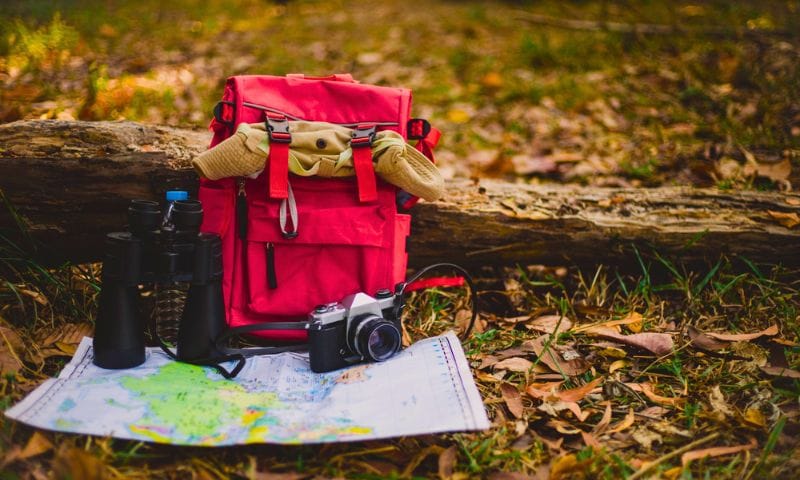
Every year, millions of Indian travellers head to the hills the moment temperatures cross 35°C in the plains. And every year, a good chunk of them end up shivering at Mall Road in a thin cotton kurta, wishing they had packed that one extra jacket. The excitement of booking a hill station trip often overshadows the most practical part of travel preparation: packing right.
Indian hill stations are not a single climate zone. A weekend in Mussoorie during March demands a very different bag than a monsoon trek near Munnar or a December escape to Dalhousie. Altitude, season, terrain, and the kind of activities you have planned all shape what goes into your suitcase. This packing checklist for hill station trips is built around real conditions across Indian mountain destinations, so you arrive prepared rather than scrambling for overpriced woolens at a local market.
Think of this as your pre-trip audit. Go through it section by section, cross-check against your itinerary, and pack only what makes sense for your specific destination.
The single biggest packing mistake for hill station tours is carrying one heavy jacket and assuming it will do the job. Mountain weather shifts drastically. Mornings can be crisp and cold, afternoons warm enough for a t-shirt, and evenings foggy with a sharp wind chill. Layering is the only strategy that adapts to all of this without overstuffing your bag.
Base layer: Lightweight, moisture-wicking thermals are essential for destinations above 2,000 metres, especially from October to March. Cotton thermals absorb sweat and stay damp, so opt for synthetic or merino wool blends if you can.
Mid layer: A fleece jacket or a light wool sweater serves as your insulation layer. Fleece is lighter and dries faster, making it the better option for trips that involve any walking or trekking.
Outer layer: A windproof and waterproof jacket is non-negotiable, regardless of the season. Even summer hill stations like Shimla and Nainital see unexpected rain, and wind at higher altitudes cuts right through cotton and denim.
Beyond layers, pack the following clothing essentials for your mountain trip:
For women, a pashmina shawl is one of the most versatile items you can carry. It works as a wrap during temple visits, a blanket during long cab rides, and a layer over your jacket during unexpectedly cold evenings.
Hill station terrain varies wildly. One hour you are on a well-paved mall road, the next you are navigating a rocky forest trail or a rain-slicked cobblestone path. Carrying just one pair of shoes is a gamble that rarely pays off.
Primary pair: Sturdy, ankle-supporting trekking shoes with a good grip. If your itinerary includes any trail walks, nature hikes, or visits to viewpoints with uneven terrain, these are essential. Break them in before the trip to avoid blisters.
Secondary pair: Lightweight sneakers or sports shoes for casual town exploration, market walks, and restaurant outings.
Backup: Waterproof sandals or floaters for hotel use, quick errands, and rainy days when you do not want to soak your shoes.
Avoid carrying brand-new leather shoes, high heels, or open-toed flats. They often provide poor grip on wet or gravelly surfaces, and you will regret every step on an uphill climb.
Hill station air is drier than plains air, especially at an elevation of above 1,800 metres. Your skin and lips will feel it within the first day. Standard toiletries need a few altitude-specific additions.
If you are heading to a remote hill station where shops are limited, carry enough supplies for the full trip. Not every mountain town has a well-stocked chemist, especially smaller ones in Himachal Pradesh and Uttarakhand.
Altitude, unfamiliar water, road travel, and temperature swings make a small medical kit one of the most important items in your hill station travel essentials. You do not need a pharmacy, just the basics that cover the most common issues.
A small ziplock bag is all you need to organise these. Label them clearly, especially if you are travelling with children or elderly family members. For a broader look at travel health preparation, Memorable India’s guide on travel essentials for India trips covers this in more detail.
Hill stations test your devices in ways the city never does. Colder temperatures drain batteries faster, power outages in remote areas are common, and phone signals can be unpredictable once you move away from town centres.
Keep all electronics in a waterproof pouch or dry bag during monsoon trips. One unexpected downpour can ruin an unprotected phone or camera.
No packing checklist is complete without this section, and yet it is the one most people leave until the last minute.
Store digital copies of all documents on your phone and email. If you are travelling with a tour operator like Memorable India, your bookings and permits are typically managed for you, but carrying personal copies is still a smart choice. For detailed trip planning advice, the complete India trip planning guide is a useful resource.
The kind of bag you carry has a direct impact on your hill station comfort. Oversized suitcases are a nightmare on narrow mountain roads, steep hotel staircases, and shared vehicle rooftops.
For weekend getaways (two to three nights): A medium duffel bag is ideal for this tour. It fits in small car boots, is easy to carry up hotel steps, and forces you to pack only what you need.
For longer stays (five-plus nights): A medium suitcase paired with a small daypack works well for you. The suitcase stays at the hotel while the daypack comes with you on day trips, treks, and market visits.
Daypack essentials: Water bottle, sunscreen, light snacks, a rain cover or poncho, your camera, wallet, and any medication you may need during the day.
A quick tip that experienced hill travellers swear by: always keep one change of warm clothing in your daypack or hand luggage, not in the main bag. If your luggage gets delayed or you arrive at the destination after sunset when temperatures have already dropped, you will thank yourself.
The checklist above covers the basics, but the season you travel in demands a few targeted additions.
Summer (April to June): Sunglasses with UV protection, a wide-brimmed hat or cap, lighter layers, and cotton clothing for warmer afternoons. Even summer hill stations cool down significantly after sunset, so do not skip the fleece. If you are exploring popular hill stations during this period, our curated list of the best hill stations in India can help you pick the right destination.
Monsoon (July to September): A quality rain jacket (not just an umbrella, which is useless in mountain wind), waterproof shoe covers or gaiters, extra plastic bags to keep electronics and documents dry, and quick-dry clothing. Avoid white or light colours that show mud stains.
Winter (October to February): Heavy-duty thermals, a down jacket or padded parka for destinations like Manali, Gulmarg, or Auli, woollen gloves, earmuffs, and thermal-insulated footwear. If you are visiting snow-covered areas, snow boots and hand warmers are worth the luggage space.
Autumn and Spring (March, October): These shoulder months are the trickiest to pack for because the weather is transitional. Pack for layering flexibility. Mornings and evenings are cold, but midday can be surprisingly pleasant.
Packing smart also means knowing what to leave at home. Hill station trips are not the occasion for:
Every kilogram matters when you are carrying your bag uphill or fitting it into a compact hill taxi. Pack with intent, not anxiety.
For easy reference before your trip, here is a condensed rundown of every essential category:
The best packing happens after the planning, not before it. Know your destination’s altitude, check the weather forecast for your travel dates, and match your packing list to your actual itinerary. A three-day trip to Lonavala needs a very different bag than a week-long road trip through Spiti Valley.
If you are still in the planning stage and exploring hill station options, the best hill stations near Delhi NCR guide is a solid starting point for quick mountain escapes. And if you prefer a guided experience where the logistics are handled for you, Memorable India’s hill station and adventure tour packages are designed to take the stress out of mountain travel, so you can focus on the views instead of the packing list.
What should I pack for an Indian hill station trip in summer?
Even in summer, Indian hill stations cool down significantly after sunset. Pack light layers for daytime, a fleece or light jacket for evenings, sturdy walking shoes, sunscreen with SPF 30 or above, sunglasses, and a cap. A light rain jacket is advisable as summer afternoons in the mountains often bring short showers.
How do I pack for unpredictable hill station weather?
The layering approach is your best strategy. Carry a moisture-wicking base layer, an insulating mid layer like fleece, and a waterproof outer shell. This combination lets you add or remove layers as temperatures shift throughout the day without overpacking.
Are trekking shoes necessary for a hill station holiday?
If your trip involves any nature walks, trail hikes, or visits to viewpoints with uneven terrain, trekking shoes with ankle support and a good grip are strongly recommended. For purely town-based stays with market walks, a good pair of sneakers will work, but trekking shoes remain the safer choice.
What medicines should I carry to a hill station?
Carry your personal prescription medications, paracetamol, motion sickness tablets (mountain roads are winding), ORS sachets, an antacid, antiseptic cream, and adhesive bandages. Remote hill stations often have limited pharmacy access, so prepare your medical kit before departure.
How much cash should I carry to the Indian hill stations?
Carry enough cash to cover two to three days of expenses in smaller denominations. Many smaller hill stations, local dhabas, and roadside shops do not reliably accept digital payments. ATM availability can also be inconsistent in more remote mountain areas, so having cash as your primary payment mode is advisable.
Is a waterproof bag necessary for hill station trips?
Yes, especially during the monsoon or for destinations with unpredictable rainfall. A rain cover for your main bag and a small waterproof pouch for electronics and documents are highly recommended. Even outside monsoon months, mountain weather can shift rapidly.

What’s It Like to Travel in Rajasthan, India? A Grounded Look at the Land of Kings
18 Sep 2026
Where to Stay in 15 Most Popular Indian National Parks
15 Sep 2026
Top Buddhist Pilgrimage Sites in India: A Complete Circuit Guide
10 Sep 2026
Top 6 Tiger Reserves to Visit in India for a Bucket-List Safari
05 Sep 2026
Top 30 Must-Visit Hill Stations in South India
01 Sep 2026


