+919871148514
 info@memorableindia.com
Kashmir has a way of recalibrating what a good trip actually is, not the overblown expectations that come with a destination so heavily photographed, but something quieter and longer. Srinagar, the summer capital of Jammu and Kashmir, is a city that was built around water, centuries-old gardens, and a cultural identity that goes far deeper than a highlight reel might suggest.
A well-planned Srinagar tour package offers you much more than the regular stops. It offers you mornings in houseboats upon a lake, mist hanging on to the chinar trees, afternoons in Mughal gardens, meant for emperors, and evenings in a city where the aroma of kehwa and the sound of azaan settle on to something truly unforgettable.
At Memorable India, we emphasize construction of Srinagar tours around three things: depth, comfort, and responsible travel. We do not rush you through twelve landmarks in three days. Instead, we help you design a Srinagar tour that is right for your pace, your group, and your version of a worthwhile holiday.
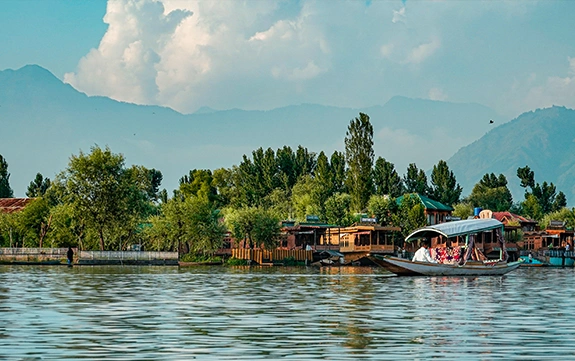
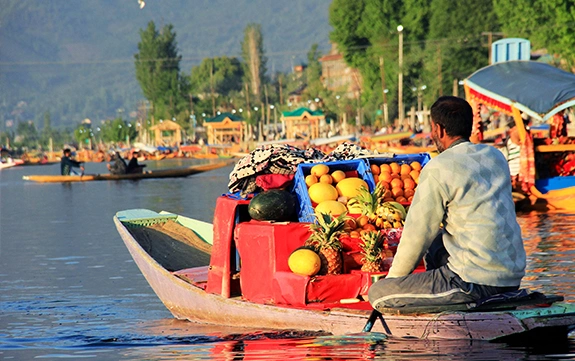
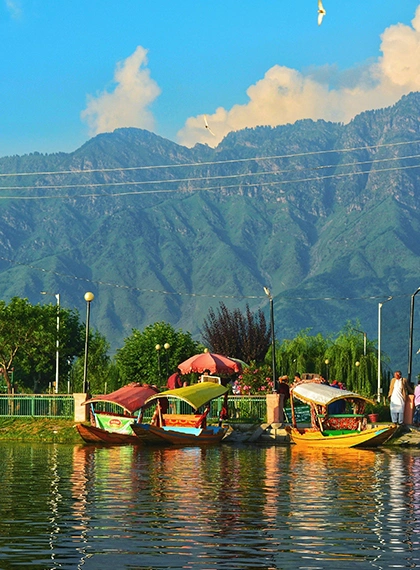
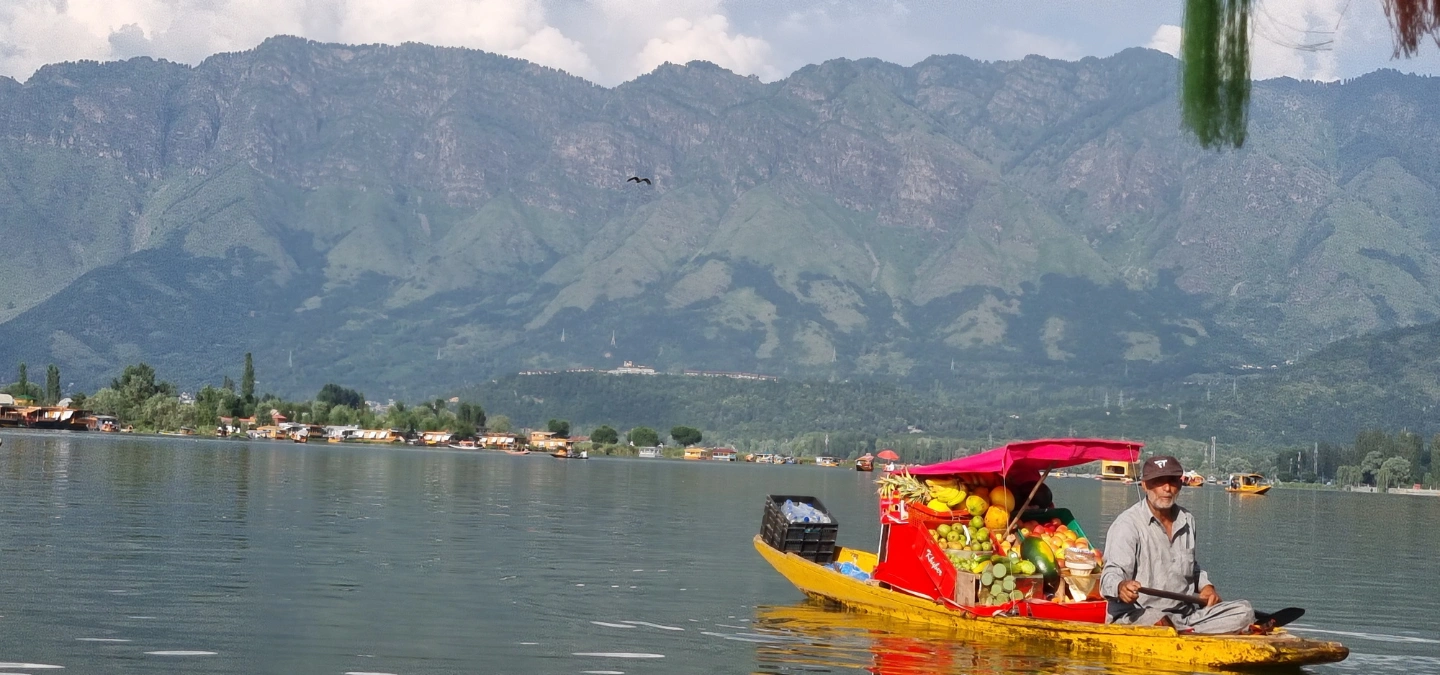
Dal Lake is the geographical and emotional heart of Srinagar. Spanning over 18 square kilometers, it contains floating vegetable gardens, water-based markets that open before sunrise, and a community of houseboat families who have called it home for generations. A ride in a shikara on Dal Lake is not a tourist gimmick. It is the most honest way to understand the way this city really works.Early morning takes you past lotus clusters, rows of moored shikaras, as well as market channels where produce travels is entirely done by boat. Evening rides offer reflections of the Zabarwan Hills on still water, which is a good view to capture, but is even better seen in person. Plan for at least 2 rides while on your Srinagar trip: one in the morning and one in the evening. Each one offers a different experience during the journey.
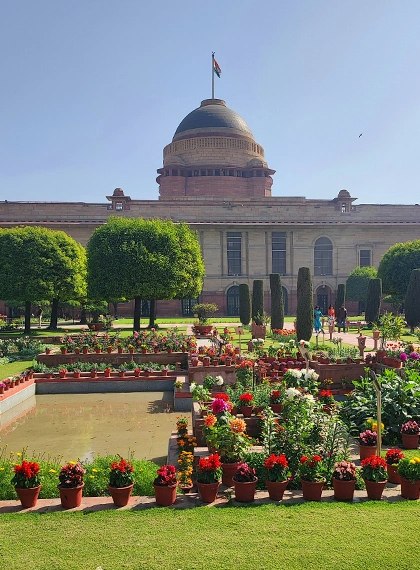
Srinagar's Mughal gardens were created by emperors who had a belief in the necessity of beauty in order to have structure. Shalimar Bagh, constructed by Emperor Jahangir for the Empress Noor Jahan, stretches over four terraces with fountains, chinar trees, and marble pavilions. Nishat Bagh was designed by Asif Khan in 1632 and has some of the best views of Dal Lake from the terraces at the top. The smallest among the three is Chashme Shahi which is built around a natural spring, long regarded as medicinal. Together, these gardens form a non-negotiable part of any Srinagar sightseeing places list. Visit them on different mornings instead of one morning, afternoon, and evening. The difference in experience is great.
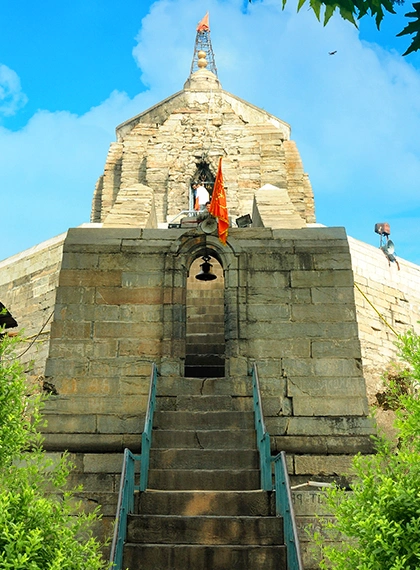
Perched high at 1,100 feet above the valley floor on the Shankaracharya Hill, this temple dedicated to Lord Shiva is believed to be over 200 years old, date back to 200 BCE. It has remained a continuously active place of worship in the region. The climb consists of a flight of stone steps and rewards you with a panoramic view of the whole city, the lake, and on clear days, distant snow-covered peaks. It is one of the most historically significant Sinagar tourist places that becomes relevant for both its spiritual importance and early Kashmiri architecture. Mornings are quieter, and the light through the valley at this time of day is exceptional.
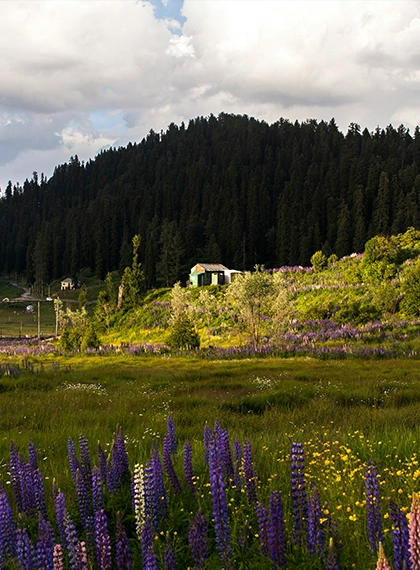
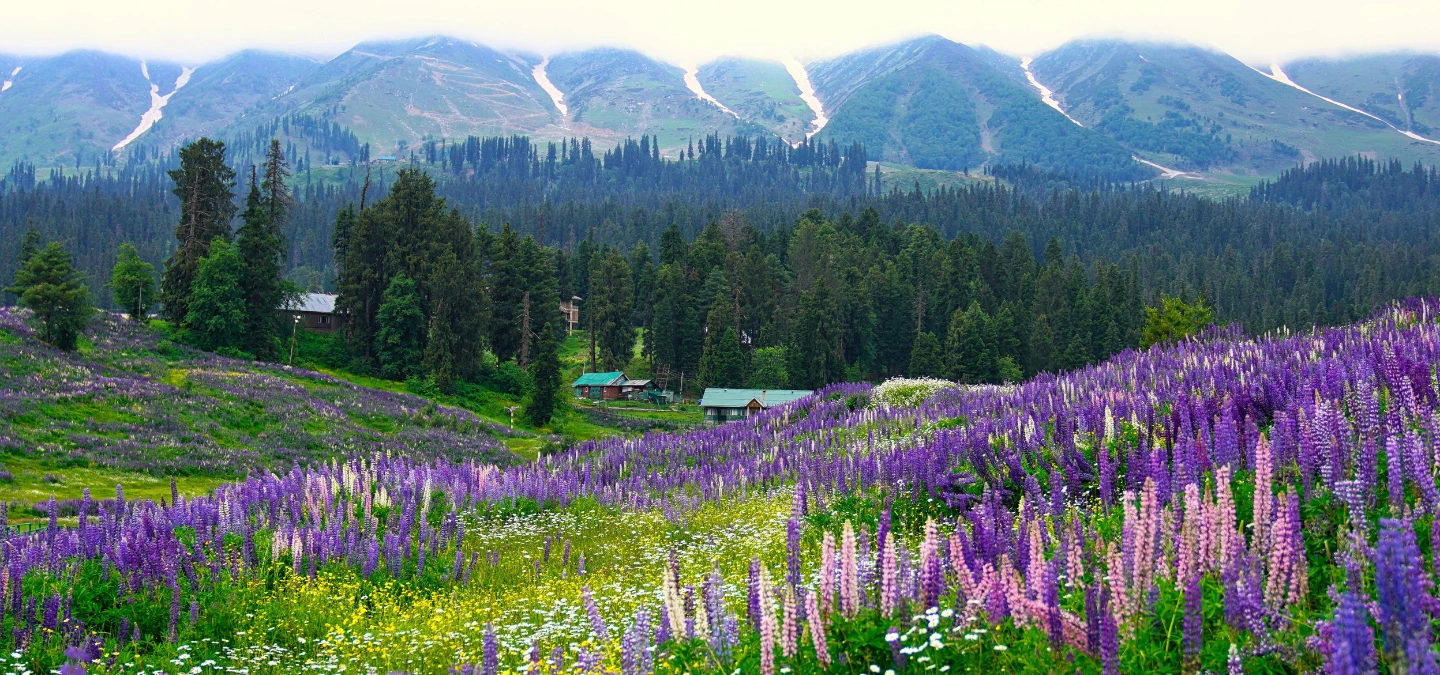
Gulmarg, located at a distance of around 51 kilometers from Srinagar and is one of the most accessible high altitude meadows in India. In summer, it is a vast green expanse surrounded by pine forests. In the winter months, it becomes the most serious ski location. The Gulmarg Gondola is one of the world's highest cable car rides, which takes you up to Kongdori and then Apharwat Peak at an elevation of around 4,200 meters. A day trip to Gulmarg is a regular feature in any good Srinagar tour plan and for a good reason. The change of elevation alters the air, the light, and your energy levels in a way that makes the rest of your time in the valley more grounded.
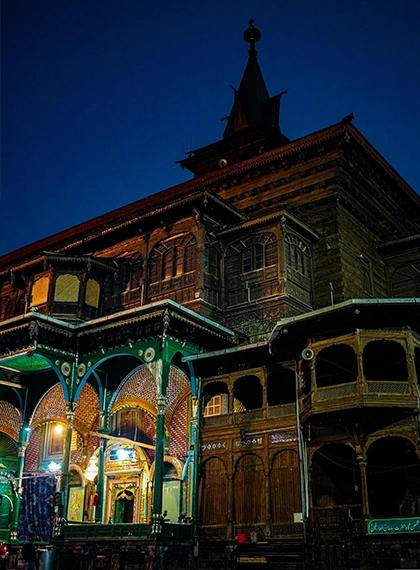
Most Srinagar packages revolve around the lakeside of the city and neglect what locals refer to as "Downtown." Old Srinagar is where the real texture of the city lies. The Shah Hamdan Shrine (Khanqah-e-Moula) is a 14th-century wooden mosque constructed without a single nail in its original form, with an intricate papier-mache work inside. The old wooden bridges across the Jhelum, traditional bakeries known as kandurs, and narrow residential lanes reveal a city that has not been packaged for tourism. Walking tours here are slow, sensory, and totally different from any sightseeing in Srinagar you will do at the lakeside.
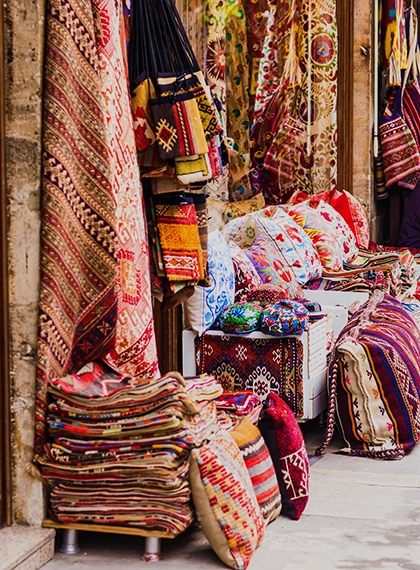
Kashmir's crafts production is one of the most skilled in the world, and Srinagar is where it is concentrated. Lal Chowk and lanes leading around Residency Road are lined with shops selling pashmina shawls, hand-knotted carpets, papier mache, walnut wood carving, and saffron. What stands between making a purchase that is meaningful and one that is a tourist trap is knowledge. Knowing the difference between a carpet that is hand-knotted and machine-made, or pure pashmina from blended wool, saves you money, and you get something worth passing on. We walk our travellers through these distinctions before their shopping day, because that is part of what makes a curated Srinagar tour and travel experience different from going on your own.

When the rest of India is broiling, Srinagar remains between 15 and 30 degrees Celsius, making it a warm-weather retreat. The lake is full, the gardens are lush, and the availability of houseboats is at its peak. This is also peak tourist season, and hence booking a Srinagar package from Delhi or any major city well in advance is a must. A 5 nights Srinagar package in this window allows you time to cover Gulmarg, Pahalgam, and the city itself without compression. Families with school-going children have a tendency to focus on this window, so plan your bookings early.

Autumn is, for some reasons is, the most visually striking season in Srinagar, although it is a quieter one. Chinar trees change into gold, amber, and deep red. Dal Lake turns mirror still as the tourist crowd ebbs out. A Srinagar houseboat stay in October is a particular highlight. The air is crisp, the mornings carry a low mist across the water, and evenings on deck with a cup of kehwa require nothing else. Fewer crowds mean better pricing and more personal attention from the host and guides. For photographers, slow travelers, and those who are coming back for a second visit, autumn is the time to take priority.

Srinagar in winter is cold with an average temperature ranging between minus 2 and 8 °C. The "Chilla Kalan" or 40 days of harsh winter stretches from late December to January. Snow covers the Mughal gardens, the lake half freezes, and the city becomes quiet and atmospheric. It is not for everyone, but for travelers who are willing to have the valley without the crowds, winter provides a deeply different Srinagar travel experience. Gulmarg is India's premier skiing destination during this season, and a mix of a city stay and a snow day in Gulmarg is a truly varied experience.

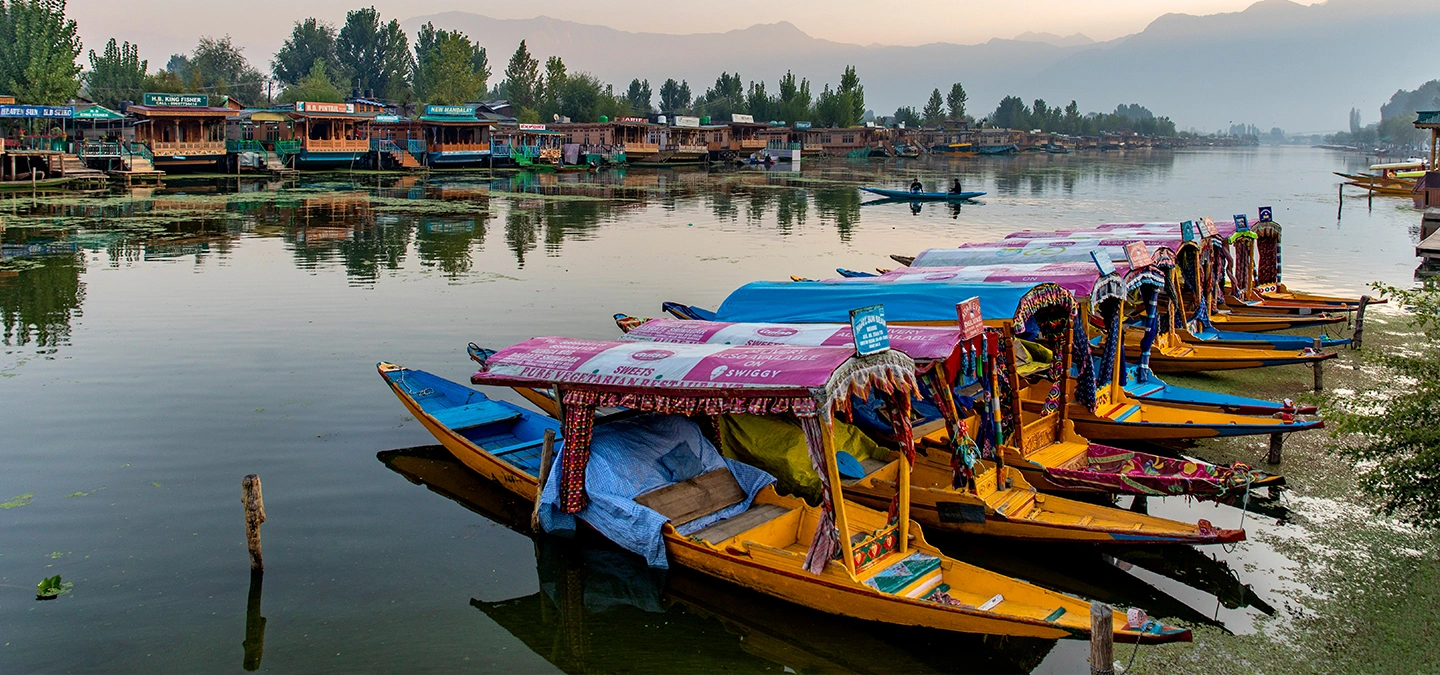
A shikara ride at Dal Lake is the most typical activity of any Srinagar tour. The traditional flat-bottomed wooden boats are the preferred form of transport on the lake and have been for centuries. Your boatman takes you past floating vegetable markets known as "raads," lotus gardens, moored houseboats, and community shrines built on tiny islands on the lake. The best rides are at 6 AM, before the lake becomes filled with other tourist boats. Early morning light falls flat across the water, and you often encounter the wholesale vegetable market in full operation, which is a scene completely untouched by tourism infrastructure.Sunset rides are quite worth your time, with the Zabarwan range reflecting in the still surface. Budget at least 90 minutes per ride. Do not hire boats at the ghat without being clear about the pricing beforehand. Your Srinagar travel agency should make a pre-negotiation for this to ensure a clean experience without any post-ride pressure. The difference between a rushed 30-minute lap and a proper exploration of a lake for 2 hours is the difference between a tick-box and a memory that stays.
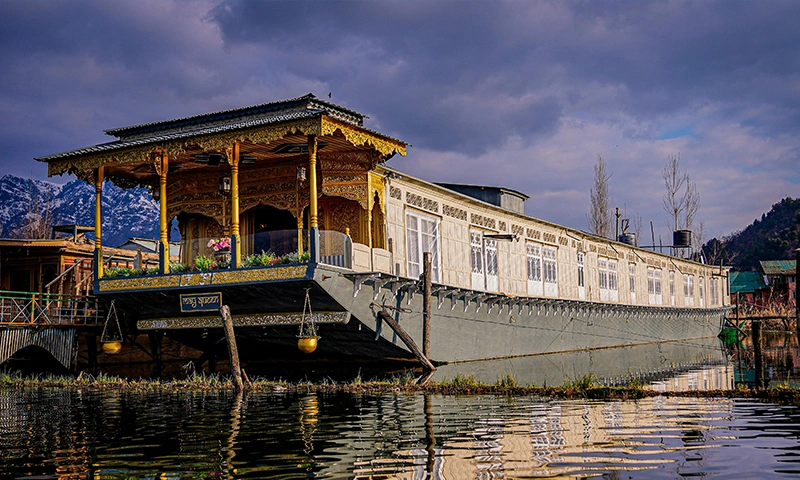
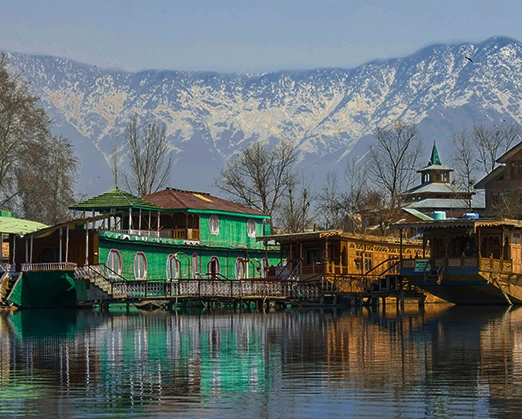
The Srinagar houseboat stay is one of the most unique stays in India. These hand-carved wooden homes on water were originally constructed by the British during the colonial rule, as they were not allowed to own land in Kashmir. Today's houseboats vary from simple to truly luxurious, featuring carved walnut wood interiors, Persian-style rugs, copper samovars, and your own private deck, overlooking the lake.Waking up on the water with the sound of shikaras passing outside your window and some morning light through the chinar trees is what travellers talk about years later. Quality, however, varies between properties. Look for houseboats that have proper sanitation certifications as well as responsible waste management practices. We personally inspect all the houseboats that we recommend and do not list properties based on online ratings alone. The category you choose, from standard to premium, makes a big difference to the experience.
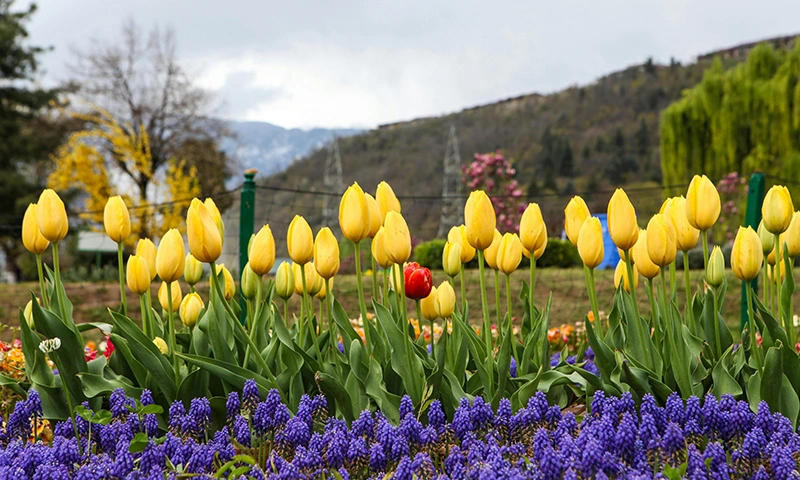
The largest tulip garden in Asia is located at the foot of the Zabarwan Hills and overlooks the Dal Lake. It has more than 1.5 million tulips of 70-plus varieties that bloom for a short but spectacular two to three week period in April. The garden is terraced, so this gradient of colour from top to bottom is something no photograph does justice to.For a Srinagar package for 4 nights planned in late March or early April, arranging for arrival around peak bloom is something we coordinate carefully, depending on the conditions of that year. Entry is affordable. Crowds peak on weekends, so morning visits on weekdays allow a quieter experience. The combination of tulip fields in the foreground with the lake and mountains in the background is the kind of landscape that deserves its fame without any exaggeration.

Twelve kilometers from the city center, Dachigam National Park has a total area of 141 sq. km. and is the prime habitat of hangul or Kashmiri stag, a critically endangered species. Managed by the Jammu and Kashmir wildlife department, entry requires a permit, and visitor access is strictly controlled to protect the ecosystem. This is especially rewarding to bird watchers; several migratory species winter here.For responsible travellers, a guided morning stroll in Dachigam is an opportunity to interact with conservation, first Srinagar travel in a meaningful way. Memorable India has certified nature guides for this experience, as opposed to routing through the general tour operators. Seeing the landscape and wildlife in context, with someone who understands the conservation stakes, alters the quality of the outing completely.

During the winter months, a day trip from your Srinagar trip base to Gulmarg for skiing is one of the best value snow sports experiences anywhere in Asia. Gulmarg has runs for all levels, from beginners to expert skiers, with equipment rental available on- site. The Gulmarg Gondola takes you to new snow at Apharwat Peak, and you can get certified instructors available there.Non-skiers find Gulmarg equally worth the trip in winter for snowshoeing and sledding, and for the incredible quiet of a high altitude snowfield. The contrast between the Srinagar lake-and-garden landscape and the Gulmarg snowscape gives a 5-night itinerary a significantly different feel than the repetitious. This combination, that of city and mountain, culture and activity, is one of the reasons Kashmir draws repeat visitors.

Kashmiri wazwan is a ceremonial multi-dish meal that may contain 36 dishes in its full form. Rogan josh, yakhni, rista, tabak maaz, and gushtaba are its most celebrated components. A proper wazwan is served from a large communal dish called a trami, between four diners. It is not food to be sold on the streets, and should not be treated as such.As a part of our Srinagar tours itinerary, we organize the experience of sitting down for a wazwan in the old city at a family-run restaurant or through a curated cultural dinner experience. The experience needs to have context and proper introductions to appreciate what is being served and why. Kashmiri wazwan is a culinary tradition that is directly linked to the ideas of hospitality and community, and tasting it with the background knowledge changes everything about what you taste.
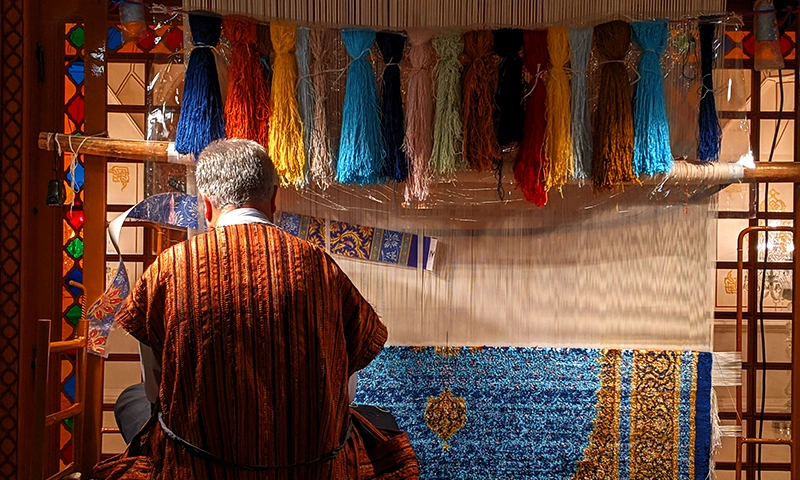
Shopping opportunities are not Kashmir's craft traditions. They are living forms of art that have been handed down through generations. Many workshops in Srinagar give visitors the chance to sit down with artists and gain an understanding of the process behind a hand-knotted carpet (which may take years to complete), the precise painting on papier mache, or the spinning of raw pashmina fibre.These sessions usually last 60 to 90 minutes and change how you perceive every product you see from that point forward, and make any subsequent purchase truly informed. Memorable India features at least one craft workshop as a fixed feature in our curated Srinagar tours, as it helps us to support the local artisans directly and gives travelers something long-lasting to take home other than photographs. An afternoon in a carpet weaving workshop in the old city is, invariably, one of the memories our clients talk about first when they get back.
Most travelers who book the Srinagar package are expecting to take a standard itinerary: check in to a houseboat, shikara ride, visit the gardens, drive to Gulmarg, and fly back. That itinerary is serviceable. It is also one thing that people do not describe with much real enthusiasm upon their return.
The Memorable India version of a Srinagar tour is one that is based on making smaller decisions that alter the quality of the entire experience. The houseboat we put you in has been taken around in person and assessed by our team; it is not simply filtered through some online rating system. Your shikara wallah knows which hour of the day the lake is quietest and which channels lead to the floating vegetable market prior to the wholesalers packing up and leaving.
The craftsperson you encounter in a carpet-weaving workshop in the old city will show you how a single knot, repeated many thousands of times by hand, eventually forms a pattern that tells a story. That visit takes 75 minutes. It changes the way you think about purchasing anything for the rest of the trip.
On day three, when you have had enough of a structured sightseeing, we leave time unplanned. You can spend the afternoon at a chai stall by the lake, watching life pass by in boats. You can walk the lanes near Hazratbal Shrine without having a schedule or a guide. You can just sit on the deck of the houseboat and do very little. That unplanned time is not haphazard in our itinerary. It is the part that our travellers mention first when they return.
The Srinagar tours that we put together are for people who want to understand what they are visiting and not just photograph it. We work with guides who are from the city, are staying in properties that employ local people, and are creating experiences that contribute something to the communities that we are moving through. If you are looking for a Srinagar travel agency that works the same way you like to travel, with intention and without shortcuts, then you have reached the right one.