+919871148514
 info@memorableindia.com
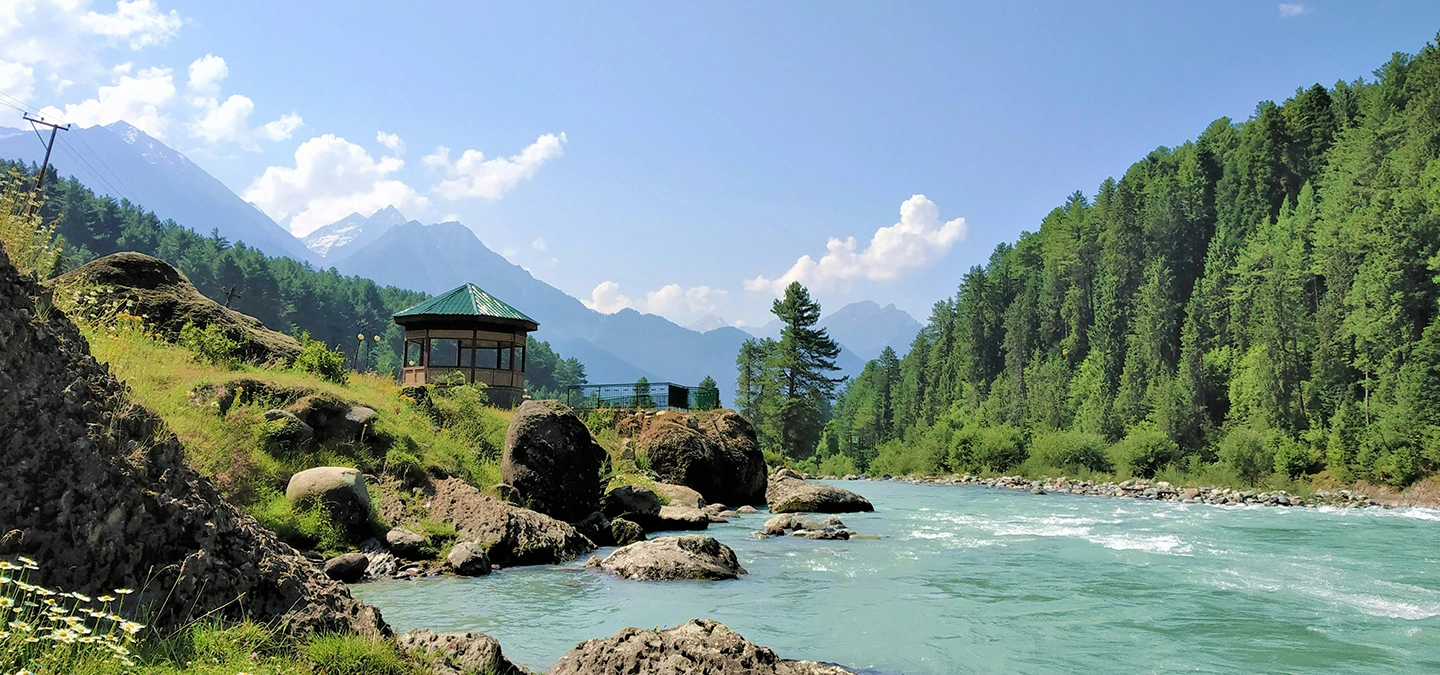
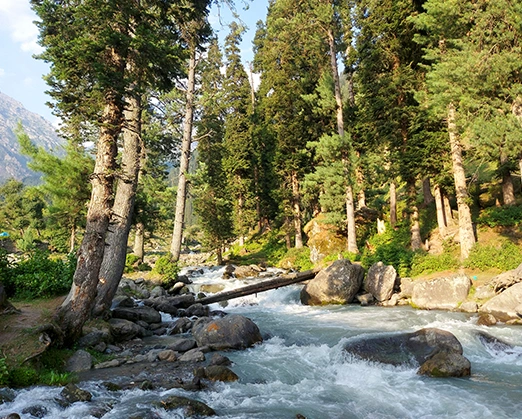
Pahalgam, located at an altitude of around 2,130 metres in the Anantnag district of Jammu and Kashmir, is one of the most accessible and well-rounded destinations of Kashmir. Located on the Lidder River and surrounded by pine forests and mountain slopes, it offers a combination of natural scenery, short excursions, and seasonal experiences in a short travel radius.
The destination is still relevant throughout the year for different reasons. In the summer months, it is used as a base for valley visits like Betaab Valley, Aru Valley, and Chandanwari, along with light trekking, and stays by the river. During the Amarnath Yatra time, it becomes one of the main transit and preparation points for pilgrims. In autumn, the landscape changes to a quieter place with fewer visitors and clear views.
A well-planned Pahalgam tour gives more priority to sightseeing, travel time, and seasons.
With the right routing and pacing, it works well as part of a Kashmir itinerary, be that a short stay or a longer, more relaxed mountain retreat.
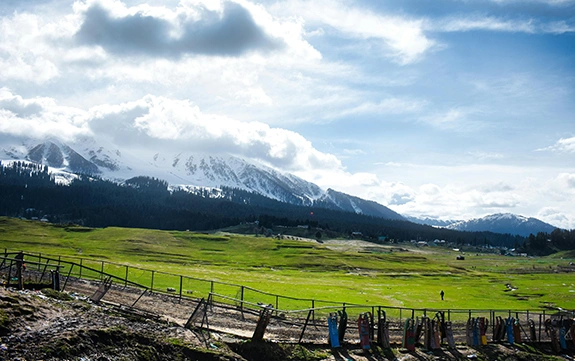
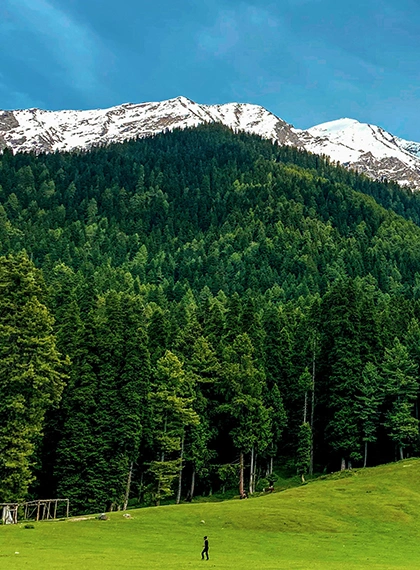
Often referred to as Mini Switzerland, Baisaran is 5 km away from Pahalgam town and is only accessible by both horseback and on foot. Wide open grassland, dense deodar pine, and snow-capped peaks can be seen on clear days. It works really well for family as the terrain is not too difficult and the scenery is truly spectacular. Plan two to three hours on the ride up and time in the meadow.
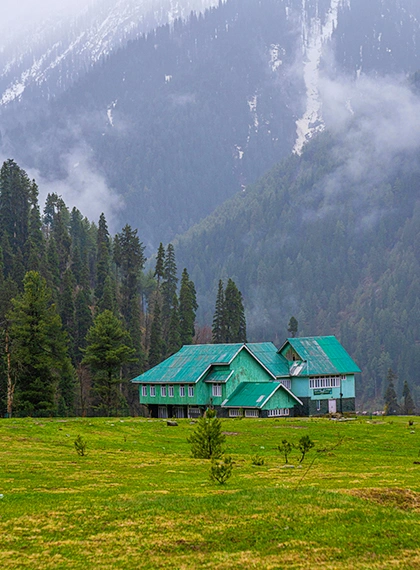
Aru Valley is 12 km away from Pahalgam and is the base for treks like Kolahoi Glacier and Tarsar Marsar. Beyond trekking, the village itself is worth a leisurely afternoon on foot. Wooden homes, grazing Gujjar livestock, and the Aru stream provide a setting that is away from tourist infrastructure. For anyone undertaking a Pahalgam tour and wishing to experience a true Kashmiri pastoral life, Aru does justice without any extra effort and expense.
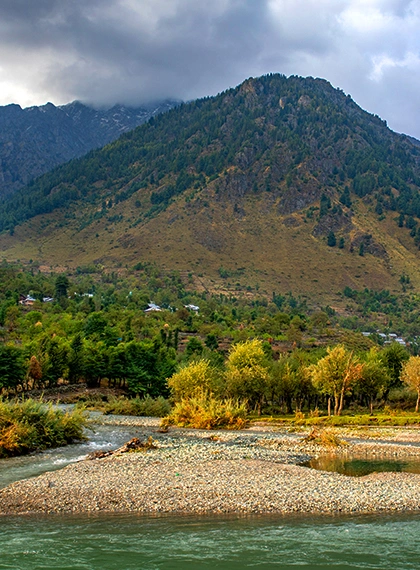
Named after the 1983 Bollywood film, which was shot on location, Betaab Valley is 15 km away from the town. Fenced, ticketed, and well-maintained. A clear stream flows through its lush floor, and the mountain backdrop makes it one of the more photogenic spots on the standard tourist places Pahalgam circuit. Arrive early before the midday rush from day-tripping vehicles coming from Srinagar.
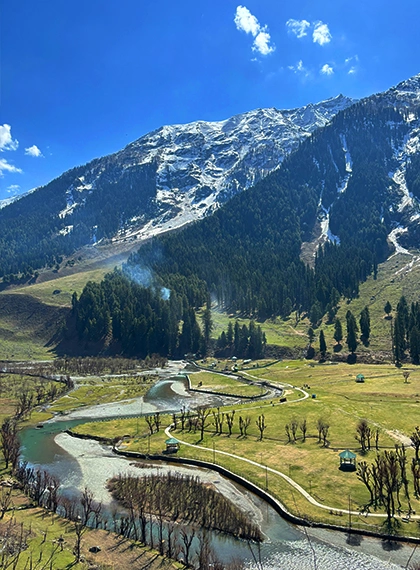
At a height of 2,895 metres and 16 km from Pahalgam, Chandanwari is the official starting point of the Amarnath Yatra. It holds snow well into June. The natural snow bridge near the road is a highlight and sightseeing feature in Pahalgam. Kashmir is considered incomplete without a halt here. Outside pilgrimage season, the area is quiet and comparatively devoid of people. Dress warmly even in May.
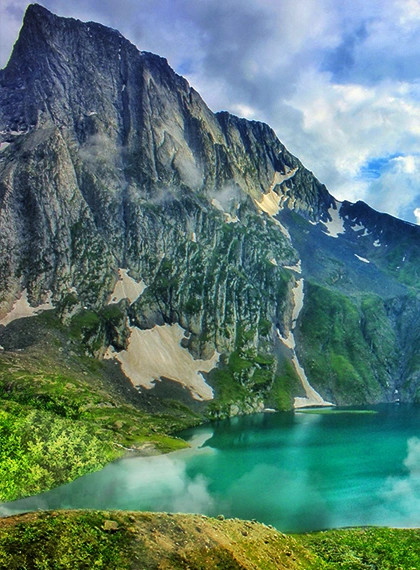
Tulian Lake is located at 3,353 metres and can be reached from Aru Valley by a day trek. Not for casual walkers, but for travellers with basic trekking fitness, the payoff is significant. The glacial lake is frozen throughout most of the year and only thaws in late summer. If your itinerary permits a real challenge of the physical sort, Tulian Lake loses no argument for having a place on any serious pilgrimage trip plan.
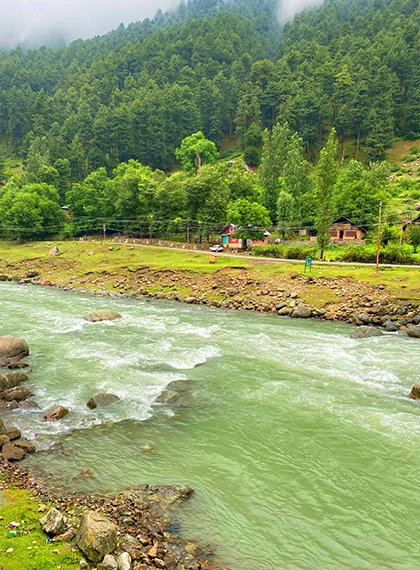
The Lidder River flows through the centre of Pahalgam and provides the town with much of its character. A stroll along its banks early in the morning, before hotels have had the chance to serve breakfast, and tour vehicles arrive, is one of the best free experiences anywhere in the valley. The ancient Mamaleshwara Temple, a centuries-old Shiva temple next to the river, lends a historical and spiritual dimension to the walk. No planning required, no entry fee.

This is peak season for good reason, April to June. Snow goes away, meadows become green, and daily temperatures range from 10 degrees C to 25 degrees C. Aru, Betaab, and Baisaran are fully operational. This is the most comfortable time to enjoy a first-time holiday in Pahalgam and is good for families who want decent weather, open roads and a full spectrum of activities without the potential for logistical uncertainty.

This window brings in the Amarnath Yatra, which adds a lot of footfall to the region. The weather is mild but sometimes rainy, and the trekking conditions on some trails are unpredictable. Booking Pahalgam packages well in advance becomes an essential thing here as accommodation gets full weeks ahead during the Yatra period. For non-pilgrims, the landscape is lush and beautiful, but logistics are more a matter of planning than any other season.

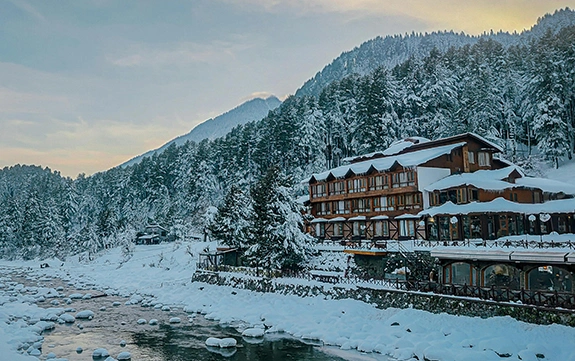
October and November are underrated destinations for a Pahalgam tour. Crowds thin out, foliage turns gold and rust, and there is a more sedate character in the valley. December brings early snowfall and is appropriate for seasoned travellers who know what they are signing up for. Roads beyond the Pahalgam town can be inaccessible after heavy snowfall, but the snow experience around the town is quiet and uncrowded, and almost as peaceful as they seek it to be.
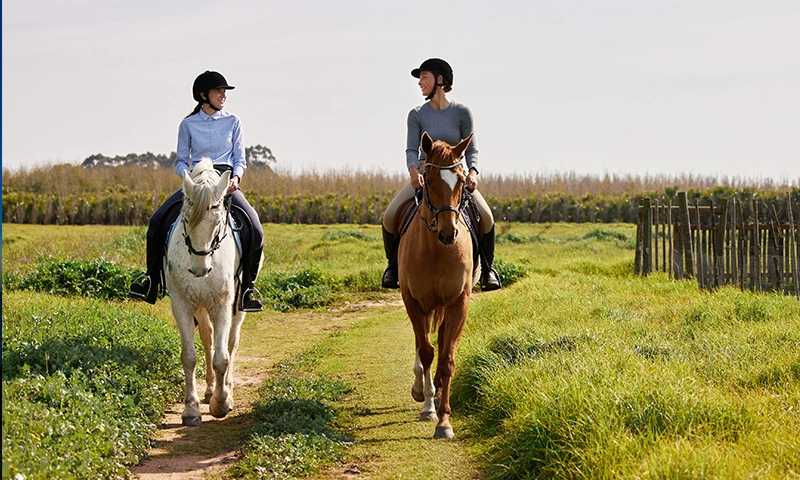
Horse riding in Pahalgam is not an add-on for tourists. The trails that lead from town to Baisaran, as well as the longer meadows beyond, are genuinely scenic and impassable to vehicle traffic. Local Gujjar horse handlers run a fairly organised system with rate boards at fixed rates in specific stops. A typical circuit will cover Baisaran, Dhobiwan, and occasionally some more points based on time available. For families with older parents or young children who are not able to handle long walks at altitude, horse riding is a solution for a real logistical problem. Budget two to three hours on the complete circuit and observe the price clearly before you embark on the ride.
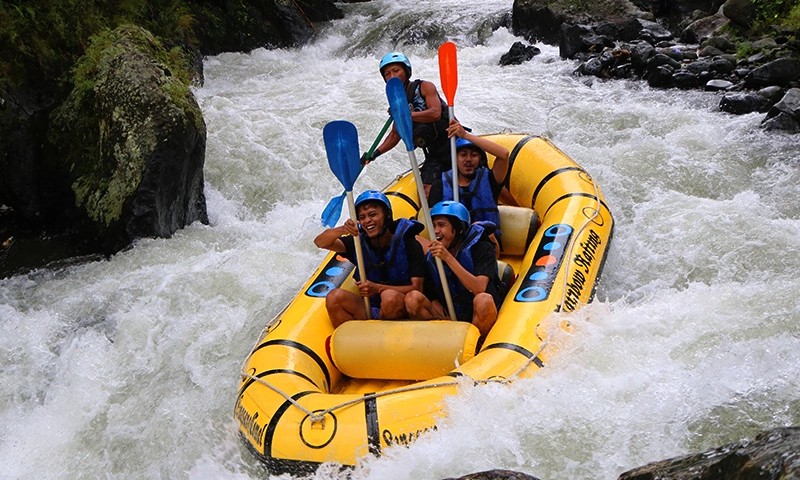
The Lidder River flows swiftly, cold and clear, through Pahalgam, with the rafting stretch through the town being ideal for first timers and for families with teenagers. The rapids are not extreme, and no prior experience is necessary. Most of the operators have 3 to 5 km stretches with 30 to 45 minutes, depending on water levels. May through July is the best window, when the snowmelt keeps the river consistently full. It is one of the cheaper adventure activities offered during a Pahalgam trip, and one of the best ones to undertake on your second day in the valley, after your body acclimates itself to the altitude and the cold air.
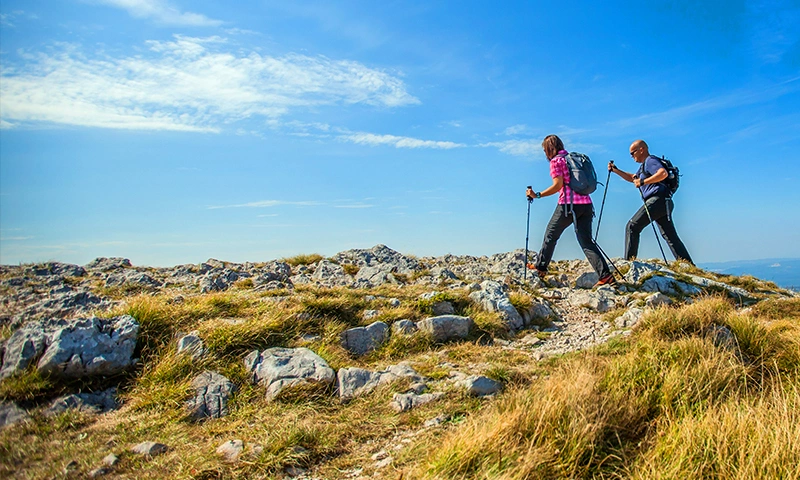
The trek to Kolahoi Glacier from Aru Valley is around 25km and will take three to four days. Kolahoi is the largest glacier of the Kashmir Valley, which feeds the Jhelum River. The trail goes through dense forests, alpine meadows, and active shepherd camps, giving you a compressed view of highland Kashmiri life that no road journey can replicate. This is a physically challenging route that requires good fitness, multi-layered clothing, and a registered local guide. If you are on a Pahalgam tour and your plan makes it possible to extend your tour for more than one day, this is the most rewarding outdoor option available in the entire region for serious outdoor travellers.
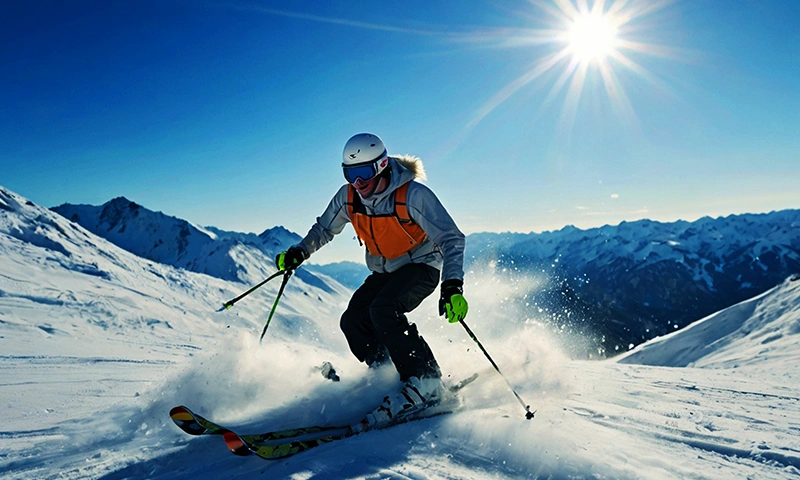
Chandanwari retains the snow-packed terrain well into June, making it one of the few accessible locations in India where you can walk on snow without any specific equipment. Sledding, snowball fights, and basic snow walks are all available on site. Snow suits and boots can be rented from local vendors. Families with young children constantly rate this as one of the best pilgrimage tourist places precisely because it offers a touch of snow without any trekking fitness or altitude acclimatisation for anyone. Go early in the day, before tourist vehicles from Srinagar arrive mid-morning and crowd around the access area near the snow bridge.
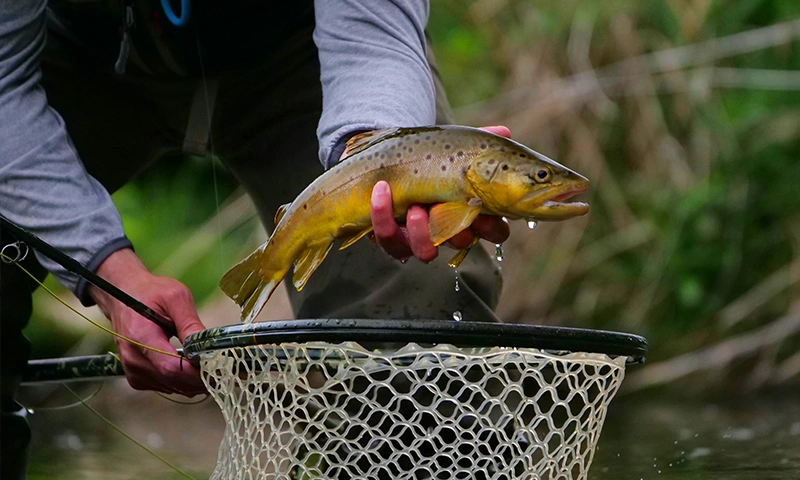
Pahalgam is one of the very few places in India where trout fishing is under legal regulation, allowed, and, importantly, productive. The J&K government issues the fishing licences with the help of designated offices in the town. Both brown trout and rainbow trout are found in the Lidder. A typical session lasts two to three hours and is best done early morning, before the water temperatures are high. No prior fishing experience is required, and local guides are available to help with technique and gear. It is a quiet, meditative activity and suits solo travellers and couples, especially those who require a morning that does not involve jeep transfers and group schedules.
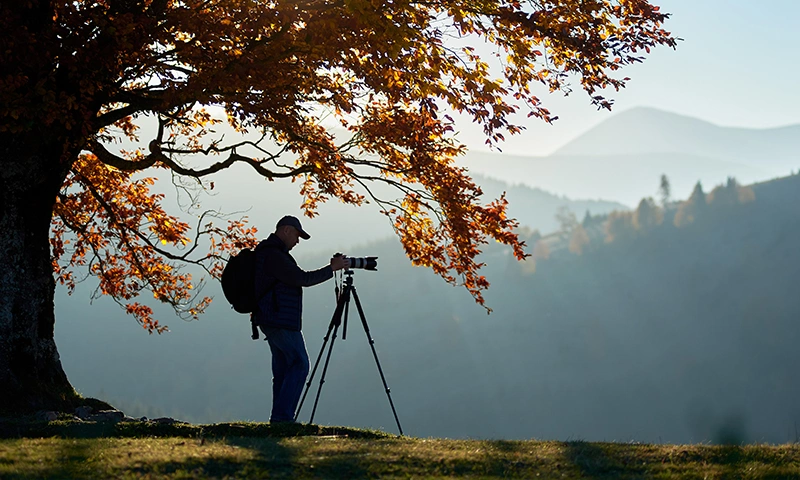
Aru is photogenic in an unpolished, documentary sort of way. Wooden homes with sloping tin roofs, narrow lanes shared with livestock, women weaving in open courtyards, the Aru stream running alongside the road, there is a rich and layered visual material to be had. A two-hour walk through the village with a camera is one of the most rewarding ways of spend a morning in the valley with minimal effort. There are no permits or entry fees that apply here. The locals are used to courteous visitors. Go at golden hour, about one hour after sunrise, for the best natural light. If you are building a Pahalgam tour plan that goes beyond the three valley standard circuit, an Aru photography morning earns its place easily.
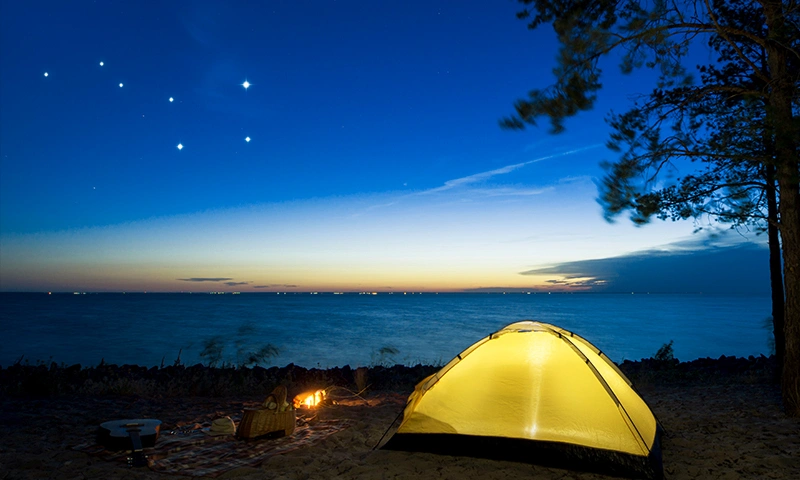
Camping options around Pahalgam vary from simple tents to well-equipped glamping camps with a bed, attached washrooms, and food. Baisaran, Aru Valley, and the meadows above Chandanwari have set camping zones which are in operation during the season. An overnight camp is a way to change one's relationship to the landscape in a way that a stay in a hotel does not. You hear the river, and you see a sky full of stars with no light pollution, and you wake up before the valley full of noise from day visitors. For those families that include older children or teenagers, one night of camping brings more experiential value to a holiday to Pahalgam than an extra night at the same price point in a hotel.
Most Pahalgam holiday packages available in the market have a predictably similar template: Arrival, check into hotel, Betaab-Aru-Chandanwari (by Sumo), optional horse ride, and departure. For travellers who want to tick boxes on a checklist, this works. For those travellers who are interested in knowing why Pahalgam has attracted writers, artists, and pilgrims for generations, such itineraries missed this essence entirely.
Memorable India designs Pahalgam tour package itineraries so around experience is in-depth rather than duration. The difference shows in small decisions that most operators never make.
A guided walk along the Lidder River at 6 AM, when the day visitors have not yet arrived from Srinagar, costs nothing extra but changes the way you fundamentally experience the valley. A meal arranged with a local family in Aru tells you much more about Kashmiri culture than three days of roadside restaurant meals. Two nights instead of one at a camp in the meadow offers you a whole day of true solitude that no hotel can match at any rate.
Local Access: Real connections to guides, families, and routes working outside of the usual tourist circuit.
Invisible Logistics: Transport, permits, accommodation, and daily scheduling are taken care of tidily, and you are free to focus on the experience.
Considered Pace: Itineraries based on immersion, not packing in as much sightseeing as possible in each day.
Memorable India Pahalgam packages are adaptive to traveller type. For families, we consider altitude comfort, safe activities for the children, and return timings to avoid accumulated fatigue. For couples, we offer less noisy routes and dining places which are not shared with fifty other visitors for the same hour. For solo travellers, we hook you up with verified local guides equally at ease discussing Kashmiri history and negotiating high altitude trails.
A tour to Pahalgam should be very different in its essence from a regular hill station trip. If your current itinerary looks the same as a Shimla or Mussoorie getaway, then something important is missing from the plan and is worth a conversation before you book.