 +919871148514
 info@memorableindia.com
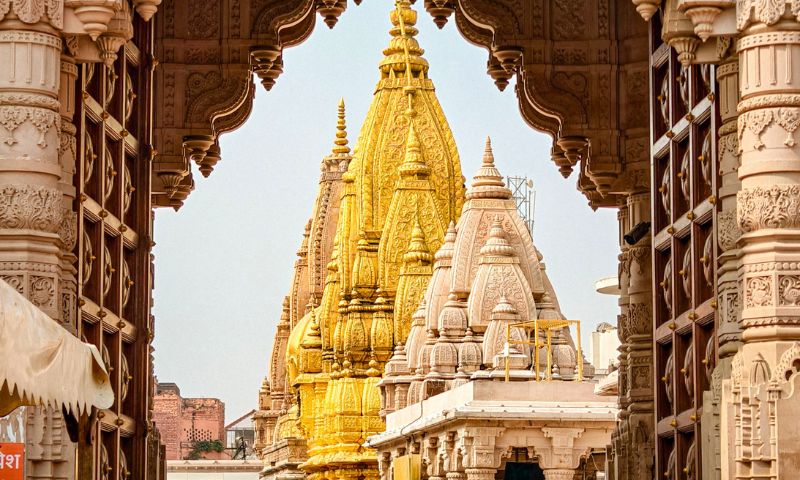
For centuries, reaching the sanctum of Baba Vishwanath meant threading through a maze of shoulder-brushing lanes, shuttered shopfronts, and the constant hum of scooters behind you. That memory still lives with older pilgrims. What has changed since December 2021 is the approach itself. A wide, stone-paved passage now links the temple directly to the Ganga, and the shrine sits inside a redeveloped precinct known as Shri Kashi Vishwanath Dham. The change is practical, not cosmetic, and it has reshaped how millions plan their trip to Kashi. This guide walks you through what the corridor actually is, how the darshan works today, what timings and tickets to plan around, and how to combine your visit with the wider spiritual fabric of the city.
The Kashi Vishwanath Corridor is a pilgrim access project that connects the ancient Vishwanath temple directly to the ghats of the Ganga. Phase 1 was inaugurated on 13 December 2021 by Prime Minister Narendra Modi, and it runs roughly 320 metres from Lalita Ghat to the Mandir Chowk near the temple. Before the project, the temple premises covered only about 3,000 square feet and were surrounded on three sides by dense residential and commercial buildings. The redeveloped precinct now spans nearly 5 lakh square feet, with over 20 new buildings that include pilgrim facilitation centres, a Vedic Kendra, a Mumukshu Bhawan for those seeking their final rites in Kashi, tourist facilitation halls, a museum, and viewing galleries that open toward the river.
During construction, more than 40 hidden temples that had been absorbed into private structures over generations were rediscovered, restored, and opened to the public. These smaller shrines, including Gangeshwar Mahadev and Manokameshwar Mahadev, now sit within the walking loop of the Dham. Official information on the project layout and current facilities is maintained by the Varanasi district portal.
The Vishwanath shrine is one of the twelve Jyotirlingas of Lord Shiva and is considered by many devotees to be the first among them to have manifested. Textual references to Kashi as a Shaiva centre stretch back to the Skanda Purana and earlier Vedic literature, and generations of scholars, saints, and reformers have walked these lanes. The present structure was rebuilt in 1780 by the Maratha queen Ahilyabai Holkar of Indore after successive demolitions during the medieval period. A statue of Ahilyabai now stands within the redeveloped Dham as a mark of her contribution, and the gold spires above the sanctum were later gilded by Maharaja Ranjit Singh of Punjab in 1839.
In February 2022, an anonymous donor from South India gifted 60 kg of gold, and the sanctum sanctorum was gold-plated soon after. According to Kashi Vishwanath Temple Trust figures cited in national media, the shrine has seen a many-fold rise in daily footfall since the corridor opened, averaging around 45,000 pilgrims a day and crossing 10 crore total visitors within two years of inauguration. The Jyotirlinga itself, housed in a silver altar, is about 60 cm tall. Historical background and current temple records are available on the official Shri Kashi Vishwanath portal.
The Dham is designed as a walk that eases you from the river toward the sanctum. If you arrive by boat, you land at Lalita Ghat, climb up through the ceremonial gate, and enter the corridor plaza. To your left and right, you pass the Ganga View Gallery, the city museum, a food court serving Banarasi and Awadhi fare, and Yagyashalas set aside for havan and other rituals. The security enclosure sits closer to the temple, followed by shoe deposit counters and the queue for general darshan.
The design blends Chunar sandstone, Makrana marble, and Kota granite, chosen for their durability against Varanasi’s monsoon humidity. Green cover accounts for a majority of the surface area, so the plaza reads as open and quiet even on busy days. The four principal entrances are numbered as gates. Gate 4 near Godowlia handles most of the daily foot traffic, Gate 2 is used for Sugam Darshan pass holders, and Gate 1 near the ghat side is reserved for booked rituals like Mangala Aarti and Sparsh Darshan. Knowing which gate to walk to before you arrive saves considerable time on a crowded morning.
The temple opens at 2:30 AM and closes at 11:00 PM on standard days. General darshan is free, but a paid Sugam Darshan pass reduces waiting time significantly during peak hours. A kashi vishwanath corridor guide is only as useful as its scheduling notes, so here is the daily aarti rhythm as published by the temple trust.
Timings shift during Sawan, Mahashivratri, and around the Kumbh Mela cycle, so verify the current schedule on the official portal before your visit. Sparsh Darshan, which allows the devotee to touch the Shivling, is offered in limited slots and requires prior booking. Mobile phones, cameras, pens, belts with metal buckles, and leather items are not permitted beyond the security check, and lockers are available near the main gates.
Varanasi is well connected by air, rail, and road, and the temple sits close to the city centre.
The lanes around the temple are pedestrian-only, so most drivers drop passengers at Godowlia Crossing, from where it is a five to seven minute walk to the corridor gates. E-rickshaws also operate between the railway station and Godowlia at a fixed shared fare. Elderly pilgrims and those with limited mobility can request wheelchair assistance at Gate 4, subject to availability.
October to March offers the most comfortable weather, with daytime temperatures between 15 and 27 degrees Celsius. Dev Deepavali, celebrated on Kartik Purnima in November, transforms the ghats into a corridor of lamps and is one of the most visually striking evenings in Varanasi. Mahashivratri, usually in February or March, brings enormous crowds, and darshan queues extend well beyond the corridor gates. Sawan, roughly mid-July to mid-August, is the most spiritually charged month for Shiva devotees, but expect long queues and restricted Sparsh Darshan.
A mid-week visit in the second half of December or in early February usually offers a good balance of pleasant weather and manageable crowds. Morning darshan feels calmer than the evening rush, and the light on the ghats at that hour rewards the early start. If you are combining the temple with a Ganga Aarti at Dashashwamedh Ghat, plan the aarti for the evening after your morning darshan, since both draw dense crowds simultaneously. Our Varanasi Day Tours are designed around this sequence so first-time visitors do not lose half a day to logistics.
Beyond the physical scale, the corridor changed how darshan feels on an ordinary weekday. Older pilgrims often describe past visits as a test of stamina, negotiating narrow gullies while balancing a plate of prasad. Today the walk from the ghat to the sanctum is unhurried, seniors can rest under shaded pavilions, and families with young children can wait in dedicated seating zones. The Mumukshu Bhawan, a quiet residence for those who choose to spend their final days in Kashi, has also been rebuilt within the precinct, restoring a tradition that had been slowly fading. For many devotees, this is what redevelopment done right looks like: infrastructure catching up with faith without overwriting the character that made the place sacred in the first place.
The corridor now sits within an easy walk of most other landmarks that define the city. Manikarnika Ghat, believed to grant moksha, is a two-minute walk from Lalita Ghat. Dashashwamedh Ghat, where the evening Ganga Aarti unfolds, is a ten-minute stroll along the riverfront. Annapurna Temple, Kaal Bhairav Mandir, and the Sankat Mochan Hanuman Mandir all fit comfortably into a two-day plan.
Sarnath, where Buddha delivered his first sermon, is 10 km from the temple and pairs well with a half-day trip. The Banaras Hindu University campus, the Ramnagar Fort across the river, and the silk weaving workshops in the Madanpura and Peeli Kothi neighbourhoods round out a thorough Varanasi itinerary. For pilgrims looking to extend the journey to Ayodhya and Prayagraj, our tailored India Pilgrimage Tour packages cover the northern spiritual triangle in a single well-paced route.
The corridor has made a spiritually loaded city easier to navigate without diluting what makes it meaningful. That said, planning a first Varanasi trip still involves a lot of moving parts, from choosing the right darshan slot and gate to timing the Ganga Aarti and building in a Sarnath half-day. Memorable India has been designing pilgrimage journeys since 2005, with multilingual guides, 24/7 on-trip support, and no-hidden-cost pricing. If you want a custom itinerary built around your travel dates, family size, and preferred rituals, get in touch with our team and we will send a tailored plan within 24 hours.
Yes. Entry to the corridor and general darshan at the kashi vishwanath temple varanasi is free of cost. Paid options such as Sugam Darshan, Mangala Aarti, and Sparsh Darshan require prior booking and range from around 300 to 1800 rupees depending on the ritual and season.
General darshan takes between 45 minutes and 3 hours on most days, depending on the queue. During Sawan, Mahashivratri, and Kartik Purnima, waiting times can extend beyond 4 hours. Sugam Darshan reduces the wait to roughly 30 to 60 minutes, and Sparsh Darshan is faster still since it uses a separate priority queue.
The temple traditionally admits practising Hindus into the sanctum. Non-Hindu visitors are welcome to walk through the corridor plaza, view the smaller shrines, and observe the aartis from designated areas. Rules can change during special occasions, so it helps to check with the temple helpdesk on arrival.
Mobile phones, cameras, pens, wallets with cards, belts with metal buckles, leather goods, tobacco, and large bags are not permitted beyond the security check. Free lockers are available at the entry gates, but they fill up quickly during peak hours. Carry only cash, a handkerchief, and prasad offerings.
General darshan has no strict dress code, but modest attire that covers shoulders and knees is expected. For Sparsh Darshan and Mangala Aarti, traditional wear is mandatory. Men are asked to wear dhoti or kurta pyjama, and women a saree or salwar kameez with a scarf.
Stays near Godowlia, Dashashwamedh, and Assi Ghat put you within walking distance of the corridor. Options range from riverfront heritage properties and mid-range hotels to dharamshalas run by the temple trust. Book early for the winter tour season and around major Shiva festivals, as room availability tightens quickly.

20 Best Hill Stations in Uttarakhand for Family Vacation, Corporate Trips, Nature Lovers & Adventure
26 Aug 2026
15 Best National Parks and Wildlife Sanctuaries in North East India
25 Aug 2026
16 Best Romantic Hill Stations in India for Honeymoon Holidays
23 Aug 2026
Top 30 Must-See Forts and Palaces in Rajasthan
21 Aug 2026
Top 30 Krishna Temples in India: A Complete Pilgrim and Traveller Guide
21 Aug 2026


