+919871148514
 info@memorableindia.com

Step into the heart of India with the unforgettable Golden Triangle India Tour featuring the three most popular cities: Delhi, Agra, and Jaipur. This popular route is perfect for anyone wanting to explore India’s rich history, beautiful landmarks, and vibrant culture. In Delhi, visit famous sites like India Gate and the Red Fort. In Agra, be awe-struck by the incredible Taj Mahal, a symbol of love. In Jaipur, explore the stunning palaces and forts of Pink City. Whether you are a first-time traveller or a seasoned explorer, Memorable India offers the best Golden Triangle Tour Packages, ensuring a hassle-free, unforgettable journey.
Our Golden Triangle India Tour Packages are designed to give you the best experience. Our knowledgeable local guides provide fascinating insights into the history and culture of each site, enriching your travel experience. Our team ensures that you travel with peace of mind every step of the way. No matter whether you are travelling solo, with family, or with friends, our tours are perfect for everyone. Let us help you discover the magic of India Golden Triangle Tour and create memories that will last a lifetime.




Winter months offer comfortable weather, clear skies, and pleasant evenings, making it a great time to visit.

Avoiding the summer heat, this period offers mild temperatures, perfect for exploring iconic landmarks without discomfort.

The months from July to September in the Golden Triangle experience heavy rains, which add to its beauty, making it the best time to visit this place.
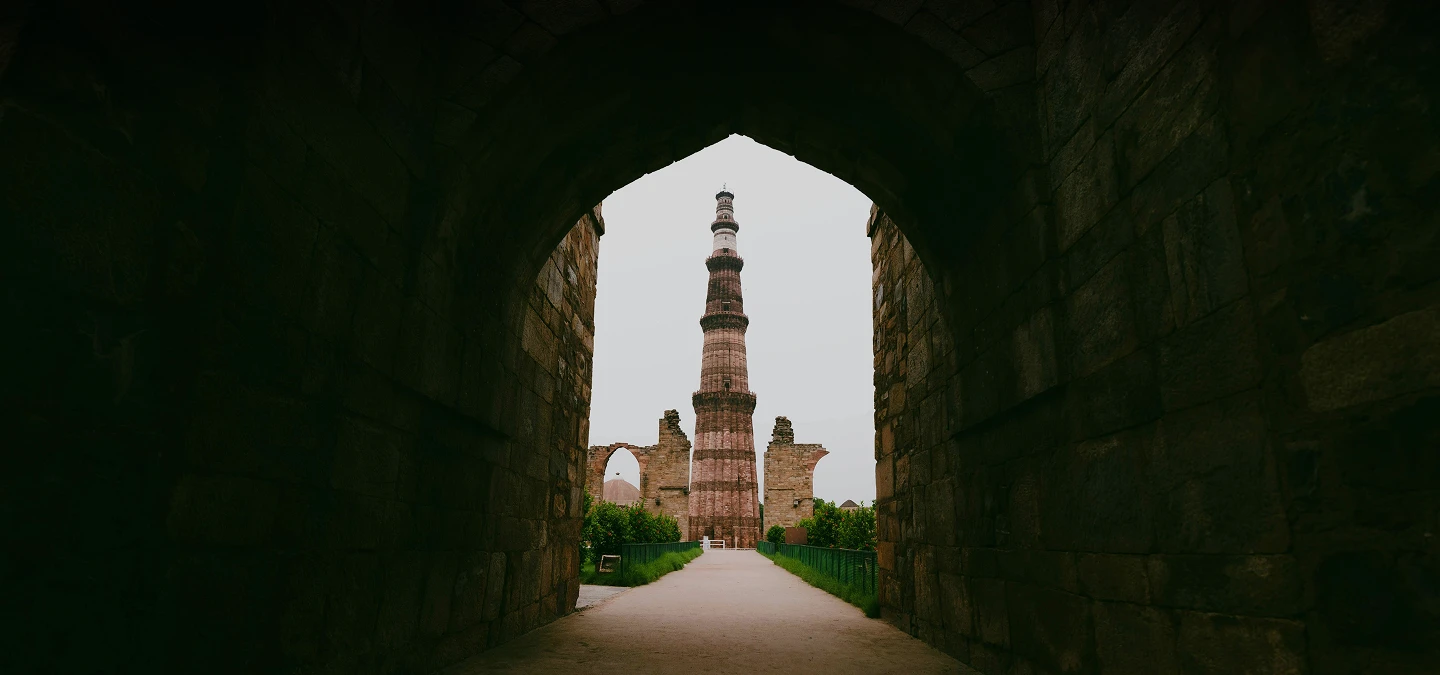
Begin your Golden Triangle Holiday from Delhi, India’s bustling capital, where the past and present blend seamlessly. Visit the Red Fort, a symbol of Mughal power, and stroll around India Gate, a memorial to fallen soldiers. Explore the Qutub Minar, an ancient tower, and don’t miss Humayun’s Tomb, a stunning example of Mughal architecture. The lively streets of Chandni Chowk offer a taste of Delhi’s vibrant markets and rich history.
Next, travel to Agra, home to the world-renowned Taj Mahal, a timeless symbol of love. This UNESCO World Heritage site and one of the Seven Wonders of the World, this marble masterpiece is a must-see. Visit the nearby Agra Fort, a grand Mughal Fort with impressive views of the Taj, and explore Fatehpur Sikri, a deserted city that reflects the grandeur of the Mughal Empire.
Finally, your journey will take you to Jaipur, the Pink City of India. Visit the stunning Amber Fort, where you can ride an elephant to its entrance and marvel at the delicate architecture of Hawa Mahal. Explore the Grand City Palace, a blend of Mughal and Rajput styles, and the impressive Jantar Mantar, an ancient astronomical observatory.
Each city offers a unique glimpse into India’s rich cultural heritage, making Golden Triangle Holidays memorable for a lifetime. It’s time to book your unforgettable journey with Memorable India!

Selecting the right vessel is the single most important decision before an Alappuzha boat tour. Each of these options delivers a fundamentally different experience of the same waterways.
The Kettuvallam is a gigantic barge made of thatched wood, usually 60 to 70 feet long and about 15 feet wide, originally used for the transportation of rice and coir through the backwaters. Modern Kettuvallams used for tourism have been fitted with bedrooms, a living room with seating, a kitchen, a bathroom, and a shaded upper deck. They are floating accommodation and not just a mode of transport.
An Alappuzha houseboat trip is on an overnight basis. Check-in is often around noon, and boats are bound by inland waterway regulations to moor by 6 PM and then be anchored until 8 AM. Meals are prepared on board by a dedicated crew and are usually fresh Kerala cuisine with rice, fish curry, stir-fried vegetables and coconut-based dishes obtained locally. The crew on a typical two-bedroom houseboat will typically consist of a captain, a helper, and a cook.
The Kettuvallam is the right choice for couples and honeymooners, as well as for small families who wish to have a slow and immersive experience and do not need to cover a lot of ground in a day. The pace is the point. This is the trip to Alappuzha houseboats that most people think of when they thought about Kerala.
Houseboats come in several types, ranging from standard to deluxe to luxury. The major differences are the quality of interiors, size of deck, air conditioning (usually on from 9 PM till 8 AM in most packages), and the quality of the kitchen.
Shikara boats are smaller, motorized open craft, which are lighter than houseboats and can reach the narrow canals where the larger vessels cannot. Seating normally holds between 12 to 15 people. An Alappuzha boat ride on a shikara can be anywhere from 2 hours to an entire day ride, with a travel time of 6 hours depending on the route taken and the stops made.
The shikara is the right choice for those travellers who are interested in the texture of the village canal life rather than the open lake experience. These boats go by close to people doing the laundry in steps by the canal, houses built right over water, and thin passages where the vegetation overhead forms a tunnel of green. They are also considerably more affordable than houseboats and appropriate for those who would like to have the actual backwater experience without the overnight commitment.
A step below a shikara and a full houseboat, the day cruise vessel is a mid-sized motorized boat accommodating larger groups for journeys normally running 5 to 8 hours. Alappuzha boat house day trip options are mostly based on this format. A regular day cruise takes the route from Rajiv Boat Jetty to Punnamada Lake to Vembanad Lake, strikes a meal either onboard or at a canal-side location in midday, and includes an optional visit to a place like Pathiramanal Island or Champakkulam Church.
The day cruise format is practically designed for families travelling with elderly members or young children, where the flexibility of a shikara may feel less stable, and the commitment of an overnight houseboat is more than needed.
The government-run public ferry service between Alappuzha and Kottayam is one of the most neglected backwater experiences and also one of the most authentic. This is a working commuter service and not a tourist boat. It makes frequent stops at village jetties all over the Kuttanad region. The views from the ferry’s upper deck (especially through the paddy belt sections) are among the best on any means of transport in Kerala.
The ferry charges a nominal fare and operates on a scheduled time from Alappuzha Boat Jetty and completes the route in around 3 hours. For independent travellers and repeat visitors looking for a raw, uncensored backwater experience, this is an underrated starting point.
Selecting the right vessel is the single most important decision before an Alappuzha boat tour. Each of these options delivers a fundamentally different experience of the same waterways.
The Kettuvallam is a gigantic barge made of thatched wood, usually 60 to 70 feet long and about 15 feet wide, originally used for the transportation of rice and coir through the backwaters. Modern Kettuvallams used for tourism have been fitted with bedrooms, a living room with seating, a kitchen, a bathroom, and a shaded upper deck. They are floating accommodation and not just a mode of transport.
An Alappuzha houseboat trip is on an overnight basis. Check-in is often around noon, and boats are bound by inland waterway regulations to moor by 6 PM and then be anchored until 8 AM. Meals are prepared on board by a dedicated crew and are usually fresh Kerala cuisine with rice, fish curry, stir-fried vegetables and coconut-based dishes obtained locally. The crew on a typical two-bedroom houseboat will typically consist of a captain, a helper, and a cook.
The Kettuvallam is the right choice for couples and honeymooners, as well as for small families who wish to have a slow and immersive experience and do not need to cover a lot of ground in a day. The pace is the point. This is the trip to Alappuzha houseboats that most people think of when they thought about Kerala.
Houseboats come in several types, ranging from standard to deluxe to luxury. The major differences are the quality of interiors, size of deck, air conditioning (usually on from 9 PM till 8 AM in most packages), and the quality of the kitchen.
Shikara boats are smaller, motorized open craft, which are lighter than houseboats and can reach the narrow canals where the larger vessels cannot. Seating normally holds between 12 to 15 people. An Alappuzha boat ride on a shikara can be anywhere from 2 hours to an entire day ride, with a travel time of 6 hours depending on the route taken and the stops made.
The shikara is the right choice for those travellers who are interested in the texture of the village canal life rather than the open lake experience. These boats go by close to people doing the laundry in steps by the canal, houses built right over water, and thin passages where the vegetation overhead forms a tunnel of green. They are also considerably more affordable than houseboats and appropriate for those who would like to have the actual backwater experience without the overnight commitment.
A step below a shikara and a full houseboat, the day cruise vessel is a mid-sized motorized boat accommodating larger groups for journeys normally running 5 to 8 hours. Alappuzha boat house day trip options are mostly based on this format. A regular day cruise takes the route from Rajiv Boat Jetty to Punnamada Lake to Vembanad Lake, strikes a meal either onboard or at a canal-side location in midday, and includes an optional visit to a place like Pathiramanal Island or Champakkulam Church.
The day cruise format is practically designed for families travelling with elderly members or young children, where the flexibility of a shikara may feel less stable, and the commitment of an overnight houseboat is more than needed.
The government-run public ferry service between Alappuzha and Kottayam is one of the most neglected backwater experiences and also one of the most authentic. This is a working commuter service and not a tourist boat. It makes frequent stops at village jetties all over the Kuttanad region. The views from the ferry’s upper deck (especially through the paddy belt sections) are among the best on any means of transport in Kerala.
The ferry charges a nominal fare and operates on a scheduled time from Alappuzha Boat Jetty and completes the route in around 3 hours. For independent travellers and repeat visitors looking for a raw, uncensored backwater experience, this is an underrated starting point.