 +919871148514
 info@memorableindia.com
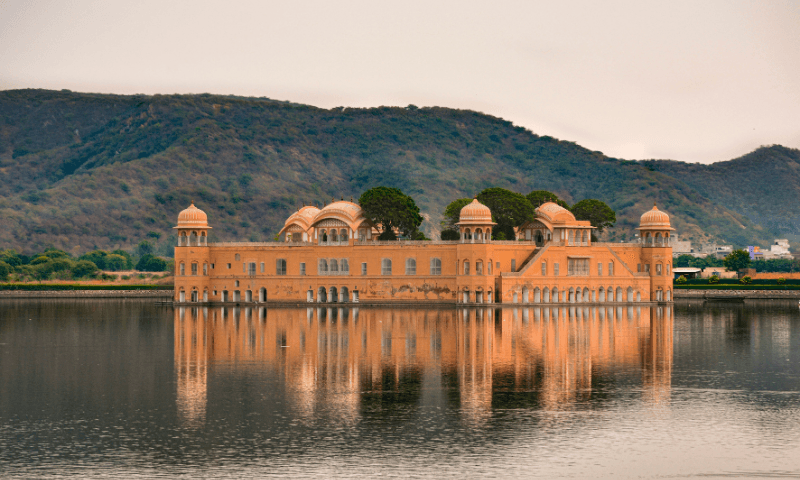
Rajasthan need not be sold on grandeur. The state put it into every sandstone wall, every carved jharokha, and every royal dining table set with silver. What it does need is a guide that helps modern travellers to access that grandeur without compromise.
Planning a luxury trip here is not just about booking a luxury hotel. The best Rajasthan holidays are the ones that blend heritage stays, curated experiences, authentic cuisine and the kind of personal service that makes a trip feel genuinely different. Here are 10 ways to ensure that your Rajasthan vacation delivers exactly that.
The Rajasthan Palace hotel stay is the core of any luxury trip to Rajasthan. Udaipur’s Taj Lake Palace, Jaipur’s Samode Haveli, Jodhpur’s Umaid Bhawan, and Jaisalmer’s Suryagarh are all properties in which royal architecture has been converted into world-class hospitality without robbing the soul out of the building.
These are not themed hotels. They are real royal residences and fort compounds where you sleep in rooms once reserved for maharajas, walk through courtyards which have witnessed centuries of history, and eat in rooms with painted ceilings and stonework from the Mughal era. The first, most important step on this list should be booking a palace hotel.
Luxury travel is always partly about comfort, and the Rajasthan climate makes timing a major factor. The best time to visit Rajasthan weather is between October and March for a comfortable and high-quality experience. During these months, the days are pleasant for sightseeing, the evenings are cool enough for candlelit outdoor dinners, and the landscape around Udaipur and Pushkar is at its most photogenic.
November to February in particular has the most balanced conditions: Jaipur, Jodhpur, Udaipur and Jaisalmer are all accessible in one trip without having to fight in extreme heat. The Pushkar Camel Fair, the Jaipur Literature Festival, and the Desert Festival in Jaisalmer all fall within this window, which adds a cultural texture to an itinerary.
If you are visiting in summer (April to June), the retreat of the hills of Mount Abu and the cool interiors of thick-walled forts give a good relief. Monsoon (July to September) brings lower rates and empty heritage properties, which is something to look out for travellers who are not as concerned with perfect weather.
Rajasthan cannot be hurried. A Rajasthan tour 10 days complete itinerary, is the minimum recommended time period for a tour that includes Jaipur, Pushkar, Jodhpur, Jaisalmer and Udaipur with real depth. Rushing through five cities in five days will mean that you see the main forts but miss everything else: the back lanes of Jodhpur’s old city, a morning boat ride on Lake Pichola, a sunset walk inside Jaisalmer Fort or a quiet evening at Deogarh.
A well-planned 10-day travel to Rajasthan usually looks like this: two to three days in Jaipur, a day at Pushkar or Ajmer, two days in Jodhpur, two days in Jaisalmer and two to three days in Udaipur. Each leg should consist of both of the major monuments as well as at least one experience not on a generic checklist, be it a cooking class, a village jeep safari, or a private haveli tour.
Many international and domestic travellers arrive in Rajasthan through Delhi by combining the two into one trip is an efficient and rewarding way to structure a more extended trip. A Golden Triangle tour 7 days itinerary of Delhi, Agra, and Jaipur can act as an ideal starting point to head further into Rajasthan.
After Jaipur, continuing the journey towards Jodhpur, Udaipur, or Jaisalmer creates an additional texture and contrast. The Taj Mahal, the step-wells of Jaipur, and the camel dunes of Jaisalmer are three completely different visual and cultural registers, and an experience of all three on one trip makes for a well-rounded Incredible India itinerary.
If this combination is of interest to you, Memorable India’s 7 Days Golden Triangle Tour provides a good reference point before adding on a Rajasthan extension.
How you travel between Rajasthan’s cities is as important as where you stay. Luxury here means a private air-conditioned vehicle, with a knowledgeable driver, not a crowded tourist bus. Private road travel means that you can stop at Stepwells on your way from Jaipur to Jodhpur, stop at the marble Jain temples of Ranakpur on the way to Udaipur, or make a detour through the quiet village of Rohet.
For longer distances, domestic flights between Jaipur, Jodhpur and Udaipur are a viable option. The state also has 2 of the premier luxury trains in India, The Palace on Wheels and the Maharajas Express, which is an amalgamation of heritage rail travel with 5-star onboard service and curated destinations at major royal destinations.
Jaisalmer’s Sam Sand Dunes have an increasing number of luxury desert camps that offer private tented suites with attached bathrooms, bed linen, and a very different type of outdoor hospitality. The better camps are well away from the crowded public dune areas and run smaller, more intimate camps with bonfire evenings, folk music shows, and camel or jeep safaris at dawn.
A night in the desert is one of the most unique things that Rajasthan offers. Waking to silence and giant dunes before sunrise is not a palace hotel with all its splendor and grandeur that can replicate. When planning your Rajasthan holiday packages itinerary, this one should be counted as a separate experience and not as a quick afternoon out.
Rajasthani cuisine is, at the best of times, not street food. While dal baati churma from a roadside stall has its own appeal, luxury dining in Rajasthan looks different. Rampuriya Haveli, Bikaner, the rooftop restaurants of Udaipur facing Lake Pichola or a private royal thali experience arranged through a heritage hotel, brings out the depth of Rajasthani cooking: game preparations from the royal kitchens of Jodhpur, safed maas (white mutton curry), and laal maas (red chilli mutton) and an extraordinary range of vegetarian preparations that reflect the diversity of the communities of Rajasthan.
Several heritage hotels are now offering curated food experiences such as cooking sessions with palace chefs, high teas held in Mughal-style gardens, and candlelit dinners held in private courtyards. These are worth booking in advance.
The difference between a good trip and a really memorable one in Rajasthan often comes down to access. Generic sightseeing gets you inside the forts. Cultural access gets you behind the scenes: Private introduction to a miniature painting master in Jaipur, a puppet-making session in Udaipur, a local dyer’s workshop in Jodhpur, or an early morning aarti at a temple before the crowds arrive.
Responsible travel in Rajasthan also entails supporting the local artisans and craft communities through direct purchases and guided workshops instead of buying mass-produced replicas from tourist shops. The economic and cultural benefits of this approach are great for craft families who have been able to maintain their skills for generations.
Jaipur, Jodhpur, Jaisalmer, Udaipur, and Pushkar form the standard circuit. But for the travellers on a longer Rajasthan heritage tour 2 weeks detailed itinerary is provided, as the less-visited towns often provide the most rewarding experiences.
Bundi is a small fortified town in the Hadoti region less than three hours from Jaipur, with a crumbling palace, a step-well and almost no tourist infrastructure. Mandawa and Nawalgarh in the Shekhawati region are renowned for their painted havelis, which are decorated with the entire walls and ceiling of fresco work commissioned by merchant families, equal to any formal museum collection. Deogarh, between Ajmer and Udaipur, has one of the best authentic and intimate heritage hotel experiences in a real fort in Rajasthan.
Adding even one of these stops to a standard itinerary adds a quality to the trip that no five star hotel in Jaipur can replicate.
The distinction between a luxury Rajasthan trip and an expensive but forgettable one often comes down to who planned it. Generic online portals book rooms and transfers. A specialist travel company helps to shape the arc of the journey, to match your pace and interests to the right destinations, and to help with the friction of delayed trains, changes in the weather, and unavailable restaurants that are inevitable without disrupting the experience.
Memorable India’s Rajasthan tour packages are designed around precisely this type of specialist planning in terms of heritage stays, access to cultural experiences, private transport and curated experiences in a comprehensive range of destinations within the state, from the well-known to the genuinely off the beaten track.
A luxury vacation in Rajasthan is not all about the rate of rooms per night. It is constructed from the combination of right timing, properly paced itinerary, heritage accommodation with real character, private transport, cultural depth, and the kind of planning that removes the friction but not the discovery.
Rajasthan bounces back to the travellers who come ready and eager. Do that well, and the state returns it in full: carved sandstone at sunset, the stillness of a palace garden in the early morning, the smell of wood smoke drifting over desert dunes, a dining table set under stars that have looked down on kings.
Q1. What is the best time to visit Rajasthan for a luxury holiday?
October to March is best time to visit Rajasthan for a comfortable and memorable trip. The weather is pleasant for sightseeing, heritage properties are in full swing and major cultural events are within this period. November to February is especially suitable for a full circuit itinerary.
Q2. How many days are enough fora Rajasthan Tour?
A minimum of 10 days is recommended in case of a trip that involves Jaipur, Jodhpur, Jaisalmer, and Udaipur with sufficient time at each of these destinations. A two week trip offers further exploration of the less-visited towns such as Bundi, Mandawa, or Deogarh.
Q3. What makes a Rajasthan palace hotel stay different from a normal five-star hotel?
Palace hotels are actual royal buildings, such as converted forts, havelis and royal residences. The architecture, interiors and setting are historically important in ways that a modern luxury hotel cannot replicate. The hospitality in these properties is also inclined to be more personalised.
Q4. Can a Rajasthan trip be combined with the Golden Triangle itinerary?
Yes, and it is a popular and practical combination. A 7-day Golden Triangle tour that covers Delhi, Agra, and Jaipur can be extended to more days in Jodhpur, Jaisalmer or Udaipur. This structure works well for both international visitors and domestic travellers who have a two-week window.
Q5. What should luxury travellers avoid in Rajasthan?
Rushing from one city to another with too many places, booking through generic portals without any specialist help, avoiding the less-known places in favour of the famous five, and making the desert camp an afternoon activity rather than an overnight one are all common pitfalls to why a luxury Rajasthan trip from living up to its potential.

12 Best Places to Visit in Phuket, Thailand
20 Feb 2026
10 Ways to Have a Luxurious Vacation in Rajasthan
20 Feb 2026
15 Best Places to Visit in Ladakh That Will Leave You Spellbound
19 Feb 2026
15 Best Places to Visit in Ajmer, Rajasthan: A Complete Travel Guide
18 Feb 2026
12 Blue Flag Beaches in India: Where Pristine Shores Meet World-Class Standards
18 Feb 2026


