 +919871148514
 info@memorableindia.com
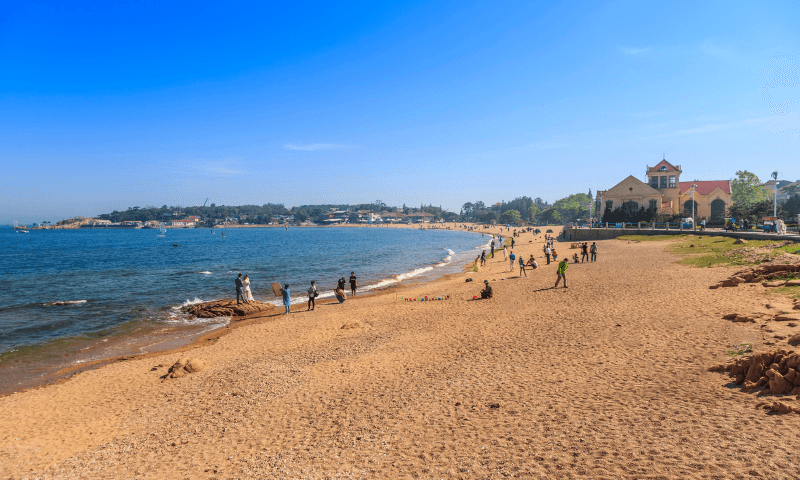
India’s coastline extends for more than 7,500 kilometres and has something to satisfy everyone, from secluded coves to busy beach towns. But only a select few have been certified to the prestigious Blue Flag, an international eco-label recognising beaches that meet high standards of environmental, safety, and accessibility. These are not just beautiful stretches of sand, but they are India’s commitment to sustainable coastal tourism and marine conservation.
Blue Flag certification is awarded by the Foundation for Environmental Education (FEE) and the beaches must meet 33 criteria regarding water quality, environmental management, safety services and environmental education. For travellers, this certification means that you are visiting beaches that are not only stunning but clean, safe, and responsibly managed.
Here’s your guide to the 12 Blue Flag beaches of India that offer unique experiences while also ensuring world-class environmental standards.
Located near the city of Dwarka in Gujarat, Shivrajpur became one of the first Blue Flag beaches in India. The beach is located on the Arabian Sea, which has calm waters suitable for swimming and a peaceful environment for people who want peace rather than commercialisation.
The clear, turquoise waters here provide glimpses of marine life, so it is good for snorkelling in the less busy months. The beach follows good waste management practices, with designated bins for sorting and cleaning schedules. Local authorities have come up with well-maintained pathways and sitting areas without disturbing the natural landscape.
Shivrajpur is ideal for families seeking safe conditions for swimming and couples who prefer quieter coastal experiences. The location is close to Dwarka, so it is easy to combine and spend time relaxing on the beach while also visiting the temple and exploring the culture.
Ghoghla Beach in Diu Island has the perfect mix of nature and modern amenities. As the longest on this little island, it offers plenty of space even during peak tourist seasons, golden sands backed by casuarina groves providing natural shade.
The beach has areas marked for various activities, such as swimming with lifeguard supervision, for beach games, and areas where one can sit to simply drift in the waters. The surrounding infrastructure is equipped with well-maintained walkways, clean changing rooms, and information boards with information on the ecology of the area and safety guidelines.
Water quality here consistently meets international standards, and it is regularly monitored to ensure that it is safe for swimmers. The beach management has introduced solar lighting systems and rainwater harvesting, which demonstrate the practical measures of sustainability. For families who plan to go for beach holidays, Ghoghla boasts reliable facilities and services that make traveling on the coast comfortable.
Karnataka has two beaches included in the Blue Flag list, both of which are in the Udupi district. Kasarkod Beach, with a vast stretch of sand and relatively clean beaches, the beach offers beautiful sunsets and relatively mild waves. The beach has been built with very good facilities, with the natural character still present, including designated swimming zones and safety signage.
Padubidri Beach little further north along the same stretch of coast, has similar qualities with perhaps better water clarity. Both beaches enjoy the strong involvement of the local communities in conservation efforts with the local fishing communities taking an active interest in beach clean-up drives and environmental awareness programmes.
These Karnataka beaches cater to those on a tour to the coastal temple towns of Udupi and Mangalore, which provide good beach experiences along with cultural tourism. The beach tour packages combining these destinations with nearby attractions provide comprehensive coastal Karnataka experiences.
Historically significant as the landing place of Vasco Da Gama in 1498, Kappad Beach near Kozhikode carries both heritage value as well as natural beauty. The beach has a very unusual rock formation jutting out to sea and provides sheltered areas which are ideal for families with young children.
The Blue Flag certification here is a reflection of Kerala’s commitment towards responsible tourism at large. The beach is kept in a pristine state by the active participation of the community, and through regular clean-ups and education programmes led by local groups among visitors and residents alike.
Kappad’s waters are also clean and swimmable most of the year, with lifeguards at work during the day. The infrastructure on the beach consists of accessible pathways, clean facilities and information centres about the historical and ecological significance of the area. For couples making a trip to Kerala, Kappad provides romantic settings in terms of sunset, coupled with the depth of culture.
Eden Beach, Puducherry, is introducing Blue Flag on the east coast of India. Located in the heart of the French colonial town, this beach is both internationally certified and combines with the unique ambience of the town of Puducherry. The promenade on the beach has nice walking paths that are maintained, so it makes for a great morning jog or evening stroll.
The beach management here is an example of an urban coastal conservation done right. Despite being in a high population area, Eden Beach has excellent water quality due to a rigorous program of pollution control and regular water quality monitoring. The facilities have accessible ramps, clean public washrooms and different zones for different activities.
Eden Beach is especially good for those who want to combine being on the beach with Puducherry’s colonial architecture, cafes and cultural sites. The controlled approach in development ensures that the beach is still fun without overcrowding that can be seen in some popular coastal destinations.
Not to be mistaken with Kerala’s famous Kovalam, this Blue Flag beach at Kovalam, Tamil Nadu, is a different experience on the coasts. Located in the Chengalpattu district, the beach has fine sands and clear waters with coastal vegetation to offer natural shade to the beach.
The beach has taken extensive safety precautions such as lifeguard patrol, demarcation of swimming zones, and weather warning systems. Environmental management, such as solar installations, waste segregation systems and limitations on the use of plastics at beach premises.
The location of Kovalam helps it to offer quick coastal getaways from the city of Chennai for quality beach experiences without travelling much. The beach activities that India water sports are limited to preserving the natural environment but swimming and games at beach remain popular.
Rushikonda Beach near Visakhapatnam is a combination of the Blue Flag certification and the increasing reputation of Andhra Pradesh as a beach tourism destination. The beach has a unique curved shoreline with golden sands touching the Bay of Bengal’s clear waters.
What is distinctive about Rushikonda is its balance between development and conservation, on successful terms. The beach has modern facilities such as changing rooms, fresh water showers, and sitting areas with a minimal environmental impact. The surrounding hillocks offer scenic viewpoints and also protect the beach from the brunt of excessive winds.
Beach management here includes active marine conservation with information boards educating visitors about local marine life and the importance of keeping shores clean. The beach caters to active travellers with areas marked for beach volleyball and other activities, while others are set aside for relaxing.
Often rated amongst the best beaches in Asia, Radhanagar Beach on Havelock Island (now Swaraj Dweep) is a beautiful example of nature and a Blue Flag certified beach. The beach has powdery white sands, turquoise, crystal clear water and lush tropical forests for the dramatic backdrop.
Radhanagar’s Blue Flag status represents the commitment of the Andaman Islands towards sustainable tourism in general. Despite its popularity, the beach has strict visitor capacities to ensure that it does not get overcrowded and become degraded. Facilities include eco-friendly changing rooms, clean washrooms, and well-trained lifeguards ensuring the safety of swimmers.
The location of the beach in a protected ecosystem implies the strictest rules regarding the activities, but swimming, sunbathing and nature photography are the exceptions. For India honeymoon places that are searching for beach destinations, Radhanagar is the ultimate choice to provide with the best natural beauty and romantic seclusion. The nature travel packages to the Andamans often highlight this beach as a centrepiece experience.
Lakshadweep’s entrance into the Blue Flag’s list, Minicoy Thundi Beach, is an Indian tropical paradise at its best. The coral island environment offers turquoise lagoons, unspoiled white sands and some of the clearest waters in India, which is perfect for snorkelling and swimming.
Reaching Minicoy requires permits and planning, but the journey rewards visitors with an unspoiled coastal environment. The small size of the island and low-level tourist infrastructure are natural constraints on the number of visitors, which helps keep the island conditions required to maintain its Blue Flag certification.
Beach management works hand in hand with the local community, whose traditional knowledge of marine conservation augments modern environmental standards. The beach has basic but clean facilities, with the focus on natural beauty as opposed to commercial development.
Miramar Beach in Panaji has a Blue Flag rating for the capital city. Located at a confluence of the Mandovi River and the Arabian Sea, this urban beach has the ease of accessibility coupled with international environmental standards. The golden sands extend along a nicely kept promenade, which is popular with tourists and locals alike.
Despite being an urban area, Miramar is remarkably clean due to cleanliness standards and consistent maintenance, and waste management. The beach has clean washrooms, changing rooms, and designated parking areas. Lifeguards patrol swimming zones during operating hours to provide for the safety of the visiting public.
Miramar’s proximity to Panaji makes it the perfect destination for travellers who are looking for quick access to the beach while exploring the capital of Goa. The beach is a combination of convenience and quality with a view of the sunset against the Arabian Sea.
Odisha’s Paradeep Beach is certified as a Blue Flag, making the eastern coast of Odisha famous. Approaching the Mahanadi River and the Bay of Bengal, this beach has extensive stretches of sandy land, which is relatively suitable for swimming during good weather.
The beach has developed some strong infrastructure in the form of accessible pathways, clean facilities, and information centres that explain the local marine ecology. Environmental education programmes involve both visitors and local communities in terms of conservation action.
Paradeep Beach is ideal for travellers who want to explore the lesser-known coastal regions of Odisha and seek quality experiences of beaches away from other, more commercialised beaches.
Puri’s Golden Beach offers another Odisha entry to the Blue Flag list. This beach is a special one due to its proximity to the sacred Jagannath Temple town, which is a combination of spiritual tourism and good coastal experiences. The broad golden sands provide the beach with its name, which stretches along the Bay of Bengal.
Golden Beach has introduced full safety and environmental management systems. The beach has designated swimming areas with lifeguard treatment, clean facilities and waste management infrastructure. Despite the fact that Puri is a major pilgrimage spot, the beach continues to uphold its Blue Flag standards with regular monitoring and community participation.
For best beaches in India family vacation planning, Golden Beach is offering the unique combination of spiritual significance, cultural experience and certified coastal quality.
Visiting these certified beaches requires some preparation to make the most of your experience while respecting their conservation standards. Most beaches have operational hours with lifeguard services; usually from early morning till evening. Outside of these hours, swimming may be limited for safety reasons.
Pack reef-safe sunscreen so you can protect marine ecosystems, and bring your own water bottles instead of drinking from single-use plastic. Lots of Blue Flag beaches have strict policies against plastic, with water refill stations available. Respect marked swimming zones and activity areas; these are there for safety as well as environmental protection.
For those families planning longer stays around the coast, look at combining different Blue Flag beaches in one area. Gujarat’s Shivrajpur can be perfectly complemented by the cultural sites of Dwarka and Karnataka’s Kasarkod and Padubidri beaches are not far enough to be included in a weekend itinerary. Odisha can be visited for two certified beaches in the same state, which makes multi-beach exploration a possibility.
Timing varies by coast. West coast beaches of Gujarat, Goa, and Karnataka are best from October to March with calm seas ideal for swimming. Kerala’s beaches are open throughout the year, although the monsoon months are rougher times.
East coast beaches such as Rushikonda, Kovalam, Paradeep and Golden Beach are best visited between November and February, during which waters are calm. The Andaman Islands receive visitors from October to May with the peak season being around December and January. Lakshadweep has a shorter season from October to mid-May and the best conditions are from December to March.
India’s 12 Blue Flag beaches are a symbol of our commitment to sustainable tourism and environmental preservation on our coastal fronts. These beaches are not only beautiful places, but they also guarantee quality, safety and responsible management that makes them uniquely stand out among the vast coastline of India.
From Gujarat’s tranquil Shivrajpur to Odisha’s culturally rich Golden Beach to Karnataka’s twin gems on either side of the Bay of Bengal to the spectacular Radhanagar of the Andaman Islands, every Blue Flag beach is special in its own way, while living up to the same rigorous international standards. The diversity ranges from urban beaches such as Miramar and Eden to remote island paradises such as Minicoy, of which there is something for every type of traveller.
Ready to visit the cleanest shores of India? Find beach resorts india couples’ romantic getaways, and full coastal itineraries with these outstanding destinations as the backdrop. Blue Flag certification ensures you are making sustainable beach selections committed to maintaining safety, natural beauty, and sustainability, the perfect foundation for memorable coastal journeys.
What does Blue Flag certification mean for beaches in India?
Blue Flag certification means a beach is certified according to 33 international standards ranging from environmental quality to safety services, facilities, and environmental education. These beaches have regular water quality testing, keep the facilities clean, provide lifeguard service, fill in waste management systems, and make the beaches accessible to all visitors. The certification is renewed every year, and thus, beaches meet a consistently high standard.
Are Blue Flag beaches safe for swimming with children?
Yes, Blue Flag beaches are especially suitable for families with children due to their strict safety requirements. All certified beaches have trained lifeguards on duty during operational hours, marked swimming zones, first aid facilities, and regular water quality monitoring. However, always supervise children around water and keep in mind all warnings or restrictions because of weather and sea conditions.
Can I visit all 12 Blue Flag beaches throughout the year?
Seasonal variations affect different coasts. West coast beaches such as Shivrajpur, Ghoghla, and Miramar are best between October and March. East coast beaches are for November to February visits. Island destinations such as Radhanagar and Minicoy have shorter seasons, generally from October to May. Monsoon months are rougher seas with cut back services at most beaches, though Kerala beaches are partially accessible throughout all seasons.
Do Blue Flag beaches charge entry fees?
Most Blue Flag Beaches in India currently do not even charge an entry fee. However, you might find that there are parking fees and additional fees for such amenities as beach chairs, umbrellas, or water sports activities, where available. Island destinations such as Lakshadweep and Andaman Islands involve a permit while there are tourism fees, but these apply to an island in general and not to beach tourism.
What facilities can I expect at Blue Flag certified beaches?
All Blue Flag beaches have clean washrooms, changing facilities, fresh water showers, accessible pathways for differently-abled visitors, waste segregation bins, lifeguard services during the operational hours, first aid stations, and information boards on safety and environmental conservation. Some beaches provide other services such as parking spaces, food stalls, equipment rental, etc., depending on their location and level of development.
15 Best Places to Visit in Ajmer, Rajasthan: A Complete Travel Guide
18 Feb 2026
12 Blue Flag Beaches in India: Where Pristine Shores Meet World-Class Standards
18 Feb 2026
11 Best Places to Visit in Meghalaya for an Ethereal Experience
18 Feb 2026
How To Plan The Perfect Family Holiday In A Budget
13 Feb 2026
The Art of Living: The Best Ayurvedic Centres In India
12 Feb 2026


