 +919871148514
 info@memorableindia.com
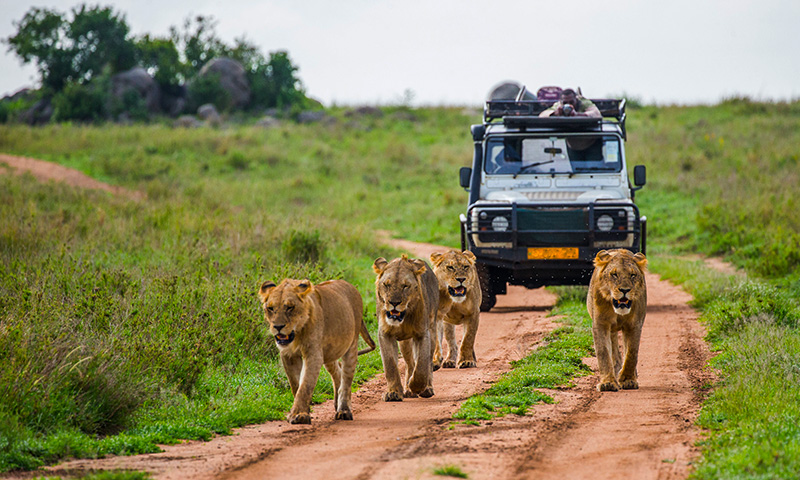
The Western Ghats, the Nilgiri Biosphere and the Eastern Ghats together form one of the most productive wildlife corridors on the subcontinent, home to tigers, elephants, gaur, leopards and more than a thousand bird species. For travellers who have already done the well-worn Ranthambore and Bandhavgarh circuit, the south offers something quieter, greener and often more rewarding: dense evergreen canopies, boat safaris on forest reservoirs, and shola grasslands where wild dogs still hunt in packs.
This guide covers the 15 most productive parks and reserves across Karnataka, Kerala, Tamil Nadu, Andhra Pradesh and Telangana, with practical notes on what to expect, when to go and how to book. Whether you want a serious tiger-focused trip or a family-friendly weekend in a forest lodge, the destinations below will help you plan a trip that actually delivers sightings rather than empty forest drives.
Part of the larger Nilgiri Biosphere Reserve, Bandipur sits at the meeting point of Karnataka, Tamil Nadu and Kerala and is one of the strongest tiger habitats in the country. Morning and evening jeep safaris run in two zones, with sightings of elephants, gaur, sambar and spotted deer close to guaranteed. Tiger and leopard sightings peak between February and May when the deciduous canopy thins out.
Contiguous with Bandipur, Nagarhole (Rajiv Gandhi National Park) is a fast-rising favourite for wildlife photographers. The habitat is a mix of moist deciduous forest and open swamps, and the Kabini backwaters attract one of the highest concentrations of Asiatic elephants in Asia during summer. This is also one of the few reserves in India with a genuine chance of spotting the black panther.
Technically the southern range of Nagarhole, Kabini deserves its own listing because the experience is so distinct. A boat safari on the Kabini reservoir supplements the jeep drives, giving you two viewing angles on the same forest. Sightings of elephant herds, marsh crocodiles, otters and osprey are routine, and the lodge scene here is arguably the most polished in South India.
An underrated tiger reserve in the Chikmagalur belt, Bhadra rewards patient travellers with a genuine wilderness feel. Fewer safari vehicles operate here compared to Bandipur, and the reservoir at the centre of the sanctuary supports elephants, gaur, wild dogs and a healthy leopard population. The surrounding coffee estates make it easy to build a longer nature-focused trip.
Kali Tiger Reserve in Uttara Kannada combines dense evergreen forest with the Kali river, which cuts through the reserve and enables both jeep safaris and river-based wildlife viewing. Black panther sightings have been rising here, and the reserve is a stronghold for the great Indian hornbill and Malabar pied hornbill. Adventure activities such as white-water rafting and coracle rides sit alongside serious wildlife tracking.
BR Hills is where the Western and Eastern Ghats meet, and the resulting habitat mix is unusually diverse. The reserve is home to a stable tiger population, sizeable elephant herds and the Soliga tribal community whose traditional ecological knowledge shapes conservation efforts here. Safaris are limited in number, which keeps the forest quiet and sightings unhurried.
Periyar flips the standard safari format on its head. Instead of a jeep, you board a state-run boat on the artificial Periyar Lake and let the wildlife come to the water. Elephants, sambar, wild boar, gaur and Nilgiri langurs are commonly seen along the shoreline, and the guided jungle walks and border hikes offer a more intimate look at the evergreen habitat. This is one of the few south india jungle safari places where the primary safari vehicle is a boat.
For a detailed breakdown of timings, boat categories and booking tips, our guide to the Periyar boat safari in Thekkady walks through every practical detail.
Part of the Nilgiri Biosphere Reserve and sharing borders with Bandipur, Nagarhole and Mudumalai, Wayanad forms the Kerala arm of one of the largest contiguous protected areas in the country. Elephant herds move freely across state boundaries, and sightings during safari drives are consistent. The Muthanga and Tholpetty ranges each offer separate safari entries, and the surrounding plantation belt makes Wayanad a comfortable base for a longer stay.
Silent Valley is a rainforest wilderness in the Nilgiris that was famously saved from a hydroelectric project in the 1980s. Vehicle safaris are limited and the park is best experienced through guided ecotours arranged by the Kerala Forest Department. Lion-tailed macaques, Nilgiri langurs, Malabar giant squirrels and great hornbills are the marquee species. This is a park for naturalists rather than casual safari-goers.
Tucked between the Anamalai and Nelliyampathy ranges, Parambikulam is one of the cleanest, most well-managed tiger reserves in India. The park runs a small number of eco-lodges inside the forest and controls visitor numbers strictly, which keeps the wildlife undisturbed. Bamboo rafting on the Parambikulam reservoir, guided treks and night stays in tree-top huts round out the experience. This is arguably the best wildlife safari south india option for travellers who want depth rather than volume.
Mudumalai sits at the tri-junction with Bandipur and Wayanad and completes the Nilgiri Biosphere circuit on the Tamil Nadu side. The park is well organised, with government-run mini-bus and jeep safaris departing from the Theppakadu reception centre. The elephant camp at Theppakadu, where captive elephants are cared for, is a family-friendly addition to any visit. Sightings of dhole (Indian wild dog) here are among the best in the country.
Anamalai covers the Valparai plateau and the surrounding Anaimalai Hills, a landscape of shola forests, tea estates and evergreen valleys. The reserve protects the endangered lion-tailed macaque and Nilgiri tahr and is a hotspot for birdwatchers. Safari access is regulated, and the best sightings often come from patient drives through the tea estate roads at dawn and dusk rather than from formal safari zones alone.
Mukurthi is a high-altitude park in the Nilgiris built around shola-grassland habitat rather than lowland forest. It is the last stronghold of the Nilgiri tahr in the wild, and access is on foot with forest department permits rather than by jeep. Trekkers and serious birders will find it deeply rewarding; casual safari travellers will not. Include it as a specialist add-on to an Ooty-based trip.
Once notorious as bandit country, Sathyamangalam is now one of the fastest-recovering tiger reserves in India, with camera-trap records showing steady population growth. It bridges the Western and Eastern Ghats and forms part of the elephant migration corridor between the Nilgiris and BR Hills. Safaris are still relatively low-key, which suits travellers looking to avoid crowded parks.
The largest tiger reserve in India by area, Nagarjunsagar-Srisailam spans the Nallamala hills across two states and offers a very different landscape from the Western Ghats parks. Boat safaris on the Krishna river, jeep drives through dry deciduous forest and cultural add-ons like the Srisailam temple make it a well-rounded destination. Tiger densities are lower than in the Karnataka parks, but the sense of scale and solitude is unmatched.
A satisfying wildlife trip in the south usually pairs two contrasting reserves rather than trying to cover all fifteen in one visit. The most popular combinations look like this:
Book safari slots well in advance during long weekends and school holidays, particularly in Karnataka where daily jeep quotas fill quickly. Kerala and Tamil Nadu parks generally allow bookings closer to the date, but permits for Silent Valley, Mukurthi and Parambikulam should be arranged through the respective forest departments. Our South India tour packages can be tailored to include specific reserves alongside temples, backwaters and hill stations.
The overall window runs from October to May, but the peak varies by park. Winter months (November to February) offer the most comfortable weather and are ideal for first-time travellers. Summer (March to May) is the serious wildlife photographer season, when receding water sources concentrate animals around lakes and waterholes. Most parks close entirely during the monsoon (June to September), though Periyar and a few Kerala reserves remain open with reduced activity.
Memorable India has been designing tailor-made wildlife and cultural itineraries from New Delhi since 2005. For the south specifically, we work with tried-and-tested forest lodges, arrange permits and jeep bookings in advance, and pair reserves with the cultural and landscape experiences that make South India worth the flight. Browse our full range of wildlife tour packages in India or reach out through our contact page to build a custom itinerary that fits your travel dates, group size and interests.
South India rewards travellers who go beyond the postcard checklist. Its forests are older, greener and often quieter than the more famous parks up north, and the safari format itself, mixing jeep drives with boat rides and guided walks, keeps the experience fresh. Pick two reserves that suit your travel style, give each enough time, and the region will do the rest. When you are ready to plan the trip, our team can help you build an itinerary that fits your dates, budget and interests.
Bandipur, Nagarhole and Kabini in Karnataka currently offer the highest tiger sighting probabilities in South India, particularly between February and May when the deciduous forest thins out and animals concentrate near water sources.
South India (Karnataka, Kerala, Tamil Nadu, Andhra Pradesh and Telangana combined) is home to more than 20 national parks and over a dozen tiger reserves, along with several wildlife sanctuaries covering the Western Ghats, Nilgiri Biosphere and Eastern Ghats.
October to May is the broad season. November to February is best for comfortable weather and first-time visitors, while March to May is preferred by serious wildlife photographers because animals gather around remaining waterholes.
Yes. Periyar boat safaris, the Theppakadu elephant camp at Mudumalai, and jeep safaris at Bandipur and Wayanad are all well suited to families with children aged six and above. Younger children generally do better on boat safaris than on early-morning jeep drives.
For Karnataka parks (Bandipur, Nagarhole, Kabini, Bhadra), advance booking through the official Karnataka Forest Department portal is strongly recommended, especially on weekends and holidays. Kerala and Tamil Nadu reserves are more flexible but can also fill up during peak season.
Kabini during summer offers exceptional elephant congregations and occasional black panther sightings, making it the top pick for photographers. Parambikulam and Nagarhole are close seconds for those seeking quieter, less crowded conditions.
15 Amazing Temple Fairs in India: A Traveller’s Guide to Faith, Colour and Living Tradition
30 Sep 2026
13 Best Places to Explore in the Youngest State of Telangana
29 Sep 2026
12 Less Explored Destinations in Maharashtra Worth Adding to Your Travel List
28 Sep 2026
11 Must-Visit Museums in India for Wildlife Lovers
27 Sep 2026
11 Best Places in India to Celebrate Christmas
26 Sep 2026


