 +919871148514
 info@memorableindia.com
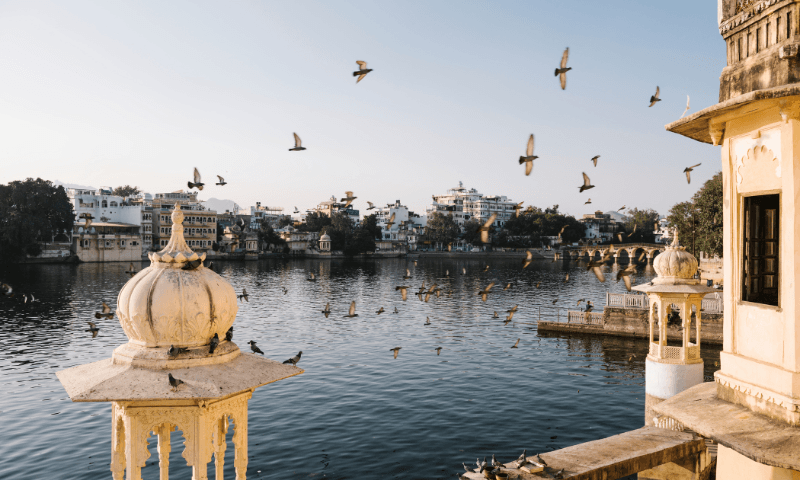
Ajmer is located at the center of Rajasthan, and it is a very interesting combination of spirituality, Mughal splendor and natural beauty. Unlike the more tourist-oriented parts of the state, this city retains its very own authentic character developed by centuries of Sufi traditions and Rajput history. The city is an ideal base to explore both the attractions of the city itself as well as the nearby Pushkar, which is ideal for travelers seeking to explore with a sense of cultural depth, while also doing sightseeing.
This guide talks about the best places to visit in Ajmer, Rajasthan, ranging from the iconic Ajmer Sharif Dargah to hidden gems that speak volumes about the layered identity of the city. Whether you are planning an Ajmer Pushkar tour from Jaipur day trip or a dedicated exploration of the region, it is important to understand the offerings of each different site so you can make the most of your time here.
The Dargah of Khwaja Moinuddin Chishti is the spiritual center of Ajmer and one of the most significant Sufi shrines in India. Built in the 13th Century, this complex draws millions of pilgrims per year, regardless of their faith in history. The Ajmer Sharif Dargah pilgrimage tour experience is more than religious tourism; it is about Sufi philosophy, Mughal architecture and the syncretic traditions that make this region its own.
The main shrine has intricate marble work, silver doors donated by different rulers, and a sanctum that is covered with a cloth embroidered with intricate designs and changed regularly. Visit during the early hours in the morning to avoid the crowds; the evening qawwali sessions provide a spiritual atmosphere like nothing else in the world. The market outside is selling rose petals, chadar (sacred cloths), and traditional sweets that are offered by the visitors at the shrine.
Practical tip: Take off shoes before entering the complex, and women should take a headscarf with them. Photography is restricted in the main shrine.
This man-made lake was commissioned by Anaji Chauhan in the 12th century and offers a serene experience respite from the hustle and bustle of the city’s streets. The lake covers 13 square kilometers with marble pavilions (baradaris) constructed by Emperor Shah Jahan on its banks. These structures are good places to watch the sunset.
The Daulat Bagh gardens by Emperor Jahangir are located alongside the lake and have nicely maintained lawns for evening walks. Boating facilities are open during the day, with a leisurely way to enjoy the expanse of the lake. Local families frequently visit this area on weekends, and it is a good place to observe the everyday life of Ajmer.
Perched on Nagpahari Hill, Taragarh Fort dates back to 1354 and offers panoramic views of the city of Ajmer and the surrounding Aravalli ranges. The climb consists of very steep pathways, but the climb is rewarded with large amounts of history and strategic vantage points explaining why this fort was considered militarily important.
The fort complex contains the Miran Saheb ki Dargah, huge water reservoirs carved out of rock and the remains of palace structures. The battlements give great photo opportunities to photographers, especially during golden hour. This place receives comparatively less footfall than other tourist attractions of Ajmer, and hence provides a quieter exploration experience.
Note: Wear comfortable walking shoes and carry water since there are limited facilities within the fort.
This Indo-Islamic architectural marvel used to be a Sanskrit college, which was converted to a mosque by Qutb-ud-Din Aibak in 1192. The name means “hut of two and a half days” and refers to either the speed of construction or to a festival that used to be held here.
The structure features outstanding screen work in stone with intricate calligraphy and geometric patterns. Seven arched walls are still in existence, having different design elements which show the transformation from Hindu to Islamic architectural styles. The site is an Archaeological Survey of India protected monument with very little commercial activity around it, letting one focus on the craftsmanship.
Also known as Lal Mandir, this temple houses one of the most elaborate museum displays in the whole of India on Jain cosmology. The main hall has a huge reconstruction of Jain concept of the universe in a huge wooden building with gold-plated wood and precious stones with minute details.
The display covers an area of 1,000 square feet and consists representations of the celestial realms, mythological stories, and symbols of religion. The temple itself is constructed on traditional Jain architectural lines with white marble and red sandstone. Non-Jains can visit the part of the museum, which gives context of Jain philosophy and practices.
Entry fee: Moderate charge for the museum section; entry to the main temple is free during darshan hours.
Built by the emperor Akbar in the year 1570, this fort was used as a residence and military base. Today, it is the Government Museum and holds an impressive collection of Rajput and Mughal armour, sculptures, and inscriptions from a number of centuries past.
The collection of the museum comprises pieces from the 6th to 19th century, with the stone sculptures from the medieval period being more notable. The fort’s architecture itself is evidence of Mughal military architecture, featuring thick walls and strategic locations. This site provides a historical background that helps put the role of Ajmer in the power equations of the region.
While mainly an educational institution, Mayo College is an exceptional Indo-Saracenic architectural work that is worth seeing from the outside. Established in 1875 by Lord Mayo as a school for the Indian aristocracy, the structures are a mix of Mughal, Rajput and British design elements.
The main building has white marble, ornate domes, and stonework that make it architecturally significant. Visitors can enjoy the exterior and the grounds, but you must request permission to enter. The campus yields insight into the colonial era educational institutions and their architectural ambitions.
Located at a distance of about 5 kilometers from the central Ajmer, this reservoir was developed as a famine relief project in the year 1892 by an English engineer known as Mr. Foy. The lake is a picnic spot for the locals and provides a nice view of the sunset with the Aravalli hills as a backdrop.
The area around Foy Sagar is still relatively undeveloped, which means that it is a quiet place away from city noise. Monsoon months and winter months are the time to visit the lake at its fullest; however, during summer months, the water level may be low. This spot is good for those travelers who want to reflect or take pictures in a quiet place.
This separate Jain temple complex has architectural features that are different than the Red Temple, where there is a focus on natural light and space. The temple’s details both in ceiling and has active religious functions, are evident throughout the day.
The complex illustrates traditional Jain temple-building principles with regard to its orientation, its proportions and its decoration schemes. Visitors interested in the comparative religious architecture will find this site of value, in addition to the more famous Red Temple.
This memorial is dedicated to Prithviraj Chauhan, who was the last Hindu ruler of Delhi before the Muslim conquest, and had close ties with Ajmer. The black marble structure is located at the top of Taragarh Hill, which again gives a great vantage point over the city.
The monument has inscriptions on it relating to the historical importance and military achievements of the Chauhan. While less ornate than other sites, it is culturally significant to those who are interested in Rajput history and identity.
The clock tower is the mark of the entrance to the old bazaar areas in Ajmer, where traditional commerce still carries on much as it has for generations. These markets specialize in rose products, leather items, old-fashioned sweets and textiles showcasing regional craftsmanship.
Walking through these lanes of the metropolis outside of visiting monuments gives cultural immersion.
The area surrounding the Dargah is especially characterised by shops of religious articles, perfumes and local goodies such as sohan halwa. Bargaining is expected and is a part of the market experience.
This ancient structure, which appears to be an older structure, is sometimes called Akbar’s Magazine and was used as a military storehouse during the Mughal rule. The building illustrates the functionality of Mughal architecture with the strength of its construction and the strategic location of the structure within the fort complex.
Currently maintained as a heritage structure, it provides another perspective into the military history of Ajmer and the logistics that aided Mughal campaigns in Rajasthan.
Located about 7 kilometers from Ajmer, this modern temple complex is in marked contrast to the historical sites of the city. Built during the latter part of the 20th century, made of white marble and interpretations of contemporary design, it has 24 mini temples, arranged according to Jain cosmological principles.
The location on top of a hill offers far-reaching views and the purity in the marble craft appeals to people who are interested in modern religious architecture. The complex reflects the adaptation of the traditional religious principles to modern methods of construction and aesthetic preferences.
Situated on the Taragarh Hill, this temple dedicated to the goddess of learning offers a mix of religious and scenic locations. The climb to reach it can be clubbed along with a visit to Taragarh Fort and makes efficient use of the time for those exploring the hill area.
The temple receives routine worship, especially from students who seek blessings for their academic achievements. The surrounding views include both city and country not only to give a geographical context of Ajmer’s location in the Aravalli range.
No discussion of Ajmer tourism would be complete without mentioning Pushkar, which is connected with excellent road links. This sacred town, built around a holy lake, has an entirely different atmosphere a smaller, more relaxed and revolves around Brahma worship and ghats.
The Pushkar Ajmer spiritual circuit is a blend of Sufi traditions and Hindu pilgrimage that offers a very rich cultural circuit. Pushkar’s famous camel fair (November) and numerous temples and colorful market culture make it a must for most of the visitors to this region. An Ajmer sightseeing tour one day can be prolonged to visit Pushkar too, though the town deserves its own dedicated time to be appreciated.
For travelers exploring Rajasthan more broadly, various Rajasthan tour packages include both Ajmer and Pushkar as part of comprehensive itineraries covering the state’s spiritual and cultural highlights. Those seeking a comprehensive experience with professional planning can explore Ajmer travel packages that offer structured itineraries maximizing time and local insights.
Best time to visit: October through March with pleasant weather. Summer months (April-June) are the period of intense heat which makes it difficult to go outside and explore.
How to reach: Ajmer is well connected by rail from Delhi, Jaipur and other major cities to Ajmer. The nearest airport is Jaipur (130 Kms away). Road conditions are good and thus an Ajmer Pushkar tour from Jaipur day trip is perfectly feasible.
Duration: A good Ajmer sightseeing tour one day covers the major sites, though two days can be done in a more relaxed manner and include Pushkar.
Accommodation: Choices vary from budget guesthouses near the Dargah to traditional Rajasthani hospitality in heritage hotels. A booking is essential in Urs festival (annual Dargah commemoration) and Pushkar Fair periods.
Local transport: Auto rickshaws and taxis are easily available. Many central places are within walking distance of each other, though a visit to Taragarh Fort and outlying places take wheels.
Ajmer pays dividends to those who value layered history, authentic spiritual traditions and architecture that spans close to a thousand years. The city’s location between the desert and the hills, between Hindu and Muslim cultural influences give it a particular kind of culture that is quite different from the more commercialized destinations of Rajasthan.
The places discussed here span from easily visited landmarks such as the Dargah to the quieter places that give a perspective on life in the region. Combining Ajmer with nearby Pushkar gives you a complete spiritual and cultural experience of the diversity of Rajasthan apart from the famous palaces and forts.
Start planning your visit to experience what it is that makes this corner of Rajasthan special-the authentic blend of devotion, history and Aravalli landscape that people have been drawn to for centuries.
What is Ajmer famous for?
Ajmer is essentially a city that is best known for its Ajmer Sharif Dargah, one of the most important Sufi shrines in South Asia. The city is also important from a historical perspective for its Mughal legacy, lakes, and proximity to Pushkar.
How many days are needed to explore Ajmer properly?
One full day will cover the major Ajmer sites adequately. Two days are possible keeping a relaxed pace with the inclusion of Pushkar. Three days give time for exploration and markets and less well-known sites.
Can Ajmer be visited as a day trip from Jaipur?
Yes, the distance between Ajmer and Jaipur is about 130 kilometers with good road connectivity. A day trip visiting Ajmer and Pushkar is possible, but it would be a long day. Starting early makes the most of sightseeing time.
What should I wear when visiting the Dargah?
Modest clothing that covers shoulders and knees is required of both men and women. Women must carry a headscarf. Shoes are required to be removed when entering the main shrine complex.
Is Ajmer safe for solo travellers?
Ajmer is generally safe for solo travellers, including women. Standard precautions apply – avoid isolated areas after dark, use registered transportation and be aware in crowded market areas. The religious atmosphere helps the development of a respectful atmosphere.
What local food should I try in Ajmer?
Sohan halwa (a dense and rich sweet) is Ajmer’s specialty. Other local specialties are kachoris, dal baati churma and several kebabs. The market areas around the Dargah have authentic local flavors.

10 Top Pollution-Free Places in India Worth Visiting
27 Feb 2026
12 Best Places for a Honeymoon in Himachal Pradesh and Uttarakhand
26 Feb 2026
11 Places Every American Tourist Should Visit in India
25 Feb 2026
10 Best Famous Temples to Visit in Karnataka
24 Feb 2026
13 Top Things to Do in Sikkim for an Eventful Holiday
24 Feb 2026


