+919871148514
 info@memorableindia.com
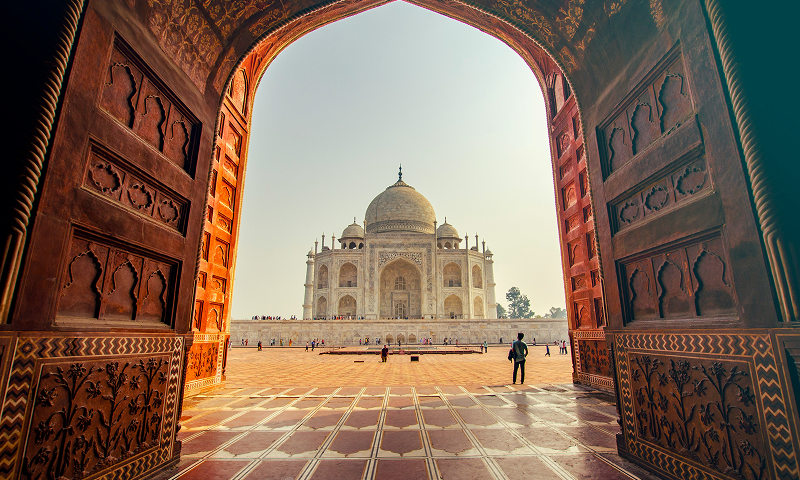
Agra is one of the most concentrated collections of Mughal architectural heritage in India. While the Taj Mahal remains the city’s most widely visited attraction, it is the history, culture and craftsmanship that attract far more than just the famous destinations. This guide covers 15 essential places that combine to paint a complete picture of Agra’s importance in Indian history, as well as its appeal to modern travelers, making it easier to identify the Best Sites to Visit in Agra in a structured and meaningful way.
An understanding of these destinations helps visitors make the most of their time while gaining a deeper understanding of the Mughal aesthetics, urban planning and cultural synthesis that characterized the architectural legacy of this empire. Many travelers combine these landmarks within a broader Delhi Agra Mathura Vrindavan Tour, allowing them to explore both imperial and spiritual circuits in one cohesive journey.
Emperor Shah Jahan commissioned this white marble mausoleum from 1632 to 1653 to honor his wife Mumtaz Mahal. The structure combines Persian, Islamic and Indian design concepts coupled with mathematical perfection that continues to inspire many architects around the world.
The monument changes character throughout the day – soft pink at dawn, brilliant white at noon, golden during sunset. The pietra dura inlay work uses 28 varieties of semi-precious stones such as jade, crystal, turquoise and lapis lazuli. Calligraphic inscriptions from the Quran frame doorways and arches while the perfect symmetry of the charbagh garden layout parallels Islamic ideas of paradise.
Practical information: Entry can be made only after pre-booking online. The site closes on Fridays. Sunrise visits also have the advantage of fewer crowds and softer light. Photography is not allowed in the main mausoleum. Located at a distance of about 6 km from Agra Cantonment Railway Station, the monument can be reached by an auto-rickshaw, taxi or electric bus. Budget 2-3 hours for proper exploration.
This 94-acre citadel was the main residence of Mughal emperors from Akbar to Shah Jahan. The red sandstone fortress contains many palaces, mosques and gardens that chronicle the evolution of Mughal architectural style.
Jahangir Palace is an example of Hindu-Persian architectural fusion. The Khas Mahal has marble pavilions where Shah Jahan spent his last years imprisoned by his son Aurangzeb from where he looked across the Yamuna at the Taj Mahal. The Diwan-i-Am (Hall of Public Audience) and Diwan-i-Khas (Hall of Private Audience), represent the administrative magnificence in the style of Mughal rule. The Moti Masjid (Pearl Mosque) and Nagina Masjid give a spiritual dimension to the complex.
Hiring a certified guide at the entrance helps to mold the historical context of stone structures into living history. Allow 2-3 hours for thorough exploration.
Located 40 km west of Agra, this 16th-century city served as the capital of the emperor Akbar from 1571 to 1585, until water shortage forced its abandonment. The entire complex built in red sandstone, is a manifestation of Akbar’s vision of architecture and religious tolerance.
Buland Darwaza – the world’s largest gateway measuring 54 meters in length – is the gateway to the complex. The Jama Masjid houses the marble tomb of Sufi saint Salim Chishti whose blessings supposedly resulted in the birth of Akbar’s heir. The five-storey Panch Mahal was a pleasure pavilion while the Diwan-i-Khas had an ornate central pillar where Akbar held religious discussions. Jodha Bai’s Palace is a cross between Hindu and Islamic architectural styles.
Hire a taxi for the day trip (about 1.5 hours each way). Travelers on the Delhi Agra Jaipur tour include Fatehpur Sikri as a strategic stopover between Agra and Jaipur.
This 25-acre charbagh on the northern bank of the Yamuna has the best photographic views of the Taj Mahal. Originally designed for viewing the moon in the evening, the garden aligns well with the Taj for beautiful reflection possibilities.
The octagonal pool imitates the water features of the Taj itself. Photographers like this position during golden hour when the warm light illuminates the monument. In the monsoon season, the water level in the Yamuna would be higher, forming perfect mirror images.
Visit at sunset for the best light or on the full moon nights when the beauty of the Taj is highlighted by the soft glow. Located at a distance of 2 km from the Taj Mahal, one can reach here by auto or taxi.
Built by Empress Nur Jahan for her father, Mirza Ghiyas Beg, between 1622 and 1628, this tomb predates the Taj Mahal and is its design inspiration. The monument signifies the shift from the red sandstone to the white marble structure in the Mughal architecture.
The surfaces are covered in intricate work, made with piedra dura inlay, while delicate jaali (lattice) screens filter the light into geometric patterns. The Persian-inspired garden shape and intimate size give the garden a contemplative air. Fewer tourists mean closer examination of the details of craftsmanship.
Located 5 km from the Taj Mahal and on the east bank of the Yamuna.
This mausoleum at a distance of 10 km northwest of Agra, represents Emperor Akbar’s syncretic philosophy. The five-tiered pyramid design is a combination of Hindu, Islamic, Buddhist, Christian and Jain decoration. The tomb was designed by Akbar himself – it was completed by his son Jahangir in 1613.
The gateway has geometric patterns and calligraphy on it. The surrounding garden has deer and langurs, and is a peaceful environment that is not often overrun by tourists. The architectural fusion is symbolic of Akbar’s tolerance of religious diversity and intellectual curiosity.
Early morning visits coincide with the softer light and animal activity. Budget 1-1.5 hours.
Shah Jahan constructed this mosque in 1648 in dedication to his daughter Jahanara Begum. Located in the old city of Agra near Kinari Bazaar, the red sandstone structure has three marble domes and a large courtyard.
The zigzag marble patterns of its floors indicate prayer rows. Calligraphic inscriptions show fine craftsmanship. The location of the mosque in the hectic market area offers a cultural background apart from monument tourism.
A modest dress is mandatory. Take off your shoes before entering. Non-Muslims are allowed to visit outside the prayer times.
Agra’s oldest market area presents authentic experiences of the local commerce and craftsmanship. Narrow lanes have workshops where artisans carry on traditional marble inlay of pietra dura techniques developed during Mughal times.
Leather goods–shoes, bags, jackets–bear witness to the leather industry heritage of Agra. Shops sell traditional textiles, jewelry, spices, and petha, which is Agra’s famous crystallized pumpkin sweet. The bazaar atmosphere, with its vendors, narrow passages and historical architecture, is the context for understanding the living culture of Agra.
Buy marble inlay work from reputed inlay workshops or government emporiums. Bargaining is customary and anticipated.
Located 45 km from Agra on the Delhi highway, this is a facility for rehabilitating elephants rescued from circuses, illegal captivity and abuse. The center puts animal welfare over visitors entertainment and it is a fine example of ethical wildlife tourism.
Guided tours explain elephant behavior, issues surrounding their conservation, and individual elephant rescue stories. Visitors watch the elephants in large enclosures receiving veterinary attention. Photography is allowed; however, no direct contact for safety purposes.
Booking from the Wildlife SOS website is mandatory. Plan a half-day visit.
Within Agra Fort, Shah Jahan had constructed this private mosque in white marble in 1653. Three domes top the structure, while a central courtyard has a water tank. The lustrous nature of the marble is what gives it a pearly sheen in morning light, hence the name.
The mosque is the epitome of Shah Jahan’s mature architecture- elegant proportions and few decorations. It usually gets fewer visitors than other parts of the fort, and hence offers quiet for reflection.
This red sandstone mausoleum is a memorial to Mariam-uz-Zamani, Akbar’s wife. Located close to Sikandra, about 1 km from Akbar’s Tomb, it is an early Mughal architecture of funerary type before marble came into widespread use.
Islamic and Hindu design elements are combined in geometric patterns. Limited tourist traffic gives one the opportunity to explore and observe in detail 16th century craftsmanship in peace.
Built in 1635, this tomb is dedicated to Allama Afzal Khan Mullah, a poet of the Persian language and the Prime Minister of Shah Jahan. The name is obtained from the original decoration of glazed tile (chini refers to porcelain).
Though much tilework is deteriorated, fragments remain with intricate patterns and calligraphy. The location and proportions of the riverfront suggest original grandeur. The monument is a symbol of the Persian cultural influence in Mughal India and the importance of scholars in the imperial courts.
Emperor Babur created this garden in 1528, bringing the concept of charbagh to India. Originally known as Aram Bagh (garden of rest), the 12-hectare complex is divided into four quadrants with water channels and walking paths according to the Persian tradition.
The Yamuna also once flowed along the eastern edge of the garden. Today, well-kept lawns and shade trees are used by local families for picnics, particularly on the weekends. The peaceful environment provides relief from the monument touring.
Located 4 km north of the Taj Mahal on the eastern bank of the Yamuna.
This ancient Shiva temple is a representation of the Hindu history of Agra before the period of Mughal rule over the area. While the present buildings are a product of later renovations, the temple itself goes back centuries. Active worship is carried out throughout the year, although there are special crowds on Mahashivratri.
A visit to this temple in conjunction with the Mughal monuments is a good way of putting Agra’s multi-religious history and spiritual life today into perspective. This is situated in the old part of the city in the area of Rawatpara.
Within the complex of the Taj Mahal, this museum exhibits the artifacts dealing with the construction, Mughal history, and Shah Jahan’s period. Original architectural drawings, construction tools, miniature paintings, calligraphic specimens and inscribed pieces of marble explain the 22-year building process.
Understanding the role of construction logistics, marble from Makrana and craftsmanship techniques adds meaning to the Taj experience. Include this in your main visit; exploring thoroughly takes 20-30 minutes.
Agra’s small geography makes it possible to cover these 15 destinations in 2-3 days. Travelers on the Delhi Agra Jaipur tour usually spend two days in Agra – enough for what could be seen as the major monuments, plus certain select secondary sites. This timeframe also aligns well with the Best Time to Visit India, particularly between October and March when weather conditions are pleasant for extensive outdoor exploration.
October through March provides pleasant weather for sightseeing. Summer months (April-June) are extremely hot; start early and plan indoor activities during midday. Monsoon season (July-September) means occasional rain but also lush gardens with fewer crowds.
Transportation options are auto-rickshaws, cycle-rickshaws, taxis and app-based cabs. For Fatehpur Sikri and faraway sites, hire a car for the whole day. Most of the monuments charge different entry fees; composite tickets by the Archaeological Survey of India are available for saving costs when visiting multiple monuments in a day.
Agra is a historical city with total historical immersion beyond the single monument tourism. These 15 destinations together show Mughal architectural evolution, cultural synthesis and modern conservation efforts. Whether you are visiting for the first time or returning with further curiosity, give each place enough time. Interestingly, travelers who have explored coastal heritage like the Must Visit Places in Pondicherry for Every Tourist often find Agra offers a completely different yet equally layered historical narrative. Use local guides for historical context, and allow Agra’s layered historical heritage to speak for itself. The city enriches those who look beyond the monument or the world-famous tourist attractions and explore the full range of this city’s contribution to India’s architectural and cultural heritage.