 +919871148514
 info@memorableindia.com
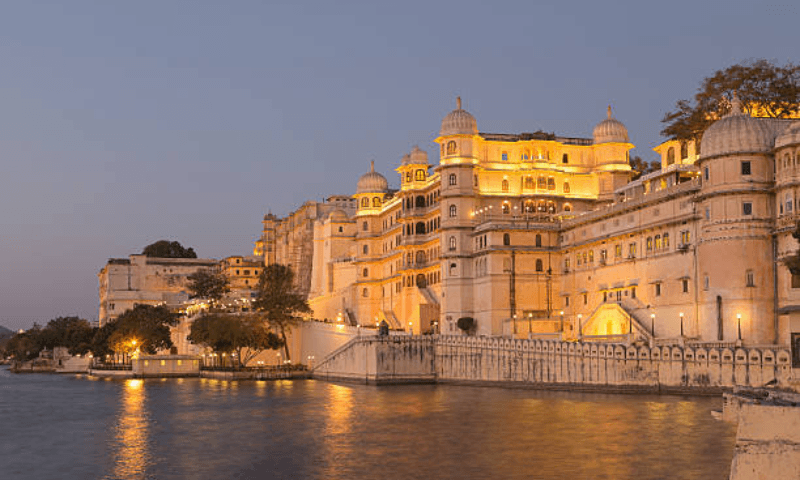
The state of Rajasthan is enchanting to travellers due to its golden forts, reflected palaces, and rich culture that can hardly be compared to other regions of India. Nevertheless, the timing of the visit is important in creating the experience, and untimely travels may result in having to travel in extreme heat instead of enjoying the destination. The Thar Desert covers much of western Rajasthan, while the Aravalli Range passes across the central region, giving rise to a diverse local climatic environment that determines when and where to travel most conveniently.
Rajasthan is divided into three well- defined seasons: a harsh summer between April and June, a monsoon phase between July and September, and a pleasant winter between October and March. Summer temperatures can cross 45 °C level in Jaisalmer and Bikaner while winter nights in Jodhpur and Mount Abu can touch to single digit level.
Desert cities such as Jaisalmer and Bikaner have greater temperature fluctuations compared to Udaipur, which is favored by the presence of lakes. Jaipur has relatively milder conditions throughout the year as compared to the deep desert regions.
The month between October and March is widely considered to be the best time to visit Rajasthan. Daytime temperature ranges from 20°C to 30°C, making exploring the fort quite comfortable. Evenings are pleasant and cool, ideal for rooftop dinners and sunset sights.
October to November: Post Monsoon Freshness
The landscape carries hints of monsoon greenery in these months. The Pushkar Camel Fair in November turns this temple town into a hotbed of traders, folk performers and pilgrims. Ranthambore National Park opens up again in October and there are great opportunities to see some tigers and other species. If you really enjoy wildlife, then this is a great time to combine a heritage tour with a Ranthambore safari.
December to February: Peak Tourist Season
This is the busiest period throughout the state of Rajasthan. Expect higher hotel rates, especially during Christmas and New Year. Desert camping in Jaisalmer peaks in popularity with the Nagaur Cattle Fair being a good alternative to Pushkar, which is not so touristy.
Book your Rajasthan tour packages well in advance if you are planning to travel in December-February, as the heritage hotels fill up quickly.
March: Holi and the Last Comfortable Window
March brings the celebrations of Holi, which is celebrated with enthusiasm in the Rajasthan state. Cities such as Jaipur and Udaipur are transformed into open-air festivals with the gulaal, folk music and community gatherings. Temperatures begin to rise in mid-March, so time for outdoor activities is limited to early morning.
Off-Season: April to September
April to June
Summer is merciless with temperatures above 40 °C. However, hotel prices fall considerably, monuments receive less attention and Mount Abu has a cooler oasis (around 25-30 degC). Plan to go sightseeing in the early mornings and evenings, if you will be visiting during this time.
July to September
Monsoon months affect travel with rough rural roads and wildlife parks being closed. However, the Aravalli hills transform into lush green, and the Teej Festival in August is a festival to celebrate rains with processions. Udaipur is very beautiful when its lakes are full and cheap travellers find excellent accommodation deals.
Jaipur: October to March: Amber Fort, City Palace, and Bazaars. The Jaipur Literature Festival in the end of January adds cultural value.
Udaipur: September to March when lakes are at their fullest for scenic boat rides on Lake Pichola.
Jaisalmer: November to February for desert camping. The Desert Festival held in February has camel races and folk performances.
Jodhpur: October to March for visiting Mehranagar Fort and the blue-washed old city.
Customised Rajasthan holiday packages help in combining more than one city depending upon your travel dates.
Booking: Make your booking 6-8 weeks in advance for peak season especially heritage properties, Jaipur & Udaipur.
Duration: It is better to plan 7-10 days so that you can cover Jaipur, Jodhpur, Udaipur, and Jaisalmer very well.
Packing: Layers are optimal for winter with warm jackets for mornings and evenings. Comfortable walking shoes are very important.
Connectivity: Jaipur has very good flight connections. Trains such as Mewar Express connect major cities in an efficient way.
The best time for Rajasthan is during October and March when the weather is comfortable and the festivals are in full swing. November and February are the notable ones for pleasant weather and events such as the Pushkar Fair and the Desert Festival. Summer and monsoon visit is suitable for budget travellers who are ready to adjust their itineraries in accordance with the heat or rain.
When is the best time to visit Rajasthan?
Rajasthan can be visited throughout the year, but the seasons of November to February are the best months when the sights can be enjoyed due to the pleasant weather. This time of year brings significant cultural events like the Pushkar Camel Fair, which is usually held in October and November, and the Desert Festival held in February.
Is Rajasthan worth visiting in summer?
Summer months from April to June are not the nest time as the temperatures usually cross above 40 °C in most of the parts. Nevertheless, mountain resorts such as Mount Abu are still rather pleasant. Summer travel also implies cheaper hotel prices and reduced crowds for those who are not bothered by the heat.
How many days are enough for a Rajasthan trip?
A 7-10 day itinerary is the most suitable time period to explore the major destinations, including Jaipur, Jodhpur, Udaipur, and Jaisalmer, at a moderate speed. The 4 to 5 day trips are effective in concentrated travelling between two cities or one region.
When do Rajasthan wildlife parks open?
Ranthambore National Park is open throughout October to June in most of the wildlife parks in Rajasthan. Tiger sightings have the highest chances to occur between October and April as vegetation is usually thinner and animals are more active during the day.
What should I pack for winter in Rajasthan?
The weather is normally mild during winters, though nights, particularly in the desert areas, might be very chilly. Packed clothing in layers, a warm jacket, comfortable walking shoes, sunscreen and sunglasses. The temperature in deserts at night can go down to single digits and therefore, one should wear warm clothes.

Solo Travelling For Women: Some Common Questions Answered
02 Apr 2026
Brihadeeswara Temple – A Shadowless Temple In South India
01 Apr 2026
The Magic Of December: Fairs & Festivals Of India In December
01 Apr 2026
Packing Off To The Himalayas: What And How To Pack For Your Himalayan Sojourn
31 Mar 2026
Sri Venkateshwara Temple – The glory of seven hills God
31 Mar 2026


