 +919871148514
 info@memorableindia.com
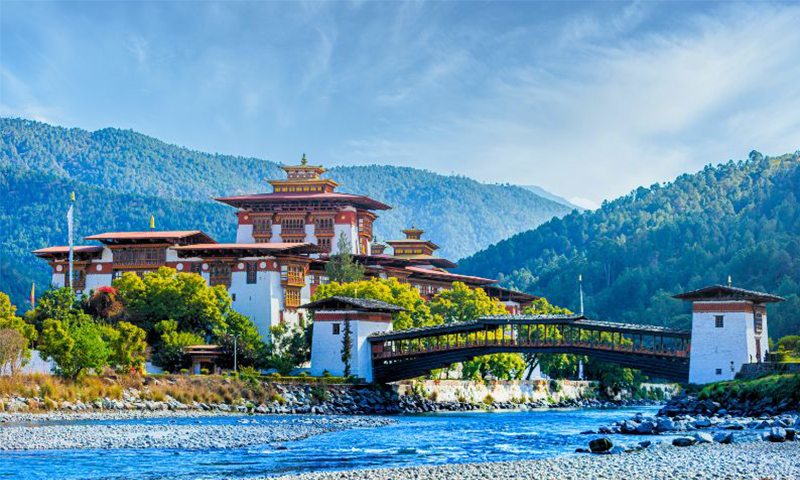
Bhutan sits closer to India than most first-time travellers realise. A short flight from Delhi, Kolkata, or Bagdogra lands you in Paro, where prayer flags outnumber traffic lights and the air carries the scent of pine and juniper incense. For Indian citizens, this Himalayan kingdom is one of the easiest international getaways to organise, thanks to visa-free entry, a shared border, and a currency at par with the rupee.
That said, planning a smooth trip still asks for some homework. Bhutan operates on its own rhythm: permits are mandatory even for Indians, festival dates shift the entire tourism calendar, and weather at high altitudes can shorten your window for the Tiger’s Nest hike. This guide walks you through everything that goes into a well-paced bhutan tour from india, from timing and paperwork to routes, budgets, and the small choices that separate a good trip from a memorable one.
For Indian travellers, Bhutan is close to the perfect first international destination. There is no visa fee, no language barrier once you find someone comfortable in Hindi or English, and the Indian rupee is widely accepted alongside the Bhutanese Ngultrum at parity. Vegetarian food is easy to find, and hotels understand Indian tastes in tea, spice, and hospitality.
Beyond the practicalities, Bhutan appeals to a wide spectrum of travellers:
The country also carries a strong sustainability ethic. Bhutan remains one of the only carbon-negative nations in the world, and its Gross National Happiness philosophy shapes urban planning, education, and even tourism policy, giving your trip a purpose that few destinations can match.
Bhutan has four clear seasons, and choosing the right one shapes your itinerary far more than most travellers expect.
If you are working around school holidays or long weekends, aim for October, which balances weather, festivals, and manageable crowds. Trekking itineraries do best in April, May, October, and early November. Avoid late July if you want dependable flying weather into Paro, since Druk Air occasionally reroutes flights during heavy monsoon spells.
Indian nationals enjoy special travel privileges into Bhutan, but the paperwork is not entirely paperless.
Carry two passport-sized photographs, self-attested ID copies, and a printed itinerary. If you plan to drive your own vehicle in from Jaigaon, budget an extra day for road tax formalities at Phuentsholing. Most travellers find it simpler to fly into Paro and let a ground operator handle every permit stamp in advance.
There are two established routes, and the right choice usually comes down to budget, time, and how much of the landscape you want to see on the way.
Druk Air and Bhutan Airlines operate direct flights to Paro from Delhi, Kolkata, Mumbai, Bagdogra, Guwahati, and Bengaluru. Flight time from Delhi is around two and a half hours. The Paro landing is one of the most cinematic approaches in commercial aviation, threading between forested ridges before touching down in the valley. Book at least eight weeks ahead for shoulder-season fares.
The overland route runs through Phuentsholing, the border town adjoining Jaigaon in West Bengal. Most Indian travellers reach Jaigaon via Bagdogra airport or New Jalpaiguri railway station, then drive across. Phuentsholing to Thimphu is roughly 170 kilometres of winding mountain road, best covered in six to seven hours during daylight.
Hasimara is the closest railway station to Phuentsholing at about 17 kilometres. Trains from Kolkata and Guwahati serve this route. A rail-plus-road combination suits travellers on a tighter budget who don’t mind an extra day in transit. For most families and honeymooners, flying into Paro remains the smoothest option.
Six days is the sweet spot for a first visit. It covers the essential valleys without feeling rushed.
Travellers with more time can extend to Bumthang for older temples and a slower cultural rhythm, or add a night in Phobjikha Valley for the black-necked crane sanctuary.
As you plan bhutan trip from india for two adults on twin sharing, a realistic cost breakdown looks like this:
Overall, a mid-range 6-day trip lands between INR 55,000 and INR 85,000 per person, all-inclusive. Luxury boutique properties like Amankora, Six Senses, or Uma Paro can multiply that figure several times over. Budget travellers driving in via Phuentsholing and staying in guesthouses can bring costs down considerably, though the SDF remains fixed.
Carrying a mix of Indian rupees (notes of INR 100 and below are freely accepted) and a forex card is the most flexible approach. Indian debit cards work at select ATMs in Thimphu and Paro but not reliably elsewhere. Note that a 5 percent Goods and Services Tax now applies to tour services in Bhutan, effective January 2026, though the SDF itself is exempt.
Bhutan’s weather changes with altitude, sometimes across a single afternoon. Pack light layers, a windproof jacket, and broken-in walking shoes for the Tiger’s Nest climb. A refillable water bottle is more useful than sunglasses in most valleys, since single-use plastics are frowned upon.
A few habits smooth the journey:
While Indian citizens can technically plan every stage independently, most travellers find that a ground operator saves both time and small surprises. Permits, hotel bookings, licensed guides, and reliable vehicles all sit under a single point of contact. If your itinerary includes remote valleys, festival dates, or a stay at a boutique property, that coordination becomes even more valuable.
Memorable India curates fixed and customised Bhutan itineraries with in-country partners who have worked the region for years. The 5-day Thimphu Paro Bhutan holiday package is a strong starting point for first-time visitors, while the Bhutan honeymoon tour package is designed around couples looking for private moments in Punakha and Paro.
A Bhutan trip rewards preparation more than most short international getaways. Timing the visit around a tsechu festival, choosing between Paro and Phuentsholing as your entry point, and reserving permits well ahead of shoulder-season demand all shape how the trip feels once you land. For Indian travellers, the country delivers a rare balance: quiet enough to slow down in, but active enough to fill six full days without repeating a single valley.
If you are ready to start mapping dates and building an itinerary that fits your travel style, reach out to our Bhutan travel specialists for a tailored quote. A single conversation is usually enough to firm up the shape of your trip.
No. Indian citizens do not require a visa. A valid passport with six months’ validity or a Voter ID is accepted at Paro Airport and the Phuentsholing land border. An entry permit issued by Bhutan’s Department of Immigration is mandatory and is arranged either on arrival or through a licensed tour operator.
September to November offers the clearest mountain views, the biggest festivals, and the most reliable trekking weather. March to May is a strong second window, especially for rhododendron season and the Paro Tsechu.
Six days works well for most first-time visitors. This covers Paro, Thimphu, Punakha, and the Tiger’s Nest hike without feeling rushed. Travellers keen on Bumthang or trekking should plan for eight to ten days.
A mid-range 6-day trip usually costs between INR 55,000 and 85,000 per person, including flights, accommodation, transport, guide, and the Sustainable Development Fee. Costs vary with season and hotel category.
Yes. Bhutan is considered one of the safest countries in South Asia. Solo and female travellers report a friendly, low-crime environment. Standard travel precautions apply, especially on remote trekking routes.
Indian rupees in denominations of INR 100 and lower are widely accepted. Indian debit cards work at select ATMs in Thimphu and Paro. Indian mobile networks offer roaming, but a local TashiCell or B-Mobile SIM is significantly cheaper.

A Guide to Exquisite Indian Handicrafts and Where to Buy Them in India
26 Oct 2026
A Journey to Leh and Srinagar: Firsthand Travel Experience
25 Oct 2026
A Guide to Famous Temples in Himachal Pradesh
24 Oct 2026
9 Best Places to Visit in Lakshadweep, a Top Island Getaway in India
23 Oct 2026
7 Reasons Why One Should Travel by Indian Rail
22 Oct 2026


