 +919871148514
 info@memorableindia.com

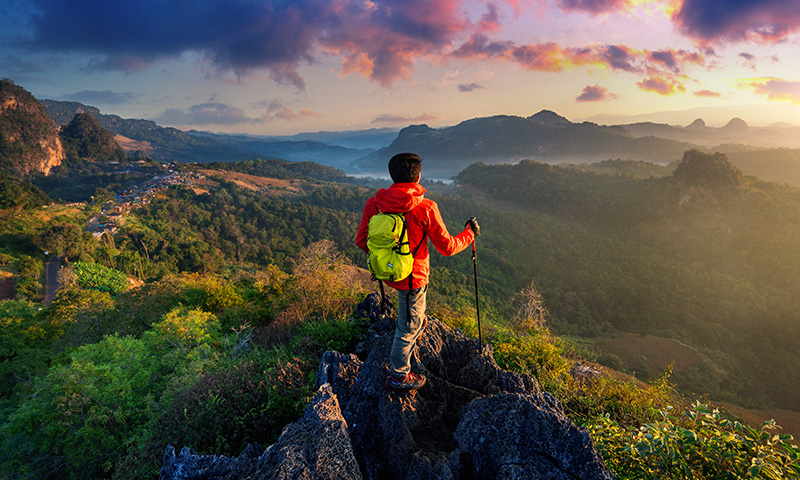
Sikkim sits where the eastern Himalayas rise sharply from subtropical valleys into the shadow of Kanchenjunga, and the state has quietly built a reputation among Indian trekkers for routes that reward you quickly. You do not need a two-week window or expedition-grade logistics to walk its finest ridges. A long weekend is often enough, and some of the best treks in Sikkim can be done inside four or five days with time to spare for a monastery visit on either side.
This guide covers six short treks in Sikkim that fit neatly into a four to seven day holiday, each chosen for a different reason: alpine views, rhododendron forests, monastic heritage, quiet border villages, or a soft start for first-timers. Expect practical details on difficulty, duration, base towns, and the best season to go, along with context on why each walk earns its place on a shortlist. If you are planning a wider Himalayan trip, see our North East India tour packages for broader routing options that pair trekking with cultural circuits.
Three things make Sikkim unusually friendly for compact itineraries. First, trailheads sit close to road heads. Yuksom, Hilley, Uttarey, and Damthang are all reachable in a single day drive from Bagdogra or Siliguri, which cuts the pre-trek buffer most Himalayan states demand. Second, the altitude gain is paced. Even the moderate routes top out below 4,500 metres, which keeps acute mountain sickness risk manageable for fit beginners.
Third, Sikkim trekking passes through the Khangchendzonga National Park, a UNESCO World Heritage Site (see whc.unesco.org), where biodiversity, Buddhist landmarks, and alpine terrain coexist on the same trail. The result is a region where a four-day plan can hand you ridge-top sunrises over the world third-highest peak without demanding a mountaineer leave calendar.
Any trek in Sikkim protected zones needs permits. Indian trekkers require an Inner Line Permit for restricted areas, while foreign nationals need a Protected Area Permit arranged through a registered agency. Yuksom-based agencies are standard for the Dzongri, Goecha La, and Singalila circuits; Hilley and Uttarey work through South and West Sikkim offices. The Sikkim Tourism Department is the official reference for current permit rules. Carry two passport photos, ID copies, and medical fitness certificates for alpine treks. Group size minimums apply on some routes. Booking through an operator removes the paperwork friction and ensures guides, porters, and camping gear are in place before you reach the trailhead.
If you have four to five days and want the classic high-altitude Sikkim experience, Dzongri delivers it. The trail starts at Yuksom, Sikkim first capital at 1,780 metres, and climbs through dense oak, pine, and rhododendron forest to Tshoka, a small ridge village used by generations of Kanchenjunga-bound trekkers. From Tshoka, you cross the Phedang meadows before reaching Dzongri at roughly 4,020 metres. The payoff is Dzongri Top at sunrise: an uninterrupted sweep from Kanchenjunga, Pandim, Kabru, and Rathong across to the Singalila Ridge separating Sikkim from Nepal.
Dzongri suits trekkers with some altitude experience and reasonable cardio fitness. The climb to Tshoka on day one is relentless, and the Phedang stretch tests endurance. Acclimatisation matters, which is why most itineraries build in a rest morning at Tshoka or Dzongri. Camping is in designated meadows managed under Khangchendzonga National Park guidelines. For travellers who want to combine this trek with monasteries and viewpoints, our Splendor of Eastern Himalaya tour pairs neatly with a pre-trek or post-trek acclimatisation stay in Gangtok and Pelling.
Barsey is where to go if you want colour over altitude. The route starts at Hilley in West Sikkim and climbs gently through the Barsey Rhododendron Sanctuary, a protected forest that bursts into bloom from mid-March to late April with crimson, pink, and white rhododendron canopies. The ridge walk ends at Barsey (also spelt Varsey) at around 3,100 metres, where a trekker hut and open meadow face Mount Kanchenjunga.
This is the trek to pick for families with teenagers, first-time Himalayan walkers, or seniors who hike regularly. The gradient stays forgiving, the trail is well-marked, and the final section opens onto panoramic views without a hard summit push. Night stays are usually at the Guras Kunj trekker hut or in Hilley homestays. Carry warm layers even in April because mornings on the ridge can turn surprisingly cold. Barsey also folds easily into a wider Sikkim and Darjeeling plan. If you want a packaged route that pairs this gentle trek with hill-station comforts, our Darjeeling Gangtok tour package adds the cultural and scenic layer most trekkers miss on standalone trips.
Tendong carries weight in Sikkimese Lepcha mythology. The hill is believed to have risen from the earth to shelter the Lepcha people during a great flood, and the forest at its summit still functions as a sacred site. The trek starts from Damthang, a small village in South Sikkim about 15 kilometres south of Namchi, and climbs through oak, chestnut, and magnolia forest to a watchtower at 2,640 metres.
The round trip can be done in a long day with an early start, which makes Tendong one of the few Sikkim treks that genuinely fits into a weekend itinerary. The summit watchtower offers a layered view of the Kanchenjunga range, the Teesta valley, and on clear mornings, the Darjeeling hills to the south. The forest route is quiet and shaded, and birdwatchers often spot sunbirds, laughingthrushes, and the state bird of Sikkim, the blood pheasant. Pair Tendong with a Namchi monastery circuit for a culturally dense two-day trip. Guides from Damthang are recommended for the forest sections, where the trail can fork into unmarked side paths.
Phoktey Dara is one of West Sikkim best-kept short-trek secrets. Starting at Uttarey, the trail climbs steadily through mixed temperate forest to Phoktey Dara, a ridge-top meadow at around 3,100 metres with a panoramic view of Kanchenjunga, Kabru, Jopuno, and the Singalila range.
Uttarey itself is an underrated base village, close to the Nepal border, with homestays run by local families and a slower rhythm than Yuksom. The trail passes through dense bamboo and rhododendron forest, with occasional yak pastures opening to mountain views. The final ridge section is the highlight: a wide alpine meadow where sunrise paints Kanchenjunga southern face in a layered gradient of orange and gold. Phoktey Dara is a strong pick for intermediate trekkers who have completed one short Himalayan trek and want slightly more effort without the altitude demands of Dzongri. It also works well for photographers, with the ridge offering clean foreground to background composition that Dzongri more crowded sunrise spots do not.
This is Sikkim shortest meaningful trek and arguably the most historically significant. Dubdi Monastery, built in 1701, is the oldest in Sikkim and sits on a forested hilltop above Yuksom, the former capital where the first Chogyal of Sikkim was consecrated. The walk from Yuksom village to Dubdi is a steep but short three-kilometre climb through pine and chestnut forest, reaching the monastery at around 2,100 metres.
Allow two to three hours for the round trip at a relaxed pace, with time to sit inside the monastery courtyard. The ascent is sharp in parts, so good footwear matters, but no technical skill or acclimatisation is required. This is the ideal warm-up walk before a Dzongri or Goecha La attempt from Yuksom, and it doubles as a cultural day for families or seniors who want a taste of Sikkim monastic heritage without a multi-day expedition. Dubdi is listed by the Archaeological Survey of India as a protected monument. The sanctum houses hand-painted murals and ancient manuscripts, so photography inside is restricted.
Hee Bermiok sits in West Sikkim between Legship and Pelling, and the trek here is as much about village life as it is about mountains. The route moves through a cluster of Limboo and Bhutia villages, terraced millet fields, cardamom plantations, and small stream crossings, before climbing to the Hee Bermiok viewpoint for a wide view of the Kanchenjunga massif.
This trek is less about hitting an alpine summit and more about immersion. The homestays are family-run, meals come from the garden, and most routes are led by local guides who can explain the agricultural cycle, local folklore, and traditional medicine practices. Hee Bermiok has been featured in Sikkim rural tourism initiatives, reflecting the state push to spread trekker footfall beyond the Yuksom corridor. Pick this one if you have already walked a classic Himalayan trail and want a slower, cultural counterpoint. It also pairs neatly with Pelling for a four-day plan combining village trekking with the Khecheopalri Lake and Pemayangtse Monastery circuit.
Sikkim has two solid trekking windows. Spring from March to May brings the rhododendron bloom, warmer nights, and clear mornings. Autumn from October to late November delivers the crispest mountain views, with Kanchenjunga visible for days at a stretch. The monsoon from June to September is best avoided for most trails because of leeches, landslides, and clouded summits, though lower-altitude cultural walks like Dubdi remain feasible.
Starting is simpler than most trekkers assume. A registered agency handles permits, guides, porters, meals, and camping gear, which leaves you free to walk. Our team at Memorable India plans customised Sikkim trekking itineraries built around your pace, group size, and preferred difficulty. Contact us with your travel dates and we will send a trek plan tailored to the route that fits you.
Sikkim rewards trekkers who do not have months to spare. Dzongri delivers the alpine summit view. Barsey hands you rhododendron forests in bloom. Tendong offers a weekend-sized Lepcha pilgrimage, Phoktey Dara a quiet ridge, Dubdi a monastic warm-up, and Hee Bermiok a village-paced finish. The common thread is accessibility: trails that start where road heads end, altitudes that stay honest, and a cultural depth that competes with the mountain views.
What ties these six routes together is also what makes them repeat-worthy. A trekker who starts with Dubdi or Tendong on a first visit often returns a year later for Barsey or Phoktey Dara, then Dzongri on the third trip. Sikkim does not reveal itself in one holiday. Each walk opens a slightly different window on the same massif, the same monastic lineage, and the same mix of Lepcha, Bhutia, and Nepali communities that give the state its particular texture. Pick the one that matches your current fitness, book your permits well in advance of the spring or autumn window, and give the eastern Himalayas their four days. The region tends to earn a return trip on the first visit itself.
Q1. Which is the easiest short trek in Sikkim for beginners?
The Yuksom to Dubdi Monastery trek is the easiest for complete beginners because it is a half-day round trip of about three kilometres with no altitude concerns. For a slightly longer first trek, Barsey Rhododendron Sanctuary at two to three days remains well within reach for anyone with basic fitness and no prior Himalayan experience.
Q2. What is the best time for trekking in Sikkim?
March to May is ideal for rhododendron blooms and warmer nights, and October to late November delivers the clearest Kanchenjunga views. The monsoon from June to September brings leeches and landslide risk, while peak winter from December to February closes many higher trails due to snow.
Q3. Do I need a permit for short treks in Sikkim?
Yes. Indian trekkers need an Inner Line Permit for restricted zones; foreign nationals need a Protected Area Permit arranged through a registered agency. Treks inside Khangchendzonga National Park also require park entry permits and a licensed guide to accompany the group.
Q4. How difficult is the Dzongri trek compared to Goecha La?
Dzongri is a shorter, less strenuous version of the Goecha La route, topping out around 4,020 metres over four to five days. Goecha La extends the same trail to roughly 4,940 metres and takes eight to ten days, with harder weather windows and tougher gradients beyond Dzongri.
Q5. What is the highest altitude on these short Sikkim treks?
Among the six treks here, Dzongri at 4,020 metres is the highest. Barsey and Phoktey Dara top out near 3,100 metres, while Tendong, Dubdi, and Hee Bermiok stay below 2,700 metres, which makes them suitable for walkers without altitude experience.
Q6. Can I combine a short Sikkim trek with a cultural tour?
Yes, and most trekkers do. Yuksom and Pelling anchor cultural circuits with monasteries like Dubdi, Pemayangtse, and Tashiding, while Namchi and Ravangla pair naturally with Tendong Hill. Combined trek-and-tour packages are standard with experienced Sikkim operators and are a common first-trip format for domestic travellers.

A Complete Travel Guide to Kuno National Park: Everything You Need to Know Before You Go
22 Oct 2026
A Comprehensive Guide to the Famous Sabarmati Ashram in Ahmedabad
22 Oct 2026
A One-Day Getaway in Gujarat to Explore Parsi Culture
22 Oct 2026
A Family Trip to Uttarakhand, For the Love of Mountains!
22 Oct 2026
A Guide to Exquisite Indian Handicrafts and Where to Buy Them in India
22 Oct 2026


