 +919871148514
 info@memorableindia.com
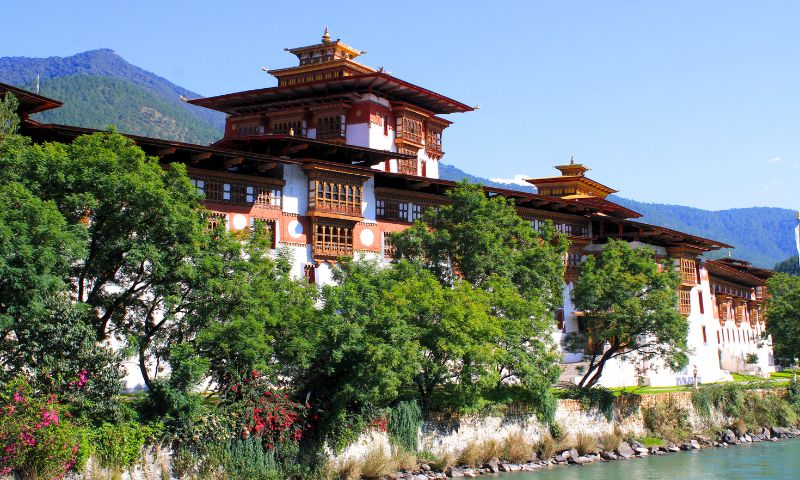
The first thing that strikes you in Bhutan is not a monastery or a mountain view. It is the pace. Traffic in Thimphu, the capital, is still directed by a white gloved police officer at a busy roundabout. Cattle wander across highways without anyone honking. Shopkeepers close for lunch and no one seems bothered. This small Himalayan kingdom, tucked between India and Tibet, has spent five decades quietly redefining what a country should measure. While the rest of the world chases quarterly GDP, Bhutan tracks something it calls Gross National Happiness. That single choice, more than any tourism slogan, is what earned it the reputation of the happiest country in the world.
For travellers who have grown tired of noisy itineraries and cookie cutter destinations, understanding why Bhutan is called this is half the reason to visit. The other half is seeing the philosophy at work in prayer flag lined passes, in dzongs perched over rivers and in the warmth of a family who insists you finish your ema datshi before leaving. Here is a grounded look at the real reasons behind the label.
The story goes back to 1972, when the fourth King of Bhutan, Jigme Singye Wangchuck, was asked by a foreign journalist about his country’s GDP. His now famous reply was that Gross National Happiness matters more than Gross National Product. That casual remark grew into a formal development philosophy that today guides Bhutanese policy, education, environmental law and even tourism.
The framework is measured across four pillars: sustainable and equitable socio economic development, environmental conservation, preservation and promotion of culture, and good governance. Researchers at the Oxford Poverty and Human Development Initiative helped Bhutan build a formal GNH Index that surveys citizens on 33 indicators across nine domains, from psychological wellbeing to community vitality. You can read more about the framework on the official GNH Centre Bhutan website.
Now, a fair disclaimer. In global surveys like the annual World Happiness Report, Bhutan does not always feature at the top of the list because it stopped participating in that specific study after 2019. The happiest country label is really a recognition of Bhutan’s original philosophy and the visible calm of daily life, rather than a ranking on any single index. Once you spend a few days there, that distinction stops mattering.
Most countries talk about wellbeing in political speeches. Bhutan writes it into law. Every major policy proposal in Bhutan goes through a GNH screening tool before it clears cabinet. If a project is expected to hurt community bonds, ecological balance or cultural identity, it is either revised or dropped. This is why you will not see billboards, fast food chains or aggressive urban sprawl in Thimphu. The clean streets and unhurried mood are not accidents. They are the result of decades of deliberate choices about what growth is allowed to look like.
For a traveller, the effect is immediate. Cities feel calm. Villages feel intact. Nobody is trying to sell you anything on the pavement. That civic quiet is one of the most underrated reasons people return home from a Bhutan trip feeling reset.
Bhutan is currently one of the very few carbon negative countries on the planet. Its constitution requires that at least 60 percent of the country remain under forest cover for all time, and actual forest cover today is well over 70 percent. Hydropower, sold to India, funds a large part of the national budget without dirtying Bhutanese air. National parks and biological corridors together cover more than half the country.
You feel this the moment you step out of Paro airport. The rivers still run clear. Prayer flags flutter against pine forests rather than construction dust. Even the Tiger’s Nest hike, popular as it is, is capped by permits and pace, not by souvenir stalls. If sustainability matters to you, this is what a country actually walking the talk looks like.
Wander through any Bhutanese town and you will notice that people still wear the gho and the kira, the national dress, to work and to formal occasions. Architecture follows a mandated traditional style with hand painted windows, curved eaves and whitewashed stone. Schools teach Dzongkha alongside English. Archery, the national sport, is still played on weekends in every valley, complete with singing and gentle heckling.
This cultural continuity is one of the four pillars of GNH and it is what gives Bhutan a texture that is impossible to find in fully globalised cities. If you want a first look at the country’s cultural highlights, our guide to the top must visit places in Bhutan for first time travellers is a useful starting point.
You do not have to be Buddhist to feel what Bhutan’s spirituality does to your pace of thought. Vajrayana Buddhism is the state religion, and it shows up in tiny, non intrusive ways. Prayer wheels line the roads. Old people walk kora circles around the Memorial Chorten in Thimphu at dawn. Butter lamps burn in kitchens. Monasteries like Paro Taktsang, Punakha Dzong and Chimi Lhakhang are not roped off museum pieces but working spiritual centres.
This everyday spiritual rhythm is why so many visitors describe a Bhutan trip as clearing a mental fog they did not know they had. The country’s festival calendar, or tshechu season, brings the same tradition into full public view. Our roundup of 10 fairs and festivals in Bhutan can help you time your visit around the biggest ones.
Community vitality is one of the nine domains that the GNH Index actively measures. Bhutanese households still share meals across generations, look after elderly neighbours and organise village work days for farming and construction. There is a phrase used often here called Lungta, the wind horse, which refers to positive energy shared outward from one person to another. It sounds abstract until you experience it in a farmhouse dinner, where second helpings appear before you can refuse them.
For solo travellers and older visitors especially, this social warmth is a quiet reason Bhutan feels safe and welcoming. Nobody rushes you. Nobody ignores you either.
Television and internet were only introduced to Bhutan in 1999, making it one of the last countries in the world to go online. Even now, phone signal drops out on long drives through mountain passes and nobody panics. Work days end early. Restaurants close by nine. Nightlife exists in Thimphu but it is a small, contained scene rather than a defining feature.
This unhurried tempo is one of the strongest reasons travellers describe Bhutan as restorative. You end up sleeping better within two days. You notice mountains you would have otherwise scrolled past. For anyone recovering from burnout, this pace alone is worth the flight.
Bhutan follows a high value, low volume tourism policy. International visitors pay a Sustainable Development Fee, which funds free healthcare, free education and forest conservation for Bhutanese citizens. The current fee, revised in 2023, is 100 US dollars per adult per night for most nationalities. Indian visitors pay a lower daily fee in Indian rupees. Details are published on the official Department of Tourism Bhutan portal.
The result is that Bhutan never feels overrun. Trails are quiet. Monasteries retain their contemplative feel. You are not fighting selfie crowds at Tiger’s Nest. That protection of the visitor experience is itself a happiness lesson worth paying attention to.
The best months to travel are March to May and September to November, when skies are clear and festival season is at full swing. Most itineraries cover Paro, Thimphu and Punakha, with add ons for Bumthang or Haa Valley if you have more than a week. Indian passport holders do not need a visa, only a permit that is easy to arrange on arrival or in advance through a registered operator.
A few grounded planning tips before you go:
For a curated first visit, our 5 Days Thimphu Paro Bhutan Holiday Tour Package covers the essential circuit at an unhurried pace, and our travel specialists can custom build itineraries for families, honeymooners and seniors. To speak with a Bhutan planner, use our contact form and expect a response within 24 hours.
The reason Bhutan is the happiest country in the world has less to do with permanent joy and more to do with a national agreement about what is worth protecting. Forests, faith, family, culture, silence. Once you spend a week walking through it, the philosophy stops feeling academic. It starts feeling like something you want to take home. For a deeper look at the mindset behind the country, our guide to Bhutan’s Happiness Index and what travellers can learn from it is a good next read before you start planning.
Bhutan is called the happiest country in the world because it measures national progress using Gross National Happiness rather than GDP. The framework tracks psychological wellbeing, ecological health, cultural preservation and good governance. Even though Bhutan no longer participates in the annual World Happiness Report, the label reflects the country’s original philosophy and the visibly calm quality of everyday life.
The four pillars of Gross National Happiness are sustainable and equitable socio economic development, environmental conservation, preservation and promotion of culture, and good governance. These pillars guide policymaking in Bhutan and are broken down further into nine domains and 33 indicators in the official GNH Index.
Yes. Bhutan is one of only a handful of carbon negative countries on the planet. Over 70 percent of the country is under forest cover, its constitution mandates permanent forest protection and hydropower exports fund a large share of the economy. The forests absorb more carbon dioxide than the country produces, giving it a net negative footprint.
Indian citizens do not need a visa for Bhutan but they do need an entry permit, which can be arranged on arrival at Paro airport, at the Phuentsholing land border, or in advance through a registered tour operator. A valid passport or voter ID is required. A daily Sustainable Development Fee also applies to Indian visitors, at a lower rate than for other nationalities.
The best time to visit Bhutan is from March to May in spring and from September to November in autumn. These months bring clear mountain views, comfortable trekking weather and the biggest festival calendars, including Paro Tshechu in spring and Thimphu Tshechu in autumn. Winters are cold but rewarding for photographers, while summer brings heavy monsoon rain.
A five to seven day itinerary covering Paro, Thimphu and Punakha is enough for a first visit and captures the country’s core cultural and natural highlights. Ten days lets you add Bumthang or Haa Valley for a deeper cultural experience, while shorter three day trips are best treated as a taster rather than a full introduction to Bhutan.

A Guide to Exquisite Indian Handicrafts and Where to Buy Them in India
26 Oct 2026
A Journey to Leh and Srinagar: Firsthand Travel Experience
25 Oct 2026
A Guide to Famous Temples in Himachal Pradesh
24 Oct 2026
9 Best Places to Visit in Lakshadweep, a Top Island Getaway in India
23 Oct 2026
7 Reasons Why One Should Travel by Indian Rail
22 Oct 2026


