 +919871148514
 info@memorableindia.com
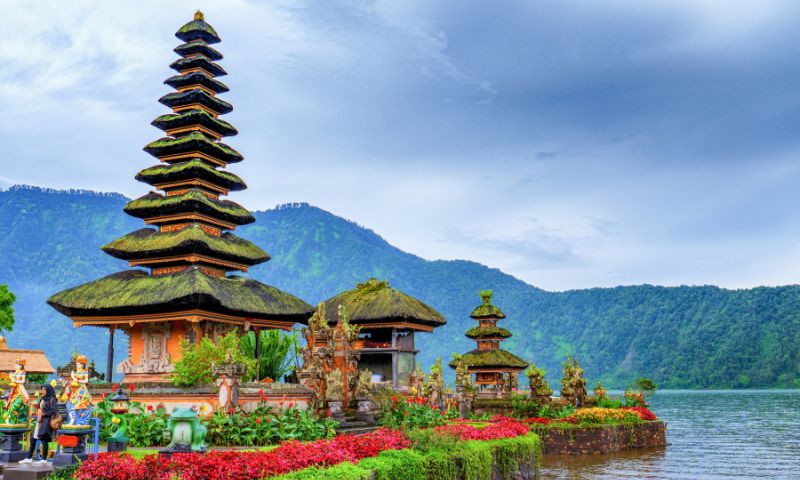
Bali sits in the mid-lower stretch of the Indonesian archipelago, closer to the Equator than to Delhi, and it functions less like a single destination and more like a network of very different neighbourhoods stitched together by narrow inland roads. A morning in a rice-terrace village near Ubud looks nothing like an evening on the cliff-top bars of Uluwatu, and both feel worlds away from the boat-crowded harbours of Sanur or the quiet volcanic slopes of Kintamani. This bali travel guide is written for readers who want to plan their first trip properly and for repeat visitors looking to move beyond the standard south-Bali circuit. Expect specific towns, honest logistics, seasonal notes, and the small planning decisions that quietly decide whether a Bali holiday feels rushed or restorative.
The island is compact on paper, roughly the size of a mid-sized Indian district, but road speeds are slow. A 60 km drive can take three hours during peak traffic, which is why regional grouping matters more than kilometre counts. South Bali covers Kuta, Seminyak, Canggu, Jimbaran, Nusa Dua, and Uluwatu, and this is where most international flights land at Ngurah Rai International Airport. Central Bali is Ubud and the surrounding rice-terrace villages. East Bali holds Sidemen, Amed, and the sacred Mount Agung. North Bali is quieter, built around Lovina and the calderas near Munduk. The Nusa Islands (Penida, Lembongan, Ceningan) sit off the southeast coast and need a fast-boat transfer.
Base yourself in two, at most three regions per trip. Constant relocation is where most first-time itineraries go wrong.
Bali runs on two seasons rather than four. The dry season, roughly April to October, brings lower humidity, reliable sunshine, and the busiest tourist calendar. July and August are peak months for Australian and European travellers, so prices rise and popular temples get crowded well before noon. The wet season stretches from November to March, with short heavy showers that usually clear by afternoon. This is a genuinely good window for budget-conscious visitors, and the rice paddies look their greenest. Weather details for individual towns can be checked on Indonesia’s official meteorological portal at BMKG.
Two dates deserve advance planning: Nyepi (the Balinese Day of Silence, usually in March), when the entire island shuts down for 24 hours including the airport, and Galungan, a ten-day Hindu festival with decorated penjor bamboo poles lining every village road.
The most useful way to think about the places to visit in Bali is by pairing landscape with lifestyle. Here are the regions and towns worth building a trip around.
Ubud is Bali’s cultural core. The Sacred Monkey Forest Sanctuary, the water palace at Tirta Empul, and the Tegallalang rice terraces sit within a short drive. Nearby Jatiluwih, protected under UNESCO for its subak irrigation system, offers wider terraces with far fewer visitors. Ubud is best for slow mornings, yoga, Balinese cooking classes, and evening Kecak dance performances at Pura Dalem Taman Kaja.
Seminyak leans upscale with beach clubs, spas, and design-forward restaurants. Canggu, ten minutes north, is younger, surf-heavy, and dense with cafes catering to remote workers. Kuta remains the budget entry point, closer to the airport, though the beach itself is now more atmospheric at sunset than at midday.
The Bukit is Bali’s southern cliff-line. Uluwatu Temple, perched over the Indian Ocean, hosts a daily sunset Kecak fire dance that is worth the ticket. Padang Padang, Bingin, and Nyang Nyang are the standout beaches here, reached via steep staircases carved into the cliffs. Surfers should look at Uluwatu, Impossibles, and Balangan.
Nusa Penida has become the poster island for dramatic coastlines. Kelingking Beach, Angel’s Billabong, and Broken Beach are the headline stops. Roads are rough, so hire a driver for the day rather than a scooter unless you are experienced. Nusa Lembongan is smaller and calmer, better for mangrove kayaking and diving at Manta Point.
For travellers who want the Bali of two decades ago, Sidemen is the honest answer. It is a valley of working rice paddies with quiet homestays and views of Mount Agung. Amed, further east, is a diving base with black-sand beaches and a shipwreck at Tulamben. Neither area suits partygoers, and that is precisely the point.
Munduk sits in coffee and clove country, cooler in temperature, with waterfalls like Melanting and Banyumala. Lovina, on the north coast, has calmer black-sand beaches and morning dolphin trips. These are worth adding on a second Bali visit or a longer first trip.
Beyond sightseeing, the memorable moments in Bali tend to be participatory.
For travellers weighing Southeast Asia options against each other, the terrain reads quite differently from Thailand. A useful reference is our Thailand bucket list, which sets out what that country does best in comparison.
Visa: Indian passport holders can obtain a Visa on Arrival (VoA) or apply online for an e-VoA before travel, valid for 30 days and extendable once. Fees and procedures are listed on the official Indonesian immigration portal.
Currency: The Indonesian Rupiah (IDR) is the local currency. ATMs are widely available in south Bali and Ubud. Carry small notes for warungs and temple donations.
Connectivity: Buy a Telkomsel or XL SIM at the airport arrivals hall. Data is inexpensive and coverage is reliable across the main tourist regions.
Getting around: Scooters are ubiquitous but require a valid international driving permit and confident riding skills. For families and older travellers, a private car with driver at a daily rate is safer and often works out cheaper than multiple app rides. Gojek and Grab work well in the south but face restrictions near some tourist areas.
Health: Carry a basic medication kit, mosquito repellent, and rehydration salts. Tap water is not potable; stick to sealed bottles or use a reliable filter.
Money-saving tip: Book flights out of Delhi, Mumbai, or Bengaluru at least three months ahead, and consider a Kuala Lumpur or Singapore layover for lower fares. If you would rather have a specialist handle the itinerary, our team at Memorable India puts together custom Bali trips paired with regional add-ons.
Ten days lets you add Sidemen or Munduk without rushing. Two weeks opens up Amed diving and the north coast.
Bali rewards planning that respects its geography and its calendar. Group your regions carefully, protect your mornings for the outdoor stops, and leave room for one unhurried day that gets written into memory by accident rather than design. If you would rather skip the spreadsheet stage and hand the details to specialists, look at our range of beach and honeymoon destination ideas or write in for a custom itinerary. Bali is generous with travellers who show up prepared.
How many days are enough for a Bali trip?
Seven full nights work well for first-time visitors covering south Bali, Ubud, and one offshore island. Ten to fourteen nights allow for East or North Bali without a compressed schedule.
Is Bali expensive for Indian travellers?
Bali sits in the mid-range for Southeast Asia. Flights and accommodation are the main costs. Meals at local warungs, transport, and activities are reasonable, especially compared with the Maldives or western Europe.
What is the best area to stay in Bali for first-timers?
Seminyak or Canggu for beach access and dining, Ubud for culture and greenery. Splitting a week between the two gives a balanced first taste of the island.
Is Bali safe for families and solo female travellers?
Bali is generally considered safe, with a strong tourism infrastructure. Standard precautions around scooter safety, valuables on beaches, and respectful temple dress apply. Ubud, Sanur, and Sidemen are particularly comfortable for solo travellers.
Do I need to book Nusa Penida in advance?
Yes, especially in the dry season. Fast boats from Sanur fill up, and popular viewpoints like Kelingking Beach see long queues by mid-morning. Aim for the first departure of the day.
Can Bali be combined with other destinations in the region?
Absolutely. Common pairings include Singapore, Kuala Lumpur, or a short beach extension. Travellers comparing island coastlines often look at our guide to the best places to visit in Phuket before deciding.

A Family Trip to Uttarakhand, For the Love of Mountains!
27 Oct 2026
A Guide to Exquisite Indian Handicrafts and Where to Buy Them in India
26 Oct 2026
A Journey to Leh and Srinagar: Firsthand Travel Experience
25 Oct 2026
A Guide to Famous Temples in Himachal Pradesh
24 Oct 2026
9 Best Places to Visit in Lakshadweep, a Top Island Getaway in India
23 Oct 2026


