 +919871148514
 info@memorableindia.com
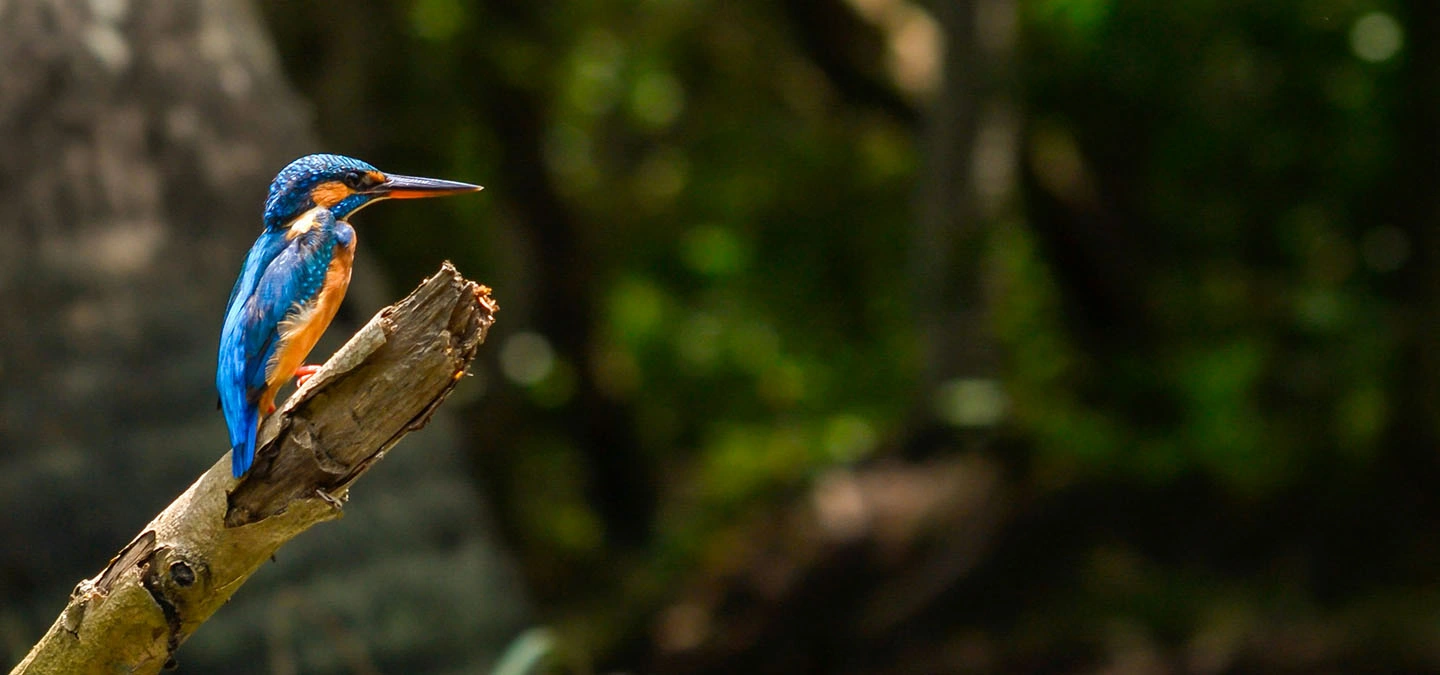
Kerala is well known as one of the richest regions in biological diversity in India, with a comparatively small geographic area. Much of this ecological diversity is provided by the Western Ghats mountain ranges, which run along the eastern edge of the state, which is recognised as one of the world’s major biodiversity hotspots.
Across this landscape, travellers find tiger reserves in the midst of working spice plantations, national parks protecting rare mountain species such as the Nilgiri Tahr, forest corridors where the Asian elephant still moves from range to range in the Ghats, and an astounding network of wetlands and forests attracting birdlife from all over the subcontinent.
A Kerala wildlife tour is not just about a matter of just arriving at the gate of a forest, riding in a jeep, and hoping that something walks in front of the headlights. For many travellers it means an understanding of a landscape where protected forests are adjacent to areas under active cultivation, where traditional communities have lived alongside and within these landscapes for generations, where the choices made by visiting tourists, about which operators to book with, which areas to enter and how to behave within reserve boundaries, have a direct and measurable impact on long term conservation outcomes.
Planning this kind of travel properly implies determining which reserve suits your ecological interests, adapting your dates to the conditions of access to different reserves at different times of the year and to the movements of the fauna between different altitudes, and preparing a realistic itinerary between the various districts, not confusing distance with coverage.
At Memorable India, we design Kerala wildlife packages for families taking their first steps into the forested interiors of India, for birding-based travellers for whom extended stays in and around Thattekkad or the Parambikulam buffer zones are required, for couples for whom wildlife zones and hill station accommodations go hand in hand, and for senior travellers who need a considered pace over longer itineraries. Every programme is organised around the reserves themselves, their access rules, the seasonal conditions, and the conservation needs of the reserves.
Kerala wildlife geography is organised into four main types of ecology with their corresponding species profile, regulation on entry and the type of tourists:
Large Mammal and Tiger Reserve Zone
Periyar Tiger Reserve, located near Thekkady and spread across Idukki and Pathanamthitta districts, is one of Kerala’s most important protected forests. It supports tiger, Asian elephant, gaur, sambar, leopard and rich birdlife around the Periyar Lake reservoir. Activities include boat safaris, guided nature walks in buffer areas, and regulated jeep safaris. The reserve became a Tiger Reserve under Project Tiger in 1978.
Wayanad Wildlife Sanctuary in northern Kerala forms part of a continuous forest corridor linking Nagarhole and Bandipur reserves in Karnataka. This landscape is part of the Nilgiri Biosphere Reserve, one of the largest intact forest ecosystems in South India. The Muthanga range is the primary safari zone and frequently records sightings of elephants, deer, and other herbivores.
High-Altitude National Park
Eravikulam National Park near Munnar represents the high-altitude ecosystems of the Western Ghats. The park protects extensive montane grasslands and is home to the endangered Nilgiri Tahr, a mountain ungulate found only in this region. Visitor access is strictly regulated and the park closes annually between February and March during the breeding season.
Endemic Biodiversity Corridor
Silent Valley National Park in Palakkad district preserves one of India’s last remaining tracts of undisturbed tropical rainforest. The park supports remarkable plant, mammal and bird diversity. Its ecological integrity was protected through a major conservation movement during the 1970s and 1980s that halted a proposed hydroelectric project in the valley.
Bird Sanctuaries and Wetland Habitats
Kerala also hosts important birding habitats. Kumarakom Bird Sanctuary on Vembanad Lake attracts migratory and resident birds between October and February. Thattekkad Bird Sanctuary in Ernakulam district, closely associated with ornithologist Dr. Salim Ali, is widely regarded as a prime birding site. Parambikulam Tiger Reserve also offers notable birdlife and guided trekking experiences.
Understanding which of these zones aligns with your travel interest, your physical capacity, and available timeframe is the essential first step in building a workable Kerala wildlife tour package.
Memorable India has been organising nature-based travel across Kerala, keeping one guiding principle: The reserve decides the itinerary and not the hotel’s convenience or the highways. This means that the wildlife activities, such as early morning safari, boat ride, and guided forest walk, are planned first, and accommodation is chosen only after ensuring access timings and travel distances between reserves. We also check the calendar of forest departments before we finalise the travel dates and check for the availability of trained naturalist guides in each zone.
Wildlife travel in Kerala consists of operational details, which are overlooked in regular itineraries. Each reserve has a different permit system, safari schedule, and visitor regulations in place. For example, Eravikulam National Park is closed for some weeks every year during the Nilgiri Tahr breeding season. The Sabarimala pilgrimage period can have a big impact on the traffic situation of the Periyar corridor during the period between November and January. Access to Silent Valley National Park also requires prior permission from the Kerala Forest Department.
Our team is monitoring the ground conditions of major reserves like Thekkady, Wayanad, Munnar, Palakkad, etc. We coordinate safari bookings, availability of forest rest houses, seasonal conditions of trails, and movement patterns of wildlife with local naturalist guides.
For travellers who are interested in including wildlife zones with other facets of Kerala travel, we have two well-developed Kerala Tour Packages, the Kerala Backwater Tour Package and Kerala Spice Tour Package, which can be combined with the wildlife stay by booking. Our larger Kerala Tour Packages page gives an overview of our approach to multi-zone itineraries in the state.
October to February – Primary Wildlife Season
This is the best time for wildlife encounters in the reserves in most of Kerala. Vegetation thins when the monsoon waters have receded, water sources concentrate animals around accessible points, and visibility is enhanced in both open grassland and forest-edge habitat. Periyar observes steady elephant and gaur activity on the margins of the lake on morning boat safaris. Wayanad’s Muthanga Range is the best bet for a jeep safari in terms of weather all year round. Kumarakom and the Vembanad wetlands become home to maximum migratory birds from November to February. Accommodation near Thekkady, Kalpetta in Wayanad, and Munnar fills up quickly in the months of December and January; during this period, it is practical to plan 6 to 8 weeks in advance.
March to May – Transition and High Altitude Season
Eravikulam National Park is reopened in late March after the breeding season closure, and until the month of May is considered to be the best time to see the Nilgiri Tahr easily, as the animals are active and can be seen on the open grassland slope. Thattekkad Bird Sanctuary witnesses active resident breeding activity during this time, and thus, it is a productive time for serious birders. Temperatures in the lower elevation zones including Thekkady and Wayanad rise quite noticeably by April and May, which has a bearing on the comfort factor during long walks in the forest. Hillside and forest rest house accommodation in reserve buffer zones is worth prioritising over accommodation in town during this period.
June to September – Monsoon and Low-Footfall Window
Kerala’s Monsoon season brings very heavy rainfall, especially to the western slopes of the Western Ghats, where most of the reserves are located. Safari operations are limited in most of the zones during the peak monsoon months and several hiking trails inside reserves are completely closed. The practical upside for some travellers is considerable: visitor numbers are significantly reduced during the rain, resulting in Thattekkad and Parambikulam being far less crowded, amphibian and reptile diversity is at its peak during and just after the rains, and the general landscape is at its visually most interesting. Older travellers or those with limited mobility should have a cautious approach towards the monsoon window about the road conditions between districts.
The boat ride in Periyar Lake is the signature wildlife experience in southern Kerala. Departing before sunrise against offers the best chances of finding elephant herds at the shoreline, gaur in the grassland margins, and otter activity in the shallower sections. The forest department also has multiple safari boats operating every day, and early departures are always better than afternoon slots to encounter wildlife.
The Muthanga range of Wayanad Wildlife Sanctuary provides a regulated jeep safari into the interiors of the forest. The sanctuary is part of a larger forest corridor linking up with Nagarhole and Bandipur reserves in Karnataka. Elephant herds and deer are common sights here and the surrounding terrain of coffee and spice plantations makes the journey to the sanctuary a particularly scenic one.
Eravikulam National Park near Munnar is home to high altitude grasslands of the Western Ghats and the best site to spot the endangered Nilgiri Tahr. These mountain animals can be seen grazing on the open slopes near the visitor areas. The rolling grasslands and patches of shola woodlands of the park form a special highland ecosystem.
Thattekkad Bird Sanctuary, Ernakulam district, is generally considered the most important habitat for birds in peninsular India. Species such as Sri Lanka Frogmouth, Malabar Grey Hornbill, and Indian Pitta are recorded regularly. Early mornings and late afternoons are the best times for bird watching.
Silent Valley National Park is located in the Palakkad district, which shelters one of the last remaining stretches of tropical rainforest in the Western Ghats. Entry is only allowed with permission from the forest department and registered guides. The park is famous for the endangered lion-tailed macaque and its biodiversity in the rainforest.
Kumarakom Bird Sanctuary, a bird sanctuary on the Vembanad Lake, is the haunt of resident and migratory birds, especially during October through February. Early morning canoe rides through the waterways make it possible to observe wetland birds more quietly than is possible from the main walking trails.
Parambikulam Tiger Reserve offers guided trekking programmes and nature trails in well-preserved forests. The reserve has large areas of teak forest and is home to wildlife such as elephants, deer, and the rare grizzled giant squirrel.
Starting your Kerala wildlife tourism enquiry with Memorable India is very easy. You can contact us directly through the website contact form or speak directly to one of our travel consultants to outline your requirements. Once we know how big your group is, when you are travelling, which particular reserves you are interested in, how fit you are, and any considerations for accessibility, we craft a detailed programme based on your priorities.
Our Kerala wildlife tour packages can be organised as stand-alone nature tours emphasising only the forest reserves and bird habitat, or can be combined with other Kerala experiences like backwater stay, hill station accommodation, spice plantation tour, or cultural tour in Kochi and Thrissur. We also design combined Kerala wildlife and temple circuits for the groups who would want to cover the natural and devotional landscape of the state in one go. You can refer to our Kerala Temple Tour package for an idea of how we design multi-stop tours across districts.
All programmes include private transport from one zone to another, Accommodation chosen for its proximity to the entrance of the reserve, Briefings before departure on the regulations of the forest department and the protocols of the safari, and on-the-ground coordination of naturalist guides. We do not include manufactured wildlife guarantees or manufactured sightings in our itineraries. What we do guarantee is that the logistics are handled properly that every opportunity to encounter Kerala’s wildlife is as good as it can reasonably be.
Kerala’s significant wildlife reserves are scattered across a number of districts, and there is no direct transport route connecting all of them. This section is for the practical logistics of how to get to each reserve from the nearest airport, railway station and major road entry point.
The gateway town for Periyar is Kumily, which is at the boundary of the reserve in Idukki district.
By Air: The nearest major airport is Cochin International Airport. From Cochin, the road to Thekkady goes through Kottayam and goes steeply through the Cardamom Hills in the last leg. Madurai Airport in Tamil Nadu is a viable option for travellers coming from the southeast direction, as Thekkady is located near the border of Kerala and Tamil Nadu.
By Rail: The nearest railway stations are Kottayam and Ernakulam and are well connected with other major cities of India on the main Kerala rail network. From either of the stations, the onward way to Thekkady is all by road. No direct train service is to Thekkady.
By Road: From Kottayam, the road goes uphill through the Western Ghats via a very well-maintained road. From Tamil Nadu, Thekkady can be reached over the border crossing of Kumily from Madurai.
Wayanad is the northernmost wildlife area in Kerala. The Muthanga Range entry gate is the gateway for safaris and is located outside the district headquarters town of Kalpetta.
By Air: The nearest airport is Calicut International Airport (Kozhikode). The drive from Calicut to Kalpetta goes uphill, passing through the Thamarassery Ghat, a series of hairpin bends on the escarpment of the Western Ghats. This ghat road is the most important approach from the coast into the Wayanad plateau.
By Rail: Calicut is the nearest major rail junction. No railway connectivity is available within the Wayanad district; all onward movement from Calicut is by road.
By Road: From Mysore in Karnataka, the nearest route to Wayanad is through Sultan Bathery, which is the best route for travellers to combine Kerala and Karnataka wildlife zones in a single circuit.
Eravikulam is situated in the Munnar hill station region, and it is approached as one of the standard road approaches towards Munnar.
By Air: Cochin International Airport is the nearest major airport. The road from Cochin to Munnar goes through Aluva and passes through a scenic road called the ghat road through the Rajamala range.
By Rail: The closest railway station is at Aluva, part of the Cochin suburban rail network, and is linked to major Kerala cities. Aluva Munnar and Eravikulam are accessed by road only. No rail connectivity is available to Munnar directly.
By Road: Taxis and private transfers from Aluva and Cochin to Munnar are the standard mode of reaching the hill station. The park entry is a short drive away from Munnar town.
Silent Valley is accessed from Mukkali, a small settlement that is the entry-node to the park. Private vehicles are not allowed beyond the designated parking area at Mukkali; onward movement into the reserve is by forest department vehicle only.
By Air: Coimbatore Airport in Tamil Nadu is the nearest airport to Silent Valley that is operational. The drive from Coimbatore goes through Palakkad and then on to Mukkali. Calicut airport is another option for tourists who arrive from the northern side.
By Rail: Palakkad Junction is the nearest major railway station, which is well-connected to both the Kerala and Tamil Nadu railway networks. From Palakkad, the road to Mukkali is through Mannarkkad.
By Road: The road from Palakkad town to Mukkali passes through Mannarkkad and into the forest fringe. Advance coordination with the Kerala Forest Department is necessary before the arrival permit-the Park does not accept walk-in visitors.
Parambikulam is one of the less frequently visited reserves in Kerala and needs more deliberate routings to reach from the normal tourist circuit.
By Air: The nearest major airport is Coimbatore Airport. The route from Coimbatore is through Pollachi in Tamil Nadu, and then it enters Kerala via the Parambikulam road. Cochin airport is the alternative for travellers approaching from the north.
By Rail: The two practical railway entry points are Palakkad Junction and Thrissur. From either, the onward way to the reserve is by road through more or less open country.
By Road: The Pollachi route from Tamil Nadu is the most commonly used approach for travellers coming from Coimbatore. From the inside of Kerala, the reserve is accessed from Chalakudy in the district of Thrissur. Road conditions on the way get better when you enter the forest fringe.
Kumarakom is the most accessible destination of Kerala for wildlife enthusiasts already on the backwater programme, and do not need significant extra travel on their way to Kumarakom from the Kottayam-Alleppey corridor.
By Air: Cochin International Airport is the nearest major airport. Cochin is the road route to Kumarakom via Kottayam.
By Rail: The nearest railway junction is Kottayam railway station, which is connected directly and frequently to Cochin, Trivandrum, and other major cities of Kerala. From the station, Kumarakom is located at a short transfer by road.
By Boat: Boat transfer between Alleppey and Kumarakom on backwater route is also available and is a practical idea for travellers who are already on a houseboat itinerary, so no separate road journey is necessary.
Thattekkad is not a part of the usual tourist circuit in Kerala, and there are limited public transport options. Pre-arranged road transfers are the practical way to do it.
By Air: Cochin International Airport is the nearest major airport. From Cochin, Thattekkad is accessed by road via Kothamangalam, which is the nearest town to the sanctuary. Most visitors base themselves in Kothamangalam to make early morning starts.
By Rail: Aluva Railway Station is the nearest viable rail entry point, with onward road transfer to Kothamangalam Ernakulam Junction, which is also used as a starting point for the same road route.
By Road: The Kothamangalam road from Cochin is the usual way. Public transport links beyond Kothamangalam to the sanctuary itself are infrequent, and private or pre-arranged transits are the certain way to go.
For travel between October and February, booking 6 to 8 weeks in advance is strongly recommended. Safari permit slots at popular zones such as Periyar and the Muthanga Range at Wayanad are restricted per session and get filled up during peak season. Accommodation near the entry points of the forest in Thekkady and Kalpetta is also limited and absorbed fast once announcements are made of school holidays and long weekends.
Many activities in the wildlife zones of Kerala are open to senior travellers if planned at the right pace. Periyar’s boat safari is a sitting experience, and there is no difficulty in terrain at all. Kumarakom’s bird sanctuary can be explored on a canoe without exerting any physical effort. Activities such as Eravikulam grassland walk, the Thattekkad trails, and the Parambikulam trekking programmes require physical efforts of varying degrees and should be discussed honestly at the planning stage so that we can tailor the itinerary accordingly to your capacity.
Yes, and this is actually how most of our multi-day Kerala programmes are structured. Thekkady and the backwater area of Alleppey are at a reasonable driving distance from each other. Wayanad in the north goes well with a Kozhikode heritage stop. Eravikulam near Munnar is in an existing hill station itinerary followed by many travellers. The key is creating enough time at each zone instead of treating wildlife as an add-on on one day of a general sightseeing trip.
Periyar Tiger Reserve, situated in Thekkady, is the easiest point of entry for travellers who are new to Indian wildlife destinations. The Lake boat safari is comfortable, the surrounding town of Kumily has well-developed accommodation options at a number of different price levels, and the buffer zone activities of the reserve, such as spice walks and guided border hikes, introduce the forest environment at a range of levels. Eravikulam is a very nice choice for family members with children since tahr viewing is solid and does not need early morning starts.
A minimum of 5 to 7 days is required to meaningfully cover two major reserves, which is the low-end to go for a Kerala trip with a wildlife perspective. A 10-day programme enables you to cover Wayanad, Periyar, and Eravikulam with a day each at Thattekkad and Kumarakom for birding. If Silent Valley and Parambikulam are priorities, then add another 2 to 3 days to cover the travel time through Palakkad district and the coordination of permits that those parks require.
Kerala’s forest zones provide good sightings of Asian elephant, gaur, sambar, spotted deer, and bonnet macaque in most of the reserves throughout the year. Nilgiri langur is always present at Periyar and Silent valley zone. Nilgiri Tahr is fairly regularly spotted at Eravikulam from March to January (the park is closed from February to the early part of March to allow the tahrs to breed). Tiger and leopard sightings can be possible throughout Periyar, Wayanad and Parambikulam but cannot be guaranteed. For the avifauna, Kerala’s reserves have some of the most regular records in South India for the endemic species.
Inside all Kerala forest reserves, travellers are expected to wear dull, earthy coloured clothing. Bright colours, including white, are actively discouraged as this has a damaging effect on wildlife and the quality of sighting for other visitors. Flash photography is not allowed anywhere in any zone. Silence is required while walking guided walks and near waterholes. Inside the boundaries of reserves, smoking is not allowed. We brief all travellers on such protocols before departing and make recommendations on appropriate clothing if required.
All the safari activities inside the notified reserves and national parks of Kerala are carried out with the registered guides of the respective forest departments. Self-driven access into core or buffer zones is not allowed. Jeep Safaris need to be booked through the official portal of the forest department or your tour operator in advance. Boat safaris at Periyar are conducted by the forest department itself and undertaken on fixed schedules.
Photography is usually allowed for personal purposes within the wildlife reserves in Kerala, with certain rules depending on the location. Video equipment, drones and telephoto tripod setups require a previous permission of the forest department and, in some zones, attract additional fees. Flash photography is strictly banned everywhere in all types of reserves. We verify the photography permissions for each reserve as part of your pre departure-briefing.
Asian Elephants can be seen year-round in Periyar, Wayanad, Parambikulam and Nilambur forests of Malappuram district. The best and closest elephant viewing occurs in October to February, when the cattle and deer are concentrated by the low forest vegetation and low water levels in the forest streams, at the margin of Periyar Lake and the open grasslands of the edge of the Muthanga Range. Wayanad’s elephant population is seasonally supplemented by the movement of elephants from the Bandipur and Nagarhole corridor across the state border.
Yes. We organise structured educational wildlife programmes for school groups which include pre-visit briefings on the ecosystems of Kerala, reserve-specific species guides and post-visit activity materials. Safari activities are chosen according to the age group and time schedules have been modified to avoid the most physically demanding parts of the safari for younger travellers. All programmes conform to the forest department group size regulations which are stricter for larger parties.
The period between June and September is usually not advised as a major wildlife viewing season since the safari operations and trails are closed and access is substantially limited during this period, known as the monsoon. That being said, some serious wildlife photographers and naturalists who are really interested in amphibians, reptiles or low traffic birding conditions, do plan a visit on the post monsoon transition of September and early October. This window provides a fresh vegetation cover, active forest conditions, and much lower visitor density at most reserves.
Thekkady, which is the gateway town to the Periyar Tiger Reserve, is about 190 kilometres southeast of Kochi by road. 4 or 5 hours is the average driving time depending upon traffic through the hilly stretches. The route goes through Kottayam and the Cardamom Hills. We add private air-conditioned transport from one point to the other in our Kerala wildlife tour packages, and the departure time from Kochi is usually scheduled in such a way as to reach Thekkady before the first slot of the safari starts the next morning.
A Kerala wildlife tour is based on access timings, safari timings, permit requirements and seasonal conditions of Kerala’s forest reserves. Every logistical choice, such as the choice of accommodation, the time of departure, the inter-district routes and the way the programme is structured during the day is taken in order to serve the wildlife viewing priorities of the trip. A general Kerala holiday package, on the other hand, balances multiple interests such as backwaters, beaches, cultural sites, and hill stations with one part being wildlife among many parts. Both approaches are valid, and we offer both; the difference lies in how you are considering how to structure your whole trip.
Yes. We plan special birding tours for Kerala, which include Thattekkad Bird Sanctuary, Kumarakom, the margins of Wayanad forest, the Silent Valley zone, and the Kole wetlands in Thrissur, to the important wintering area for migratory shore birds. Birding-based itineraries are designed with early morning and late afternoon activity windows, naturalist guides with species-specific knowledge, and an avoidance of overlapping concurrent traffic of general tourists visiting each site.
Silent Valley National Park requires prior permission of Kerala Forest Department and does not allow walk-in. Parambikulam Tiger Reserve would require advance booking for the guided trekking and the night nature walk programmes. For most of the other reserves, including Periyar and Eravikulam, the safari slots can be booked using the respective portals of the forest department, although in-person booking at the gate is also possible outside the peak season. We take care of all the coordination of permits for reserves that are included in our itineraries.
Accommodation near the major reserves of Kerala vary from forest rest houses conducted by the forest department which are functional and well-located but limited in number to jungle lodges and nature resorts in the buffer zone areas to town hotels in the gateways like Kumily (Thekkady) and Kalpetta (Wayanad). We recommend accommodation that reduces travel time to reserve entry points and promotes responsible wildlife tourism practices. The specific accommodation that we use in each zone is confirmed during the planning phase of the itinerary.
Safari slot availability is limited and fluctuates greatly by time of year and day of the week. When planning your trip we cross-check the availability of permits and slots over your entire travel window before finalising any booking. Where a particular type of safari is not possible on a given day we try to find another activity within the same zone, such as a guided nature walk, a birding trail or a spice plantation trek so that the day is not an empty space but has some point.
Yes. The connectivity between the northern reserves of Kerala and Karnataka’s Bandipur and Nagarhole, as well as the proximity of Kerala to Tamil Nadu’s Anaimalai Tiger Reserve and Mudumalai, makes the creation of wildlife circuits across state boundaries possible in a single trip. We plan South India wildlife itineraries in a logical way, which involves routing across these reserves in a logical way, which ensures that travel time from one zone to another is on the right side and time allocated at each destination is adequate. Contact us with your travel window and priority species to get a customised proposal.
Responsible travel within the wildlife zones is an underlying part of how we run. We work only with forest department registered guides and adhere to all safari time and group size regulations. We do not facilitate off road driving or baiting activities and we brief travellers extensively on how to behave at a low impact level inside reserve boundaries. We are committed to the principle that Kerala wildlife tourism should work for conservation outcomes and not against them, and make operational choices accordingly.


