 +919871148514
 info@memorableindia.com
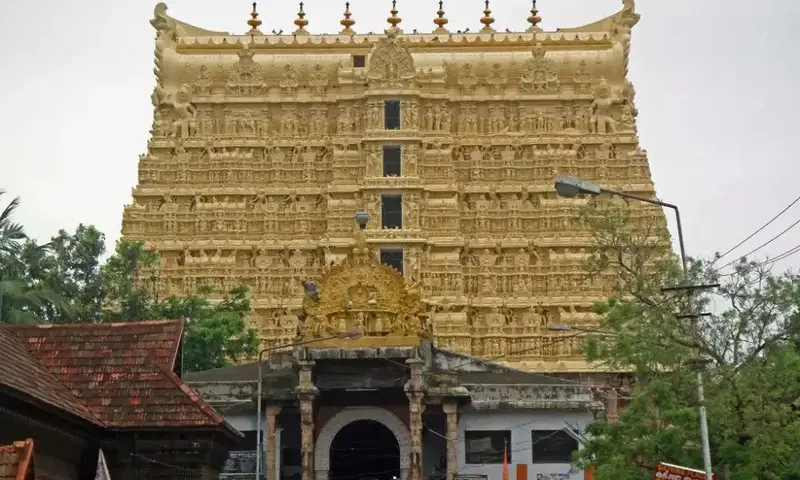
The shining golden pinnacle of the abode, the intricate South styled artworks and the serenity in the temple premises of the great Padmanabhaswamy (a Vishnu avatar) is such a heavenly experience for all Hindu pilgrims, especially the worshippers of ‘Vishnu’ who is known as the preserver of the creation. This temple is among the 108 holy places (Divya Desams) of almighty Vishnu, often making it a significant part of a Kerala Temple Tour for devotees seeking spiritual depth.
Based in the capital of the highest literacy state Kerala, the renowned temple of Padmanabhaswamy is the Indian only temple that has millions and trillions of treasure and is thus declared as wealthiest in the country. The temple showcases the Dravidian style of design which is one of a kind in the temples of all South India, much like the architectural richness seen in the Temple Towns of Tamil Nadu.
The temple houses a very rarely seen figure of the Vishnu in the Anantha Shaiya. The idol features the deity in the resting mode under the aegis of Sesh Naag. One can also see Lord Bramha coming out of a lotus flower from a navel of the main lord and a mini Shivalingam on which the main deity placed his right hand. There is another idol of Sri Vishnu with her consorts Sridevi and Bhudevi below the main figure. The idol of the principal deity is made with the 12 thousand saligrams – a sacred stone of representing Vishnu, reminiscent of the deep mythological narratives found in The Stories of Ashtavinayak Temple.
The temple reflects is a composite form of the Kerala & Tamil architectural work. The temple gopuram is approx 10 feet tall. Padmanabhaswamy temple walls have beautiful carvings and paintings of various sculptures and murals of different Gods and Goddesses with their stories. There is a holy water tank called Padma Teertham inside the temple complex. The majestic shrine is really impressive and fascinating. Visiting the temple feels like one has entered into the realm of Gods. The grandeur and the tranquility inside the temple give peacefulness to one’s mind, body and soul, an experience as spiritually uplifting as visiting Tungnath Temple the Opening and Closing Dates often inspires pilgrims to plan their journeys.
The temple has six chambers called vaults which are alphabetized as A, B, C, D, E and F. All these vaults excluding the Vault ‘B’ are filled with the hidden treasure of approx 71 lakh crore Indian Rupees (1 Trillion Dollars) which are opened two to three times in a year.
Vault ‘B’ of the temple is kept unopened. The truth of what’s behind the Vault ‘B’ is still a mystery. Vault ‘B’ is protected with strong gold material and no one is allowed to open the gates of the chamber. People believe that if the gates of this chamber are opened forcefully, it could lead to the destruction. Even the scientists are unable to figure out the truth behind the myth.
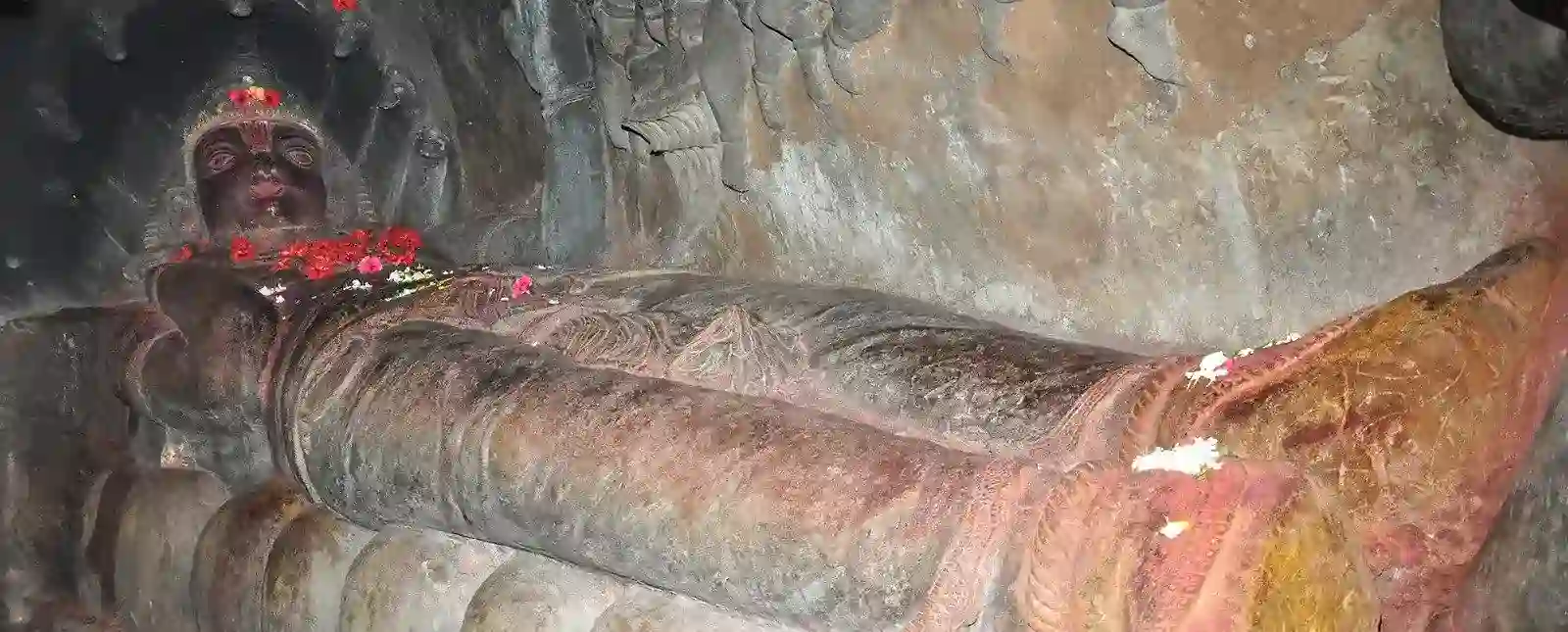
source: Cultura Colectiva
The temple construction was first initiated around the 6th century which was later taken over by the rulers of Travancore in around the 16th century, adding more beauty to the temple. Today the shrine is administered by the descendants of this royal family who are the trustees of this religious abode. The building structure and style resembles to somewhere that of the Adikesavaperumal temple located in Tiruvattar.

20 Best Hill Stations in Uttarakhand for Family Vacation, Corporate Trips, Nature Lovers & Adventure
26 Aug 2026
15 Best National Parks and Wildlife Sanctuaries in North East India
25 Aug 2026
16 Best Romantic Hill Stations in India for Honeymoon Holidays
23 Aug 2026
Top 30 Must-See Forts and Palaces in Rajasthan
21 Aug 2026
Top 30 Krishna Temples in India: A Complete Pilgrim and Traveller Guide
21 Aug 2026


