 +919871148514
 info@memorableindia.com
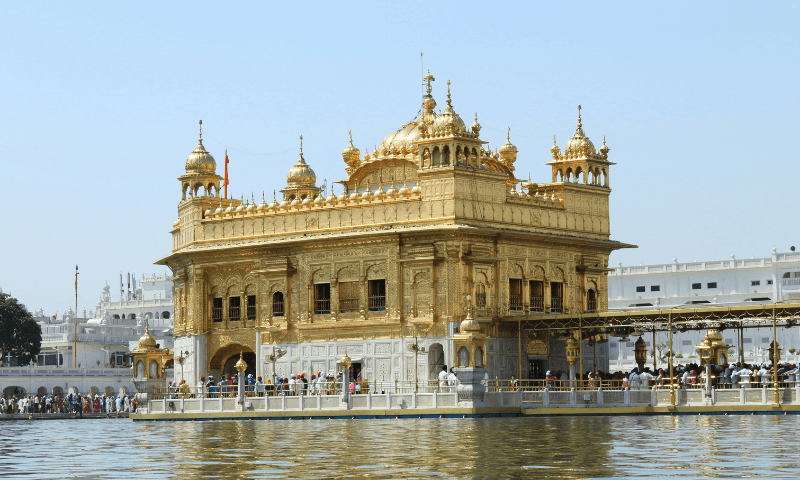
The Golden Temple anchors the identity of Amritsar, but the city is a compelling story extends far beyond its sacred pool. Most travelers come for a quick darshan and move on without experiencing the many layers of history, culinary traditions, and depth of culture that make this border city its own. The area around Harmandir Sahib shows the complex nature of Punjab’s past through memorials, museums, markets and living traditions, which should receive an equal share of attention. Many visitors who combine this journey with the Divine Amritsar Golden Temple Tour often realize that the experience becomes far richer when they step beyond the shrine itself.
This guide points out 15 must-visit destinations in proximity to the Golden Temple; each destination will add a dimension to your Amritsar experience. Whether you are booking Amritsar pilgrimage tour packages or planning an independent visit, these sites transform a single-point pilgrimage into a comprehensive exploration of North Indian heritage. For travelers already researching Best Places to Visit in Ludhiana a Complete itinerary or comparing cultural circuits like Best Places to Visit in Gujarat a Complete, Amritsar easily stands shoulder to shoulder in depth and diversity.
A five-minute walk from the Golden Temple takes you to Jallianwala Bagh where the British troops fired at peaceful protesters in April 1919. The existing bullet holes scarring the walls, the martyrs’ well where people jumped to escape gunfire and the eternal flame make for a sobering memorial experience. An Amritsar Jallianwala Bagh heritage tour offers important historical context missed by self-guided tours, about how this massacre gave a boost to the Indian independence movement and affected Punjabi political consciousness.
The garden is open from early morning till evening. Afternoons tend to be less crowded and time can be found for proper reflection. The museum adjacent to it has photographs and documentation from the period, which shed light on the events and their consequences.
Roughly 30 kilometers from the city center, the beating retreat ceremony of the day passes through a high crowd of people to see the Indian and Pakistani soldiers perform synchronized drills before lowering their respective flags. The Amritsar Wagah Border ceremony tour usually involves reserved seating and timing of the ceremony, which is important as the ceremony starts exactly at sunset and mass seating is filled an hour before the time.
The theatricalshow highlights high kicks, aggressive posturing, and synchronous gate movements, which provide unadulterated insight into Indo-Pak relations. The ceremony occurs every day regardless of weather conditions, and is therefore a good addition to any itinerary. Arrive early and have identification documents ready, and be prepared for security checks.
Located in the restored Town Hall close to the Golden Temple, this museum records the 1947 Partition using personal accounts, family photographs, and items left behind during mass migrations. The exhibits avoid political oversimplification with the human cost of the subcontinent division presented through individual stories.
The museum is a necessary counterpoint to the Golden Temple’s ageless spirituality. While the temple is the symbol of a long-standing devotion, the Partition Museum reminds visitors of comparatively recent trauma that is still shaping regional identity. The oral history section, in which survivors tell their memories, is the most powerful experience.
The dense network of markets, located not far from the Golden Temple – Hall Bazaar, Katra Jaimal Singh and the connected lanes sell everything from religious articles to Punjabi textiles to traditional juttis and street food. Hall Bazaar is a shop that deals in dry fruits, spices and packaged goods, and Katra Jaimal Singh is a shop dealing in clothing and accessories.
Food vendors here prepare kulcha in a traditional tandoor, making these markets the starting point for any Amritsar food tour kulcha experience. The signature stuffed breads come out hot from clay ovens in a serving with chole and pickled onions. Markets are open from morning to late evening, with food vendors being busiest during lunch and dinner hours.
Recently restored and opened to public access, Gobindgarh Fort is an experiential heritage site, instead of being a passive monument. The complex has museums that describe Sikh military traditions, light shows, cultural performances, and recreated historical scenarios that explain the strategic importance of Punjab in different periods.
Evening visits work especially well as the light and sound show provide dramatic context to the architecture of the fort. The on-site restaurants serve traditional Punjabi cuisine in settings that represent historical customs of dining. The fort remains open late, and it is ideal to visit after the Golden Temple.
This is a historic garden that was created by the Maharaja Ranjit Singh at the beginning of the 19th century and now houses a museum to the founder of the Sikh Empire. The preserved summer palace has weapons, coins, manuscripts, and paintings from the period when Punjab was an independent kingdom before its annexation by the British.
The gardens offer a welcoming green space away from the dense urban areas of Amritsar. Morning or late afternoon visits provide pleasant temperatures for touring both the museum galleries and the landscaped grounds. Ranjit Singh’s administrative system and military innovations are explained in the museum.
Often referred to as the Silver Temple, because of its silver-plated domes, the Durgiana Temple is similar in architectural style to the Golden Temple and caters to the Hindu community of Amritsar. The temple complex, dedicated to Goddess Durga is indicative of religious plurality, which characterizes Punjab despite its Sikh majority.
Durgiana is located about 10 minutes by rickshaw from Harmandir Sahib and so gets much fewer tourists and hence offers a quieter devotional atmosphere. The prasad given here is not the same way as what is offered in gurdwaras, offering food-related tourists another taste of authenticity. The temple tank follows the same design as the sarovar of the Golden Temple.
This specialised museum focuses only on weapons, armor, and the military strategy during the Sikh Empire. The collection contains swords, firearms, chain mail and paintings of great battles that established and defended the independence of Punjab.
The building of the Museum itself, originally a summer palace, features some Punjabi architectural elements worth checking out apart from the exhibits. Photography restrictions are in place inside most galleries, so plan on spending your time reading descriptions instead of rushing around to get photos. The armament collection shows fine craftsmanship that went into military equipment.
Khalsa College’s Indo-Saracenic architecture makes it one of the most photographed educational institutions in North India. The red sandstone buildings, dome buildings, and decorative details make an impressive campus that serves as part working college, part informal tourist attraction.
Visitors are welcome to walk the grounds during daytime hours when classes are not in session. The facade of the central building is especially well photographed during golden hour. The college reflects early educational reform movements in the Sikh community in the early 20th century.
The area between Jallianwala Bagh and the Golden Temple is relatively close making an informal heritage walk through the old city lanes of Amritsar. The narrow passages reveal traditional havelis, small shrines, street vendors and everyday urban life largely untouched for decades.
This walk is best done in the early morning or late afternoon when temperatures are moderated. The route passes through many food vendors, cloth merchants and workshops where artisans produce traditional items. Moving slowly in these lanes gives context to the integration of the Golden Temple into city life rather than being an isolated monument.
This nine-story octagonal building located near the Golden Temple is in memory of Atal Rai, the son of the sixth Sikh Guru. Each level has frescoes that illustrate Sikh history and teachings, and the unique design of the tower is unique architectural feature in the building of gurdwaras.
Climbing to upper levels offers views over the old city’s rooftops of Amritsar. The gurudwara is not as popular with visitors as the Golden Temple, which means that there is more opportunity to reflect in peace. The caretakers often share stories with people about the frescoes and the history that they represent.
This recreated Punjabi village on the outskirts of Amritsar stages some traditional activities such as folk dances, craft demonstrations, bullock cart rides, and rural games. While specifically aimed at tourists, Sadda Pind maintains cultural practices lost in real villages due to modernisation.
The on-site restaurant offers village-style meals, and there are evening cultural programs with bhangra performances. The site works well for the family with children or visitors with limited time to explore actual rural areas. The craft demonstrations include traditional pottery, weaving and woodworking techniques.
This Hindu cave temple which was built below ground level, provides an unusual environment for worship; the temple has narrow passages, small shrines, and colourful representations of deities. The cooler temperatures in the summer months of Punjab are maintained by the cave structure.
The temple is attracting locals instead of international tourists and provides a true insight into the daily religious practice. First-time visitors should brace themselves for low ceilings and small spaces. The underground design has been said to be from the Mughal period, when some Hindu worship was relocated to less visible places.
This public park is the main green lung of Amritsar and it provides walking paths, sitting and recreational facilities. The park is used by local families during early morning and evening hours for exercise and socialising.
The park has several small monuments and a museum of the military history of Maharaja Ranjit Singh. Company Bagh offers a respite from the people in the temples and in the markets, something that is especially useful during hot weather. The gardens receive highest levels of use during the winter months when the temperatures are conducive to outdoor activities.
Many traditional villages which are within short driving distance, provide agricultural experience and rural homestays. These communities are keen to receive visitors who are interested in getting to know Punjab’s farming culture, traditional cooking methods and village social structures.
Visits in harvesting seasons are most compelling; however, farming communities are active throughout the year. Some villages liaise with tour operators to provide organised visits with meals, walks of the farms, and demonstrations of crafts. These experiences complement Amritsar as a city with rural views.
The best time to visit Amritsar Golden Temple is between the months of October and March, when the temperature is comfortable for outdoor exploration. Summer months (April-June) are extremely hot with limited midday activities and monsoon season (July – September) is humid, with occasional heavy rainfall.
When thinking about Amritsar holiday packages, search for packages that have itineraries that offer a good balance of spiritual sites, historical and cultural sites. A well-planned itinerary of three days offers enough time to visit the Golden Temple, Jallianwala Bagh, Wagah Border and some secondary places without rushing.
If you are planning an Amritsar Golden Temple pilgrimage tour, please consider extending your stay and visiting all the heritage sites mentioned above. The city is more rewarding if explored slowly than if just given the temple-only treatment. Many visitors devote one day to the Golden Temple itself (including langar and evening prayers), one day to Wagah Border and Partition Museum, and a third day to markets and museums and other temples.
For food lovers, the markets around the Golden Temple are the best places to have the most authentic Amritsar food tour kulcha experience, along with some other Punjabi specialties. Street vendors cook kulcha, chole bhature, lassi, and sweets in traditional ways. Morning visits to the local dhabas give an insight into Punjabi breakfast culture.
Most of the sites mentioned here are in the old city or only short rickshaw rides from the Golden Temple. Wagah Border requires the longest travel time – plan for about 90 minutes round trip, including the ceremony itself. Starting early gives you the opportunity to cover multiple sites in a day and avoid peak crowds.
Amritsar is not just a religious destination. The role of the city in India’s struggle for independence, Partition history and current border dynamics add depth to the narrative that contributes to the city’s rise above the usual circuits for pilgrimages. Taking time to engage with this complexity makes a temple visit an all-inclusive cultural education.
What is the ideal duration for visiting places near the Golden Temple?
Three to four days is a comfortable time to explore the Golden Temple as well as the surrounding sites. Dedicate one whole day to the temple complex itself, one to Wagah Border and Partition Museum, and the rest to markets, Jallianwala Bagh, and other heritage sites, depending on your interests.
How far is Wagah Border from the Golden Temple?
Wagah Border is around 30 kilometers away from the Golden temple and it will take 45-60 minutes depending upon traffic conditions. Plan to get there at least 2 hours before sunset to allow for travel time, security checks & seating. The ceremony starts exactly at sunset, no matter what the season is.
Can all these sites be covered in one day?
Trying to visit all 15 sites in a single day means rushed, superficial visits. Prioritize according to your interests – history lovers should head to Jallianwala Bagh and Partition Museum, while foodies should do their fair share of exploring the markets. Quality engagement with fewer sites is better value than cursory visits to many.
Are there entry fees for these attractions?
Most of the attractions around Amritsar have little or no entry fees. The Golden Temple, as well as other gurdwaras and Jallianwala Bagh, are open to visit free of cost. Museums have nominal charges, with the higher rates being charged for foreigners. Wagah Border viewing is free, although paid tours essentially facilitate transport.
What should I wear when visiting these sites?
All gurdwaras require a head covering and the removal of shoes. Modest clothing shoulders and knees covered are appropriate for all sites mentioned. The Golden Temple and other gurdwaras offer head covering for free if necessary. Comfortable walking shoes are helpful as most sites involve quite a lot of walking or standing.
15 Amazing Temple Fairs in India: A Traveller’s Guide to Faith, Colour and Living Tradition
30 Sep 2026
13 Best Places to Explore in the Youngest State of Telangana
29 Sep 2026
12 Less Explored Destinations in Maharashtra Worth Adding to Your Travel List
28 Sep 2026
11 Must-Visit Museums in India for Wildlife Lovers
27 Sep 2026
11 Best Places in India to Celebrate Christmas
26 Sep 2026


