 +919871148514
 info@memorableindia.com
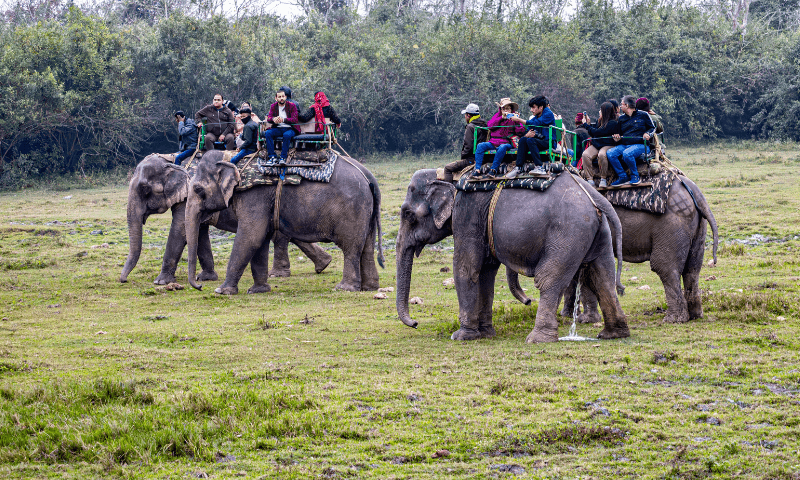
Thekkady sits at the edge of the Western Ghats in Kerala’s Idukki district, roughly four kilometres from the town of Kumily, surrounded by cardamom plantations and tropical forests that stretch towards the Tamil Nadu border. It is one of the few destinations in South India where a morning can begin with a guided walk through a spice garden and end with a close encounter with an Asian elephant in a forest clearing.
The elephant safari in Thekkady has become one of the most sought-after wildlife activities in Kerala, attracting families, couples, and solo travellers seeking more than just a boat ride across a lake. These safaris take visitors through plantation trails, forested paths, and open hillsides, offering a perspective on the landscape that no jeep or canoe can replicate. For many travellers, it is the single experience they remember most vividly from their trip to Kerala.
This guide covers how the safari works, what to expect during the ride, the best time to visit, practical booking details, and how to combine the experience with other activities in and around Thekkady.
Thekkady owes its reputation largely to the Periyar Wildlife Sanctuary, one of the oldest protected areas in Kerala. The sanctuary is centred around Periyar Lake, an artificial reservoir created in 1895, and the forested hills that surround it are home to Asian elephants, sambar deer, wild boar, gaur (Indian bison), and a range of bird species. The area was declared a tiger reserve in 1978, and its ecosystem remains one of the most studied tropical habitats in peninsular India.
What makes Thekkady different from many other wildlife destinations in the country is its accessibility. The town of Kumily, which serves as the gateway to the sanctuary, is well connected by road to Kochi (approximately 190 kilometres), Munnar (around 110 kilometres), and Madurai in Tamil Nadu (roughly 140 kilometres). This means a Thekkady wildlife experience fits naturally into most Kerala itineraries without requiring a detour into remote terrain.
Beyond the sanctuary, the surrounding landscape is dominated by tea, coffee, pepper, and cardamom plantations, giving the region a distinctive aroma that visitors notice the moment they arrive.
An elephant safari in Thekkady is a guided ride on the back of a trained elephant through the spice plantations and forested areas near the Periyar Wildlife Sanctuary. Unlike a jeep safari, where you move quickly along a motorable track, the elephant safari is a slower, more immersive experience. You sit on a padded wooden seat (called a howdah) mounted on the elephant’s back, with an experienced mahout guiding the animal along trails that wind through cardamom hills and wooded valleys.
Most safaris last between 30 and 90 minutes, depending on the package you choose. The standard ride takes you along plantation trails where you can observe the terrain from an elevated vantage point, spot birds and smaller wildlife, and take in views of distant hills and valleys. Longer packages may include an elephant feeding session, a bathing interaction where you help wash the elephant, and a mahout demonstration that explains how the animals are trained and cared for.
The elephants used for these safaris are domesticated animals that have been part of Kerala’s cultural and working life for generations. Each elephant is accompanied by its dedicated mahout, and visitors are briefed on basic safety and behaviour guidelines before the ride begins.
This is not a wilderness safari in the traditional sense. You will not be tracking tigers or moving through core forest zones. What the elephant ride in Thekkady offers instead is an intimate, unhurried connection with the animal and the landscape, which is exactly why it appeals to such a wide range of travellers.
Thekkady offers more than just the standard ride. Several organised camps and tourism centres near Kumily provide a range of elephant-related activities. Here is what most operators offer:
This is the core experience. Visitors ride through working cardamom and pepper plantations, with the mahout narrating points of interest along the way. The ride offers panoramic views of the surrounding hills and is suitable for all age groups, including young children and seniors.
One of the most popular add-on activities. The elephant lies down in a shallow pool or stream, and visitors are invited to help scrub and wash it. The elephant may spray water with its trunk, making this a particularly memorable (and wet) activity. Carry a change of dry clothes if you plan to participate.
Visitors are given bananas, sugarcane, and other food to hand-feed the elephant. This brief interaction provides an opportunity to observe the animal’s dexterity and temperament up close.
Some camps offer a short session where the mahout demonstrates the traditional commands and signals used to communicate with elephants. This adds context to the ride and gives visitors an understanding of the bond between the mahout and the animal.
These activities are typically bundled into half-day packages, though individual sessions can also be booked separately. Booking is recommended, particularly during the peak tourist season from October to March.
While the elephant safari is a highlight, a visit to Thekkady is incomplete without spending time at the Periyar Wildlife Sanctuary itself. The sanctuary offers several activities that complement the elephant experience and give visitors a broader understanding of the region’s ecology.
The Kerala Forest Development Corporation operates boat cruises on Periyar Lake. These morning and afternoon rides last approximately 90 minutes and are one of the best ways to observe elephants, gaur, and various bird species along the lake’s forested shoreline. Early morning departures tend to offer better wildlife sighting opportunities.
For travellers who prefer to be on foot, the sanctuary offers guided nature walks along the forest periphery. More adventurous options include overnight jungle treks conducted by trained tribal guides, which take small groups deeper into the forest canopy.
A quieter alternative to the motorised boat ride, bamboo rafting involves floating on a raft made of bamboo along the edges of the lake. It is a more peaceful way to observe wildlife without engine noise.
Thekkady’s surrounding hills are covered with plantations growing cardamom, pepper, cinnamon, clove, and nutmeg. Guided tours of these working farms explain the cultivation process and allow visitors to purchase fresh spices directly from the source.
Together, these activities make Thekkady a destination that can comfortably fill two to three days of a Kerala itinerary.
Thekkady’s climate is tropical but moderated by its elevation of roughly 900 metres above sea level. The region receives rainfall during both the southwest and northeast monsoons, which means weather conditions vary significantly across the year.
The ideal window for an elephant safari in Thekkady is from October to March. During these months, the weather is cool and dry, temperatures hover between 15 and 30 degrees Celsius, and outdoor activities can be enjoyed comfortably. This is also the period when Periyar Wildlife Sanctuary sees the highest wildlife activity, as animals gather around the lake’s shrinking water sources.
April and May bring warmer weather, but the higher altitude keeps Thekkady more pleasant than the Kerala lowlands. Safari operations continue during these months, though midday heat can make afternoon rides less comfortable.
The monsoon months from June to September bring heavy rainfall. While the landscape turns strikingly green, some outdoor activities may be restricted, and trails can become slippery. Elephant safaris generally remain available during the monsoon, but schedules may be adjusted based on weather conditions.
If your Kerala trip is flexible, aim for October to February for the best combination of comfortable weather, good visibility, and reliable activity availability.
A few practical details can make the difference between a good experience and a great one. Keep the following in mind when planning your elephant safari in Thekkady:
If you are travelling with young children, check with the operator about minimum age or weight requirements. Most camps welcome families, but some activities may have restrictions for very young children.
Thekkady is accessible by road from several major cities in Kerala and Tamil Nadu. The most common starting points are:
From Kochi (Cochin): Approximately 190 kilometres, a four to five hours drive through the foothills of the Western Ghats.
From Munnar: Around 110 kilometres, a scenic three to four hours drive through tea plantations and hill roads.
From Madurai (Tamil Nadu): Roughly 140 kilometres, about three and a half hours by road. This is a popular entry point for travellers arriving from Tamil Nadu.
From Alleppey (Alappuzha): Approximately 155 kilometres, about four hours by road.
The nearest railway station is Kottayam, about 114 kilometres from Thekkady. The nearest airport is Cochin International Airport at Nedumbassery. Private taxis, state buses, and organised tour vehicles operate on all these routes.
Most Kerala tour itineraries position Thekkady between Munnar and the backwater destinations of Kumarakom or Alleppey, making it a natural midpoint in a week-long Kerala circuit.
Thekkady works best as part of a multi-destination Kerala holiday rather than a standalone trip. A typical seven-to-ten-day Kerala itinerary might begin in Kochi, move to the tea estates of Munnar, continue to Thekkady for wildlife and spice plantation visits, and then head south to the backwaters of Kumarakom or Alleppey before concluding on the beaches of Kovalam.
This routing allows travellers to experience Kerala’s diverse landscape, from misty hill stations and dense forests to calm waterways and golden coastline, within a single trip. Thekkady sits right at the centre of this arc, serving as the transition point between the hills and the lowlands.
For families with children, the elephant safari and spice garden visits in Thekkady offer hands-on, educational experiences that balance well with the more relaxed houseboat stay and beach time later in the trip. For couples and solo travellers, the Periyar Wildlife Sanctuary adds an element of adventure and natural immersion that contrasts nicely with the heritage and culinary experiences in Kochi.
If you are planning a longer South India tour, Thekkady also connects well with Madurai in Tamil Nadu, making it possible to combine Kerala’s wildlife offerings with Tamil Nadu’s temple heritage.
Any discussion about elephant safaris must address the question of animal welfare. Kerala has one of the oldest traditions of domesticated elephant keeping in India, and many of the elephants used in Thekkady’s tourism activities come from temple or logging backgrounds.
Reputable operators in Thekkady maintain veterinary oversight, provide regular health checks, and ensure that the elephants are not overworked. Look for camps that limit the number of rides per day, allow the elephants adequate rest and feeding time, and employ experienced mahouts who have long-standing relationships with their animals.
As a traveller, you can make informed choices. Opt for operators who prioritise the animal’s wellbeing over volume. Avoid camps that appear to push elephants through back-to-back rides without breaks. Ask questions about the elephant’s history and daily routine before booking.
Responsible tourism is also about respecting the forest. The Periyar Wildlife Sanctuary has strict guidelines around waste disposal, noise levels, and movement within the park. Following these rules helps preserve the ecosystem that makes the entire Thekkady wildlife experience possible.
Thekkady offers something that very few destinations in India can match: the chance to experience Kerala’s wildlife, plantation culture, and forest landscape in a single, concentrated visit. The elephant safari sits at the heart of this experience, providing a tactile, memorable interaction with one of India’s most revered animals.
For travellers who want to go beyond standard sightseeing and connect with the natural world in a meaningful way, Thekkady is worth more than a quick day visit. Budget at least two nights to enjoy the elephant safari, a boat ride on Periyar Lake, and a spice plantation tour without feeling rushed.
A well-planned Kerala holiday that includes Thekkady can be tailored to suit families, couples, and wildlife enthusiasts alike. Reach out to Memorable India to design a Kerala itinerary that includes the best of Thekkady’s wildlife and plantation experiences.
Q: What is the best time of year for an elephant safari in Thekkady?
The best time for an elephant safari in Thekkady is between October and March, when the weather is cool, dry, and ideal for outdoor activities. Wildlife activity around Periyar Lake is also higher during these months, making it a rewarding period for nature lovers visiting Kerala.
Q How long does the elephant safari in Thekkady last?
Elephant safaris in Thekkady typically last between 30 and 90 minutes, depending on the package selected. Shorter rides cover the plantation trail, while longer packages may include feeding, bathing, and a mahout training demonstration alongside the ride.
Q Is the elephant safari in Thekkady suitable for children and seniors?
Yes, the elephant safari in Thekkady is generally suitable for children and seniors. The ride is slow-paced and guided, and the wooden howdah provides a secure seating arrangement. Families should check with the operator for any minimum age or weight requirements before booking.
Q What other wildlife activities can I do near Thekkady?
Apart from the elephant safari, Thekkady offers Periyar Lake boat rides, guided nature walks, bamboo rafting, overnight jungle treks, and spice plantation tours. These activities are all centred around or near the Periyar Wildlife Sanctuary and can fill two to three days of your trip.
Q How do I reach Thekkady from Kochi or Munnar?
Thekkady is approximately 190 kilometres from Kochi (four to five hours by road) and around 110 kilometres from Munnar (three to four hours). The nearest railway station is Kottayam, and the nearest airport is Cochin International Airport. Private taxis and state buses operate on all major routes.
Q Do I need to book the elephant safari in advance?
Yes, advance booking is strongly recommended, especially during the peak season from October to March. The number of elephants available per day is limited, and walk-in availability cannot be guaranteed. Memorable India accepts reservations online through their official website and on calls as well.

20 Best Hill Stations in Uttarakhand for Family Vacation, Corporate Trips, Nature Lovers & Adventure
26 Aug 2026
15 Best National Parks and Wildlife Sanctuaries in North East India
25 Aug 2026
16 Best Romantic Hill Stations in India for Honeymoon Holidays
23 Aug 2026
Top 30 Must-See Forts and Palaces in Rajasthan
21 Aug 2026
Top 30 Krishna Temples in India: A Complete Pilgrim and Traveller Guide
21 Aug 2026


