 +919871148514
 info@memorableindia.com
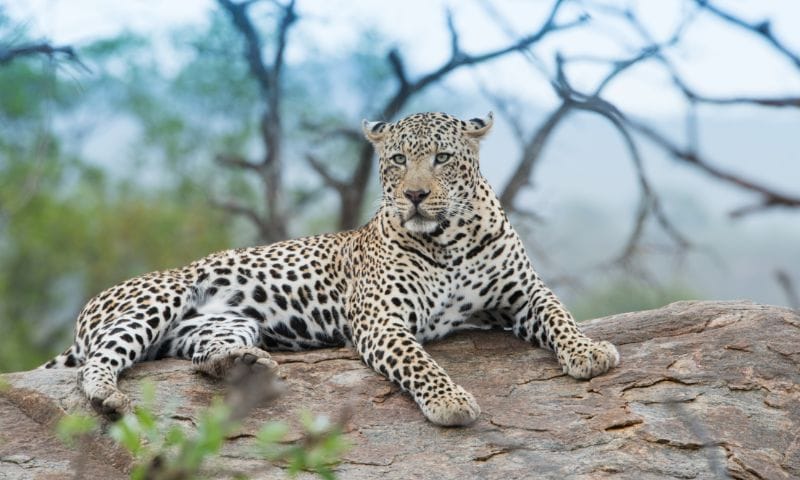
Jaipur is best known for its pink sandstone facades, palatial forts, and bustling bazaars. What most visitors do not realise is that the Pink City is also one of the few urban centres in the world where you can go on a leopard safari without leaving the city limits. The Galta Ji leopard safari, officially part of the Amagarh Leopard Reserve, operates in the rugged Aravalli hills on the eastern outskirts of Jaipur, barely 20 kilometres from the city centre. The entry gate sits near the ancient Galtaji Temple complex, a Hindu pilgrimage site known for its natural springs and resident monkey population.
What makes this safari distinctive is its context. You are not travelling hours into a remote forest. You are driving through rocky terrain flanked by the same hills that cradle one of Rajasthan’s oldest temple valleys. Leopards here live in caves and rock crevices within a landscape dotted with heritage structures, temple spires, and fort ruins. For travellers already in Jaipur for a heritage visit, the Galta Ji leopard safari adds a genuinely unexpected wildlife dimension to the trip, one that most Jaipur itineraries still overlook.
The Amagarh Leopard Reserve is a protected wildlife area located in the Galta Hills along the Agra Road side of Jaipur. The Rajasthan Forest Department identified this area as a leopard habitat in 2018, and it was formally opened to the public on 22 May 2022, coinciding with World Biodiversity Day. It is India’s second dedicated leopard reserve, following the Jhalana Leopard Reserve that also operates within Jaipur’s boundaries.
The reserve covers an area of 1,524 hectares and provides a protected habitat for a healthy population of leopards. The terrain is dominated by rocky Aravalli outcrops, dry scrubland, sparse woodland, and grassy patches, creating a landscape that is both visually striking and ecologically functional. Seven dedicated watering holes have been established across the reserve to support wildlife through Rajasthan’s dry months, and a 12-kilometre safari track with three designated routes allows visitors to explore different zones of the habitat.
The Amagarh leopard reserve Jaipur shares a broader ecological corridor with the neighbouring Jhalana forest, and together they form the Jhalana-Amagarh Leopard Conservation Reserve. This combined protection zone has made Jaipur the only city in India with two operational leopard reserves, a fact that significantly strengthens its position as a serious wildlife tourism destination alongside its cultural credentials.
Leopards are the headline species, but the Galta Hills wildlife extends well beyond a single predator. The reserve supports a diverse food chain across its rocky and forested terrain.
The reserve is home to striped hyenas, jungle cats, desert cats, Indian civets, jackals, desert foxes, porcupines, and mongooses. Among herbivores, nilgai (blue bull), sambar deer, and spotted deer (chital) are regularly sighted. Monitor lizards and several species of snakes add to the reptile diversity.
Birding enthusiasts will find the Amagarh reserve surprisingly rewarding. The habitat supports a wide variety of resident and migratory birds. Peafowl, parakeets, woodpeckers, and various raptors are among the commonly sighted species. During the winter months, migratory species add further variety, making the morning safari a dual opportunity for leopard and bird sightings.
Leopards in this reserve use the granite caves and rocky overhangs as resting spots during the day. They are most active during the early morning and late evening hours, when they move along the ridgelines, patrol territories, or head toward watering holes. The rocky terrain means that when sightings happen, the leopard is often visible on an elevated surface, sometimes basking on a boulder or observing the landscape from a cave entrance. This makes for particularly rewarding wildlife photography, as the natural granite backdrop provides a dramatic frame.
The Galta Ji leopard safari operates in two daily shifts, morning and evening, with timings adjusted seasonally to align with sunrise and sunset. The safari runs throughout the year, though visitors’ experience varies by season.
November to January: Morning shift runs approximately from 7:00 AM to 9:30 AM. Evening shift from 3:15 PM to 5:45 PM.
February to March: Morning shift from approximately 6:15 AM to 8:45 AM. Evening shift from 3:45 PM to 6:15 PM.
April to May: Morning shift from approximately 5:45 AM to 8:15 AM. Evening shift from 4:15 PM to 6:45 PM.
June to July: Morning shift from approximately 5:45 AM to 8:15 AM. Evening shift from 4:45 PM to 7:15 PM.
August to October: Morning shift from approximately 6:45 AM to 9:15 AM. Evening shift from 3:45 PM to 6:15 PM.
Each safari lasts roughly two and a half hours. The reserve operates with a limited number of safari vehicles, so capacity is restricted on any given day. This makes advance booking essential, particularly during the peak winter season.
Safari bookings are managed through the Rajasthan Forest Department’s official online portal (FMDSS) and the OBMS tourism booking platform. Both portals list Jhalana and Amagarh under a combined entry. You will need a government-issued photo ID at the time of booking, and the same ID must be carried during the safari. Memorable India also arranges safari packages that include transportation, guide services, and sometimes hotel coordination.
The safari is divided into three zones or routes, and you can select your preferred zone at the time of booking. No refunds or cancellations are permitted once the booking is confirmed, so plan your dates carefully.
The most productive months for leopard spotting in Jaipur are October through March. Winter weather in Rajasthan is pleasant, with comfortable temperatures that make early morning and late evening outdoor activity enjoyable. Leopards and other wildlife are more active during the cooler months, and visibility through the sparse vegetation is at its best.
This is the peak season. Leopard activity is high, migratory birds are present, and the weather is ideal for spending extended time outdoors. Morning safaris in particular benefit from the soft winter light, which is excellent for photography. If your trip to Jaipur falls between November and February, a Galta Ji safari should be on your itinerary.
Temperatures in Jaipur can climb sharply during summer, making afternoon safaris uncomfortable. However, morning safaris during this period can still produce good sightings, as animals gather near watering holes. If you are visiting during summer, book the earliest morning slot and carry adequate sun protection and water.
The monsoon season brings humidity and intermittent rainfall. Safari operations continue, but sightings can be less predictable. The landscape, however, transforms into a lush green setting, and the post-monsoon weeks of September and early October can be surprisingly good for birding and general wildlife observation.
One of the biggest advantages of the Jaipur wildlife safari at Amagarh is its proximity to the city centre. You do not need a multi-hour drive or an overnight stop to reach the reserve.
Jaipur International Airport (Sanganer) is approximately 16 kilometres from the Amagarh reserve. Taxis and cab services are readily available from the airport, and the drive takes roughly 30 to 40 minutes depending on traffic.
Jaipur Junction, the city’s main railway station, is about 11 kilometres from the safari entrance near Galtaji. Auto-rickshaws, taxis, and app-based cab services operate from the station.
The reserve is situated along the Agra Road side of Jaipur, making it accessible from multiple parts of the city. If you are staying in central Jaipur or near Amber Fort, the drive is typically under 30 minutes. For travellers on a broader Rajasthan circuit, Jaipur is well connected by national highways to Delhi (approximately 280 km), Udaipur (approximately 395 km), and Jodhpur (approximately 335 km).
Memorable India’s Jaipur day tours can be tailored to include a Galta Ji safari alongside the city’s heritage highlights, allowing you to cover both cultural and wildlife experiences in a single itinerary.
The Galta Ji leopard safari gains an additional layer of appeal from its proximity to several heritage and religious sites. The safari entry gate is located near the Galtaji Temple complex, and most visitors find it natural to combine the two experiences.
Galtaji is a centuries-old pilgrimage site set in a narrow valley in the eastern hills of Jaipur. The complex includes multiple temples, holy kunds (water tanks), shrines, and natural springs. The most sacred of these is the Galta Kund, which according to local traditions, never runs dry. The temple is also famously home to large troops of rhesus macaques, earning it the popular name “Monkey Temple.” Memorable India has a detailed guide on Galtaji Temple that covers the history, legends, and visitor experience in depth.
Perched on the Aravalli hills overlooking the reserve, Amagarh Fort is one of Jaipur’s lesser-known heritage structures. The fort offers panoramic views of the surrounding hillscape and the city below. It is a short trek from the safari area and appeals to visitors looking for off-the-beaten-path exploration.
Raghunath Fort and Ambamata Temple are also within easy reach of the safari zone. For travellers with a full day in hand, combining the leopard safari with Galtaji Temple and one of the fort treks creates a well-rounded half-day excursion that blends wildlife, spirituality, and history.
Jaipur is unique in offering two distinct leopard safari experiences within its boundaries. The Jhalana Doongri Forest Reserve was India’s first dedicated urban leopard safari and remains the more established of the two. Amagarh, being newer, is still developing its tourism infrastructure but offers its own strengths.
Jhalana benefits from higher visitor awareness, more established safari operations, and a track record of consistent leopard sightings. It operates within a denser forest zone and has a well-developed booking system.
Amagarh, on the other hand, offers a more rugged, hill-dominated terrain with dramatic Aravalli ridge views. The safari routes pass through rockier, more open landscapes, which can make sightings feel more immersive when they occur. The proximity to Galtaji Temple and Amagarh Fort also gives it a cultural advantage that Jhalana does not share.
For wildlife enthusiasts spending more than a day in Jaipur, doing both safaris is a worthwhile option. Morning at Amagarh and evening at Jhalana (or vice versa) provides a comprehensive look at how leopards adapt to two different micro-habitats within the same city.
A few considerations will help you get the most from your visit.
If you are planning a wider Rajasthan trip, Memorable India’s Rajasthan tour packages can incorporate the Galta Ji safari into a multi-city itinerary covering Jaipur, Udaipur, Jodhpur, and other destinations. For those on a shorter schedule, the Golden Triangle tour covering Delhi, Agra, and Jaipur can be extended to include a morning safari before departing Jaipur. India’s best wildlife safari destinations also complement this experience for travellers interested in building a broader wildlife circuit.
The Galta Ji leopard safari fills a gap that most Jaipur itineraries do not even know exists. It takes a city celebrated for its forts, palaces, and markets and adds a genuine wildlife encounter set against the ancient Aravalli hills. The proximity to the city centre, the cultural depth of the Galtaji Temple complex, and the thrill of spotting a leopard on a granite ridge just minutes from urban Jaipur make this an experience that is hard to replicate anywhere else.
For first-time Jaipur visitors and repeat travellers alike, Amagarh deserves a slot in the schedule. It is still emerging on the tourism map, which means smaller crowds, quieter trails, and a more intimate connection with the landscape.
Memorable India can help you build a Jaipur itinerary that balances heritage sightseeing with a Galta Ji safari experience. Explore our Jaipur day tours or get in touch with our team to design a customised plan that fits your travel dates and interests.
The Galta Ji leopard safari refers to the Amagarh Leopard Reserve safari, which operates in the Galta Hills on the eastern outskirts of Jaipur. The safari entry point is located near the Galtaji Temple complex, and the reserve is home to a healthy population of leopards along with various other wildlife species.
The Amagarh safari timings vary by season. Generally, morning safaris run from approximately 5:45 AM to 9:30 AM and evening safaris from 3:15 PM to 7:15 PM, depending on the month. Each session lasts roughly two and a half hours. Check the official FMDSS booking portal for exact timings during your travel dates.
The best time for a leopard safari in Jaipur at Amagarh is between October and March. Winter months offer pleasant weather, higher leopard activity, and excellent photography conditions. Morning safaris during this period are particularly productive for wildlife sightings.
The Amagarh reserve is approximately 20 kilometres from Jaipur city centre, accessible via Agra Road. Jaipur International Airport is about 16 kilometres away, and Jaipur Junction railway station is around 11 kilometres from the safari gate. Taxis, auto-rickshaws, and app-based cabs are readily available from both transit points.
Yes. Both reserves operate within Jaipur’s boundaries and can be visited on the same day or on consecutive days. A morning safari at one reserve and an evening safari at the other provides an excellent comparison of two distinct leopard habitats within a single city.
Carry a government-issued photo ID (required for entry), binoculars, a camera with a telephoto lens, a reusable water bottle, sun protection (hat, sunscreen), and wear closed shoes in muted, earthy colours. Avoid bright clothing and keep noise levels low throughout the safari.

20 Best Hill Stations in Uttarakhand for Family Vacation, Corporate Trips, Nature Lovers & Adventure
26 Aug 2026
15 Best National Parks and Wildlife Sanctuaries in North East India
25 Aug 2026
16 Best Romantic Hill Stations in India for Honeymoon Holidays
23 Aug 2026
Top 30 Must-See Forts and Palaces in Rajasthan
21 Aug 2026
Top 30 Krishna Temples in India: A Complete Pilgrim and Traveller Guide
21 Aug 2026


