 +919871148514
 info@memorableindia.com
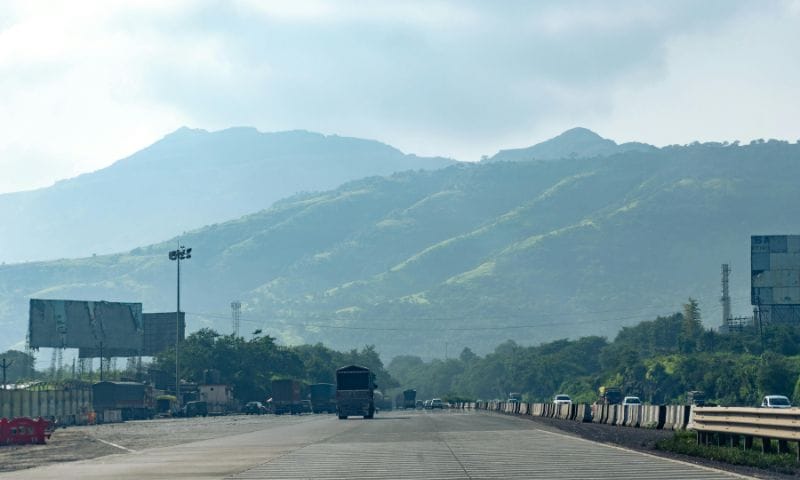
Mumbai runs at a pace that very few cities can match. The density, the humidity, and the relentless energy of the city are exhilarating for a while, but at some point, even the most committed Mumbaikar needs a reset. Fortunately, the Western Ghats run almost parallel to the Konkan coast, placing some of India’s most accessible hill stations within a three-to-six-hour drive from the city centre.
These are not remote Himalayan outposts requiring a week of planning. They are weekend-ready escapes, most reachable by Friday evening, offering cool air, green trails, and the kind of quiet Mumbai simply does not allow. For anyone already exploring the city through a Mumbai city tour, one day sightseeing itinerary or a Mumbai Elephanta Caves day trip, a short hill station detour adds an entirely different dimension to the experience.
Here are 15 hill stations near Mumbai that deserve a place in your weekend calendar.
Approximately 83 kilometres from Mumbai, Lonavala sits at roughly 625 metres in the Sahyadri range and is the most popular weekend escape from the city. The Mumbai-Pune Expressway makes the drive smooth. Rajmachi Fort offers panoramic valley views via a moderate trek. Bhushi Dam draws monsoon crowds, while the Karla and Bhaja Caves, Buddhist rock-cut monuments dating to the 2nd century BCE, add genuine historical depth. Tiger’s Leap provides one of the most dramatic cliff-edge viewpoints in the region. Best visited between June and February.
About 80 kilometres from Mumbai, Matheran holds a rare distinction: it is entirely vehicle-free. Access is by narrow-gauge toy train from Neral or on foot, and movement inside the town is by walking or horseback. At around 800 metres, it is cooler than Mumbai year-round. Charlotte Lake, Panorama Point, Louisa Point, and Echo Point are all manageable walks. The absence of traffic makes the air noticeably cleaner. Matheran closes during monsoon (mid-June to mid-October) due to landslide risks. Best window: October to May.
Approximately 260 kilometres from Mumbai, Mahabaleshwar is the Western Ghats’ most established hill station at about 1,350 metres. It served as the summer capital of the Bombay Presidency. Arthur’s Seat overlooks the Savitri river gorge and the Konkan plains. Pratapgad Fort, associated with Chhatrapati Shivaji Maharaj, is 24 kilometres from the town. Venna Lake offers boating, and Mapro Garden draws visitors for its strawberry products. Strawberry farms peak between December and April.
About 250 kilometres from Mumbai and just 19 kilometres from Mahabaleshwar, Panchgani is less commercialised and quieter. Table Land, a flat laterite plateau and the second longest in Asia, offers wide-open walking space. Sydney Point provides Krishna Valley views, and Parsi Point overlooks Dhom Dam. Heritage boarding schools give the town a distinct old-world character. A strong option for travellers wanting Mahabaleshwar’s altitude without the weekend tourist density.
Approximately 120 kilometres from Mumbai, Igatpuri sits at about 600 metres on the Mumbai-Nashik highway. It is known for the Vipassana International Academy and some of Maharashtra’s best trekking terrain. Kalsubai Peak, the state’s highest point at 1,646 metres, is accessible from a trailhead near Bari village. Tringalwadi Fort offers an easier climb. Bhavali Dam and Camel Valley suit those not inclined toward trekking. Best for active travellers seeking solitude.
About 80 kilometres from Mumbai, Khandala neighbours Lonavala but is quieter and less built-up. Duke’s Nose, a rocky promontory, is a popular trek with views of the railway winding through the ghats. Rajmachi Point offers valley views without the full fort trek. Limited accommodation keeps it relatively peaceful on peak weekends.
Just 62 kilometres from Mumbai, Karjat sits at the base of the Sahyadris. Kondana Caves, a Buddhist rock-cut group, are reachable by a short trek through paddy fields. Peth Fort (Kothaligad) offers a manageable climb to a pinnacle with 360-degree views. The Ulhas River valley is lush and relatively undeveloped. Best from July to October for monsoon greenery, but it works year-round.
At approximately 480 kilometres, Amboli is the farthest entry on this list, located in Sindhudurg district at about 690 metres. It is an ecological hotspot with remarkable endemic species diversity during the monsoon. Hiranyakeshi River flows through waterfalls and a dense canopy. Amboli Falls and Nangarta Falls are key draws. For travellers combining weekend getaways from the hills of Mumbai with a longer West Coast road trip extending to Goa, Amboli sits perfectly on the route.
About 130 kilometres from Mumbai, Malshej Ghat sits at roughly 700 metres on the road to Ahmednagar. During monsoon, waterfalls appear across cliff faces in every direction. Flamingo colonies visit Pimpalgaon Joga Dam between August and November. Harishchandragad Fort, one of Maharashtra’s most storied treks, is accessible from here, with the Konkan Kada cliff offering one of the most photographed views in the Western Ghats. Limited accommodation, so book ahead for monsoon weekends.
Approximately 160 kilometres from Mumbai, Bhandardara centres on Arthur Lake reservoir at about 750 metres. Randha Falls, one of Maharashtra’s highest waterfalls, is active during and just after the monsoon. The Ratangad Fort trek rewards with Sahyadri ridge views. Umbrella Falls near the dam is an easy monsoon walk. Suit couples and families seeking calm surroundings.
About 400 kilometres from Mumbai in the Satpura range, Toranmal is among Maharashtra’s least visited hill stations at roughly 1,150 metres. Yashwant Lake, Gorakhnath Temple, and Sita Khai gorge are the main draws. Best for travellers wanting a genuinely uncrowded experience who do not mind basic accommodation.
Approximately 160 kilometres from Mumbai, Jawhar served as the capital of the Warli tribal kingdom and sits at about 520 metres. Jai Vilas Palace and the Dabdaba and Dabhosa Waterfalls are key landmarks. The town is also significant for its association with Warli art, the geometric tribal painting tradition with international recognition.
About 100 kilometres from Mumbai, Pali in Raigad district is a trekking-focused destination. The Sudhagad Fort trek passes through forest and rocky patches before reaching a fortified summit with views extending to the Sahyadri ridgeline and, on clear days, the coastal plains.
Approximately 110 kilometres from Mumbai, Tamhini Ghat is a mountain pass rather than a town. During monsoon, the 15-kilometre stretch through the ghat becomes one of the most visually overwhelming drives near Mumbai, with waterfalls descending from every cliff face. Overnight stays at homestays or eco-resorts near Mulshi Dam turn this into a full weekend experience.
About 65 kilometres from Mumbai by trek route from Lonavala, Rajmachi is a fortified village with twin forts, Shrivardhan and Manaranjan, at about 820 metres. The approach from Lonavala is a 15-kilometre forest trail. During the monsoon, firefly sightings in June draw photographers. Basic homestay accommodation is available in Udhewadi village.
Monsoon (June to September) transforms the Sahyadris but makes some roads and forts inaccessible. October to February offers clear skies and comfortable temperatures. March to May can be warm at lower elevations but pleasant above 1,000 metres.
These hill stations pair well with city-based experiences. A Mumbai heritage walking tour through the Fort district or a Mumbai food tour street food experience through Mohammed Ali Road gives you the urban side, and a hill station weekend adds the natural counterpoint. Memorable India’s Mumbai day tours cover the city’s major landmarks, including the Gateway of India and Marine Drive, while the Elephanta Caves day trip takes you to the UNESCO World Heritage site on Elephanta Island.
If you are planning a broader Western India itinerary combining Mumbai sightseeing with hill stations and a coastal leg, a customized Mumbai holiday package built around your interests will connect these experiences smoothly. For structuring a multi-destination India trip, the India travel guide on Memorable India’s blog provides a useful starting framework.
Lonavala, Matheran, and Khandala are the most practical options, all within 80 to 85 kilometres and reachable in under two hours. Matheran, being vehicle-free, offers the most distinctive experience but requires additional time for the toy train or walk-in from the car park.
Yes. Operators like Memorable India design customized itineraries combining Mumbai city sightseeing, including heritage walks and the Elephanta Caves day trip, with extensions to hill stations like Lonavala, Mahabaleshwar, or Matheran. These packages manage transport, accommodation, and timing so both experiences fit within a single trip.
October to February offers the most comfortable weather with clear skies and cool temperatures. Monsoon months (June to September) are ideal for lush greenery and waterfalls but come with road risks and limited access to some forts. March to May is warm at lower elevations but manageable above 1,000 metres.
Matheran is excellent because its vehicle-free environment is safe for children and walks are short. Mahabaleshwar and Panchgani also work well, with flat walking areas like Table Land and family-friendly attractions like Mapro Garden. Lonavala offers the widest range of accommodation and dining.
Absolutely. Many travellers spend a day exploring Mumbai’s street food circuits covering Mohammed Ali Road, Chowpatty, and Colaba before heading to a nearby hill station the following morning. A Mumbai food tour street food experience pairs particularly well with Lonavala or Khandala, both reachable within two hours.
Igatpuri (Kalsubai Peak, Maharashtra’s highest), Rajmachi (overnight fort trek), Malshej Ghat (Harishchandragad Fort), and Karjat (Kothaligad and Kondana Caves) are the strongest options, with trails ranging from moderate to challenging. Best visited between October and February.
The Kerala Backwaters: 11 Things To Know Before You Visit
23 Sep 2026
Udaipur Itinerary: How to Spend 3 Days in Udaipur
22 Sep 2026
The Best Places to See in Varanasi, India
22 Sep 2026
11 Ancient Temples in Palakkad That Deserve to Be Seen
22 Sep 2026
Best Places to Visit in Tamil Nadu, India: A Traveller’s Guide for 2026
21 Sep 2026


