 +919871148514
 info@memorableindia.com
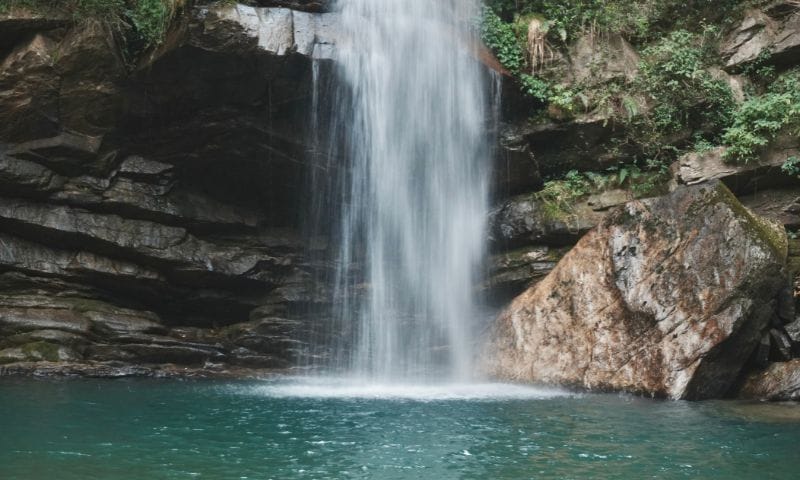
Uttarakhand’s geography is essentially a series of river systems draining the Himalayas through progressively lower ridges until they reach the Gangetic plains. This means waterfalls are not a bonus; they are a structural feature of the landscape. Every valley has at least one, and most have several. The famous ones, Kempty Falls near Mussoorie, Sahastradhara near Dehradun, Tiger Falls near Chakrata, attract substantial visitor traffic and are well served by roads, parking, and food stalls. But for every waterfall that appears on a tourist brochure, there are two or three that remain known only to local villagers, trekkers who stumbled upon them, and the occasional forestry officer.
This guide covers both categories. The first section lists the explored waterfalls, the ones that are well known, easily accessible, and suited to families and first-time visitors. The second section covers the unexplored and offbeat waterfalls, destinations that require more effort to reach but reward that effort with solitude, untouched natural beauty, and the satisfaction of seeing something most travellers miss. The best time to visit most Uttarakhand waterfalls is during and immediately after the monsoon (July to October), when water volumes are at their peak. Perennial waterfalls remain active through the year, though flow reduces significantly by April and May.
Location: 13 km from Mussoorie on the Chakrata Road, Tehri Garhwal district
Height: Approximately 40 feet, splitting into five cascades
Best time: March to November (peak flow July to September)
Kempty Falls is Uttarakhand’s most visited waterfall, drawing over a million visitors annually. The water drops from a rocky cliff and splits into five distinct streams before collecting in a pool at the base where bathing is permitted. The falls were developed as a tourist attraction during the British era, around 1835, by officer John Mekinan. The infrastructure here includes changing rooms, food stalls, a ropeway, and paved access paths. For families visiting Mussoorie on a hill station holiday from Delhi, Kempty Falls is a natural half-day addition. It gets crowded on weekends and holidays, so weekday visits or early morning arrivals offer a better experience.
Location: 14 km from Dehradun city centre
Elevation: Approximately 800 metres
Best time: Year-round (best flow July to October)
Sahastradhara, meaning ‘thousand-fold spring,’ is a unique site where sulphur-rich water drips from limestone stalactites into natural pools. The water is locally believed to have therapeutic properties for skin conditions and joint pain. The cascading springs create a gentle, multi-tiered effect rather than a single dramatic drop. The Robber’s Cave (Guchhupani), a natural cave formation with a stream running through it, is located nearby and pairs well with a Sahastradhara visit. The site is easily accessible by road from Dehradun and works as a quick stop for travellers en route to Mussoorie.
Location: 5 km trek from Chakrata, Dehradun district
Height: Approximately 95 metres (312 feet)
Best time: April to November (peak flow during monsoon)
Tiger Falls is the highest directly falling waterfall in Uttarakhand and one of the most visually dramatic. The water drops from a near-vertical cliff face into a rock pool surrounded by dense forest. Reaching the falls requires a 5-km trek from the nearest road point, which keeps the crowd density lower than Kempty despite Tiger Falls being the superior spectacle. The trail passes through deodar and oak forests and is moderately challenging, making it suitable for reasonably fit adults and older children. Chakrata itself is a quiet cantonment town at 2,118 metres, and the combination of Tiger Falls with a day or two in Chakrata makes for an excellent offbeat weekend from Delhi.
Location: 5 km from Rishikesh, on the Neelkanth Mahadev road
Height: Two tiers, approximately 25 feet each
Best time: Year-round (strongest flow July to October)
Neer Garh is a two-tiered waterfall accessed via a short uphill walk from the road between Rishikesh and the Neelkanth Mahadev Temple. The lower tier has a pool where visitors can wade, and the upper tier requires a steeper climb but offers a more secluded setting. For travellers already in Rishikesh for yoga, rafting, or the Ganga Aarti, Neer Garh is a manageable side trip that takes two to three hours including travel and time at the falls. The surrounding forest is pleasant, and the trail, while basic, is well enough worn to follow without a guide.
Location: 35 km from Munsiyari, on the Thal-Munsiyari road, Pithoragarh district
Height: Approximately 126 metres (400 feet)
Best time: May to October
Birthi Falls is one of the tallest and most spectacular waterfalls in the Kumaon region. The water drops in a single long plume from a cliff surrounded by dense Himalayan forest, visible from the road itself before you reach the viewing area. A short trek of about 2 km from the road leads to the base of the falls. Munsiyari, the nearest town, is a base for the Milam Glacier trek and the Panchachuli peaks, and Birthi Falls adds a nature segment to an already scenic Kumaon itinerary. For those exploring offbeat hill stations in India, the Munsiyari area is one of the finest in Uttarakhand.
Location: 25 km from Ramnagar, near Kaladhungi, Nainital district
Height: Approximately 20 metres (66 feet)
Best time: July to November
Corbett Falls sits inside the forest zone adjacent to Jim Corbett National Park. The waterfall is named after the legendary hunter-turned-conservationist Jim Corbett, whose estate was nearby. The setting is thickly forested, and the approach road passes through sal and teak plantation. The falls are modest in height compared to Tiger Falls or Birthi, but the surrounding forest atmosphere and the proximity to Jim Corbett National Park make it a natural combination for families on a wildlife holiday.
Location: 4 km from Lakshman Jhula, Rishikesh
Access: Moderate trek of about 1.5 km from the road
Garud Chatti is one of Rishikesh’s least visited waterfalls despite being a short trek from Lakshman Jhula. The trail descends through forest to a narrow gorge where the waterfall drops into a rock pool surrounded by cliffs. A small cave temple dedicated to Lord Shiva sits near the base. The combination of the waterfall, the cave, and the forested gorge creates an atmosphere that feels remarkably isolated given the proximity to one of Uttarakhand’s busiest tourist towns. The trail can be slippery during monsoon, so proper footwear is essential.
Location: 7 km from Mussoorie, near Jharipani village
Height: Approximately 40 feet
Jharipani Falls is the waterfall that most Mussoorie visitors do not know about. Reached via a short drive to Jharipani village followed by a 1.5-km walk through the forest, the waterfall sits in a quiet valley that feels nothing like the busy Mall Road 7 km away. The water drops over a rocky ledge into a shallow pool, and the surrounding woodland is dense enough to block most ambient noise. For visitors who have already seen Kempty Falls and want something quieter, Jharipani is the natural alternative. Memorable India’s guide to the best monsoon destinations in India includes several waterfall destinations across the country that are at their most dramatic between July and September.
Location: 8 km from Rishikesh, on the road to Neelkanth Mahadev Temple
Access: Short walk from the road
Phool Chatti (‘flower hut’) is a small but beautiful waterfall on the Neelkanth road that most vehicles drive past without stopping. The falls drop over a rock face into a stream-bed framed by boulders and overhanging vegetation. An ashram nearby gives the area a quiet, contemplative energy. The waterfall is at its best during monsoon, when the flow is strong enough to create a mist around the base. It works as a quick stop on the way to or from Neelkanth Temple rather than a standalone destination.
Location: Near Tapovan village, approximately 17 km from Joshimath
Access: Trek of approximately 3 km from the road
The falls near the Bhavisya Badri temple area, in the remote upper reaches of Chamoli district, are among the least visited in Uttarakhand. The trek from the nearest road point passes through dense forest and crosses small streams before reaching a cascade that drops through multiple rock tiers into a forested ravine. The temple of Bhavisya Badri (believed to be the future seat of Badrinath when the current shrine becomes inaccessible) adds a mythological context that most waterfalls lack. This is a destination for serious trekkers and pilgrimage enthusiasts, not casual tourists.
Location: Approximately 25 km from Rishikesh, on the way to Badrinath
Access: Short walk from the ashram area
Near the Vashistha Gufa (cave) where Sage Vashistha is believed to have meditated, a seasonal waterfall drops through a forested hillside into the Ganges valley. The falls are most impressive during monsoon and the weeks immediately following. The cave ashram itself is a meditation site, and the combination of the spiritual setting and the forest waterfall makes this a side trip that appeals to travellers on the Char Dham route or those exploring spiritual and natural destinations across India.
Location: Inside Govind Pashu Vihar National Park, near Sankri village
Access: Trek-dependent; encountered on the Kedarkantha and Har Ki Dun trails
The Supin River valley, accessed from Sankri village in the Tons river basin, contains multiple seasonal and perennial waterfalls that trekkers encounter along the Kedarkantha and Har Ki Dun routes. These are not named tourist attractions with paved paths; they are part of the trail itself, cascading down rocky cliffs into the river and through alpine meadows. The entire area falls within Govind Pashu Vihar National Park, and a forest entry permit is required. For trekkers on Memorable India’s Himalayan trekking tours, these waterfalls are among the most memorable sights on the trail.
Timing: Monsoon (July to September) delivers the highest water volumes and the most dramatic visuals, but trails become slippery and leeches are common in lower-altitude forests. October and early November offer strong flow with clearer skies and drier trails, making it the best overall window for waterfall visits.
Footwear: Rubber-soled trekking shoes or sports sandals with good grip are essential. The rocks around waterfalls are permanently wet and algae-covered. Avoid open footwear and leather-soled shoes.
Safety: Do not swim in pools directly below active waterfalls without local guidance. Water depth and undercurrents are often deceptive. Keep children within arm’s reach near any water body. During monsoon, flash floods can change water levels rapidly.
Photography: A waterproof phone case or a dedicated camera with a UV filter protects equipment from spray. Slow shutter speeds (1/4 to 2 seconds) create the silky-water effect that defines waterfall photography; a small tripod or stable rock surface is needed for this.
For families and groups exploring Uttarakhand’s waterfalls as part of a broader trip, Memorable India’s summer holiday packages and underrated family destinations guide include several waterfall-adjacent destinations. Contact the team with your travel dates to build a custom itinerary.
Uttarakhand’s waterfalls range from crowd-heavy cascades with ropeway access to hidden forest drops that require a trek and a willingness to get your shoes muddy. The explored falls (Kempty, Tiger, Sahastradhara) deliver reliable spectacle with minimal effort. The unexplored falls (Garud Chatti, Bhavisya Badri, the Supin valley cascades) deliver something rarer: the feeling of being the only person watching water fall. Both categories have their place in a well-planned Uttarakhand itinerary, and the best trips include at least one of each.
The most popular waterfalls in Uttarakhand include Kempty Falls (Mussoorie), Tiger Falls (Chakrata), Sahastradhara (Dehradun), Neer Garh Waterfall (Rishikesh), Birthi Falls (Munsiyari), and Corbett Falls (Ramnagar). For offbeat options, Garud Chatti Falls (Rishikesh), Jharipani Falls (Mussoorie), and the waterfalls along the Supin River valley near Sankri are among the best hidden cascades.
July to September (monsoon) delivers the highest water flow and the most dramatic visuals. October to early November offers strong flow with clearer skies and drier trails. Perennial waterfalls like Kempty and Sahastradhara are active year-round, though flow reduces significantly from February to May.
Tiger Falls near Chakrata, at approximately 95 metres (312 feet), is the tallest directly falling waterfall in Uttarakhand. Birthi Falls near Munsiyari, at approximately 126 metres (400 feet), is taller but cascades across multiple rock tiers rather than a single direct drop.
Yes. Garud Chatti Falls (1.5 km trek from Lakshman Jhula), Phool Chatti Falls (on the Neelkanth road), and Vashistha Falls (near Vashistha Gufa, 25 km from Rishikesh) are all relatively unknown waterfalls within easy reach of the town. Each requires a short walk or trek and sees minimal tourist traffic.
Yes. Tiger Falls requires a 5-km trek from Chakrata. Birthi Falls involves a 2-km approach trek. The Supin River valley waterfalls are encountered on the Kedarkantha and Har Ki Dun trekking routes. Garud Chatti and Jharipani Falls are short trek-accessible. Combining waterfall visits with a broader trekking itinerary is one of the best ways to experience both.
Yes. Memorable India designs custom Uttarakhand itineraries that can incorporate waterfall visits alongside hill station stays, wildlife safaris, trekking segments, and spiritual destinations. The team handles transfers, accommodation, guides, and permits (where required for national park entries). Contact the team with your preferred destinations and dates for a tailored plan.
15 Amazing Temple Fairs in India: A Traveller’s Guide to Faith, Colour and Living Tradition
30 Sep 2026
13 Best Places to Explore in the Youngest State of Telangana
29 Sep 2026
12 Less Explored Destinations in Maharashtra Worth Adding to Your Travel List
28 Sep 2026
11 Must-Visit Museums in India for Wildlife Lovers
27 Sep 2026
11 Best Places in India to Celebrate Christmas
26 Sep 2026


