 +919871148514
 info@memorableindia.com
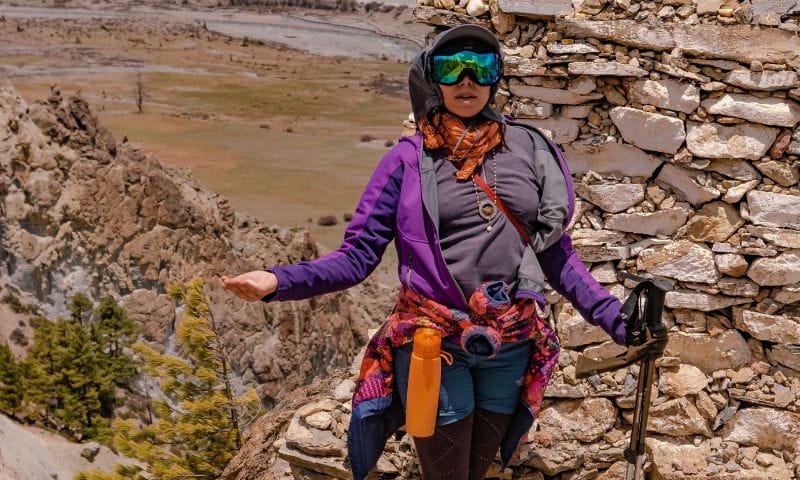
The number of women trekking solo in the Indian Himalayas has grown steadily over the past decade. What was once an almost exclusively male activity has shifted, driven by better trail infrastructure, more organised group treks welcoming solo sign-ups, a growing community of women sharing route information online, and a fundamental change in how women approach outdoor adventure. The Himalayas remain demanding terrain, high altitude, unpredictable weather, remote trails, and limited communication, but none of these challenges are gender-specific. What is gender-specific is the additional layer of planning that female solo trekkers need to address: personal safety protocols, hygiene management in conditions where facilities are basic or nonexistent, gear that fits properly, and the social dynamics of moving through mountain communities as an unaccompanied woman.
This guide covers the practical, experience-tested tips that make the difference between a confident solo trek and an anxious one. It is written for women who have decided to trek, not to persuade anyone that they should. The Himalayas do not care about gender. They care about preparation.
The single most important decision for a female solo trekker, or any solo trekker, is selecting a trail that matches your current fitness and experience level. The temptation to attempt a headline trek (Roopkund, Pin Parvati, Stok Kangri) before building a base of Himalayan experience is a mistake that leads to exhaustion, injury, or evacuation regardless of gender.
For a first solo Himalayan trek, prioritise trails that are well-trafficked (meaning you will encounter other trekkers and shepherds regularly), well-marked (reducing navigation anxiety), and within the easy-to-moderate difficulty range. Triund in Himachal Pradesh (2,875 metres, 1 to 2 days) and Kedarkantha in Uttarakhand (3,800 metres, 4 to 5 days) are two consistently recommended options for women trekking solo for the first time. Both have established campsites, reliable mobile coverage at lower altitudes, and a high density of fellow trekkers during the season. Memorable India’s guide to the best Himalayan trails for beginners covers 11 trails graded by difficulty, with notes on solo-trekker suitability.
As your confidence and fitness build, progress to moderate treks like Hampta Pass (4,270 metres), Bhrigu Lake (4,300 metres), or Har Ki Dun (3,566 metres). Each of these adds altitude, duration, and route complexity in manageable increments. The spiritual trekking destinations in the Himalayas also offer trails where the trekking community tends to be respectful and the cultural environment is welcoming.
Himalayan trekking requires sustained cardiovascular endurance, leg strength, and core stability. A training programme should begin at least eight weeks before the trek and focus on three areas.
Cardiovascular endurance: Running, cycling, or swimming for 40 to 60 minutes, four to five times a week. The goal is to build the stamina to walk uphill for five to seven hours at a moderate pace. Stair climbing with a loaded backpack (8 to 10 kg) is the most trek-specific cardio exercise available in an urban setting.
Leg and core strength: Squats, lunges, step-ups, and planks are the core exercises. Strong quadriceps reduce knee strain on descents (the most common source of trek injuries), and a stable core improves balance on uneven terrain. Two to three strength sessions per week is sufficient.
Altitude readiness: No gym exercise can fully simulate altitude. The best preparation is a gradual ascent profile on the trek itself, with proper acclimatisation days built in. If you have access to a high-altitude location before your trek (for example, a weekend in a hill station above 2,000 metres), use it to gauge how your body responds to reduced oxygen.
Most trekking gear is unisex, but a few items require women-specific attention.
Trekking boots: Women’s feet are, on average, narrower at the heel and wider at the forefoot than men’s. A women’s-specific trekking boot (or at least a properly fitted unisex one) prevents blisters and heel slippage. Break in new boots for at least two to three weeks before the trek. This is non-negotiable.
Backpack fit: Women’s-fit backpacks have shorter torso lengths, contoured shoulder straps, and hip belts that sit on female hip bones rather than the waist. A poorly fitting pack causes back and shoulder pain within the first two hours of walking. Get fitted at a reputable outdoor store or rent from a trek operator that offers women’s sizes.
Layering system: A three-layer system (moisture-wicking base layer, insulating fleece or down mid-layer, waterproof shell) works for both men and women. Women who run cold at altitude should consider a slightly warmer sleeping bag rating than the standard recommendation (if the trek calls for a minus 5°C bag, consider a minus 10°C one). Memorable India’s Himalayan packing guide covers the full gear list in detail.
Personal kit: Pack a pee funnel (allows standing urination, invaluable on exposed ridgelines where squatting is unsafe or uncomfortable), biodegradable wet wipes, a headlamp (campsite toilet visits at 3 AM require one), and a compact first-aid kit that includes blister treatment, anti-chafing balm, and painkillers.
The Himalayan trekking community is, by and large, a respectful and supportive environment. The vast majority of solo female trekkers complete their treks without any safety incident. That said, preparation removes the need for luck.
Share your itinerary. Before departing, send a detailed itinerary (dates, campsites, emergency contacts, operator details) to at least two people who are not on the trek. Check in at each major campsite via text or call if coverage allows.
Trek during peak season. Solo trekking on a popular trail during the high season (May to June and September to October in most of Himachal and Uttarakhand) means you will share the trail with dozens of other trekkers. This natural presence of people is the simplest and most effective safety measure available.
Trust your instincts. If a campsite, a fellow trekker, or a situation feels uncomfortable, move on. Pitch your tent near other groups, not in isolation. On organised treks, stay with the group. On independent treks, keep your camp within sight of other parties when possible.
Carry a personal locator. A satellite communicator (such as a Garmin inReach) with SOS functionality is a worthwhile investment for any solo trekker, but especially for women trekking alone above the treeline where mobile coverage disappears. It allows emergency contact even when there is no phone signal. Memorable India’s solo female travel safety guide includes additional safety recommendations for women travelling independently in India.
This is the section most trekking guides skip, and it is the one female trekkers most often wish they had read before their first trek.
Menstrual management: Periods do not stop at altitude (though cycle irregularity is common due to physical stress and altitude). Menstrual cups are the most practical option for multi-day treks: they are reusable, produce no waste, and can be worn for up to 12 hours. Carry a backup supply of tampons or pads in a sealed waterproof bag. Used products must be carried out in ziplock bags. Do not bury or burn sanitary products on the trail; they do not decompose in mountain soil. If your trek dates are flexible, some women choose to time their trek around their cycle, but this should not be treated as a requirement.
Hydration and nutrition: Drink at least three to four litres of water per day at altitude. Dehydration causes headaches, fatigue, and altitude sickness symptoms. Carry water purification tablets or a filter, as stream water in the Himalayas may carry giardia and other parasites. Eat regular, carbohydrate-rich meals and carry energy bars, nuts, and dried fruit for sustained fuel between campsites.
Toilet logistics: Above the treeline, toilet facilities are minimal or absent. A pee funnel and a lightweight trowel (for digging a cathole at least 200 metres from any water source) are essential. Carry toilet paper and wet wipes in a sealed bag, and pack all waste out. Privacy is managed through timing (early morning or late evening) and selecting terrain with natural cover.
The mountain villages along Himalayan trek routes are home to communities, Gaddis, Bhotias, Lepchas, Garhwalis, and others, whose hospitality is often the warmest part of the trek. As a solo woman, respectful behaviour builds goodwill and opens doors.
Dress modestly in villages (shoulders and knees covered). Ask before photographing people, especially women and children. If you are offered tea or food in a village home, accepting it is a sign of respect. Learning a few words in the local language (even just ‘namaste’ and ‘dhanyavaad’) goes further than you might expect. The mountain communities in Himachal Pradesh, Uttarakhand, and Sikkim are generally welcoming to solo female travellers, and many villages on popular trek routes are accustomed to women trekkers passing through.
There is a meaningful difference between solo trekking (walking alone, making all decisions independently) and joining a group trek as a solo sign-up (trekking with an organised group but without a companion you arrived with). Both are valid, and the right choice depends on your experience level and comfort with risk.
For first-time Himalayan trekkers, joining an organised group trek is the safer and more practical option. Operators handle logistics, provide guides and porters, manage campsites, and create a built-in social environment. Many women who start this way transition to independent solo trekking after two or three group treks, once they have built confidence in their navigation, fitness, and trail judgment. Memorable India’s trekking tour packages include group options with experienced guides and are well suited for solo female trekkers joining a structured trek for the first time. The solo traveller tour options cover broader adventure and cultural itineraries that can include a trekking segment.
For experienced trekkers moving toward full independence, the progression is gradual: well-marked, high-traffic trails first; remote, low-traffic routes only after you have proven your skills in easier environments. True solo trekking on remote Himalayan routes (Pin Parvati, Rupin Pass, Bali Pass) should be attempted only after significant experience and with a satellite communicator, a solid emergency plan, and honest self-assessment of your fitness and navigation abilities.
Solo trekking in the Himalayas as a woman is not about proving a point. It is about accessing one of the most extraordinary landscapes on the planet on your own terms, at your own pace, with your own decisions shaping the experience. The preparation is the same as for any trekker: physical fitness, proper gear, trail knowledge, and respect for the environment. The additional considerations around safety, hygiene, and cultural awareness are practical, not prohibitive. They are the details that separate a comfortable trek from an unnecessarily difficult one.
If you are planning your first Himalayan trek and want help choosing the right trail, structuring the logistics, or joining a group trek with experienced guides, Memorable India’s team can build an itinerary that matches your experience level, fitness, and travel dates. The mountains are waiting, and they are open to everyone who is ready.
Yes, with proper preparation. The Himalayan trekking community is generally respectful, and popular trails during peak season have a high density of fellow trekkers. Key safety measures include sharing your itinerary, trekking during peak season, carrying a satellite communicator, and trusting your instincts. Joining an organised group trek is the safest option for first-timers.
Triund in Himachal Pradesh (easy, 1 to 2 days) and Kedarkantha in Uttarakhand (moderate, 4 to 5 days) are consistently recommended. Both have well-marked trails, established campsites, reliable trekker traffic, and partial mobile coverage. Brahmatal and Dayara Bugyal are also excellent options for first-time solo female trekkers.
Menstrual cups are the most practical option: reusable, waste-free, and wearable for up to 12 hours. Carry backup tampons or pads in a waterproof bag. All used products must be packed out in sealed bags. Do not bury or burn sanitary products on the trail. A pee funnel is also recommended for convenience on exposed terrain.
For easy treks (Triund, Chopta), the ability to walk 8 to 10 kilometres on hilly terrain is sufficient. For moderate treks (Hampta Pass, Kedarkantha), you should be comfortable walking 5 to 7 hours daily with a daypack. Begin training at least 8 weeks before the trek with cardio, leg strength, and loaded backpack walks.
Joining an organised group trek is recommended for first-time Himalayan trekkers. It provides experienced guides, managed logistics, campsite infrastructure, and a built-in social environment. Many women transition to independent solo trekking after two or three group treks, once they have built trail confidence and navigation skills.
Yes. Memorable India offers both group trekking tours and customised solo trekking itineraries. The team provides experienced guides, camping logistics, permits, and 24/7 support. Group treks are well suited for solo female trekkers joining a structured trek for the first time. Contact the team with your preferred trail, dates, and experience level for a tailored proposal.
15 Amazing Temple Fairs in India: A Traveller’s Guide to Faith, Colour and Living Tradition
30 Sep 2026
13 Best Places to Explore in the Youngest State of Telangana
29 Sep 2026
12 Less Explored Destinations in Maharashtra Worth Adding to Your Travel List
28 Sep 2026
11 Must-Visit Museums in India for Wildlife Lovers
27 Sep 2026
11 Best Places in India to Celebrate Christmas
26 Sep 2026


