 +919871148514
 info@memorableindia.com
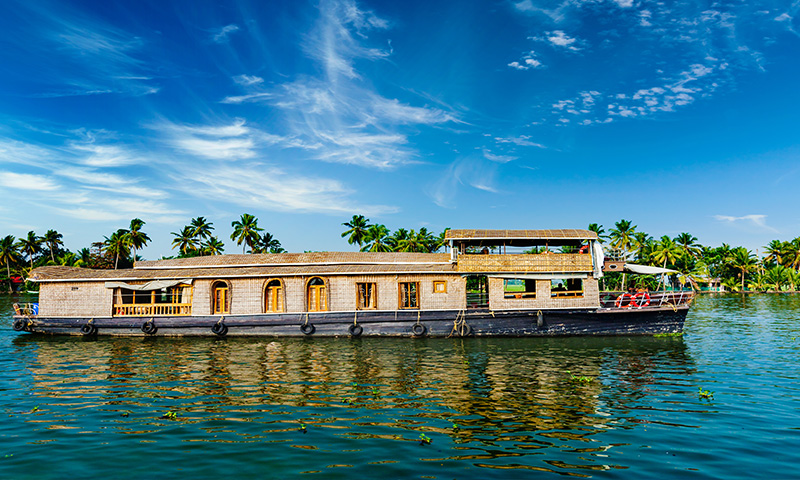
Few experiences capture the slow rhythm of Kerala quite like a night spent on an Alleppey houseboat. The gentle churn of the engine, meals arriving from a tiny galley, paddy fields stretching past the deck, this is the version of South India that most first-time visitors want to see with their own eyes. If a houseboat cruise sits on your Kerala itinerary and you are trying to picture how it actually works, this guide walks you through the practical reality of the trip.
The idea is simple. We cover what the boat looks like, how a day on board unfolds, what the food is like, what it costs, and what seasoned travellers wish they had known before boarding. The goal is to help you plan an Alleppey houseboat trip that lives up to the photographs you have been saving on your phone.
Alleppey, officially called Alappuzha, sits roughly 60 kilometres south of Kochi on Kerala’s southwest coast. The town opens onto the Vembanad Lake, India’s longest lake, and connects to a network of canals, lagoons, and rice fields that stretch across central Kerala. The region earned its reputation as the Venice of the East from Lord Curzon in the early 1900s, and that lattice of waterways is still the main reason travellers come here.
Houseboats also operate from Kumarakom and Kollam, but Alleppey remains the busiest and most organised hub. Boats launch from the Finishing Point and Punnamada Jetty, with hundreds of licensed vessels in varying standards. For most first-time visitors to the Kerala backwaters, this is the easiest entry point and the one with the widest choice of routes and operators.
A kettuvallam, the traditional rice barge that inspired modern houseboats, is now a floating cottage. Expect bamboo and coir finishes on the outside, air-conditioned bedrooms on the inside, and an open front deck with cane chairs for lounging. A typical boat has one to three bedrooms, each with a private washroom, a small dining area, and a kitchen staffed by a dedicated chef.
Three crew members usually travel with you. A captain steers the vessel, a chef runs the galley, and a helper manages everything else. The engine is small, the boats move slowly, and the pace is intentionally unhurried. If you expect speed, you will be disappointed. If you expect quiet, you will be rewarded.
Houseboats are loosely categorised by Kerala Tourism based on facilities and finish. Knowing the differences before booking helps you avoid surprises at the jetty.
A 22-hour cruise is the most common booking, though two-night and three-night options allow you to explore quieter canals beyond the standard Vembanad Lake stretch.
Boarding usually happens around noon. Welcome drinks arrive first, almost always tender coconut water, followed by lunch as the boat pulls away from the jetty. The afternoon leg takes you across the open Vembanad Lake towards narrower channels. You can read, nap, or simply watch villages drift past. Toddy tappers climb palm trees, kids dive off bridges, and women wash clothes at the ghats. Nothing is staged. This is the daily life of Kuttanad.
By late afternoon, the boat moors near a village or along a quiet stretch of canal. This is when most travellers step off for a short walk through paddy fields or visit a toddy shop if the crew offers to arrange one. Sunset over Vembanad Lake remains the most photographed moment of the trip, and for good reason.
Dinner is served on board around 7:30 PM, after which the boat stays docked for the night, as per the regulations enforced by Kerala Tourism that prohibit night cruising. The evening is quiet, lit mostly by lanterns and the occasional village lamp across the water.
The boat starts moving again by 6 AM, usually heading back towards Alleppey through smaller canals that bigger daytime vessels cannot access. Breakfast arrives on the deck, Kerala appams with vegetable stew, or puttu with kadala curry. By 9 AM, you are back at the jetty with time to continue towards Munnar, Thekkady, or Kochi.
Food is where most houseboat trips genuinely shine. The chef prepares three meals from scratch using local produce, with traditional Kerala cuisine as the default. A standard lunch might include rice, sambar, aviyal, thoran, pickle, and freshly fried karimeen, the pearl spot fish for which the region is famous. Dinner usually features another fish curry, chapati, and seasonal vegetables.
If you have dietary preferences, flag them at the time of booking. Jain, vegan, and continental menus are available on most premium and luxury boats but need prior notice. The crew will also stop at a riverside fish market en route so you can pick fresh prawns, crab, or karimeen for the chef to cook. It is one of the small touches that turns a decent trip into a memorable one.
Most 22-hour cruises cover a loop that includes several distinct stretches of water. Each has its own character, and knowing them helps you set expectations.
Longer two-night cruises often extend into Kumarakom or towards the Kavanattinkara stretch, where bird watching is a genuine draw during the winter months.
The ideal window is between November and February, when humidity drops and the air stays pleasant through the day. March and April remain workable but get warm by midday. The monsoon months, June to September, bring heavy rain, but the backwaters look spectacularly green and tariffs often drop considerably. If you have travelled Kerala before and want a quieter, more atmospheric trip, the monsoon has its own strong appeal.
Avoid Onam week in August if solitude is your priority. Rates spike, and most quality boats sell out months in advance. For travellers planning a wider South India loop, our curated South India tour packages are structured around these seasonal windows, which helps you combine Alleppey with Munnar’s tea estates and the wildlife at Thekkady without rushing.
A short list of what actually matters on board, built from feedback across hundreds of guest trips:
Leave heavy luggage at your Kochi or Alleppey hotel. Most houseboat operators store it free of charge during the cruise, and you will not need more than a small overnight bag.
Pricing varies by boat category, number of bedrooms, and season. As a rough guide for a 22-hour cruise departing in peak season:
Rates typically include all meals, mineral water, and basic snacks. Crew tips are optional but appreciated. Alcohol is not sold on board as per Kerala rules, but you may carry a reasonable personal quantity for consumption during the cruise.
Book directly through a trusted tour operator rather than at the jetty. Walk-in rates often look cheaper but exclude taxes, service charges, and skip the quality checks on hygiene and safety that reputable agencies insist on. Verified boats carry a Gold Star or Silver Star rating from Kerala Tourism, and it is worth asking for proof before you confirm.
The backwaters are a working ecosystem, not a theme park. Over a thousand houseboats operate in the region, and plastic use, fuel discharge, and sewage mismanagement have affected water quality over the years. According to a report by The Hindu, only boats carrying a valid Green Palm or Gold Star certification from Kerala Tourism follow proper waste disposal norms, including sewage holding tanks and biodegradable kitchen practices.
A few practical choices that make a real difference:
For a deeper look at how we vet partners, our responsible travel approach explains the standards we hold operators to across destinations in India.
A well-planned Alleppey houseboat trip delivers exactly what the brochures promise: a slow, scenic, well-fed glimpse of Kerala that few other experiences match. The difference between an average cruise and a memorable one usually comes down to three factors, the choice of boat, the season you travel in, and the operator standing behind the booking.
If you are ready to lock in dates or want help combining Alleppey with the hill stations and heritage towns of Kerala, our travel specialists can help you build an itinerary that fits your pace and budget. Reach out to the team at Memorable India to plan a trip that feels right for the way you travel.
For most travellers, yes. A 22-hour cruise covers Vembanad Lake, a village stop, sunset, dinner, overnight mooring, and a morning canal cruise. Two nights are worth considering if you want to reach quieter canals beyond the standard route or combine the trip with bird watching in Kumarakom.
No. Kerala Tourism regulations require all houseboats to moor between sunset and sunrise. This rule protects aquatic life and prevents collisions in narrow canals where visibility drops after dark.
Yes. Boats are stable, washrooms are private, and the pace is slow. Families with toddlers should ask for life jackets in advance and keep an eye on open decks. For seniors, premium or luxury boats with wider walkways and sturdier handrails are easier to navigate.
Alleppey has more boats, more route variety, and better onward connectivity to Kochi. Kumarakom is quieter, with fewer boats and closer access to the Kumarakom Bird Sanctuary. Alleppey suits first-time visitors, while Kumarakom appeals to repeat travellers who have already done the standard route.
Mobile network works in most stretches, with gaps around the deeper lake sections. Wi-Fi is rare, even on luxury boats. Treat the trip as a 24-hour digital pause and the experience improves considerably.
Swimming is not recommended. The water carries agricultural runoff from surrounding paddy fields, boat traffic is heavy on main channels, and currents can be stronger than they appear. Enjoy the view from the deck instead.
Top 7 South Indian Temples Known for Their Architectural Beauty
16 Oct 2026
What to Expect On Your Dream Alleppey Houseboat Trip
15 Oct 2026
12 Top Tourist Destinations in Jammu and Kashmir for a Memorable 2026 Trip
13 Oct 2026
12 Tips to Remember Before Holidaying in the Northeast Indian States
11 Oct 2026
An Aesthetic Guide for Kerala Tour: Backwaters, Tea Hills and Coastal Light
11 Oct 2026


