 +919871148514
 info@memorableindia.com
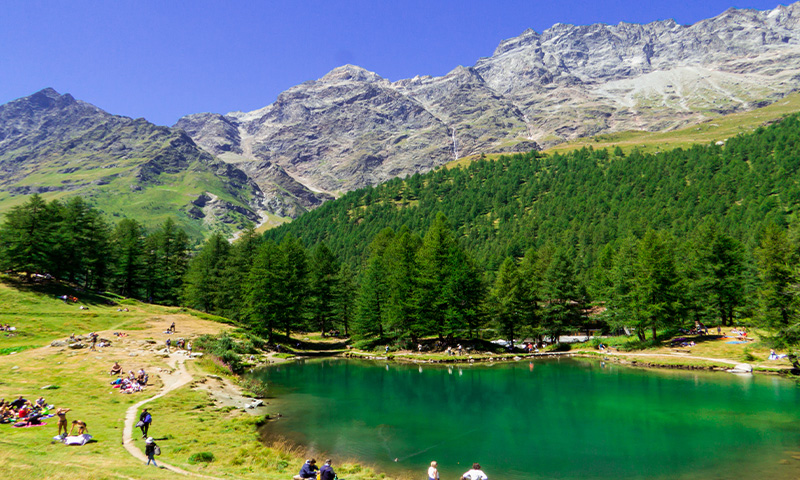
Jammu and Kashmir has long held a particular pull for Indian and international travellers, and the reasons go well beyond the shikaras on Dal Lake. The Union Territory stitches together alpine meadows, pine forests, Mughal era gardens, revered pilgrimage circuits, and still untouched valleys that most itineraries miss. According to the Jammu and Kashmir Tourism Department, the region recorded one of its strongest tourism years on record in recent seasons, with visitor arrivals climbing steadily across both Jammu and Kashmir divisions.
If you are planning your first visit or returning after a long gap, this guide walks you through the top tourist destinations in Jammu and Kashmir worth building your itinerary around. Expect honest notes on what to expect, when to go, and how to pace your days without rushing through postcard stops. We have organised the list roughly from the most popular to the more offbeat, so you can mix and match depending on how adventurous your group is feeling.
Srinagar is where almost every Kashmir trip begins, and for good reason. The city sits at an elevation of around 1,585 metres and is built around the famous Dal Lake and Nigeen Lake, where houseboats and shikaras define the skyline.
Spend a morning drifting past the floating vegetable market, then move on to the four Mughal Gardens: Shalimar Bagh, Nishat Bagh, Chashme Shahi, and Pari Mahal. The hilltop Shankaracharya Temple and Hazratbal Shrine offer two very different spiritual experiences, while Lal Chowk and the old city bazaars are good for pashmina, walnut wood carvings, and saffron. For a curated Kashmir experience, our Kashmir tour packages include thoughtfully planned Srinagar stays with both heritage hotel and houseboat options.
Roughly 50 kilometres from Srinagar, Gulmarg is India’s most recognised ski destination and arguably its most photogenic hill town. The Gulmarg Gondola, built in two stages reaching Kongdoori and the Apharwat Peak, is one of the highest cable cars in the world at close to 3,980 metres.
Winter brings powder snow and committed skiers from across the globe, while summer transforms the slopes into rolling meadows ideal for horse riding, a round at one of the world’s highest green golf courses, and short treks toward Khilanmarg. Pack layered clothing even in June, as temperatures at the top station can drop sharply within minutes.
Pahalgam, at the confluence of the Lidder River and Sheshnag streams, is where Kashmir slows down. It is a classic base for the Amarnath Yatra, but the town itself deserves at least two nights on any serious Kashmir itinerary.
Must do day trips include Betaab Valley, Aru Valley, and Chandanwari. Trout fishing on the Lidder, pony rides to Baisaran, and short walks through pine forests fill the day comfortably. Pahalgam is also the starting point for the celebrated Kolahoi Glacier trek and the Tarsar Marsar trek, both popular with experienced trekkers who return to the Kashmir Himalayas year after year.
Sonamarg sits at around 2,800 metres on the way to the Zoji La Pass. The Thajiwas Glacier is the main draw, reachable by a short pony ride or a one hour walk from the main road.
The town comes alive from May to October, when the Srinagar to Leh highway opens fully. Sonamarg also serves as the starting point for the Great Lakes trek, often described as one of the finest high altitude treks in the Indian Himalayas. Day trippers from Srinagar typically combine Sonamarg with a quick lunch stop at Kangan on the return leg, and photographers tend to favour the stretch between Gagangir and the main town for its mix of pine forests and the fast flowing Sindh River.
For families, river rafting on the Sindh offers a mild adrenaline hit without the technical difficulty of similar runs in Rishikesh or Himachal. Local operators handle logistics from the main taxi stand.
Katra, in the Reasi district of Jammu division, is the base town for the Shri Mata Vaishno Devi Shrine. The 12 kilometre trek from Banganga to the Bhawan is one of India’s most visited pilgrimages, with the Shri Mata Vaishno Devi Shrine Board welcoming several million yatris every year.
Battery cars, ponies, palkis, and a helicopter service from Katra to Sanjichhat make the climb manageable for seniors and children. A side trip to Bhairavnath Temple, around 2.5 kilometres beyond the main shrine, is considered essential by most pilgrims. Our Vaishno Devi tour packages combine Katra with Jammu city and Patnitop for a well rounded, pilgrimage led itinerary.
Perched at 2,024 metres on the Jammu to Srinagar highway, Patnitop is a cedar shaded plateau that offers a cool escape from the plains. Paragliding at Sanget Valley, short treks to Nathatop and Madhatop, and the Skyview Gondola ride are the headline experiences here.
Winter brings reliable snowfall between December and February, making Patnitop one of the few accessible snow destinations in the Jammu division. The town is well connected by road, roughly 110 kilometres from Jammu city, and works well as a two night stopover before or after Vaishno Devi.
Doodhpathri, around 42 kilometres from Srinagar, remains refreshingly underdeveloped. The milky white streams, open meadows, and surrounding conifer forests feel like a quieter version of Gulmarg from two decades ago.
Day trippers from Srinagar make up most of the footfall, so an overnight stay in a nearby village homestay offers a very different experience. There is limited commercial infrastructure, which is precisely what regulars love about it. Carry packed snacks and water, as the handful of local kiosks shut down early in the evening.
Yusmarg, roughly 47 kilometres from Srinagar in the Budgam district, is another meadow destination that rewards travellers looking to step away from the standard circuit. The Doodh Ganga stream runs through the valley, and short walks lead to Nilnag Lake and the Sang e Safed valley.
It is a strong choice for families with young children, couples on a quieter itinerary, and anyone adding one more green valley to a longer Kashmir trip. Pack a picnic from Srinagar; dining options here are limited to a small cluster of dhabas near the main entry point.
Bhaderwah, often called Mini Kashmir, is tucked away in the Doda district at around 1,613 metres. The town is surrounded by alpine lakes, high passes, and the Kailash Kund pilgrimage circuit.
The Chinta Valley, Jai Valley, and the drive to Padri Pass through dense deodar forests are standout experiences. Bhaderwah is also gaining recognition on India’s lavender cultivation map, with the annual lavender bloom typically peaking between late May and early July. A visit during this window pairs rare colour with cool mountain air, and a few local cooperatives now sell lavender oil and dried bouquets directly to visitors.
Gurez Valley, close to the Line of Control in the Bandipora district, opens up only between May and October, when the Razdan Pass clears of snow. The valley sits along the ancient Silk Route and is home to the Dard Shin tribal community, whose wooden houses and traditions make Gurez culturally distinctive.
Habba Khatoon peak, named after the sixteenth century Kashmiri poetess, dominates the skyline. Permits are no longer required for Indian citizens, though registration at the entry point is still mandatory. Gurez suits travellers comfortable with basic accommodation and long drives in exchange for near solitude. Government run huts and a growing number of private camps make up the local inventory, with most stays clustered around Dawar village.
Just 22 kilometres from Srinagar, Dachigam National Park spans 141 square kilometres and is the last refuge of the critically endangered Hangul, or Kashmir stag, as noted in the IUCN Red List assessment of the species.
The park is divided into Upper and Lower Dachigam, with the lower section accessible for day visits with prior permission from the Wildlife Department. Early mornings offer the best chance of spotting Himalayan black bears, leopards, musk deer, and a wide range of pheasants. Birdwatchers should carry a decent pair of binoculars.
Jammu, the winter capital of the Union Territory, is often treated as a transit point, which is a mistake worth correcting. The Raghunath Temple complex, Bahu Fort, the Bagh e Bahu botanical garden, and the Amar Mahal Palace Museum together make for a full day of unhurried sightseeing.
The city’s cuisine, including rajma chawal from Peerah and auria from local Dogra kitchens, is worth seeking out. For travellers combining Jammu with Vaishno Devi and Patnitop, our Jammu and Kashmir tour packages are built around these natural touchpoints and work equally well for families and senior groups.
Each season offers something quite distinct. The India Meteorological Department publishes seasonal advisories that are worth checking before you book.
The best Kashmir itineraries balance well known valleys with at least one or two offbeat stops. If you want help building a trip that moves at your pace, our Kashmir travel specialists can shape a route around your dates, budget, and interests. Reach out through our Kashmir honeymoon packages page or write to our planning desk for a tailored proposal.
Which is the most beautiful place to visit in Jammu and Kashmir?
Srinagar, Gulmarg, and Pahalgam are consistently rated the most scenic. Gurez Valley and Bhaderwah are strong offbeat alternatives for repeat visitors looking beyond the standard circuit.
How many days are enough for a Jammu and Kashmir trip?
A balanced itinerary covering Srinagar, Gulmarg, Pahalgam, and Sonamarg needs 6 to 7 nights. Add 2 to 3 more nights if you plan to include Jammu, Katra, and Patnitop in the same trip.
Is Jammu and Kashmir safe for tourists in 2026?
Yes, the key tourist circuits across both Jammu and Kashmir divisions are considered safe for visitors. Standard precautions apply, and official travel advisories from the Ministry of Tourism, Government of India are a reliable reference for current guidance.
What is the best month for snowfall in Kashmir?
January and February usually see the heaviest snowfall in Gulmarg, Pahalgam, and Sonamarg. December offers early season snow and smaller crowds, which many families prefer.
Do I need a permit to visit Gurez Valley or other border areas?
Indian citizens no longer need a special permit for Gurez Valley, but registration at the Razdan Pass checkpoint is mandatory. Foreign nationals should verify current rules with local authorities before travel.
What are the most famous places to visit in Jammu division specifically?
Katra for Vaishno Devi, Patnitop as a hill station, Bhaderwah for its alpine landscapes, and Jammu city for temples and heritage are the four anchor destinations in the Jammu division.
12 Top Tourist Destinations in Jammu and Kashmir for a Memorable 2026 Trip
13 Oct 2026
12 Tips to Remember Before Holidaying in the Northeast Indian States
11 Oct 2026
10 Things to Do on a Family Vacation in Shimla, Himachal Pradesh
09 Oct 2026
10 Days in India: Where to Go and What to See
05 Oct 2026
10 Best Places in North India for Corporate Outings to Recharge and Build Team Spirit
01 Oct 2026


