 +919871148514
 info@memorableindia.com

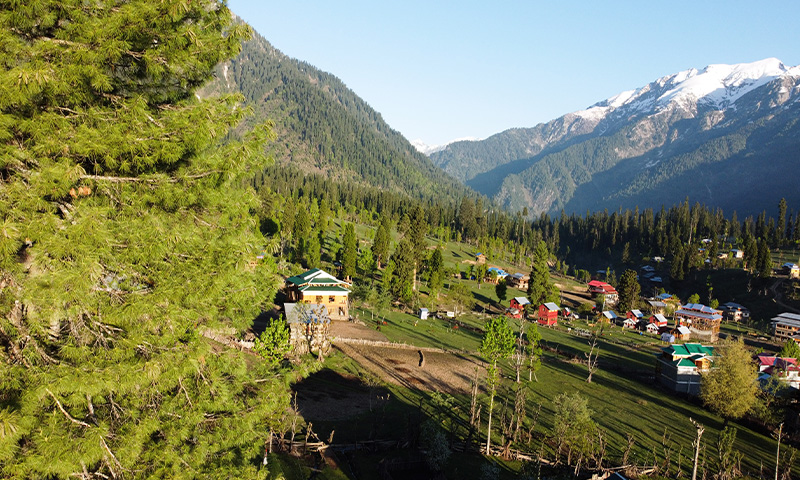
Nainital, Mussoorie, and Rishikesh carry the weight of Uttarakhand tourism, and that is precisely why the state feels crowded every holiday season. Hotel rates spike, parking becomes a sport, and the mountains that drew everyone here begin to feel incidental to the whole exercise. The quieter side of the Garhwal and Kumaon regions tells a different story. Think of a pine ridge above an apple orchard, a stone cottage warmed by a bukhari stove, and a trail where you meet more langurs than tourists.
This guide maps out 15 offbeat places in Uttarakhand that genuinely reward the extra driving hours. These are places where village homestays still outnumber hotels, where sunrise over the Himalayas is a daily event rather than a photo-op, and where you can plan a holiday that feels earned. According to Uttarakhand Tourism, the state has over 400 identified tourist villages, which gives you a sense of how much lies beyond the usual circuit.
Before the list, a quick note on how these picks were shortlisted. A hill town with three cafés on the main road and WiFi in every room is not offbeat anymore, no matter how pretty it is. The yardsticks used here are simple:
These are not inaccessible wilderness pockets. All 15 can be reached by road, and most have at least a few decent homestays or small guesthouses to stay in.
A tea estate hamlet in the Kumaon highlands at around 2,010 metres, Chaukori sits almost directly across from the Panchachuli and Nanda Devi massifs. The view at dawn is unobstructed for roughly 300 kilometres on a clear winter morning. There is practically nothing to do here, which is the whole point. Pack a book, order a thukpa, and watch the light shift on the snow line. Nearby, the Patal Bhuvaneshwar cave temple is a worthwhile day trip for those who want a touch of mythology mixed into the slow pace.
Often called the gateway to the Johar Valley, Munsiyari is as close as a motorable town gets to the five peaks of Panchachuli. The drive in from Thal is long and winding, but it filters out crowds beautifully. Base yourself here for the Khaliya Top trek, a Bhotiya craft walk, or just slow mornings on a wooden balcony with the ranges in full view. The small Tribal Heritage Museum run by the Pangtey family is a thoughtful stop that most hurried travellers skip.
A deodar-shaded village along the Bhagirathi, Harsil is where the apple orchards of Garhwal meet the Gangotri road. The old Wilson Cottage, built by a 19th century British adventurer who introduced Royal Delicious apples here, still stands. The valley opens up to Dharali and Mukhba, the winter home of Goddess Ganga. For a quiet alternative to the Char Dham crowds, this is as good as it gets. October mornings here can smell of ripe apples and wood smoke in the same breath, which is reason enough to time the trip around harvest season.
Often sold as a photographic hill station, Chopta still holds offbeat value if you skip the roadside camps and base yourself in a tented stay or village lodge instead. The Deoriatal, Tungnath, and Chandrashila trail is one of the finest moderate treks in India, and the meadows are at their best just after the monsoon in September. Tungnath, at roughly 3,680 metres, is also the highest Shiva temple in the world, which gives the climb a quiet weight that photographs rarely capture.
A silent oak-and-deodar village roughly 19 kilometres from Pauri town, Khirsu has one of the widest Himalayan panoramas in Garhwal. Local orchards sell fresh pears and plums in summer, and the Ghandiyal Devta temple nearby is a quiet forest walk. No nightlife, no cafés, no cell signal in patches. Perfect.
Binsar Wildlife Sanctuary wraps around a central ridge with 300-degree views of peaks from Kedarnath to Panchachuli. The old British bungalows now function as heritage estates, and the forest trails are shared mostly with leopards, barking deer, and over 200 bird species as noted by the Uttarakhand Forest Department. Zero Point, a 2 kilometre forest walk from the main road, delivers the panorama that most visitors travel for. Binsar earns its spot for silence that is almost audible, broken only by the odd leopard pug mark on a dawn trail.
About 38 kilometres beyond Mussoorie but with none of its clutter, Kanatal is where Delhi weekenders are quietly shifting to. The Surkanda Devi temple trek is short and rewarding, Tehri Lake is close enough for kayaking, and the apple orchards around Dhanaulti are a lovely detour. Pine air, open skies, and almost no honking.
A rolling high-altitude meadow at around 3,048 metres, Dayara Bugyal is a two-day moderate trek that most seasoned hikers quietly rate above the more famous Bugyals in the region. Butter Festival, locally called Anduri Utsav, happens here in August and gives the meadow a cultural layer. Reach via Barsu village, which has grown a small but authentic homestay network.
A sleepy Kumaoni town with British era wooden cottages, old churches, and the Mayawati Ashram nearby, Lohaghat is where you go when you want nothing to happen for three days. Abbott Mount, a few kilometres away, has a tiny collection of early 1900s heritage homes and one of the most peaceful cemeteries you will ever walk through. The Advaita Ashram here was once associated with Swami Vivekananda’s lineage, which gives the whole area a reflective, slightly literary quality.
Called the Switzerland of India by Mahatma Gandhi during his stay at Anashakti Ashram, Kausani offers a nearly 350 kilometre-wide view of the Himalayan ranges including Trishul, Nanda Devi, and Panchachuli. Visit the Anashakti Ashram, the Sumitranandan Pant museum, and a working tea factory at Girias. Kausani is more developed than Chaukori, but still a quarter the size of Nainital.
Only 15 kilometres from Nainital but a world away in temperament, Pangot is one of India’s premier birdwatching villages with over 580 recorded species in the surrounding Kilbury forest. The road from Kilbury to Pangot winds through dense oak and rhododendron, and even casual visitors spot koklass pheasants, lammergeiers, and verditer flycatchers. For non-birders, a slow walk through Vinayak forest with a packed lunch is reason enough to stay a night.
Famous locally for the 350-year-old Mukteshwar Dham temple and the dramatic Chauli ki Jali cliffs, this village sits at around 2,286 metres with orchards falling away on all sides. The Indian Veterinary Research Institute campus is open to visitors and holds a quietly fascinating museum. Mukteshwar is slowly getting commercial, so plan sooner rather than later.
A fruit orchard village between Mukteshwar and Almora, Peora is one of the finest places in Kumaon for a 2-night village stay. Local homestays serve meals cooked in iron kadhais over wood fires, and the walks between apple, apricot, and plum orchards are gentle enough for seniors. The forest cover between Peora and Satoli is some of the healthiest you will see in low-altitude Kumaon. If you want to understand what rural Kumaon actually looks and tastes like, this is your pick.
A cantonment town at 2,118 metres, Chakrata restricts foreign tourists but welcomes Indian visitors. The surrounding Jaunsar-Bawar region has its own distinct culture, polyandry traditions, and dialect that set it apart from the rest of Garhwal. Tiger Falls, one of the tallest in Uttarakhand, is a short trek from the main town. Deoban’s dense deodar forest and Budher caves make for excellent day trips, and the drive up from Dehradun through Kalsi is scenic enough to be a half-reason in itself.
A quieter cousin of Mussoorie just 60 kilometres beyond, Dhanaulti has an Eco Park, a working apple orchard belt, and the Surkanda Devi shakti peeth within easy reach. Winter brings genuine snow between late December and February. Resorts here are smaller and quieter than those on the Mussoorie strip, which keeps the family-weekend crowd manageable. For a short, sweeping walk, the two Eco Parks of Amber and Dhara offer rhododendron and deodar trails that most visitors still finish inside an hour.
Most of these destinations work best as a two- or three-stop itinerary rather than a single-base holiday. Kumaon lends itself to a Nainital-Mukteshwar-Peora-Binsar loop, while Garhwal rewards a Rishikesh-Chopta-Harsil swing. For curated multi-destination routes with on-ground support, our Uttarakhand tour packages are built around slower pacing and village stays rather than box-ticking.
Jolly Grant Airport in Dehradun serves Garhwal, while Pantnagar covers Kumaon. From Delhi, overnight buses and trains run to Haldwani, Kathgodam, Haridwar, and Dehradun, from where shared taxis and private cabs continue up. For a hassle-free experience, consider pairing the trip with a short yoga and wellness stop in Rishikesh before or after. It eases the altitude transition and makes the itinerary feel more rounded.
Even in the warmer months, higher villages like Munsiyari, Chopta, and Chaukori can drop into single digits after sunset. A fleece layer, a windcheater, decent walking shoes, and a basic medical kit with altitude medication cover 90 percent of needs. Power banks are useful, since several of these villages run on patchy grid supply and inverters do not always last the night. Cash is still king in interior Garhwal, so keep a small reserve of smaller notes for homestays, local snacks, and tips.
The pressure on headline destinations has been building for years, and the Supreme Court as well as the Uttarakhand High Court have periodically flagged capacity concerns around the Char Dham route and major hill towns. According to a report in The Hindu, the state is actively promoting village tourism as a way to decongest primary circuits and distribute travel income more evenly. Choosing these quieter places is a small but real way to travel better.
If a slower, more intentional trip is what you are after, our team at Memorable India can help structure the route, bookings, and transport. For similar reads on Himalayan planning, our travel blog archive has detailed guides on Char Dham logistics, Ladakh trekking, and Himachal’s own quieter corners.
The 15 offbeat places in Uttarakhand on this list are not secrets in the strict sense, but they stay quiet because they ask a little more of the traveller. A longer drive, a simpler room, a weaker signal. The payoff is a holiday that leaves you actually rested. Reach out through our contact page to design a custom offbeat Uttarakhand itinerary that fits your pace and dates.
Munsiyari in the Pithoragarh district is widely considered the most offbeat place in Uttarakhand that still has decent road access. Its remote location in the Johar Valley, direct views of the Panchachuli peaks, and limited commercial development keep crowds low throughout the year.
Chaukori, Harsil, Khirsu, and Peora are the top choices for couples who want privacy and panoramic views without resort-town noise. Each offers quiet homestays, forest or orchard walks, and clear Himalayan sightings on most mornings.
Kanatal, Dhanaulti, Chakrata, and Pangot work best as weekend trips from Delhi NCR. All four are reachable in a day of driving, offer comfortable overnight stays, and sit well above the usual Mussoorie-Nainital circuit in terms of peace and quality of air.
March to June and September to November are ideal. Spring brings rhododendron and clear skies, while autumn offers the sharpest Himalayan views of the year. Harsh winter travel between December and February suits snow-lovers heading to Chopta, Dhanaulti, or Chakrata.
Yes, Uttarakhand is generally considered safe for solo travellers including women, particularly in Kumaon villages like Peora, Mukteshwar, and Binsar where homestay networks are well established. Stick to daylight travel on mountain roads, inform your host of planned walks, and carry basic altitude medication for anything above 2,500 metres.
A satisfying offbeat Uttarakhand trip needs at least 6 to 8 nights. A typical Kumaon loop covers Nainital, Mukteshwar, Peora, and Binsar in 6 nights, while a Garhwal loop covering Rishikesh, Chopta, and Harsil needs 7 to 8 nights to feel unhurried.
Khirsu and Kausani are the gentlest introductions. Both have motorable approaches, moderate altitudes under 2,200 metres, well-rated homestays, and clear Himalayan views that make the trip memorable without demanding trekking or long drives.

7 Reasons Why One Should Travel by Indian Rail
22 Oct 2026
6 Reasons to Visit Chopta Valley in the Himalayas
21 Oct 2026
5-Step Guide to Plan a Jungle Safari Trip to Corbett National Park
20 Oct 2026
6 Popular Short Treks in Sikkim You Must Explore
19 Oct 2026
5 Jeep Safari Routes to a Paradise Called Leh
18 Oct 2026


