 +919871148514
 info@memorableindia.com

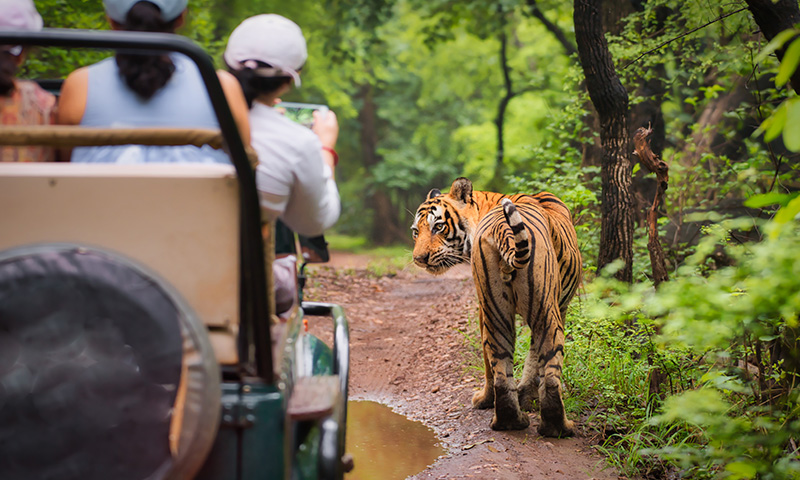
A trip to Corbett is less about ticking off a tiger sighting and more about understanding how a 1,288 sq km tiger reserve actually works, when its gates open, and how to move between its zones without wasted days or missed bookings. Set in the Nainital district of Uttarakhand, the Corbett Tiger Reserve is India’s oldest national park, founded in 1936 and later brought under Project Tiger in 1973 (source: National Tiger Conservation Authority). It carries over 85 years of conservation history and remains one of the richest tiger landscapes in the country.
Most first-time visitors land in Ramnagar with three questions on their mind: which zone to pick, when to go, and how to book safari permits before the slots vanish. The park has seasonal closures, zone-wise permit quotas, and sharply different lodging options, from forest rest houses deep inside the core to riverside resorts around Ramnagar. This 5-step guide walks you through each decision in the order it needs to be made, so your planning stays practical from early research to the morning of your first jeep safari.
The steps below assume you are planning a two to three-night trip from an Indian metro, though the same framework works equally well for international travellers routing through Delhi or Dehradun.
The Corbett Tiger Reserve is split into six safari zones, each with its own entry gate, landscape, and sighting character. Picking the right one shapes everything that follows, from where you stay to which permit you chase. Many travellers lose a full day because they booked a resort on one side of the reserve and a safari permit on the other.
A quick look at the main Jim Corbett safari zones:
Decide early if the trip is built around a Dhikala stay or a mix of two to three day-visit zones. Confusing them at the booking stage is the single biggest planning error travellers make. If this is your first visit, pair Bijrani with either Jhirna or Dhela. If this is a photography-led or repeat trip, aim for Dhikala plus one buffer zone.
Corbett’s seasonal rhythm decides which zones you can enter and what wildlife you are likely to see. The reserve runs on an open-and-closed calendar that often surprises first-time visitors, so align your travel dates with the right season for your goal.
Mid-June to mid-November (monsoon): Core zones close for breeding and track safety. Only Jhirna, Dhela, and Sitabani stay open, which makes this the lean season for a Corbett tiger safari (source: Corbett Tiger Reserve).
For a focused Corbett tiger safari, mid-March to late May remains the sharpest window. For birding and cooler conditions, aim for December and January. For low-season value with fewer tourists, Jhirna in September or early October is a quiet option, though sightings are harder.
Steer clear of long weekends, Diwali week, Christmas week, and Indian school summer holidays if you want quieter zones and better permit availability. Weekday safaris, especially Tuesday through Thursday, typically see less jeep traffic inside the reserve.
Permit booking is where most Corbett plans either lock in or fall apart. Day safari permits are released 45 days in advance, and Dhikala Forest Rest House stays open 90 days in advance on the official reserve portal. Summer slots at Dhikala and Bijrani get taken within hours of release, so your calendar reminder matters more than your wish list.
Here is a clean sequence to follow for a smooth Corbett safari booking:
International travellers should note that foreign national permits are priced higher than Indian ones and have separate quotas. Families and groups larger than six are better off booking two Gypsies, since the official limit is six passengers plus driver and guide per vehicle. Children under five are usually not counted towards the headcount but must still be declared at booking.
Our wildlife desk at Memorable India handles permit booking end to end as part of the Jim Corbett Wildlife Tour, which saves travellers from the April-to-June slot crunch and the risk of fake booking portals. The package pairs the permit with a vetted lodge, airport transfers, and an experienced naturalist in the Gypsy.
Where you sleep is a function of which zone you booked. Pair them well and your 5:30 am starts become smoother. Pair them poorly and you will spend the first safari hour of each day commuting.
By road: Ramnagar is the park’s base town, roughly 240 km from Delhi, with a 6 to 7 hour drive via NH9 and NH309. The route runs through Hapur, Moradabad, and Kashipur. Our Uttarakhand tour packages often combine Corbett with Nainital, Ranikhet, or Jim Corbett Falls for a well-paced Kumaon loop.
By train: Ramnagar railway station is well connected to Delhi via the Ranikhet Express and Corbett Park Link Express. Taxis and shared autos are easy to find at the station. Advance train bookings via IRCTC are recommended during peak season.
By air: Pantnagar Airport is the nearest, about 85 km away, with limited daily flights. Delhi’s IGI Airport remains the main hub for international travellers, with a 6 hour onward drive to Ramnagar.
Build a two-night minimum into the plan. One safari rarely does Corbett justice, and the second drive almost always rewards patience. Three nights is the sweet spot if you want to cover two different zones without rushing. For long-haul travellers combining culture and wildlife, Corbett pairs well with Delhi, Agra, and the Golden Triangle on the front end, or Rishikesh and Haridwar on the return leg.
For travellers pairing Corbett with another big-cat reserve, our broader India wildlife tours extend naturally into Ranthambore, Kanha, or Bandhavgarh, usually linked by a short domestic flight or an overnight train.
Smart packing is a quiet multiplier. The right gear keeps you comfortable through 6 am starts, cold Gypsy rides, and dust by mid-morning. The wrong clothes can genuinely cost you sightings, since bright colours alert alert animals long before the Gypsy reaches a waterhole.
A responsible Corbett National Park jungle safari leaves the forest exactly as you found it, with photographs, memories, and nothing more. This is the quiet discipline that keeps India’s oldest tiger reserve viable for the next generation of travellers and the wildlife they come to see.
Corbett rewards travellers who plan with intent. Match the zone to your interest, book the permit the moment the window opens, and build the stay around the gate rather than the other way around. Everything else, from Gypsy allocation to lunch at the Dhikala canteen, falls into place when the fundamentals are sorted.
For a hand-held plan with permit assistance, forest lodge reservations, and an expert naturalist, speak with our wildlife team through our contact page. A short call is usually enough to lock the right dates, the right zone, and the right lodge for your travel style, with no booking anxiety and no third-party fees.
The best time for a Corbett National Park jungle safari is March to mid-June for tiger sightings and November to February for comfortable weather, migratory birds, and family travel. Core zones such as Dhikala stay closed from mid-June to mid-November because of monsoon.
Two nights and three days is the ideal minimum. This covers two to three safari drives across different Jim Corbett safari zones, a weather buffer, and a relaxed morning before your return journey. A three-night plan works better if a Dhikala stay is on the list.
Yes. Day safari permits open 45 days in advance and Dhikala stays open 90 days in advance on the official Uttarakhand forest department portal. One government photo ID per adult is mandatory, and the same ID is verified at the gate.
Dhikala and Bijrani zones have historically reported the highest tiger activity, particularly between April and June. Sightings cannot be guaranteed in any wild reserve, which is why experienced travellers plan at least two safari drives.
A jeep safari in Corbett uses an open Gypsy with up to six passengers and offers flexibility across most zones. A canter safari is a larger 16-seater bus limited mainly to the Dhikala day visit route. Jeeps give sharper photography angles and quieter movement, while canters suit larger groups and solo travellers who want a cheaper slot.
Yes, with the right zone. Bijrani and Jhirna work well for families as the drives are shorter and resorts are closer to Ramnagar. Dhikala stays are better suited to older children and seasoned wildlife travellers given the remote location and basic facilities.

7 Reasons Why One Should Travel by Indian Rail
22 Oct 2026
6 Reasons to Visit Chopta Valley in the Himalayas
21 Oct 2026
5-Step Guide to Plan a Jungle Safari Trip to Corbett National Park
20 Oct 2026
6 Popular Short Treks in Sikkim You Must Explore
19 Oct 2026
5 Jeep Safari Routes to a Paradise Called Leh
18 Oct 2026


