 +919871148514
 info@memorableindia.com

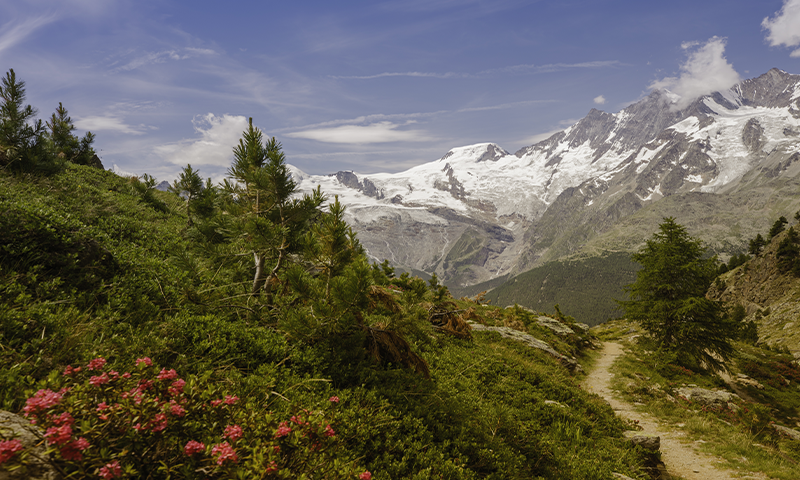
Tucked inside Uttarakhand’s Rudraprayag district, Chopta Valley has quietly built a reputation among seasoned Himalayan travellers as one of the finest high-altitude getaways in North India. Sitting at roughly 2,680 metres, this unassuming hamlet opens the door to Tungnath Temple, the Chandrashila summit, and the pristine Deoria Tal lake, each offering something distinct for trekkers, pilgrims, and slow travellers alike.
If you have been weighing a short Himalayan trip that balances spirituality, soft adventure, and clean mountain air without the crowds of Manali or Shimla, Chopta deserves a serious look. The six reasons below explain why this small valley continues to feature on serious Garhwal itineraries year after year.
Chopta sits in the Garhwal region of Uttarakhand, roughly 450 kilometres from Delhi and about 200 kilometres from Rishikesh. The nearest railway station is Haridwar, while Jolly Grant Airport in Dehradun serves as the closest airbase. The drive from Rishikesh takes close to 8 hours and passes through Devprayag, Rudraprayag, and Ukhimath, each stop carrying its own cultural weight along the Panch Kedar circuit. According to Uttarakhand Tourism, the region falls inside the Kedarnath Wildlife Sanctuary, which is why development has been kept intentionally minimal. You will find homestays, small lodges, and camping sites, but no large resorts or crowded markets.
Tungnath Temple stands at 3,680 metres and holds the distinction of being the highest Shiva shrine on earth. It is also the third temple in the sacred Panch Kedar circuit, a group of five Himalayan temples linked to the Pandavas of the Mahabharata. For readers planning a longer pilgrimage, this internal link gives context on how the Chardham and Panch Kedar routes connect.
The trek from Chopta to Tungnath covers around 3.5 kilometres of a well-paved stone path, climbing steadily through rhododendron and oak forests. Most reasonably fit visitors complete it in two to three hours. The gradient is kind compared to other Himalayan temple treks, which makes Tungnath accessible for first-time trekkers and older pilgrims alike.
The temple itself is modest in size, built in the classic North Indian style with grey stone and a wooden shikhara. What stays with most travellers is not just the darshan but the sense of standing on a ridge where the Garhwal peaks seem to open up on every side. The Archaeological Survey of India lists Tungnath as a protected monument of considerable antiquity, which adds a layer of historical gravity to the climb.
A short, steep extension of the Tungnath trail leads to Chandrashila peak at roughly 4,000 metres. The final 1.5 kilometres is where the climb earns its reputation. Loose scree, a sharper gradient, and thinner air demand a steadier pace. Most trekkers start before dawn from Chopta to catch sunrise from the summit.
The reward is a panoramic sweep that few mountain viewpoints in India can match. On a clear morning, Nanda Devi, Trishul, Kedarnath, Chaukhamba, and Bandarpoonch stand in a continuous arc of snow. The light shifts quickly from grey to gold, and the valleys below hold pockets of mist that slowly burn off.
Chandrashila carries its own mythology too. Local belief holds that Lord Rama meditated here after defeating Ravana, and the name itself translates to “moon rock”. For photographers and anyone chasing a genuinely rewarding Himalayan sunrise, this is one of the most reliable viewpoints in Uttarakhand.
About 25 kilometres from Chopta, near the village of Sari, lies Deoria Tal, a small freshwater lake sitting at 2,438 metres. The walk in is a gentle 2.5 kilometre climb that takes most people under 90 minutes, which makes it a comfortable half-day activity.
Deoria Tal is best known for its mirror-like surface, which on calm mornings holds a near-perfect reflection of the Chaukhamba range. The lake is surrounded by dense forest and alpine meadows, and the trail is dotted with wildflowers through spring and early summer.
Overnight camping is permitted on the meadow near the lake, subject to Forest Department rules. A night at Deoria Tal, with a sky largely free of city light pollution, is widely considered one of the finest stargazing experiences in Uttarakhand. Hindu mythology connects the lake to the Yaksha Prashna episode from the Mahabharata, where Yudhishthira is said to have answered the Yaksha’s questions on its banks.
Chopta sits inside the Kedarnath Wildlife Sanctuary, a protected area covering roughly 975 square kilometres. The sanctuary is home to the Himalayan musk deer, snow leopard, Himalayan tahr, serow, and more than 150 bird species including the colourful Himalayan monal, which is also Uttarakhand’s state bird. The IUCN Red List classifies the musk deer as endangered, and Chopta remains one of its last accessible habitats in India.
Between March and May, the slopes burst into pink and red as rhododendron trees bloom across the trek route. Birdwatchers often spend entire mornings quietly scanning the oak canopies for the monal, koklass pheasant, and various Himalayan thrushes. For those visiting with proper binoculars and a guide, the chances of meaningful sightings are genuinely high.
For travellers interested in nature-first itineraries, our wildlife tour packages offer thoughtful entry points into India’s protected landscapes, including the Garhwal belt where the ecosystem is still relatively undisturbed.
Beyond the headline treks, Chopta rewards travellers who simply want to slow down. The bugyals, or alpine meadows, surrounding the valley make for easy day walks with uninterrupted views. Camping sites around Baniyakund, roughly 3 kilometres from Chopta, offer tented stays with hot meals, bonfires, and guided night-sky sessions.
Because the valley has limited artificial lighting, the night sky above Chopta remains remarkably clear. On moonless nights between October and February, the Milky Way is visible to the naked eye, and amateur astronomers often spot planets without any equipment.
This makes Chopta a strong choice for families looking for a soft adventure trip, couples seeking a quiet break, and solo travellers wanting a reset. It also pairs well with longer Uttarakhand tour packages that combine Rishikesh, Chopta, and Auli over a week to ten days. This is a useful internal reference for readers planning a wider Garhwal loop.
Few Himalayan hamlets offer four distinct personalities across the year, and Chopta is one of them.
From March to June, the valley is in bloom. Rhododendrons line the trails, and daytime temperatures stay comfortable for trekking. July to mid-September brings the monsoon, which greens the meadows but also triggers landslides on the approach roads, so most operators pause departures during this window. From late September to November, the skies clear and visibility is at its best, with sharp views of the Garhwal peaks and crisp mountain light that photographers prize.
December to February transforms Chopta into a snow destination. The Chandrashila trek becomes a proper winter expedition, requiring microspikes and a certified guide, but the valley itself takes on a quiet, cinematic beauty. For travellers wanting a snow experience without the Manali or Shimla crowds, winter Chopta is a thoughtful alternative.
The valley is open to visitors through most of the year, but the ideal windows depend on what you want from the trip.
The monsoon months of July and August are generally avoided due to road conditions along the Rishikesh to Rudraprayag stretch.
Carrying some cash is advisable, as ATM and digital payment coverage thins out beyond Rudraprayag.
Chopta sits at a notable altitude, so even the summer trek requires sensible layering. A reliable packing list helps avoid last-minute scrambles at Rudraprayag, where mountaineering shops are limited.
Chopta works best when planned with local operators who understand permit requirements for Deoria Tal camping, Forest Department rules inside the sanctuary, and the realities of weather windows. A thoughtfully built itinerary can combine Chopta with Rishikesh, Haridwar, and the Panch Kedar circuit for a richer week in Garhwal.
Our team at Memorable India designs private, responsibly run Himalayan trekking tour packages that focus on small group sizes, local homestays, and low-impact camping. This internal link is useful for readers who want to see how Chopta fits inside a wider trekking programme. If this is your first Himalayan trip, speaking with a planner before booking is often the difference between a satisfying trip and a rushed one.
Chopta Valley rewards travellers who are willing to trade bright lights and crowded viewpoints for genuine Himalayan quiet. Between the ancient Tungnath shrine, the sunrise at Chandrashila, the still waters of Deoria Tal, and the unhurried meadows around Baniyakund, the valley offers a measured, meaningful introduction to Garhwal. Plan the trip around the right season, choose a responsible operator, and give yourself at least three days on the ground. The mountains here tend to stay with you long after you have come down.
Yes. The Chopta to Tungnath section is one of the most beginner-friendly Himalayan treks, with a paved stone trail and a gentle gradient. The extension to Chandrashila is steeper but still manageable for anyone with basic fitness and acclimatisation.
A minimum of three days is recommended: one day for travel to Chopta, one full day for the Tungnath and Chandrashila trek, and one day for Deoria Tal. Extending to five or six days allows a slower pace with Rishikesh included.
Yes. From late December through February, Chopta regularly receives snow, and the Chandrashila trek becomes a winter trek requiring proper gear. Road access to Chopta usually stays open except during fresh heavy snowfall.
Chopta has limited accommodation, mostly small lodges, Garhwal Mandal Vikas Nigam rest houses, and tented camps at Baniyakund. There are no large hotels, which is part of the valley’s appeal. Booking in advance is recommended during April, May, and October.
It is suitable for families with children above the age of eight, especially for the Tungnath trek and the Deoria Tal walk. The Chandrashila summit is better left to older children and teenagers due to altitude and gradient.
No permit is required to visit Chopta itself. However, overnight camping near Deoria Tal and inside the Kedarnath Wildlife Sanctuary requires permissions from the Forest Department, which registered operators arrange on your behalf.
A three-night trip from Delhi, including shared transport, basic accommodation, meals, and a guide for the Chandrashila trek, typically falls in the mid-range for a Garhwal getaway. Costs rise if you choose private cabs, premium camps at Baniyakund, or add a Rishikesh extension. Request a tailored quote for an accurate figure.

7 Reasons Why One Should Travel by Indian Rail
22 Oct 2026
6 Reasons to Visit Chopta Valley in the Himalayas
21 Oct 2026
5-Step Guide to Plan a Jungle Safari Trip to Corbett National Park
20 Oct 2026
6 Popular Short Treks in Sikkim You Must Explore
19 Oct 2026
5 Jeep Safari Routes to a Paradise Called Leh
18 Oct 2026


