 +919871148514
 info@memorableindia.com

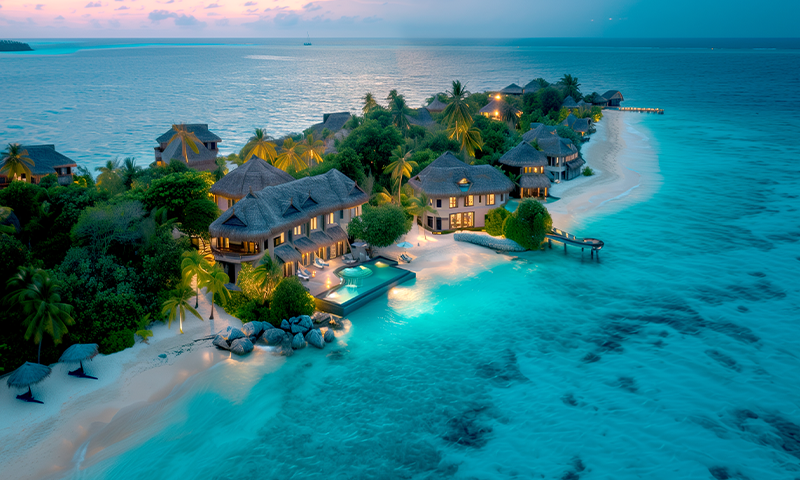
Lakshadweep sits roughly 220 to 440 kilometres off the Kerala coast, a scatter of coral atolls, reefs and sandbars in the Arabian Sea. The archipelago has 36 islands, of which only ten are inhabited, and even fewer are open to visitors. That controlled access is exactly why the lagoons here remain turquoise rather than tired, and why the reefs still look the way travel brochures everywhere else only pretend to look.
For Indian travellers tired of overbooked beach towns, this is the quieter alternative to the Maldives, closer, cheaper, visa-free, and run with a conservation-first mindset. The challenge is choosing where to go, since access depends on permits, ferry schedules and whether an island accepts non-residents at all. This guide covers the nine best places to visit in Lakshadweep, with honest notes on what each island actually offers, how to reach it, and who it suits. Think of it less as a ranked countdown and more as a shortlist you can match against the kind of trip you actually want to take.
India has beaches, and India has islands. Lakshadweep has something slightly rarer, which is coral. These are not continental islands but low-lying atolls built on reefs, which means lagoons on one side, open sea on the other, and marine life a short wade from your room. The population is small, alcohol is largely restricted, and tourism is regulated to keep the ecosystem intact. For context on how the destination compares with other Indian island choices, our guide to
Andaman tour packages is a useful read, since the two archipelagos appeal to different kinds of travellers and the decision usually comes down to activity mix and travel time.
Agatti is where most trips begin, since it holds the only airport in the territory. The runway, famously, sits on a thin coral strip with lagoon on both sides, and the approach itself is worth the window seat. Beyond logistics, Agatti is a destination in its own right, with a shallow reef drop that makes it one of the better entry points for first-time snorkellers and divers.
The lagoon is calm, the sand is powder-fine, and the pace is unhurried. Day activities include glass-bottom boat rides, kayaking, and reef walks when the tide allows. Resort options are modest but functional, and most travellers use Agatti as either a short stop or a jumping-off point for Bangaram and Thinnakara. For families with older children, this island strikes a workable balance between accessibility and genuine island feel. First-time visitors to Lakshadweep almost always touch down here, which also means it is where most itineraries circle back to on the final day for the return flight to Kochi.
Bangaram is the island that gets described in whispers. It is uninhabited apart from a single resort, ringed by a teardrop lagoon, and often cited as the most photogenic spot in the archipelago. The reef here supports turtles, reef sharks and rays, and the diving is widely rated as the best in Lakshadweep.
Access is via boat from Agatti, roughly ninety minutes depending on sea conditions. There are no shops, no nightlife, no distractions, which is precisely the point. If a traveller is looking for a honeymoon that is remote without being complicated, this is the shortlist. The resort runs its own dive school, meal plans tend to be all-inclusive, and the lack of mobile signal is treated as a selling point rather than a flaw. Our
honeymoon tour packages collection pairs well with a Bangaram stay, especially for couples wanting to combine the island with a Kerala or Goa segment on either side.
Kavaratti is the administrative capital of the Union Territory and the most developed island in Lakshadweep. The appeal here is a mix of lagoon activities and cultural depth. The Ujra Mosque is the oldest of the island’s mosques and worth a quiet visit, and the Marine Aquarium offers a quick orientation to the reef species travellers will encounter in the water.
The lagoon fronting the island supports kayaking, pedal boats, scuba, snorkelling and glass-bottom boat tours. Food is largely coconut-and-fish focused, and local hospitality is relaxed without being performative. Travellers who want a slightly more structured island experience, with a working harbour and visible community life, tend to prefer Kavaratti over the quieter atolls. It also serves as the administrative base for most permits and official matters, which can be useful if any paperwork needs sorting mid-trip.
Minicoy, locally called Maliku, is the southernmost inhabited island and culturally the most distinct. The language shifts to Mahl, a Dhivehi dialect close to what is spoken in the Maldives, and the architecture and boat-building traditions reflect that influence. It is a long sail from Kochi, which keeps footfall low and the experience authentic.
The island is famous for its lagoon, said to be among the largest in the archipelago, and the Minicoy lighthouse built during the British period offers a sweeping view of the atoll from the top. Tuna fishing is central to local life and the island’s economy. For travellers who want cultural texture alongside their beach time, Minicoy is the standout.
Kadmat is a long, narrow island with lagoons on both sides, giving it exceptional reef access without the need for long boat transfers. It hosts one of the oldest dive centres in Lakshadweep, and the house reef here is in good condition. Night dives, drift dives and PADI certification courses are offered through the resort.
Beyond diving, Kadmat is simply a good island to switch off on. The eastern beach catches the sunrise, the western side gets the sunset, and there is little to interrupt either. Accommodation is in beach huts and cottages rather than high-end resorts, which matches the island’s unfussy character. This is the pick for travellers who prioritise water over frills. Kayaks and paddle gear are usually included with resort stays, and the sheltered lagoons make Kadmat one of the better islands for travellers trying water sports for the first time.
Kalpeni is often the first stop on cruise-based itineraries, and the reason is immediate on arrival. The lagoon is enormous, shallow, and almost unreally blue, with a storm-formed coral debris wall on its eastern side that gives the island its particular geography. The water is calm enough for even nervous swimmers to enjoy a long float.
Beyond the lagoon, Kalpeni is known for its traditional Lava dance, performed on special occasions, and for its community-run tourism model. Travellers typically spend a few hours here as part of a ship-based tour, long enough for a swim, a reef walk and a fresh coconut, without the complication of an overnight stay. For a short, high-impact island visit, Kalpeni is reliable. The Cordelia Cruises circuit from Mumbai and the Samudram package from Kochi both route through here, which is the most practical way to see it without arranging a separate permit and ferry chain.
Thinnakara is a small uninhabited island near Bangaram, with the same lagoon colours and a fraction of the attention. Accommodation is limited to tented cottages run by the tourism administration, which keeps the footprint low. There is no permanent population, no shops, and no built environment to speak of.
The appeal here is the simplicity. Days revolve around snorkelling, swimming, long walks on sand that squeaks underfoot, and sunsets that fill the entire sky. The reef around Thinnakara is healthy and reachable from the beach itself. For travellers who want an island experience closer to camping than resorting, this one delivers without pretension. Meals are usually taken communally at a central dining tent, and evenings tend to be an early affair since there is no artificial lighting past the cottage line.
Kiltan sits in the Amindivi group in the north and historically served as a trading stop between India and Mangalore. The island is coral-based with narrow lanes, old mosques, and a slower, village-paced rhythm. It is not on most mainstream itineraries, which is partly why it rewards travellers who make the effort to include it.
Water activities are available but low-key, and the real draw is the sense of a working island that happens to have a beach, rather than a beach that happens to have an island. Permits for Kiltan are issued more selectively than for the southern atolls, so plans need to be made further in advance. This one suits slow travellers and repeat visitors.
Andrott is the largest island in Lakshadweep by area and the only one that runs east to west rather than north to south. It is dotted with Buddhist archaeological remains and has one of the oldest mosques in the archipelago, the Jumat Mosque, which pulls in visitors interested in the layered history of the region.
The island is less set up for mainstream tourism than Agatti or Kavaratti, which means fewer organised activities and more scope for independent wandering. The beaches are quiet, the community is close-knit, and the pace is markedly slower. Travellers who find themselves bored on standard beach itineraries often warm to Andrott precisely because it refuses to perform for visitors. The absence of a resort-level infrastructure also means food, transport and stay need to be planned through locally approved operators well before arrival.
A few things decide whether a Lakshadweep trip goes smoothly or runs into friction. These are worth sorting out early rather than in the departure queue.
The Lakshadweep administration recently removed the sponsorship and police clearance requirements for tourist permits, according to reporting by Outlook Traveller, which has made the application process genuinely simpler. The permit itself is still issued through the official e-permit portal run by the Union Territory administration.
The tourist season runs from mid-September to mid-May, with October to March offering the calmest seas and clearest underwater visibility. Divers tend to favour the November to March window, when conditions are at their steadiest. Monsoon months bring rough seas, suspended ferries, and limited flight reliability, so most resorts shift to a shoulder schedule or close entirely during that stretch.
For travellers combining Lakshadweep with a mainland leg, Kochi makes the natural staging point. Our
Kerala tours pair well with an island segment, especially for first-time visitors who want to see the backwaters, hill country and coast before or after their island days.
No one visits all nine islands in a single trip, and the itinerary tends to follow one of three patterns. Divers and reef enthusiasts build their trip around Bangaram, Kadmat and Agatti. Cultural travellers lean into Minicoy, Kavaratti and Andrott. Honeymooners and quiet-seekers gravitate toward Bangaram and Thinnakara with a day on Agatti for arrival and departure. The right island depends less on rankings and more on the kind of days you actually enjoy.
Memorable India can help build a Lakshadweep itinerary around permits, ferry windows and accommodation availability, with a Kerala or Goa extension when that makes practical sense. Reach out through our contact page with your travel dates and we will suggest a route that fits.
Bangaram Island is widely regarded as the most beautiful island in Lakshadweep. Its teardrop lagoon, uninhabited setting and healthy reef make it the archipelago’s most photographed spot, particularly for honeymooners and divers.
Five to seven days is a comfortable window for a Lakshadweep trip. That allows for arrival at Agatti, two or three nights on a resort island like Bangaram or Kadmat, and buffer time for ferry and flight schedules, which can shift based on sea conditions.
Yes. All non-islanders, including Indian citizens, need an entry permit for Lakshadweep. The permit is applied for online through the official e-permit portal, must be submitted at least 14 days before travel, and lists the specific islands the holder is allowed to visit.
The best time to visit Lakshadweep is between October and March, when the sea is calm, humidity drops, and underwater visibility is strongest. Divers often prefer the November to March window. The monsoon months from June to September are generally avoided due to rough seas and ferry disruptions.
For Indian travellers, Lakshadweep offers a comparable coral and lagoon experience without the visa, foreign currency and longer travel time involved in a Maldives trip. Infrastructure is simpler and resort choice is narrower, but costs are lower and the islands remain largely uncommercialised.
A budget Lakshadweep trip is possible if travellers choose ship travel from Kochi and stay on administration-run cottages at Agatti, Kadmat or Kavaratti. Costs rise sharply for resort islands like Bangaram, where accommodation is limited to a single property.
9 Best Places to Visit in Lakshadweep, a Top Island Getaway in India
23 Oct 2026
7 Reasons Why One Should Travel by Indian Rail
22 Oct 2026
6 Reasons to Visit Chopta Valley in the Himalayas
21 Oct 2026
5-Step Guide to Plan a Jungle Safari Trip to Corbett National Park
20 Oct 2026
6 Popular Short Treks in Sikkim You Must Explore
19 Oct 2026


