 +919871148514
 info@memorableindia.com

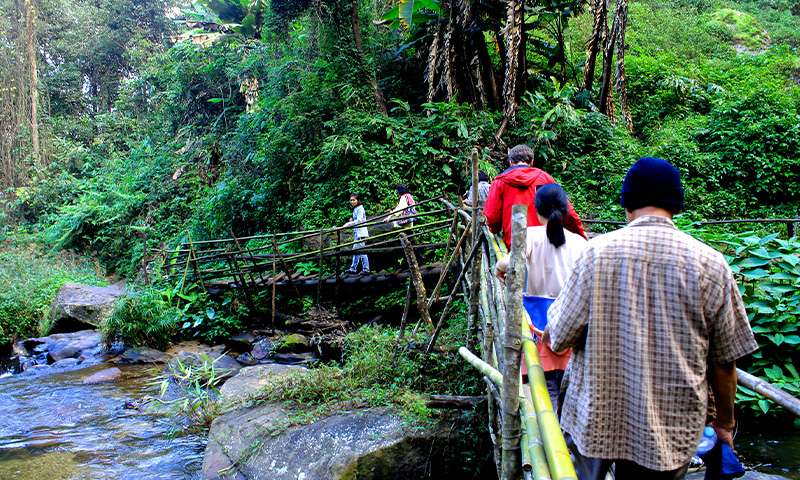
Wayanad sits high on the Western Ghats, where Kerala’s coconut coast gives way to coffee country, misty peaks and tribal heartlands. For travellers who have already seen Kochi’s harbour and Alleppey’s backwaters, Wayanad offers a cooler, slower, and greener side of the state. This guide pulls together the 12 experiences that genuinely reward the drive up the ghats, with trail notes, timings and planning cues drawn from years of sending guests into the hills.
Most first-time visitors to Kerala plan around the backwaters and beaches, yet Wayanad tells a different story. The district sits roughly 700 to 2100 metres above sea level, nestled inside the Nilgiri Biosphere Reserve, one of South Asia’s richest ecological zones. You find rainforest trails, Jain shrines, prehistoric cave art and tribal hamlets within an hour of each other.
The climate stays cool through most of the year, which makes Wayanad a natural pairing with coastal Kerala rather than a substitute. Families, honeymooners, trekkers and seniors all find a pace that works. For a wider South India route, pair Wayanad with Mysore, Coorg or Ooty on the Karnataka and Tamil Nadu side, or combine it with Kerala tour packages that cover both the coast and the hills.
The Edakkal Caves near Ambalavayal are one of the most unusual places to visit in Wayanad and a top draw for curious tourists. The two natural rock chambers sit on Ambukuthi Mala and carry petroglyphs that researchers date to the late Neolithic and Mesolithic eras, based on studies cited by the Archaeological Survey of India. The engravings include human figures, animals and tools, and sit protected inside a quiet hill setting.
Reaching the caves asks for a short climb of about 45 minutes with one steep stretch near the top. Sturdy walking shoes help, and carrying water is a good idea.
Tourist tip: go early in the day to beat weekend crowds and to catch clear morning light inside the cave.
Chembra Peak is the tallest summit in Wayanad at about 2100 metres, and the trek to its heart-shaped lake (Hridaya Saras) is one of the most photographed experiences in Kerala. The trail climbs through tea estates and shola grasslands and opens out at a lake that has stayed full in every season for as long as locals remember.
The Kerala Forest Department manages the trail and issues a limited number of permits each day through the Meppadi forest office. Group sizes are capped, and guides are mandatory. The full peak climb is currently restricted to protect the ecosystem, and most tourists trek only up to the heart-shaped lake.
Carry light rain protection if you are trekking between June and September, and start before 9 am so you finish the descent before afternoon showers roll in.
Wayanad Wildlife Sanctuary stretches across 344 square kilometres and is divided into two zones open to tourists: Muthanga in the south-east near Sultan Bathery and Tholpetty in the north near Mananthavady. Both offer early-morning and late-afternoon jeep safaris that the forest department runs on a first-come, first-served basis.
The sanctuary is part of the wider Nilgiri Biosphere and shares boundaries with Bandipur, Nagarhole and Mudumalai. Visitors have recorded Asian elephants, gaur, sambar deer, Indian bison and the occasional leopard. Tiger sightings are rare but reported.
Book your slot the previous evening or arrive by 6 am, carry an ID proof, and wear muted colours. Camera fees are collected separately at the gate.
Soochipara, also known as Sentinel Rock Waterfalls, is one of the most popular Wayanad attractions for day trippers and photographers. The three-tiered cascade drops close to 200 feet into a rock pool, flanked by evergreen forest.
A well-maintained path leads from the ticket counter at Vellarimala to the viewing deck, about a 20-minute downhill walk. Entry tickets are managed by the Vazhavatta Vana Samrakshana Samithi under the Kerala Forest Department.
The pool below the falls is deep and the rocks stay slippery through the year, so swimming is restricted and a safety rope marks the edge. Visit between July and February for the fullest flow, and skip the walk after heavy rain alerts.
Banasura Sagar is the largest earthen dam in India and the second largest in Asia, built across a tributary of the Kabini river. The reservoir behind it has turned into one of the most scenic sightseeing spots in Wayanad, with wooded islets rising out of the water during the dry months.
Most tourists ride the uphill shuttle from the parking area to the dam’s base, then walk up to the viewpoint. Speed boat rides and pedal boats operate from the boating jetty, with rates set by the District Tourism Promotion Council.
Time your visit for sunrise or late afternoon when the light softens over the Western Ghats. Combine it with Meenmutty Falls on the same route for a full-day loop from Kalpetta.
Pookode Lake is a small freshwater lake tucked inside evergreen forest near Lakkidi, shaped roughly like the map of India as local guides like to point out. The surface sits at about 770 metres and is surrounded by a well-kept walking path.
Pedal boats and rowing boats are available on hire, and the children’s park nearby makes it a family favourite. A small freshwater aquarium and a shopping arcade with handicrafts and spices sit at the entrance.
Most visitors spend 60 to 90 minutes here, making it an easy stop when driving between Kozhikode and Vythiri. Entry fees are modest, cameras are allowed, and the morning hours are the quietest for photography.
Thirunelli Temple sits in the Brahmagiri hills on the northern edge of Wayanad and is one of the oldest Vaishnavite shrines in Kerala, with granite pillars and a classic Kerala tiled roof. Pilgrims call it Dakshin Kashi, the Kashi of the south, because of the Papanasini stream that flows close by.
The drive from Mananthavady is about an hour and winds through coffee estates and reserve forest. The temple is active, so dress modestly, with men expected to wear a mundu inside the sanctum.
Beyond faith, the setting makes it worth the trip. Birders often pair the visit with a stop at Pakshipathalam cave trail, which asks for a forest permit arranged through the Tholpetty range office.
Kuruva Island, called Kuruvadweep locally, is a protected river delta on the Kabini with evergreen vegetation, orchids and birdlife rarely seen elsewhere in Kerala. The 950-acre cluster of islets closes during the monsoon as the river rises, and reopens once water levels settle.
Access is by non-motorised bamboo raft or small boat, keeping noise and fuel pollution out of the fragile habitat. Plastic bottles and packaged food are not allowed past the entry gate, and visitor numbers are capped each day.
Kuruva works best as a slow half-day stop with a picnic and a guided walk. Keep binoculars handy for racket-tailed drongos, hornbills and the odd Malabar grey hornbill if you are lucky.
Meenmutty is the largest waterfall in Wayanad and one of the biggest in Kerala, plunging in three tiers over a drop of roughly 300 metres. Unlike Soochipara, Meenmutty takes effort to reach. The main trail starts near Vaduvanchal, and the walk through forest and plantation takes about two hours each way.
The second tier offers the best viewpoint, with mist rising off the pool and the Chembra range visible on clear days. The trail passes leech-prone patches in the wet season, so carry salt and wear closed shoes.
For travellers who like earned views, Meenmutty is one of the best things to do in Wayanad for tourists willing to trade comfort for solitude and raw landscape.
As you drive up the ghat road from Thamarassery towards Vythiri, the mist usually rolls in around Lakkidi. The viewpoint at the top of the nine hairpin bends overlooks the forested gorge and is a traditional first stop for anyone entering Wayanad by road.
A short walk away stands the Chain Tree, a Ficus tree wrapped in iron chains. Local folklore tells of a tribal youth named Karinthandan who guided a British engineer through these hills and was killed to keep the route a secret. The chain, legend says, keeps his spirit at rest.
Stop for tea at one of the kiosks, breathe in the hill air, and let the climate shift do its work before you continue.
The Wayanad Heritage Museum at Ambalavayal is a short drive from the Edakkal Caves and offers the clearest window into the district’s tribal and agrarian past. Also called the Ambalavayal Heritage Museum, it is run by a trust in association with the state and houses tools, weapons, terracotta figures and ornaments collected from local tribal communities, some dating back to the second century CE.
Displays walk visitors through the lives of the Kurichiyas, Paniyas, Kurumas and Adiyas, who continue to shape Wayanad’s cultural identity. The museum takes about an hour and pairs well with a stop at the caves on the same day.
Photography is allowed in most galleries, though flash is discouraged near the older textiles and manuscripts.
Wayanad is one of India’s major arabica and robusta coffee belts, and several estates around Meppadi, Kalpetta and Vythiri welcome tourists for guided plantation walks. A good walk of about 45 minutes covers coffee bushes, pepper vines twined up silver oak trees, cardamom plots and the occasional cinnamon or clove tree.
Many estates run small tasting rooms where you can sample single-estate coffee and buy spices directly from the grower, a pattern championed by India’s Spices Board to support traceable farm-to-cup trade.
For travellers interested in sustainability, choose homestays and plantation retreats that share profits with the estate’s workforce. It is one of the quieter yet most rewarding things to do in Wayanad, Kerala for responsible travellers.
The best time to visit Wayanad is between October and May, when the monsoon has eased and the trails are open. October to February brings cool, clear days ideal for trekking and wildlife safaris. March to May stays pleasant at higher altitudes while the plains in Kerala turn warm. June to September is dramatic and green, but many trails and Kuruva Island stay closed for safety.
Wayanad rewards slow, curated travel more than a checklist. Our travel team builds itineraries that mix trekking, wildlife and rest at the right pace for every traveller, with locally owned homestays and responsible operators at the core.
If you are early in your research, browse our curated Wayanad tour packages for sample day-by-day plans and seasonal routes. Ready to travel? Share your dates and preferences, and we will design a custom Wayanad itinerary that fits your group and your budget. For a longer South Indian journey, pair Wayanad with Coorg, Mysore or the Kerala backwaters.
How many days are enough for a Wayanad trip?
Three to four days is the sweet spot. A two-day visit covers the most popular Wayanad attractions like Edakkal Caves, Pookode Lake and Soochipara Falls. A fourth day lets you add a wildlife safari, a plantation walk and the Thirunelli route.
Is Wayanad safe for solo travellers and families?
Yes. Wayanad is considered one of the safer hill districts in Kerala for solo travellers, couples and families. Most trails are managed by the forest department with mandatory guides, and local homestay hosts are known for warm hospitality.
What is Wayanad famous for among tourists?
Wayanad is famous for its rainforests, waterfalls, wildlife sanctuaries, prehistoric caves and spice and coffee plantations. It is also known as the gateway to the Nilgiri Biosphere in Kerala.
Can I visit Wayanad during the monsoon?
You can, and the landscape is at its most lush, yet some trails including Chembra Peak, Meenmutty Falls and Kuruva Island may close during heavy rain. Always check the Kerala Forest Department advisories before travel.
Which is better for tourists, Munnar or Wayanad?
Munnar leans towards manicured tea estates and viewpoints. Wayanad leans towards forests, wildlife and tribal heritage. For travellers seeking raw nature and culture together, Wayanad often edges ahead.
19 Incredible Places for Wildlife Jungle Safari Holidays in Rajasthan
20 Nov 2026
7 Must-Experience Things in Assam in January: A Practical Winter Guide
20 Nov 2026
7 More Sites Added to the World Heritage List by UNESCO: What Travellers Should Know in 2026
19 Nov 2026
7 Best Places to Visit Near Bandipur National Park: Distances, Routes and Planning Tips
19 Nov 2026
5 Lesser-Known Destinations of Incredible India Worth Your Next Trip
18 Nov 2026


