 +919871148514
 info@memorableindia.com

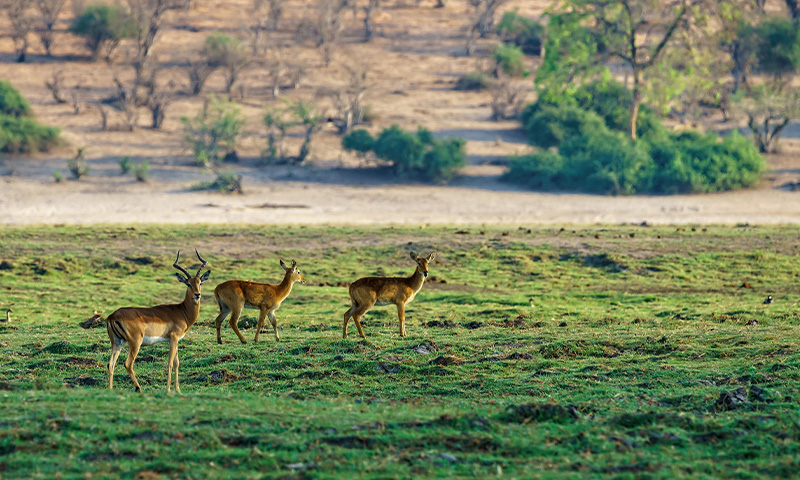
Ask most people what Rajasthan is famous for and you will hear about forts, palaces and camel rides across golden dunes. Fewer know that the same state is home to five tiger reserves, a UNESCO-listed bird wetland, leopards that rest on granite hills beside village temples, and a river where gharials sun themselves on sandbanks.
That variety is what makes a wildlife safari in Rajasthan so rewarding. The hard part is not finding animals. It is choosing between very different landscapes, each with its own star species and its own season.
This guide lists 19 places, grouped by habitat, so you can match each park to the wildlife you most want to see. Every entry covers what lives there, why it deserves a place on your route and one practical tip. The planning sections at the end explain when to go, how to book and how to combine parks into one trip.
If you only have a few seconds, use this shortlist:
Rajasthan now has five notified tiger reserves. Two are famous, and three are newer, quieter options for travellers who prefer fewer vehicles at each sighting.
Ranthambore is the state’s best-known tiger park and the first choice for most visitors. Dry deciduous forest, lakes and a 10th-century fort create a setting where tigers are sometimes seen walking past old ruins. Leopards, sloth bears, sambar and marsh crocodiles share the reserve.
Why go: It offers some of the most dependable tiger sightings in western India.
Tip: Book two or three drives, as sightings depend on luck and zone allocation. Our Ranthambore tour packages bundle safari slots, stays near the park and transfers.
Sariska lies in the Aravalli hills, an easy drive from both Delhi and Jaipur. The reserve lost its tigers in the mid-2000s, and big cats were later relocated here from Ranthambore, so every sighting is part of a real recovery story. The forest also hides the ruined Kankwari Fort and the Neelkanth temples.
Why go: Ideal for a short wildlife break from Delhi. Pair a morning drive with the Bhangarh ruins nearby.
Mukundra Hills stretches across rocky plateaus and gorges cut by the Chambal and its tributaries. Tiger numbers are still small, so treat it as a forest experience rather than a guaranteed big cat drive. Leopards, sloth bears, chinkara and raptors are easier to find.
Why go: Dramatic gorge scenery with far fewer jeeps than the famous parks.
Notified in May 2022, Ramgarh Vishdhari links Ranthambore with Mukundra Hills. Down To Earth reports that its biggest value lies in this corridor role, giving tigers room to disperse. For visitors, it means quiet trails through dhok forest and a young reserve still finding its feet.
Why go: Combine it with Bundi’s stepwells and palace for a culture and wildlife day.
This is Rajasthan’s newest tiger reserve, approved by the National Tiger Conservation Authority in 2023, as ThePrint reported. Ravines, sandstone cliffs and dry forest make it very different from Ranthambore next door. Tourism facilities are still developing.
Why go: Suited to seasoned wildlife travellers who value solitude over comfort.
Jhalana sits inside Jaipur’s city limits, which makes it one of the few places in India where you can track wild leopards and be back at your hotel for breakfast. The scrub forest also holds striped hyenas, nilgai and a good list of birds.
Why go: The easiest wildlife add-on for any Jaipur itinerary, even with only half a day free.
Tip: Choose a winter morning slot, when leopards often rest on open rocks to warm up.
Jawai is not a national park. It is a farming and grazing landscape of granite hills where leopards live close to Rabari herders and hilltop shrines with relatively little conflict. The Jawai Dam reservoir adds mugger crocodiles and wintering birds such as flamingos and bar-headed geese.
Tip: Drives here are run by local camps and lodges, so book your stay and safaris together.
Wrapped around the walls of Kumbhalgarh Fort, this Aravalli sanctuary shelters leopards, Indian wolves, sloth bears and four-horned antelope. In 2023, Kumbhalgarh received in-principle approval to become a tiger reserve, which may shape how the area is managed in future.
Why go: Jeep safaris, nature trails and one of India’s great forts in a single day from Udaipur.
Formerly the Bharatpur Bird Sanctuary, Keoladeo is a wetland inscribed as a UNESCO World Heritage Site in 1985. In winter, its marshes fill with migratory ducks, geese, storks and raptors, while resident Sarus cranes and painted storks add colour.
Tip: Explore by bicycle or with the park’s trained cycle rickshaw pullers, many of whom are sharp bird spotters. The flat trails suit seniors and children too.
Every winter, thousands of demoiselle cranes, known locally as kurja, descend on this desert village to feed on grain laid out by residents. Decades of community care led to Khichan being declared a conservation reserve for the cranes in 2023.
Tip: Reach the feeding ground soon after sunrise and keep a respectful distance.
This small grassland on the edge of the Thar is known for large herds of blackbuck and for winter raptors, especially harriers. Mongabay India explains how the once-degraded grassland recovered so well that blackbuck are now being moved to nearby restored areas.
Why go: Open views and golden light make it a favourite with photographers.
India’s largest inland salt lake is a Ramsar wetland that draws greater and lesser flamingos in winter. It is not a jeep safari park, but a slow drive along the shoreline can be very rewarding for birders.
Tip: Carry binoculars and visit early, before the midday glare flattens the colours of the salt pans.
Spread across the Thar near Jaisalmer, this park protects the great Indian bustard, Rajasthan’s critically endangered state bird. Chinkara, desert foxes, desert cats and many raptors are seen more often. The Sudasari area is the usual base for wildlife drives.
Why go: It shows a side of the desert that most camel safari visitors never see.
The slow-moving Chambal is a stronghold of the critically endangered gharial. Boat safaris also reveal mugger crocodiles, turtles, Indian skimmers and, with luck, the Gangetic river dolphin. Our guide to the National Chambal Wildlife Sanctuary explains what to expect on the water.
Why go: A calm, family-friendly boat ride that feels completely different from a jeep drive.
The Bishnoi community has protected blackbuck, chinkara and trees for centuries as part of its faith. A village safari from Jodhpur passes farmland where antelope graze near homes, with stops for pottery, weaving and tea with local families.
Why go: Wildlife and living culture in one half-day outing.
Sitamata holds Rajasthan’s only teak forest and an isolated population of the large brown flying squirrel, according to BirdLife International. The squirrels glide between trees at dusk near Arampura, while four-horned antelope and pangolins live in the surrounding forest.
Tip: Stay until sunset, when the squirrels leave their tree hollows and start gliding.
South of Udaipur near the Gujarat border, this hilly sanctuary has dense forest, seasonal streams and tribal villages. Leopards, sloth bears and flying squirrels have all been recorded here, yet visitor numbers stay low.
Why go: A green, uncrowded escape for travellers already based in Udaipur.
Surrounding Rajasthan’s only hill station, this sanctuary climbs through the highest part of the Aravallis. It is one of the better places in the state to look for sloth bears, and its cooler forests support birds rarely seen elsewhere in Rajasthan. Add the lakes and Dilwara temples for a complete break.
Set beside Jaisamand Lake, one of India’s largest artificial lakes, this sanctuary has leopards, chital, wild boar and plenty of water birds. Quiet shorelines and old lakeside palaces make it a relaxed day trip from Udaipur.
October to March is the most comfortable window for almost every park on this list. Mornings are cool, migratory birds are present and the soft light suits photography.
Think of summer like an office water cooler on a busy day. Sooner or later everyone comes by for a drink, so patience near water pays off.
Forest department safaris at parks such as Ranthambore, Sariska and Jhalana are booked through the official Rajasthan Forest Department FMDSS portal. A few habits make the process smoother:
If you would rather skip portals and permits, a tour operator can handle bookings, naturalists and transfers as part of your trip.
Rajasthan is large, so group parks by region instead of crisscrossing the state. Three practical circuits work well:
First-timers who want tigers, the Taj Mahal and Jaipur in one trip can look at our 8 Days Rajasthan Wildlife Tour Package, which covers Delhi, Agra, Ranthambore, Bharatpur and Jaipur.
Open jeeps get cold at dawn in winter and dusty at every time of year, so pack in layers. A simple kit covers most parks:
Among the national parks in Rajasthan, Ranthambore will always draw tiger lovers. Yet the leopards of Jawai, the cranes of Khichan and the gharials of the Chambal prove how much the wildlife sanctuaries in Rajasthan and its community-protected landscapes have to offer. Pick two or three places that match your interests, travel in the cooler months and book drives early.
Ready to plan? Talk to our Rajasthan travel experts for a tailor-made itinerary with handpicked stays, safari bookings and experienced naturalists.
Ranthambore National Park is the best choice for tigers. For leopards, Jhalana in Jaipur and Jawai in Pali district are excellent, while Keoladeo National Park in Bharatpur is the top pick for birdwatching.
October to March offers pleasant weather and peak birdlife. April to June is hot, but animals visit waterholes more often, which can improve big cat sightings.
Rajasthan has five tiger reserves: Ranthambore, Sariska, Mukundra Hills, Ramgarh Vishdhari and Dholpur-Karauli, the newest, approved in 2023.
Jhalana Leopard Reserve in Jaipur and the granite hills of Jawai give the best leopard sightings. Kumbhalgarh, Mount Abu and Jaisamand also hold healthy leopard populations.
Yes. Safaris at forest department parks like Ranthambore, Sariska and Jhalana are booked on the official FMDSS portal using an SSO login. Carry the same ID you used while booking.
Yes. Keoladeo has flat, easy trails, and canter safaris in Ranthambore are steady and comfortable. Choose morning drives in winter and lodges close to the park gate to reduce travel time.
19 Incredible Places for Wildlife Jungle Safari Holidays in Rajasthan
20 Nov 2026
7 Must-Experience Things in Assam in January: A Practical Winter Guide
20 Nov 2026
7 More Sites Added to the World Heritage List by UNESCO: What Travellers Should Know in 2026
19 Nov 2026
7 Best Places to Visit Near Bandipur National Park: Distances, Routes and Planning Tips
19 Nov 2026
5 Lesser-Known Destinations of Incredible India Worth Your Next Trip
18 Nov 2026


