 +919871148514
 info@memorableindia.com

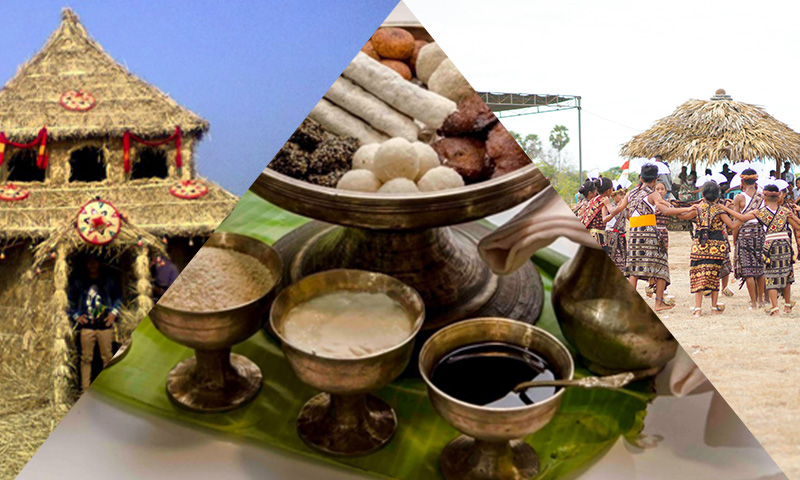
January in Assam runs on two calendars at once. The farm calendar says the paddy is cut, granaries are full and it is time to feast, which is why Bhogali Bihu celebrations in Assam bring the whole state to a pause in the middle of the month. The wildlife calendar says the floods are long gone, grasslands are thinning out and wetlands in Upper Assam are crowded with ducks that flew in from colder countries. Travel here in January and you get both.
The weather is on your side too. Afternoons in Guwahati are mild and sunny, while mornings across the Brahmaputra valley can be foggy and properly cold, especially further east. The India Meteorological Department’s winter report for Assam recorded a mean January minimum of 14.8°C in Guwahati in 2026, with the season’s lowest reading of 6.6°C at North Lakhimpur. Pack layers rather than heavy woollens.
Below are seven must experience things in Assam in January. Each one is either at its best this month or happens only this month. For every experience, we explain what it is, why January matters and how to fit it into a real trip.
Quick answer: The best things to do in Assam in January are celebrating the Bihu harvest festival in mid-January, a jeep safari in Kaziranga National Park, exploring the satras of Majuli, visiting the Charaideo Moidams around Me-Dam-Me-Phi on 31 January, birdwatching at Maguri-Motapung Beel, staying in a heritage tea bungalow and watching sunset over the Brahmaputra in Guwahati.
Most travellers who ask about the best time to visit Assam hear “November to April”. January sits right in the middle of that window, and a few practical reasons make it stand out:
Bhogali Bihu, as the January edition is also called, marks the end of the harvest. “Bhog” means feasting, and that tells you most of what you need to know. If you only plan one date in your calendar, make it this one.
The eve of the festival is Uruka. Families and neighbours build temporary huts called bhelaghar and tall bonfire structures called meji from bamboo, hay and dry leaves, usually in open paddy fields. Uruka night is a community feast, often with fish caught that day. At dawn, people light the meji and offer rice cakes and prayers for a good year ahead.
For the next few days, homes serve pitha (rice cakes stuffed with sesame or coconut), laru (sweet balls) and jolpan, a breakfast of flattened rice, curd and jaggery. You will be offered food constantly. Accept it; refusing is the only real mistake you can make.
Drik Panchang’s festival calendar lists the 2027 festival on Friday, 15 January, with Uruka on the night of 14 January. Some local calendars show the 14th, so confirm closer to the date.
Kaziranga National Park, a UNESCO World Heritage Site on the south bank of the Brahmaputra, is the main reason many travellers come to Assam at all. It protects the largest population of the greater one-horned rhinoceros, along with wild water buffalo, swamp deer, elephants and a healthy tiger population.
By January, the tall elephant grass that hides animals for much of the year has been cut or burned back in patches as part of park management. Sightlines open up, and rhinos grazing in open meadows become far easier to spot. Wetlands inside the park also host pelicans, storks and wintering ducks.
The park is split into four ranges: Central (Kohora), Western (Bagori), Eastern (Agaratoli) and Burapahar, as this Outlook Traveller guide to Kaziranga explains. Each has a different character, so two safaris in two ranges beat two safaris in one.
Morning jeep safaris in an open vehicle can be bitterly cold, so carry a jacket, gloves and a cap. On responsible choices: elephant-back rides still operate in some ranges, but the jeep safari covers all four ranges and keeps a respectful distance from wildlife. Stick to forest department routes, keep voices low and never ask drivers to chase or crowd an animal for a photo. A good naturalist guide is worth more than any long lens.
Our Kaziranga National Park tours page outlines safari-led itineraries with stays close to the park gates, which saves you early-morning driving in fog.
Majuli Island sits in the middle of the Brahmaputra and is reached by ferry from Nimati Ghat near Jorhat. It is the heart of Assam’s Neo-Vaishnavite tradition, founded by the 15th to 16th-century saint Srimanta Sankardeva, and its monasteries, called satras, still teach music, dance, drama and crafts.
A sensible satra circuit for one day looks like this:
January suits Majuli well. Village roads are dry enough for cycling, wetlands draw migratory birds and the island is calmer than during the autumn Raas festival. Stay in a Mising community homestay built on stilts; dinner with your hosts is half the experience.
Getting around is simple. Rent a bicycle or scooter near Kamalabari, or hire a local driver for the day; distances between satras are short, but signage is limited. Carry cash, since card payments and ATMs are not always reliable on the island.
One honest tip: morning fog often delays the first ferries. Plan to cross later in the morning and keep at least two nights on the island.
The Ahom kingdom ruled much of Assam for nearly six centuries, and its kings were buried in large earthen mounds called moidams at Charaideo, their first capital. In July 2024, the UNESCO World Heritage Committee’s decision added the Moidams to the World Heritage List, making Charaideo the first cultural World Heritage Site in Northeast India.
January adds a living layer to this Charaideo Moidams UNESCO site. On 31 January every year, Tai-Ahom communities observe Me-Dam-Me-Phi, a ritual of ancestor worship. Prayers and offerings take place at Charaideo and across Upper Assam. Visitors are welcome to watch respectfully, but remember it is a religious occasion, not a performance.
Sivasagar, roughly an hour away, holds the most visible Ahom monuments:
If you want more background before you go, our guide to Assam’s culture and Ahom heritage is a useful primer on the kingdom and the state’s traditions.
For birdwatching in Assam in winter, head to the far east of the state near Tinsukia. Maguri-Motapung Beel is a large wetland where you glide through reeds in a small rowboat at sunrise while ruddy shelducks, pintails and other migrants feed around you. Even non-birders find it calming.
The beel sits next to Dibru-Saikhowa National Park, where there are no jeeps. Instead, a motorboat safari through Dibru-Saikhowa National Park takes you along river channels and grassy islands. Watch for Gangetic river dolphins surfacing in the main channel.
The park is also home to feral horses believed to descend from animals left behind during the Second World War. A researcher quoted by Mongabay on India’s feral horses estimates there may be 150 to 200 of them in the park. Seeing a small herd move across open grassland is a highlight few visitors expect in India.
Assam tea is world famous, but here is something most travel blogs skip: January is not plucking season. Tea bushes in Northeast India stay dormant for roughly three months in winter because of short days and low temperatures, as the Tocklai institute explains. Estates use this time for pruning, so factories are usually quiet.
That does not make an Assam tea estate stay pointless in January. It changes what you get:
Think of it as a rest stop between safaris and temples. If watching leaf being processed matters to you, visit from March onward instead.
Most trips start and end in Guwahati, and it deserves more than an airport transfer. January evenings are clear and comfortable, which makes a sunset cruise on the Brahmaputra the easiest highlight of the trip.
This Assam winter travel itinerary connects the experiences above in a logical west-to-east route:
Short on time? Our 6-day Assam tour package pairs Kaziranga with Shillong and Cherrapunjee in neighbouring Meghalaya, a good fit for first-time visitors and families.
January gives you Assam at full strength: festivals in the villages, rhinos in open grassland, birds on the wetlands and comfortable days for long drives. The key is pacing. Leave room for fog, give Majuli and Upper Assam enough nights, and lock in your safaris early.
If you would like a route built around your dates, interests and travel style, speak to our Northeast travel team. We plan responsible, well-paced Assam journeys with local guides, community homestays and no hidden costs.
Yes. January is one of the most comfortable months in Assam, with dry weather, mild afternoons and cool mornings. Kaziranga and other national parks are open, migratory birds fill the wetlands and the Bihu harvest festival falls in mid-January. The main drawback is morning fog, which can delay flights and ferries.
Drik Panchang lists the festival on Friday, 15 January 2027, with Uruka, the feast night, on 14 January. Some regional calendars show 14 January, so travellers should confirm the date with a local source before booking.
Yes. January is among the best months for rhino sightings because tall grass is cut or burned back in patches, opening up views across the meadows. The Central range near Kohora is the most reliable zone for first-time visitors.
Assam is cool rather than freezing in January. Guwahati recorded a mean minimum of about 15°C in January 2026, while parts of Upper Assam dipped close to 6°C on the coldest nights, according to IMD. Mornings feel colder because of fog.
A week is ideal. Seven days cover Guwahati, Kaziranga, Majuli and Sivasagar at a comfortable pace. Add an extra day if you want to include birdwatching at Maguri-Motapung Beel near Tinsukia.
Pack thermal innerwear, a warm jacket, gloves and a cap for early safaris and boat rides, plus light layers for the afternoon. Comfortable walking shoes that slip off easily are useful for temples and satras.
19 Incredible Places for Wildlife Jungle Safari Holidays in Rajasthan
20 Nov 2026
7 Must-Experience Things in Assam in January: A Practical Winter Guide
20 Nov 2026
7 More Sites Added to the World Heritage List by UNESCO: What Travellers Should Know in 2026
19 Nov 2026
7 Best Places to Visit Near Bandipur National Park: Distances, Routes and Planning Tips
19 Nov 2026
5 Lesser-Known Destinations of Incredible India Worth Your Next Trip
18 Nov 2026


