+919871148514
 info@memorableindia.com
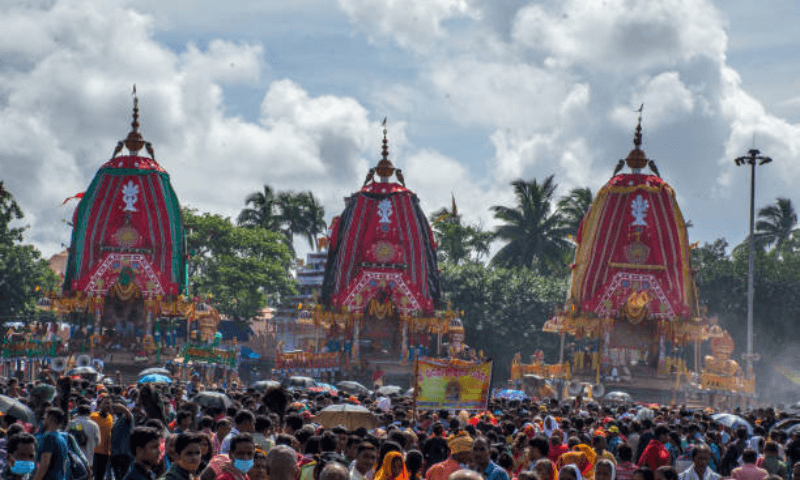
Temple fairs in India are more than religious congregations: they are living and breathing expressions of history, faith, and community life. Held annually or cyclically around sacred temples, these fairs are a blend of rituals, music, markets, processions, and age-old traditions that unite entire towns into vibrant cultural spaces.
For travellers seeking a true spiritual and cultural immersion, temple fairs offer a far greater insight than monuments or museums can provide. Many culturally inclined visitors often combine these experiences with visits to the Best Art and Culture Museum In India, creating a balanced journey between living traditions and preserved heritage.
This curated list highlights 15 amazing temple fairs across India, spanning from the Himalayas to the southern shores. Each fair reflects regional beliefs, architectural heritage and community life – making them perfect anchors for thoughtfully planned journeys which go beyond conventional sightseeing. In fact, several of these celebrations are featured in curated Tours Fairs and Festivals In India, allowing travellers to witness rituals with deeper context and local guidance.
The largest religious gathering in the world, the Kumbh Mela, is all about ritual bathing at the confluence of sacred rivers. Millions of pilgrims, ascetics and seekers participate in well-timed bathing days believed to clean spiritual karma. Temporary cities spring up on the banks of rivers, complete with akharas, discourses and community kitchens.
Planning note: Dates are rotated by cities as per astrological calculations, and due to the scale of crowds, they require careful planning.
Held at the Jagannath Temple, Rath Yatra is the annual procession of Lord Jagannath, Balabhadra and Subhadra in huge wooden chariots. The scene of thousands of people pulling the chariots through Puri’s Grand Road is highly symbolic of divine accessibility where deities come out to meet devotees.
Local insight: The chariots are reconstructed every year, using traditional techniques – an art that is passed down from generation to generation.
Pushkar Fair is well-known around the world for its camel trading; it also holds high religious significance due to the Brahma Temple and sacred Pushkar Lake. Pilgrims make ritual offerings, while cultural performances, rural sports, and markets provide a rare combination of spirituality and folk life. For travellers exploring Rajasthan’s festive landscape, experiences like Fairs and Festivals Bikaner Camel Festival beautifully complement the atmosphere of Pushkar, showcasing the desert state’s vibrant community traditions.
One of the most spectacular temple festivals in South India, Thrissur Pooram is celebrated with huge processions of elephants, rhythmic percussion groups and competitive fireworks. Centered around Vadakkunnathan Temple, the event presents the Kerala style of temple arts at its best.
Best for: Culture-focused travellers and photographers.
Held on the confluence of the Ganges and Bay of Bengal, Gangasagar Mela attracts pilgrims who take a holy dip before offering prayers at Kapil Muni Temple. Despite adverse coastal conditions, the fair still draws people of faith from eastern India and beyond.
Dedicated to the Sun God, Chhath Puja fairs are held along the riverbanks as well as in front of temples. Devotees perform strict rituals over four days and offer prayers at sunrise and sunset. The fairs associated with these events include local food, crafts, and devotional music.
This unique fair is in honour of the annual menstrual cycle of Goddess Kamakhya, who symbolizes fertility and creation. During this period, the temple is closed and reopens with rituals and gatherings of tantric practitioners and devotees.
Note: The fair breaks conventional religious narratives and echoes the deep-rooted Shakti traditions.
One of the oldest fairs in Asia, Sonepur Mela is organised near the Harihar Nath Temple situated at the confluence of the Ganga and Gandak rivers. Historically a cattle fair, it is now a mixture of religious rituals, rural commerce, and folk entertainment.
Celebrated by the Bhil tribal community, the Baneshwar Fair revolves around the Baneshwar Mahadev Temple. The fair is a mix of Shaivite worship, tribal dances, music, and rituals, and provides insight into the indigenous belief systems.
Associated with the Chandi Devi Temple, Nauchandi Fair is a religious and commercial fair. Traders, artisans and performers gather here and it is a vibrant reflection of the socio-cultural fabric of western Uttar Pradesh.
Recognized as one of the largest tribal gatherings in the world, Medaram Jatara is dedicated to commemorating Sammakka and Saralamma. Devotees take a trek to the forests to reach the shrine and offer jaggery and prayers following a strong tribal tradition.
This temple fair is famous for its elaborate “Kettukazhcha” structures – huge structures of decorations carried in procession. The intrinsic ritual of the Bharani festival and the community participation are hallmarks of Kerala’s temple culture.
Held every two years at the Udupi Krishna Temple, Paryaya is the ceremonial transfer of administration of the temple among eight monasteries. The event includes processions, cultural performances and philosophical discourses.
Celebrated all over India, the temple fairs on the day of Makar Sankranti are attended by devotees who come for the spiritual merit of getting holy dips and offerings. In Haridwar, the ghats become centers of devotion and celebration.
At Meenakshi Temple, Teppotsavam has deities carried on floats decorated with great care on a tank in the temple. The fair atmosphere comprises music, lamps and rituals that make the temple complex glow like a visual feast. South India’s temple heritage, including marvels like Brihadeeswara Temple a Shadowless Temple in South India, further enriches such festival journeys with architectural brilliance and spiritual depth.
Temple fairs are layered experiences – ritual for the faithful, visual magnificence for the observer and cultural narrative for the curious. They are perfect inclusions in cultural travel packages, especially for those travellers who wish to understand India beyond the cultural highlights found in guidebooks.
For those looking to make some spiritually inspired journeys, many of these fairs are harmoniously woven into the curated pilgrimage tour packages, so that travellers can participate in the sacred events with logistics ease, as well as the guidance of context.
Related inspiration: You can explore the way that fairs complement heritage routes with well-thought-out itineraries like classical temple circuits or river-based spiritual journeys to South India featured throughout Memorable India’s travel collections.
Temple fairs are one of the most powerful expressions of Indian culture – one that is deeply rooted in devotion but alive with people. Experiencing even one can change the way you think about Indian spirituality, community, and tradition. Whether woven into a wider journey or planned as a standalone experience, these fairs provide moments of reflection that long remain after the crowds have dispersed.
If you’re looking for meaningful ways to experience India’s spiritual heartlands, curated journeys centered around temple fairs can provide a balance of depth and comfort – of old-world tradition and well-thought-out travel design.
What is the best time to attend temple fairs in India?
Most temple fairs are based on lunar calendars and religious dates, and hence timings change each year. However, the peak season usually occurs between October and March as weather conditions are favourable in most parts.
Are temple fairs suitable for first-time travellers to India?
Yes, many temple fairs are well-organised and friendly. Choosing guided routes or curated cultural journeys helps first-time travellers to understand rituals, manage crowds and navigate logistics comfortably.
How crowded are major temple fairs like Kumbh Mela or Rath Yatra?
Large-scale fairs can get millions of pilgrims and visitors over a few days. Crowd density is the greatest on auspicious bathing or procession days, so it is important to plan in advance and take some guidance from locals to make the experience more pleasant.
Can temple fairs be combined with sightseeing and heritage travel?
Absolutely. Many fairs are held near historic towns and sacred landscapes, making them ideal to combine with regional exploration, architecture trails and sightseeing circuits.
What should travellers keep in mind while visiting temple fairs?
Dress modestly, follow the rules of the temple, avoid peak hours and respect local customs. Try to keep cash, drinking water and making accommodation early in the day are also practical considerations.