 +919871148514
 info@memorableindia.com
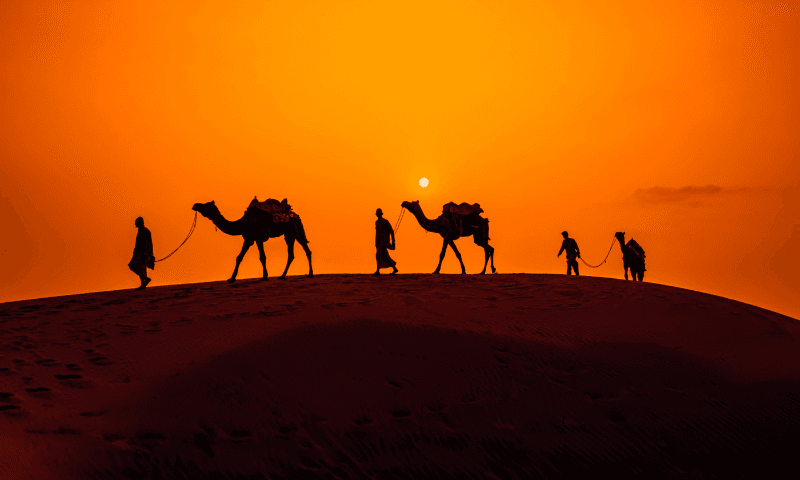
Most travellers racing through Rajasthan stick to the Jaipur, Jodhpur, and Jaisalmer circuit. Barmer rarely makes the shortlist, and that is precisely what keeps it interesting. Tucked into the western edge of the Thar Desert, roughly 220 kilometres south of Jaisalmer, this district town rewards travellers who are willing to trade polished tourist infrastructure for something raw and deeply rooted.
Barmer is not just another dot on the desert map. It is a working repository of Rajasthani folk traditions, where block printers still carve wooden stamps by hand, Manganiyar musicians perform songs passed through generations, and centuries-old temples sit quietly along dusty roads without a queue in sight. If you have been looking for a Rajasthan experience stripped of tourist veneer, this Barmer travel guide will help you plan a visit worth remembering.
Barmer sits in the heart of the Thar Desert belt, sharing its western boundary with Pakistan. The town takes its name from its founder, Bahada Rao Parmar, a Rajput ruler who established it around the 13th century. Earlier called Bahadamer, meaning the Hill Fort of Bahada, the settlement grew as a caravan town on ancient trade routes linking the subcontinent to Central Asia and beyond.
What separates Barmer from Rajasthan’s more visited desert towns is its unfiltered authenticity. Jaisalmer draws crowds with golden fort walls and well-organised camel safaris. Barmer, in contrast, offers something less curated but arguably more honest. The craft villages here do not operate for the benefit of tour buses. The artisans working with Ajrak prints, applique, and wood carving are continuing traditions because their families have done so for centuries. Travellers who value cultural immersion over Instagram spots will find Barmer quietly compelling.
The district is also a gateway to the Desert National Park, which extends across both Barmer and Jaisalmer territories, and the important pilgrimage site of Ramdevra, drawing devotees from across western Rajasthan and Gujarat.
Located about 35 kilometres away from Barmer town, the Kiradu temple complex is often called Rajasthan’s Khajuraho, though the comparison only scratches the surface. This cluster of five temples, built between the 11th and 12th centuries, showcases the Solanki style of architecture with remarkably detailed sculptures. The Someshvara Temple, dedicated to Lord Shiva, is the most intact and the most impressive of the group. Its exterior walls feature intricate carvings of deities, celestial figures, and ornamental patterns that rival anything you would find at more famous temple sites.
Kiradu remains relatively undiscovered, which means you can spend time studying these sculptures without competing for space. The site is managed by the Rajasthan State Archaeological Department, and the entry fee is nominal for Indian visitors.
Rawat Bhima built Barmer Fort in 1552 AD on a hillock at a height of about 676 feet. The hill itself rises to 1,383 feet, and two important religious sites sit along its slopes. The Jogmaya Devi temple crowns the hilltop, while the Nagnechi Mata temple occupies a spot at roughly 500 feet. Both temples come alive during the Navratri festival, drawing large local crowds. The climb to the fort offers panoramic views of the town and the surrounding arid landscape, and on a clear day, the desert stretches to the horizon in every direction.
Situated about 62 kilometres from Barmer on the road towards Jaisalmer, the Devka Sun Temple dates back to the 12th or 13th century. The hamlet of Devka also holds the ruins of two additional temples that house stone sculptures of Lord Ganesha. This site rewards travellers who enjoy architectural history without the crowds, and the drive through rural Rajasthan to reach it is an experience in itself, with mud houses decorated with folk motifs lining the route.
Ramdevra, located near Barmer, is one of western Rajasthan’s most important pilgrimage sites. The temple is dedicated to Baba Ramdevji, a 14th-century saint revered by Hindus and Muslims alike. The annual Ramdevra Fair, held around August or September, draws lakhs of devotees and features folk music, processions, and communal gatherings. Even outside the fair season, the temple complex has a calm, spiritually charged atmosphere and is worth a half-day visit.
Nakoda Jain Temple, about 110 kilometres from Barmer, is an important Jain pilgrimage site dedicated to Parshwanath. The Safed Akhara, a peaceful ashram and temple complex on the outskirts of town, houses shrines to Lord Shiva, Krishna and Radha, and Lord Hanuman, with peacocks roaming around its gardens. The Siwana Fort, about 40 kilometres away, is a 10th-century fortification with a history of withstanding multiple sieges and offers another glimpse into the martial heritage of western Rajasthan.
Barmer’s identity is inseparable from its handicrafts. The district has been a centre for textile arts and wood carving for centuries, and the crafts produced here are not mass-manufactured souvenirs. They are the output of skills refined across generations.
Ajrak is a traditional form of block printing that uses natural dyes and intricate geometric patterns. The process involves multiple stages of washing, dyeing, and printing, and producing a single Ajrak textile can take several days. The patterns typically feature deep indigo and crimson tones and carry symbolic meaning rooted in local culture. Barmer is one of the few places in India where Ajrak printing is still practiced by hand using carved wooden blocks. Visiting an Ajrak workshop here is not a staged demonstration but a window into a working craft tradition.
The appliqué work from Barmer involves cutting coloured fabric into shapes and stitching them onto a base cloth, often with mirror work and detailed embroidery layered on top. Bedspreads, wall hangings, cushion covers, and garments produced this way are vibrant and unmistakably Rajasthani. Local women in the villages surrounding Barmer town are the primary practitioners of this craft, and buying directly from artisan cooperatives or village workshops ensures both fair pricing and authenticity.
Barmer’s wood carvers produce furniture, decorative panels, and household items with deeply carved floral and geometric patterns. Much of this work uses locally sourced wood and follows design traditions that have been handed down within carving families. The town’s bazaars stock a range of carved items, from small decorative pieces to full furniture sets. For travellers interested in traditional Rajasthani craftsmanship, spending an hour or two watching carvers at work is one of the most rewarding things to do in Barmer.
Barmer is home to the Manganiyar community, one of Rajasthan’s most celebrated groups of folk musicians. The Manganiyars perform using traditional instruments like the kamaicha (a bowed string instrument), dholak, and khartal (wooden castanets), and their music is deeply connected to the rhythms of desert life. Their songs cover everything from seasonal celebrations to wedding rituals and spiritual devotion.
The Langha community, also based in the Barmer and Jaisalmer belt, specialises in a different but complementary musical tradition. Together, these two groups represent one of India’s richest living folk music cultures. If your visit coincides with the Barmer Thar Festival, typically held in March, you will hear performances that bring the desert to life with colour, sound, and energy. Outside festival season, local guesthouses and cultural centres can sometimes arrange smaller, more intimate performances.
Two festivals anchor Barmer’s cultural calendar and are worth planning a trip around.
The Mallinath Cattle Fair, held annually at Tilwara village about 55 kilometres from Barmer, is one of Rajasthan’s largest livestock fairs. Named after Rawal Mallinath, the founder of the Mallani region, the fair brings together herders, traders, and villagers for cattle trading, camel races, folk music, and traditional craft displays. It runs for about two weeks, usually between March and April, and offers one of the most authentic rural Rajasthan experiences available anywhere.
The Barmer Thar Festival, generally celebrated in March, showcases the best of local desert culture. Expect folk dance and music performances, camel processions, turban-tying competitions, and craft exhibitions. The festival is a condensed introduction to everything that makes Barmer distinctive and a good anchor for first-time visitors.
The ideal window for visiting Barmer is October through March. Daytime temperatures during this period range approximately between 15 and 28 degrees Celsius, making it comfortable for sightseeing, temple visits, and exploring craft villages on foot. December and January can bring cold desert nights, so layering is advisable.
Summers in Barmer are harsh. From April through June, temperatures routinely exceed 45 degrees Celsius, and outdoor exploration becomes impractical. The monsoon months of July through September bring sporadic rain but high humidity, and some rural roads can become difficult to navigate. For the best combination of pleasant weather and cultural activity, plan your trip between November and February.
Barmer is accessible by road and rail from several major Rajasthan cities. The most common approach is from Jodhpur, which lies about 220 kilometres to the northeast and is connected to Barmer by both regular bus services and train routes. Jodhpur Airport is the nearest commercial airport, and from there, a drive to Barmer takes approximately four hours.
Barmer Railway Station connects to Jodhpur, Jaipur, and other major cities across Rajasthan and Gujarat. For travellers already on a Rajasthan circuit, Barmer fits naturally as a stopover between Jaisalmer and Jodhpur. If you are arriving from Jaisalmer, the distance is about 153 kilometres, and the drive takes roughly three hours through open desert terrain.
Barmer does not have the luxury heritage hotel scene that Jaipur or Udaipur offers, and that is part of its charm. Accommodation options range from government-run guesthouses to mid-range hotels and a handful of homestays in the surrounding villages. For travellers who prefer immersive stays, village homestays near craft clusters offer a rare chance to live alongside artisan families.
Barmer’s cuisine reflects its arid climate and pastoral traditions. Expect dishes built around millet (bajra), lentils, dried vegetables, and dairy. Ker sangri, a dish made from desert beans and berries, is a regional speciality you should try. Bajra roti with garlic chutney and buttermilk is a staple that tastes best when eaten in the simplest settings. The food here is not elaborate, but it is flavourful and honest.
Barmer requires a slightly different approach than Rajasthan’s mainstream tourist destinations. Here are a few things that will make your visit smoother:
Barmer works best as part of a broader Rajasthan itinerary, particularly one that includes Jaisalmer and Jodhpur. As a less commercialised destination, it benefits from the kind of local ground knowledge that a specialised tour operator can provide, from identifying the right craft villages to visit to arranging Manganiyar music performances that go beyond the usual tourist circuit.
Memorable India, with two decades of experience in curating customised travel across India, designs itineraries that include offbeat destinations like Barmer alongside Rajasthan’s iconic highlights. With personalised planning, 24/7 on-trip support, and a commitment to responsible travel that includes a donation to the Blind Welfare Society in Delhi with every booking, the team ensures that your experience is both well-organised and meaningful.
If a trip to Barmer’s craft villages, desert temples, and folk music traditions sounds like the kind of Rajasthan experience you have been looking for, reach out to the team at Memorable India to start planning.
Barmer is famous for its traditional handicrafts, especially Ajrak block printing, applique embroidery, and wood carving. The town is also known for the Kiradu Temples, Manganiyar folk music, the Mallinath Cattle Fair, and its location within the Thar Desert, making it a culturally rich offbeat destination in Rajasthan.
Barmer is about 153 kilometres from Jaisalmer (roughly three hours by road) and about 220 kilometres from Jodhpur (roughly four hours by road). Regular bus services and trains connect all three cities. Jodhpur Airport is the nearest commercial airport to Barmer.
The best time to visit Barmer is between October and March, when temperatures are comfortable for sightseeing and outdoor activities. December and January offer the coolest weather but require warm layers for chilly desert evenings. Summers (April to June) are extremely hot and not recommended for travel.
Ajrak printed textiles, applique bedspreads and wall hangings, embroidered garments with mirror work, carved wooden furniture and decorative items, and hand-knotted woollen carpets are the most sought-after crafts from Barmer. Buying directly from artisan workshops ensures authenticity and fair pricing.
Yes. The Kiradu temple complex, about 35 kilometres from Barmer, features five temples built in the Solanki architectural style between the 11th and 12th centuries. The Someshvara Temple is particularly impressive with its detailed stone carvings. The site receives relatively few visitors, allowing for a quiet, unhurried experience.
Barmer fits well into a Rajasthan circuit that includes Jaisalmer and Jodhpur. It can be visited as a day trip from either city or as a dedicated overnight stop. A customised itinerary from a tour operator like Memorable India can help integrate Barmer’s cultural highlights into a larger Rajasthan journey seamlessly.
15 Amazing Temple Fairs in India: A Traveller’s Guide to Faith, Colour and Living Tradition
30 Sep 2026
13 Best Places to Explore in the Youngest State of Telangana
29 Sep 2026
12 Less Explored Destinations in Maharashtra Worth Adding to Your Travel List
28 Sep 2026
11 Must-Visit Museums in India for Wildlife Lovers
27 Sep 2026
11 Best Places in India to Celebrate Christmas
26 Sep 2026


