 +919871148514
 info@memorableindia.com
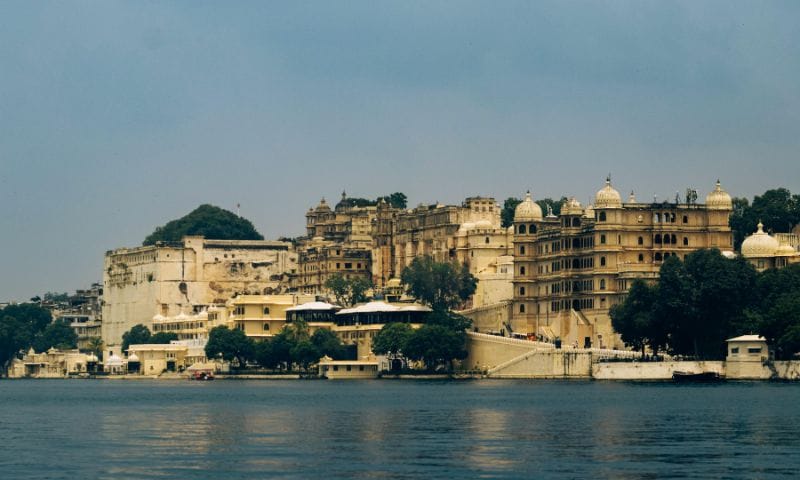
North India compresses an extraordinary amount of history, architecture, and cultural variety into a relatively compact geography. Delhi, Agra, and Jaipur sit within a triangle where no side exceeds 280 kilometres. Rishikesh and Haridwar are a morning’s drive from the capital. Amritsar, Chandigarh, and Mathura are each reachable within a single day from major transit points. This density is what makes North India one of the best regions in the country for day trips and single-day sightseeing circuits.
The advantage of a well-planned day trip is efficiency: you see the essential landmarks, absorb the character of a place, and return to your base without the overhead of overnight accommodation and luggage. The disadvantage, of course, is time. A day trip demands a clear itinerary, early starts, and the discipline to skip the less essential in favour of the unmissable. This guide covers eight of the best sightseeing options for day trips in North India, each with a practical route, key stops, and the details you need to make the most of a single day. For travellers who prefer a guided, end-to-end experience, our Delhi day tour packages and other city-specific itineraries handle logistics, transport, and expert commentary, leaving you free to focus on the sights.
A full-day Delhi sightseeing circuit can cover both the Mughal-era old city and the colonial-modern new city if the itinerary is structured well. Start in Old Delhi with the Red Fort (Lal Qila), the sandstone fortress that served as the Mughal capital from 1648. The Jama Masjid, India’s largest mosque, is a five-minute walk away and offers rooftop views across the old city’s rooflines. A walk through the narrow lanes of Chandni Chowk, one of Asia’s oldest and busiest markets, adds street food, spice merchants, and textile shops to the morning.
After lunch, shift south to New Delhi. Humayun’s Tomb, a UNESCO World Heritage Site and the architectural precursor to the Taj Mahal, deserves at least 45 minutes. Qutub Minar, the 73-metre sandstone tower built in the 12th century, is another UNESCO-listed stop. India Gate, Rashtrapati Bhavan (the Presidential residence), and the Rajpath corridor round off the afternoon with the ceremonial face of the capital. If time permits, Bangla Sahib Gurudwara and Lotus Temple add spiritual and architectural dimensions respectively. An air-conditioned vehicle and a knowledgeable guide make the difference between a frantic day and a well-paced one.
The Delhi-to-Agra day trip is one of the most popular sightseeing routes in India, and for good reason. The Yamuna Expressway has reduced the drive to roughly three to three-and-a-half hours each way, making a sunrise-to-sunset Agra visit practical. The Taj Mahal is the centrepiece, and arriving by 9 or 10 AM gives you the best light and the smallest crowds. Allow at least 90 minutes inside the complex. Note that the Taj Mahal is closed on Fridays. Agra Fort, a UNESCO World Heritage Site on the banks of the Yamuna, is about three kilometres from the Taj and covers Mughal royal architecture from Akbar through Shah Jahan. The fort’s Diwan-i-Khas, Sheesh Mahal, and views of the Taj from Shah Jahan’s imprisonment quarters are highlights. If time allows, Itmad-ud-Daulah (the ‘Baby Taj’) adds a smaller, exquisitely detailed Mughal tomb to the day. For a detailed breakdown of what to prioritise, our guide on best places to visit in Agra covers all 15 major sites. The same-day Delhi Agra tour package includes air-conditioned transport, an English-speaking guide, and a structured itinerary.
Jaipur is dense enough with sightseeing that a single day can feel short, but a focused itinerary covers the essentials. Begin with Amer Fort (about 11 kilometres from the city centre), a sprawling hilltop fortress with courtyards, mirror halls, and views over Maota Lake. The drive up passes the Jal Mahal (Water Palace), which sits in the middle of Man Sagar Lake and is worth a brief photo stop. Back in the city, Hawa Mahal (the Palace of Winds) is the most recognisable facade in Jaipur, with its 953 small windows designed to allow royal women to observe street life without being seen. The City Palace, which is still partly occupied by the royal family, houses museums of textiles, arms, and manuscripts. Jantar Mantar, the 18th-century astronomical observatory and UNESCO World Heritage Site, is next door and contains functioning instruments including the world’s largest stone sundial. Close the day with a walk through Johari Bazaar or Bapu Bazaar for gems, textiles, and block-printed fabrics. A Jaipur day tour with a guided itinerary ensures you navigate the city efficiently without wasting time on logistics.
Haridwar and Rishikesh, about 220 and 245 kilometres from Delhi respectively, can be combined into a single day trip with an early start (5 or 6 AM departure). Haridwar’s primary draw is Har Ki Pauri, the main ghat on the Ganges, where the evening Ganga Aarti ceremony draws thousands of devotees and visitors. The ceremony involves fire, chanting, and floating oil lamps on the river, and is one of the most visually and spiritually powerful rituals in North India. Mansa Devi Temple, accessible by cable car, sits on a Shivalik hilltop above the city and offers panoramic views. Rishikesh, about 25 kilometres upstream, is known globally as a yoga and spiritual centre. Laxman Jhula and Ram Jhula, the two iconic suspension bridges over the Ganges, are the main landmarks. The Beatles Ashram (Maharishi Mahesh Yogi Ashram), where the band stayed in 1968, is now a graffiti-covered cultural relic open to visitors. Parmarth Niketan hosts its own evening aarti on the riverside. Our Rishikesh travel guide covers activity options, access details, and planning tips for first-time visitors.
Amritsar is reachable from Delhi by a morning Shatabdi train (about five hours) or a short flight (one hour), making a day trip feasible with early planning. The Golden Temple (Harmandir Sahib) is the spiritual heart of Sikhism and one of the most visited religious sites in the world. The temple sits in the centre of a sacred pool (Amrit Sarovar), and the reflection of the gilded structure in the water is one of the defining images of North India. The langar (community kitchen) at the Golden Temple feeds an estimated 50,000 to 100,000 people daily, and visitors are welcome to participate. Jallianwala Bagh, a five-minute walk away, preserves the site of the 1919 massacre with bullet holes still visible in the walls and a memorial well. The Wagah Border ceremony, about 30 kilometres from the city, takes place every evening at sunset and features a synchronised flag-lowering ritual between Indian and Pakistani soldiers that draws large crowds. Arrive at least an hour early for seating. For more depth on what to see around the Golden Temple, our blog on places to visit near the Golden Temple covers 15 nearby attractions including the Partition Museum and Gobindgarh Fort.
Mathura, the birthplace of Lord Krishna, and Vrindavan, the town associated with his childhood, sit about 160 kilometres from Delhi and 60 kilometres from Agra, making them accessible as a day trip from either city. The Shri Krishna Janmabhoomi Temple in Mathura marks the traditional site of Krishna’s birth, and the adjacent Keshav Dev Temple complex draws pilgrims year-round. The ghats along the Yamuna River in Mathura, particularly Vishram Ghat, are atmospheric at sunset.
Vrindavan, about 15 kilometres from Mathura, has over 5,000 temples. The key stops for a day visit are Banke Bihari Temple (the most crowded and vibrant), ISKCON Temple (one of the largest in India), Prem Mandir (a newer marble temple illuminated at night), and Radha Raman Temple (a 16th-century shrine with significant historical value). The Holi festival in Mathura and Vrindavan, celebrated with coloured powders and water, is one of the most famous cultural events in India and draws visitors from around the world. This route pairs naturally with a broader Golden Triangle trip, and our Golden Triangle tour packages can be extended to include a Mathura-Vrindavan leg.
Chandigarh, the planned city designed by Le Corbusier in the 1950s, is about 250 kilometres from Delhi (four to five hours by road or the Shatabdi Express). Unlike most North Indian cities, Chandigarh was built from scratch as a modernist experiment, and its grid layout, sector system, and concrete government buildings make it architecturally unique.
The Capitol Complex, a UNESCO World Heritage Site, includes the High Court, Secretariat, and Legislative Assembly buildings designed by Le Corbusier and is the city’s most significant architectural landmark. The Rock Garden, created by artist Nek Chand entirely from recycled materials (broken ceramics, electrical waste, glass bottles), spans 40 acres and is one of the most visited public art installations in India. Sukhna Lake, an artificial reservoir at the foothills of the Shivaliks, is the place for a late-afternoon walk or pedal boat ride. Rose Garden (Zakir Hussain Rose Garden), claimed to be Asia’s largest rose garden, adds a botanical stop during February to March when the roses are in full bloom. For travellers using Chandigarh as a base, it also serves as the gateway to Shimla (about 115 kilometres further) and the broader Himachal circuit.
Fatehpur Sikri, about 37 kilometres from Agra, is a red sandstone ghost city built by Mughal Emperor Akbar in 1571 and abandoned less than 15 years later, reportedly due to water scarcity. The entire complex is a UNESCO World Heritage Site and is among the best-preserved examples of Mughal urban planning in India.
The Buland Darwaza (Gate of Magnificence), standing 54 metres high, is the tallest gateway in Asia. The Jama Masjid within the complex is one of the largest mosques in India. The Tomb of Salim Chishti, a white marble shrine within the mosque courtyard, features some of the finest jali (lattice screen) carving in Mughal architecture. The Panch Mahal, a five-storey pillared structure, and Diwan-i-Khas (Hall of Private Audience) are architectural highlights that reflect Akbar’s syncretic cultural vision. Fatehpur Sikri works best as a morning side trip from Agra (about 45 minutes by car) or as a stopover on the Agra-to-Jaipur road, which is a standard routing on the Golden Triangle circuit.
Shimla is about 115 kilometres from Chandigarh and can be reached in roughly four hours by road or, more memorably, via the Kalka-Shimla Heritage Railway, a UNESCO-listed narrow-gauge line that takes about five to six hours and passes through 102 tunnels and over 800 bridges. The railway journey itself is a sightseeing experience. For travellers based in Chandigarh or arriving from Delhi (which connects to Kalka by train), a day trip to Shimla covers Mall Road (the main pedestrian promenade), the Ridge (an open space with views of the surrounding mountains), Christ Church (one of the oldest churches in North India), and Jakhoo Temple (the highest point in Shimla, with panoramic views). A visit to the Indian Institute of Advanced Study, housed in the former Viceregal Lodge, adds a colonial-history dimension. The return by road in the evening completes a full-day circuit. For more hill station comparisons, our guide on hill stations near Delhi covers accessibility, activities, and seasonal advice for ten destinations.
Start early. Almost every day trip route in this guide benefits from a 5 to 7 AM departure. Morning light is best for photography at monuments, crowds are smaller before 10 AM, and an early start gives you buffer time for traffic, which is a real factor on routes like Delhi-Agra and Delhi-Jaipur.
Prioritise ruthlessly. A day trip is not the time to see everything. Pick three to five key stops and give each enough time for a genuine experience. Rushing through six monuments in eight hours produces photographs but not memories.
Use air-conditioned transport. North Indian summers regularly cross 40 degrees Celsius in the plains, and even in the October-to-March comfort window, intercity drives of three to five hours are more pleasant in a well-maintained vehicle. Working with a tour operator who provides private vehicles, experienced drivers, and guide services removes the logistical load entirely. To plan a customised day trip or multi-day sightseeing itinerary across North India, get in touch with our travel specialists for tailored options built around your schedule, interests, and group size.
North India’s greatest asset for the time-pressed traveller is proximity. The Taj Mahal is a morning’s drive from the capital. The Golden Temple is a short flight away. The Ganges aarti at Haridwar and the Mughal ghost city of Fatehpur Sikri are both reachable and returnable within daylight hours. The eight sightseeing routes in this guide cover heritage, spirituality, architecture, and natural beauty, and each one delivers a full day’s worth of impressions without requiring an overnight stay. The key to a successful day trip in North India is clarity about what you want to see, a realistic itinerary, and reliable transport. Get those three right, and a single day can hold more than you expect.
Q: What are the best sightseeing options for day trips in North India?
A: The best day trip options in North India include a full-day Delhi sightseeing circuit, a same-day Agra trip from Delhi (Taj Mahal, Agra Fort, Itmad-ud-Daulah), Jaipur’s forts and palaces, a Haridwar-Rishikesh spiritual tour, Amritsar’s Golden Temple and Wagah Border, Mathura-Vrindavan’s temple circuit, Chandigarh’s modernist architecture and gardens, and Fatehpur Sikri’s Mughal heritage complex.
Q: Can you visit Agra and return to Delhi in a single day?
A: Yes. The Yamuna Expressway connects Delhi and Agra in roughly three to three-and-a-half hours each way. With a 6 AM departure, you can comfortably visit the Taj Mahal, Agra Fort, and one additional site before returning to Delhi by evening. Note that the Taj Mahal is closed on Fridays.
Q: Is a day trip to Amritsar from Delhi possible?
A: A day trip is tight but feasible by air. The Delhi-to-Amritsar flight takes about one hour. With an early morning flight and a late evening return, you can cover the Golden Temple, Jallianwala Bagh, and the Wagah Border ceremony. By train (five hours each way), an overnight option is more practical.
Q: What is the best time of year for day trips in North India?
A: October to March offers the most comfortable weather for sightseeing across the plains (Delhi, Agra, Jaipur, Amritsar). April to June is hot but still viable with air-conditioned transport and early morning starts. July to September brings monsoon rain, which can disrupt road travel but also means fewer crowds at major sites.
Q: Can Haridwar and Rishikesh be covered in a single day from Delhi?
A: Yes, with an early start (5 to 6 AM departure from Delhi). The drive is about four to five hours each way. A structured itinerary can cover Har Ki Pauri and Mansa Devi Temple in Haridwar, followed by Laxman Jhula, Ram Jhula, and the evening aarti in Rishikesh, returning to Delhi by late night.
Q: How should I choose between day trips if I only have a few days in North India?
A: Prioritise based on interest. For Mughal heritage, choose Agra and Fatehpur Sikri. For spiritual experiences, choose Haridwar-Rishikesh or Amritsar. For a broad cultural overview, the Jaipur day trip combines forts, palaces, observatories, and bazaars in one city. For modernist architecture and gardens, Chandigarh is unique. Combining Delhi sightseeing with one intercity day trip (Agra or Jaipur) gives the best value for limited time.
Top 7 South Indian Temples Known for Their Architectural Beauty
16 Oct 2026
What to Expect On Your Dream Alleppey Houseboat Trip
15 Oct 2026
12 Top Tourist Destinations in Jammu and Kashmir for a Memorable 2026 Trip
13 Oct 2026
12 Tips to Remember Before Holidaying in the Northeast Indian States
11 Oct 2026
An Aesthetic Guide for Kerala Tour: Backwaters, Tea Hills and Coastal Light
11 Oct 2026


