 +919871148514
 info@memorableindia.com
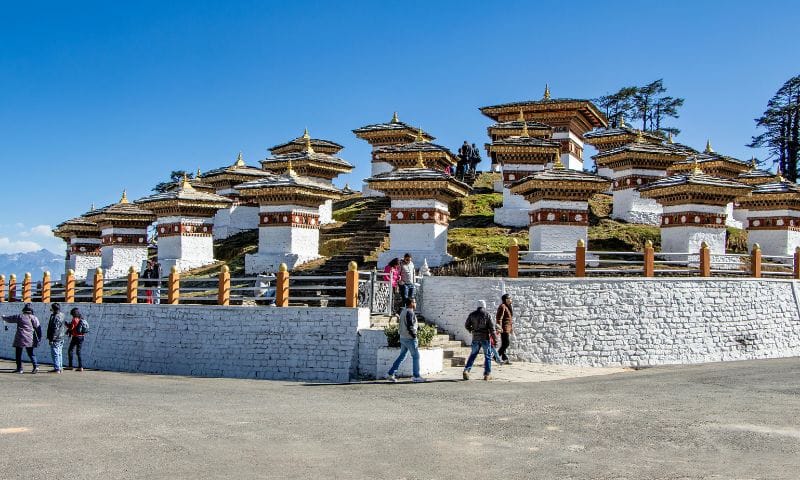
In most countries, religion is something practised in designated buildings at designated times. In Bhutan, it is the organising principle of public life. Prayer flags line every mountain pass. Prayer wheels spin at every bridge and road junction. Monks walk through Thimphu’s streets in maroon robes at midday, and every major government building doubles as a functioning monastery. Bhutan is not a country with pilgrimage sites scattered across it. It is, in a very real sense, one continuous pilgrimage site.
This distinction matters for travellers approaching Bhutan with a spiritual intent. Unlike destinations where sacred sites compete with nightlife and shopping districts for attention, Bhutan’s entire infrastructure, from its architecture to its national policy of Gross National Happiness, is aligned with the values that draw pilgrims in the first place: mindfulness, compassion, simplicity, and reverence for the natural world. This guide maps the key pilgrimage sites across Bhutan’s four most spiritually significant regions, from the cliff-face monasteries of Paro to the ancient temple valleys of Bumthang, with practical details for planning a trip that goes beyond sightseeing into genuine spiritual engagement. For those interested in connecting a Bhutan pilgrimage with sacred Buddhist sites in India, our Buddhist pilgrimage tour packages cover the major Indian circuit from Bodh Gaya to Sarnath and can be extended to include Bhutan.
Bhutan is the only country in the world that has maintained Vajrayana Buddhism as its state religion without interruption since the 8th century, when Guru Rinpoche (Padmasambhava) is believed to have brought tantric Buddhism to the region. The country was never colonised, which means its religious institutions, monastic traditions, and sacred architecture have survived intact through centuries of change elsewhere in the Himalayan world. The dzong system, unique to Bhutan, combines monastic and administrative functions in a single fortified complex, meaning that governance and spiritual practice are physically inseparable.
Bhutan also measures national progress through the Gross National Happiness index rather than GDP, and one of the index’s four pillars is the preservation and promotion of cultural and spiritual values. This is not a tourism slogan. It is embedded in the constitution. The result, for the pilgrim, is a country where the sacred is not a curated experience but the default atmosphere. Temples are not museums. They are functioning houses of worship where monks chant daily, butter lamps burn continuously, and local devotees arrive with offerings of rice, flowers, and incense as part of ordinary life.
Paro Taktsang is the defining image of Bhutan and its most important pilgrimage site. The monastery clings to a cliff face at 3,120 metres, roughly 900 metres above the Paro Valley floor, and is built around the cave where Guru Rinpoche is believed to have meditated for three months in the 8th century after flying to the site on the back of a tigress. The current monastery structure dates to 1692, though it was severely damaged by fire in 1998 and meticulously restored.
The hike to Taktsang takes four to six hours round trip and passes through blue pine forest. The trail is itself a form of pilgrimage, with prayer flags marking the path and a small cafeteria at the midway point offering views of the monastery across the gorge. Inside, the temple rooms are small and atmospheric, lit by butter lamps and scented with juniper. Photography is not permitted, which preserves the stillness. For pilgrims, the experience is cumulative: the physical effort of the climb, the visual revelation of the monastery on the cliff, and the meditative quiet inside the shrine rooms combine into something that most visitors describe as genuinely transformative. Our 5 Days Thimphu Paro Bhutan holiday tour package includes the Tiger’s Nest hike as a centrepiece of the itinerary.
Kyichu Lhakhang, in the Paro Valley, is one of the oldest temples in Bhutan, founded in 659 CE by Tibetan King Songtsen Gampo. According to tradition, it is one of 108 temples the king built across the Himalayan region in a single day to pin down a giant demoness who was obstructing the spread of Buddhism. The original temple, Jowo Lhakhang, houses a revered statue of Jowo Jampa (Maitreya, the future Buddha). A second temple was added in the 19th century by Ashi Kesang, the queen grandmother of Bhutan. The courtyard holds an orange tree said to bear fruit year-round, which pilgrims consider auspicious. Kyichu Lhakhang is a functioning temple with daily prayers, and the atmosphere is one of intimate, living devotion rather than monumental grandeur.
Thimphu holds several sites of pilgrimage significance within a compact geography. The National Memorial Chorten, built in 1974 in memory of Bhutan’s third king, is a large white stupa where locals gather daily to circumambulate, spin prayer wheels, and recite mantras. It is one of the most active spiritual sites in the capital. Tashichho Dzong, the seat of government and the summer residence of the central monastic body, is open to visitors in the evening and during the annual Thimphu Tsechu. The dzong’s architecture, with whitewashed walls, gilded roofs, and ornate woodwork, is a direct expression of the inseparability of political and spiritual authority in Bhutan. For those seeking a deeper spiritual experience, Cheri Monastery (Chagri Dorjeden), about 15 kilometres north of Thimphu, is where Zhabdrung Ngawang Namgyal established the first monastic school in 1620. A 45-minute hike through forest leads to the monastery, which remains a functioning meditation centre. Tango Monastery, nearby, is another active retreat centre accessible by a moderate uphill walk. Both are peaceful, uncrowded, and far removed from the city’s energy. For a fuller picture of what to see in the capital, our guide on places to visit in Thimphu covers ten sites including Wangditse Monastery and Simtokha Dzong.
Punakha Dzong, built in 1637 at the confluence of the Pho Chhu and Mo Chhu rivers, is the second oldest and second largest dzong in Bhutan. It served as the country’s capital and seat of government until 1955, and it remains the winter residence of the central monastic body. For pilgrims, the dzong’s interior holds some of the finest Buddhist murals, thangka paintings, and sacred relics in Bhutan, including the preserved body of Zhabdrung Ngawang Namgyal, the founder of the Bhutanese state. The annual Punakha Tsechu, held in February or March, features masked dances performed by monks in the dzong’s courtyards and is one of the most spiritually significant festivals in the country.
Chimi Lhakhang, a short walk through rice paddies from the road near Lobesa, is a 15th-century temple dedicated to Lama Drukpa Kunley, one of Bhutan’s most beloved and unconventional saints. Known as the ‘Divine Madman’ for his rejection of monastic formality, Drukpa Kunley used humour, irreverence, and unconventional methods to teach Buddhist principles. The temple is known as a fertility shrine, and couples seeking blessings for children visit from across the country and beyond. The walk to Chimi Lhakhang through village farmland and paddy fields is itself a meditative experience, and the temple’s atmosphere is warm, informal, and deeply human.
Bumthang, in central Bhutan, is the region most closely associated with the arrival and spread of Buddhism in the country. The valley system (comprising Chokhor, Tang, Ura, and Chumey) holds the highest concentration of ancient temples and sacred sites in Bhutan, many of them directly linked to Guru Rinpoche’s 8th-century visit. Jambay Lhakhang, built in 659 CE by King Songtsen Gampo (the same year and purpose as Kyichu Lhakhang in Paro), is one of the oldest temples in Bhutan and hosts the annual Jambay Lhakhang Drup festival in October, known for its sacred fire ceremony (Mewang) and the rare Tercham naked dance, performed at midnight to bestow blessings. Kurje Lhakhang, named after the body imprint (kurjey) of Guru Rinpoche preserved in rock inside the oldest of its three temples, is one of the most sacred pilgrimage sites in Bhutan. The remains of Bhutan’s first three kings are interred in the complex, and the annual Kurje Tsechu in June features the unfurling of a giant thongdrol (thangka) believed to grant liberation through sight. Tamzhing Monastery, founded in the 16th century by the great treasure revealer Pema Lingpa, preserves rare original murals depicting Buddhist deities and is an important centre of the Nyingma tradition. Mebar Tsho (the Burning Lake), a short drive from the main valley, is where Pema Lingpa is believed to have retrieved sacred texts and relics from the water while holding a burning lamp, proving his authenticity as a tertoen (treasure discoverer). Pilgrims visit to circumambulate the lake and make offerings. For travellers drawn to the lesser-known spiritual side of Bhutan, our blog on hidden monasteries of Bhutan covers retreats in Lhuentse, Punakha, and remote eastern regions.
Tsechus are annual religious festivals held in dzongs and monasteries across Bhutan, and attending one is the most immersive way to experience Bhutan’s living spiritual culture. The festivals feature cham dances, masked and costumed performances by monks and laypeople that depict episodes from Buddhist teachings, moral parables, and the life of Guru Rinpoche. Each dance carries specific spiritual meaning, and witnessing them is considered an act of merit.
The major tsechus run from one to five days and attract thousands of Bhutanese dressed in their finest traditional clothing. The Paro Tsechu (March or April), Thimphu Tsechu (September or October), Punakha Tsechu (February or March), and the Jambay Lhakhang Drup in Bumthang (October) are the most significant. The climax of many tsechus is the unfurling of a thongdrol, a massive silk applique thangka displayed at dawn, which is believed to grant spiritual liberation to all who see it. Timing a pilgrimage around a tsechu adds a dimension of communal devotion and cultural spectacle that no amount of temple visiting alone can replicate.
The best seasons for a Bhutan pilgrimage are spring (March to May) and autumn (September to November). Spring brings rhododendron blooms and several major tsechu festivals, while autumn offers the clearest mountain views and comfortable temperatures. Winter (December to February) is cold but uncrowded, and the Punakha Tsechu falls in this window.
Indian nationals do not require a visa and can enter Bhutan with a valid passport or Voter ID at Paro Airport or the Phuentsholing land border. International visitors must book through a licensed tour operator and pay the Sustainable Development Fee of USD 100 per person per night. All visitors benefit from working with an experienced operator who understands the logistics of reaching remote temples, securing permits for restricted areas, and timing itineraries around festival dates. The Paro-to-Bumthang route requires either a domestic flight or a full-day drive, and accommodation in Bumthang is limited, so advance booking is essential during festival periods. For travellers interested in combining Bhutan with a broader spiritual circuit through the Himalayas, our India and Nepal tour package can be customised to include a Bhutan leg, creating a three-country pilgrimage itinerary covering Bodh Gaya, Lumbini, and the sacred valleys of Bhutan.
A few etiquette points matter at Bhutanese sacred sites. Dress modestly (shoulders and knees covered). Remove shoes before entering temple halls. Walk clockwise around stupas, chortens, and mani walls. Ask permission before photographing monks or rituals. Refrain from touching religious objects unless invited. These are not rules imposed on tourists; they are the norms observed by every Bhutanese devotee, and following them is a mark of respect that locals notice and appreciate.
Bhutan is not the only pilgrimage destination in the Himalayas. India has Bodh Gaya and Dharamsala. Nepal has Lumbini and Boudhanath. Tibet has Lhasa and Mount Kailash. What makes Bhutan different is completeness. The country has not separated its sacred spaces from its daily life. Temples are not roped off behind ticket counters. Monks do not perform for cameras. The government itself operates from within monastery walls. For the pilgrim, this means that a trip to Bhutan is not a visit to a series of holy sites. It is an immersion in a culture that has organised itself around the principles those sites represent. From the 7th-century stones of Kyichu Lhakhang to the cliff-face drama of Tiger’s Nest, from the fertility blessings at Chimi Lhakhang to the midnight fire ceremony at Jambay Lhakhang, Bhutan offers a pilgrimage experience that is continuous, authentic, and unlike anything else in the modern world. To begin planning your pilgrimage to Bhutan, get in touch with our travel specialists for a customised itinerary built around the sacred sites, festivals, and regions that matter most to you. For a broader first-timer overview of the country, our guide on must-visit places in Bhutan covers both spiritual and scenic highlights.
Q: Why is Bhutan considered the ultimate pilgrimage destination in the Himalayas?
A: Bhutan is the only Himalayan country that has maintained Vajrayana Buddhism as its uninterrupted state religion since the 8th century. Its temples, monasteries, and dzongs are not historical monuments but functioning spiritual institutions. The integration of Buddhist values into national policy, architecture, and daily life creates a pilgrimage atmosphere that extends beyond individual sacred sites to the country as a whole.
Q: What are the most important pilgrimage sites in Bhutan?
A: The key pilgrimage sites include Paro Taktsang (Tiger’s Nest Monastery), Kyichu Lhakhang in Paro, Punakha Dzong, Chimi Lhakhang in Punakha, and the Bumthang Valley temples: Jambay Lhakhang, Kurje Lhakhang, and Tamzhing Monastery. In Thimphu, the National Memorial Chorten, Cheri Monastery, and Tango Monastery are significant spiritual sites.
Q: When is the best time for a pilgrimage trip to Bhutan?
A: Spring (March to May) and autumn (September to November) are ideal. Major tsechu festivals, which are the most immersive spiritual events in Bhutan, fall in both seasons: the Paro Tsechu in March or April, the Thimphu Tsechu in September or October, and the Jambay Lhakhang Drup in Bumthang in October.
Q: Do Indian citizens need a visa to visit Bhutan for pilgrimage?
A: No. Indian nationals can enter Bhutan without a visa using a valid Indian passport or Voter ID card. Entry is permitted at Paro Airport and the Phuentsholing land border. Indian citizens are also exempt from the Sustainable Development Fee that applies to most other international visitors.
Q: How many days are recommended for a Bhutan pilgrimage?
A: A minimum of five days covers the primary sacred sites in Paro, Thimphu, and Punakha. Seven to ten days allow time for the Bumthang Valley, which holds Bhutan’s oldest and most spiritually significant temples. Timing the trip around a tsechu festival adds a communal worship dimension that enriches the pilgrimage experience.
Q: Can a Bhutan pilgrimage be combined with Buddhist sites in India and Nepal?
A: Yes. Bhutan pairs naturally with the Indian Buddhist circuit (Bodh Gaya, Sarnath, Kushinagar) and Lumbini in Nepal. Flights connect Paro with Delhi, Kolkata, Guwahati, and Kathmandu. A multi-country pilgrimage itinerary covering India, Nepal, and Bhutan can be arranged through an experienced tour operator for a comprehensive Himalayan spiritual journey.
A Family Trip to Uttarakhand, For the Love of Mountains!
27 Oct 2026
A Guide to Exquisite Indian Handicrafts and Where to Buy Them in India
26 Oct 2026
A Journey to Leh and Srinagar: Firsthand Travel Experience
25 Oct 2026
A Guide to Famous Temples in Himachal Pradesh
24 Oct 2026
9 Best Places to Visit in Lakshadweep, a Top Island Getaway in India
23 Oct 2026


