 +919871148514
 info@memorableindia.com
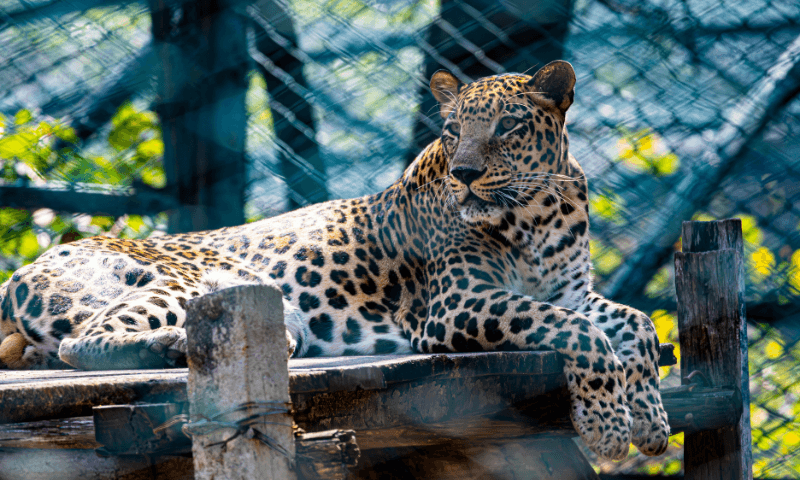
Roughly ten kilometres from the bustle of Jaipur’s old city bazaars, a stretch of dry deciduous forest hides one of India’s most concentrated leopard populations. Jhalana Leopard Safari Park, spread across the Aravalli foothills within the Jaipur city boundary, operates as the country’s first dedicated leopard reserve and has quietly become one of the most reliable places on the planet to observe these elusive cats in open terrain. That proximity to the city is what makes Jhalana genuinely unusual. You can leave your hotel after an early breakfast, spend two and a half hours inside the reserve aboard an open gypsy, and be back in time for lunch at a rooftop restaurant overlooking Hawa Mahal. No overnight stays in a forest lodge, no five-hour road transfers, no multi-day commitment. For wildlife enthusiasts short on time, families looking for a quick adventure, and photographers chasing that clean daylight leopard frame, Jhalana fills a gap that few other Indian wildlife destinations can.
This guide covers everything a first-time visitor needs to plan the trip: practical booking steps, safari zones, seasonal timing, what to carry, and how to build this experience into a broader Jaipur or Rajasthan itinerary.
The forested hills around Jhalana were once private hunting grounds for the royal family of Jaipur. Both tigers and leopards roamed the Aravalli scrublands freely, and the former ruling family maintained a three-storey hunting lodge, known as Shikaar Audhi, right in the heart of the jungle. The last tiger in this patch was shot in 1948, and over the decades that followed, tigers vanished entirely from the area.
Leopards, however, adapted. Their solitary nature, smaller territorial demands, and ability to coexist on the fringe of human settlements allowed them to persist even as Jaipur expanded around the forest. For years, these leopards lived in relative anonymity, known mainly to local forest officials and the occasional nature enthusiast. In 2016, the Rajasthan Forest Department opened the reserve for public safari tourism. A year later, in 2017, Jhalana was formally designated as a Leopard Conservation Reserve, making it the first of its kind in India. That recognition brought structured management, conservation funding, and a growing stream of visitors.
Today, the reserve spans roughly 20 to 23 square kilometres and is home to an estimated 35 to 40 leopards, including cubs. The Shikaar Audhi still stands within the reserve and can be spotted during the safari drive.
India offers several places to see leopards, from Jawai in southern Rajasthan to Bera and parts of the Western Ghats. What sets Jhalana apart is a combination of three things.
The reserve sits within the municipal boundary of Jaipur, approximately 10 to 12 kilometres from the railway station and close to the airport. This makes it one of the most accessible wildlife safari experiences in India. You do not need to plan a separate trip; the safari fits comfortably into even a two-day Jaipur itinerary.
With 35 to 40 leopards occupying a compact forest area, the density here is among the highest recorded anywhere for leopards in a natural setting. Because leopards are the apex predator in this habitat, with no tigers or larger carnivores to compete with, they tend to be more confident and visible during daylight hours. Many returning visitors report sightings within the first 15 to 20 minutes of entering the reserve.
Each safari lasts about two and a half hours, a timeframe that works well for families with children, older travellers, and anyone who does not want to spend an entire day inside a forest. The compact duration also means you can pair a morning safari with afternoon sightseeing elsewhere in Jaipur.
Travellers interested in broader wildlife experiences across Rajasthan can explore Memorable India’s wildlife tour packages, which cover reserves like Ranthambore and Sariska alongside cultural destinations.
Jhalana is divided into two safari zones, Zone 1 and Zone 2, each offering a different terrain experience. Zone allocation is not in the visitor’s control. The forest department assigns zones randomly on the day of the safari through an automated system, ensuring equal distribution of vehicles across both areas.
This zone is known for its waterholes, which attract leopards, spotted deer, and nilgai, particularly during the drier months. The terrain is relatively open in patches, giving photographers clearer lines of sight. Zone 1 is often cited as the more popular zone for leopard sightings, though both zones are productive.
Zone 2 has denser scrub cover and rockier outcrops. Leopards use the elevated terrain here for resting and denning. Sightings can be more dramatic in this zone, with leopards occasionally spotted on rock ledges or moving through the undergrowth at closer range.
Ten open jeeps (gypsies) are allowed entry per shift, each carrying up to six passengers along with a driver and a forest-appointed guide. The gypsies follow set tracks through the zone, stopping at known leopard movement corridors and waterholes. Silence is maintained throughout to improve the chances of sighting.
Beyond leopards, the reserve supports a healthy population of striped hyenas, jackals, desert foxes, Indian civets, jungle cats, porcupines, monitor lizards, blue bulls, spotted deer, sambar deer, wild boars, and multiple snake species. Bird enthusiasts will find over 200 recorded species, including Indian pittas, dusky eagles, spotted owlets, Indian rollers, and parakeets.
The winter months are the most comfortable for safaris and also yield the best sighting conditions. Cooler temperatures push leopards into more active behaviour during daylight hours, and reduced foliage improves visibility. November through February is particularly rewarding. This is also the busiest period, so advance booking is essential.
The reserve typically remains closed during the monsoon months for habitat regeneration and animal breeding cycles. Exact closure dates can vary year to year based on forest department announcements.
Temperatures in Jaipur can climb sharply during summer, making morning safaris the only practical option. On the positive side, animals concentrate around the remaining waterholes, which can lead to very close sightings. Tourist footfall drops significantly, meaning quieter safaris and easier booking.
Jhalana operates two safari shifts daily, one in the morning and one in the evening. Timings change seasonally.
From August to October, the morning shift runs approximately from 6:45 AM to 9:15 AM, and the evening shift from 3:45 PM to 6:15 PM. During winter months, timings shift slightly later in the morning and earlier in the evening to align with daylight. Visitors should confirm exact timings for their travel dates at the time of booking.
Booking is done online through the official Rajasthan wildlife tourism portal or through authorised private operators. The process is first-come, first-served, and slots for peak-season weekends can fill up weeks in advance. Key points to keep in mind when booking:
Full payment is required at the time of booking. A valid government-issued ID (Aadhaar card, passport, driving licence, or voter ID) is mandatory for every visitor. Confirmed bookings are non-refundable and non-transferable. Visitors must arrive at the boarding point at least 30 minutes before the safari departure time. The vehicle and zone are allocated on the day of the safari and cannot be pre-selected.
Half-day and full-day safari options are also available for visitors who want extended time in the reserve.
Jhalana Leopard Safari Park is located at Calgiri Marg, near Malviya Nagar Industrial Area, Jaipur, Rajasthan 302017. Its central location within Jaipur city makes access straightforward.
By air: Jaipur International Airport is the nearest airport, roughly 8 to 10 kilometres from the reserve entrance. A taxi from the airport takes about 20 to 25 minutes.
By train: Jaipur Junction, the city’s main railway station, is approximately 11 to 12 kilometres away. Auto-rickshaws, taxis, and app-based cabs are readily available from the station.
By road: Jaipur is well connected by national highways to Delhi (approximately 280 kilometres, five to six hours by road), Ajmer, Udaipur, and other Rajasthan cities. From Delhi, the Jaipur Highway (NH48) brings you directly to the city, and the reserve is accessible from multiple approach routes within Jaipur.
Visitors planning a Jaipur day tour that combines heritage sightseeing with a Jhalana safari can explore Memorable India’s Jaipur day tour options for a structured itinerary.
A Jhalana safari does not require specialised gear, but a few essentials make the experience smoother.
Carry a valid photo ID, as identity verification happens at the boarding point. Wear neutral-coloured clothing in earthy tones. Bright colours and perfumes can disturb wildlife. Binoculars are highly recommended, especially if you are not carrying a telephoto lens. A camera with at least a 200mm lens works well for wildlife photography in the reserve’s terrain. Sunscreen and a hat are essential for morning summer safaris. Water bottles and light snacks are useful, as there are limited refreshment options at the entry point. Maintain silence during the safari. The guides will signal when to stop and observe.
Plastic bags, loud music, and any form of feeding or approaching animals are strictly prohibited inside the reserve.
One of Jhalana’s biggest practical advantages is how easily it fits into a wider travel plan. A typical Golden Triangle itinerary covering Delhi, Agra, and Jaipur can comfortably include a morning or evening Jhalana safari during the Jaipur leg without altering the overall schedule.
For wildlife-focused travellers, Jhalana pairs particularly well with a Ranthambore tiger safari. Ranthambore is roughly four hours by road from Jaipur, and many visitors combine both destinations to experience India’s two most iconic big cats, the leopard and the tiger, within a single Rajasthan trip. Memorable India’s Ranthambore tour packages offer multi-day safari itineraries that can be extended to include a Jhalana stop.
Those interested in leopard-country comparisons may also consider a day trip to Sariska Tiger Reserve from Jaipur, which Memorable India offers as a same-day excursion.
Jhalana has earned a strong reputation among wildlife photographers for the quality of its leopard sighting conditions. Here are a few practical suggestions.
Morning safaris offer warmer, golden light that works beautifully for animal portraits. If your primary goal is photography, the morning shift is usually the better option. A fast telephoto lens in the 200 to 400mm range gives the most versatile coverage. Leopards can appear at varying distances, and a zoom range helps. Keep your ISO flexible. The dry deciduous forest can shift between dappled shade and open sunlight within the same drive. Watch for behaviour, not just presence. Leopards stretching, yawning, or interacting with cubs make far more compelling frames than a static animal at rest. Battery and memory card backup is non-negotiable. The gypsy vibrations and dusty conditions can drain the battery faster than expected.
Many photographers return to Jhalana multiple times across seasons. The summer months, when leopards converge at waterholes, offer some of the most dramatic close-range opportunities.
Jhalana’s transformation from a neglected forest patch to a globally recognised leopard habitat is one of Rajasthan’s quieter conservation achievements. The formal designation as a leopard reserve in 2017 brought structured patrol mechanisms, anti-poaching measures, and habitat management programmes under the Rajasthan Forest Department.
The introduction of regulated tourism also created economic incentives for local communities. Safari drivers, guides, and support staff are predominantly drawn from nearby areas, and the steady flow of visitors has boosted local hospitality and transport services. This economic linkage between conservation and community livelihood is what makes wildlife tourism sustainable in the long run.
Memorable India’s broader Rajasthan tour packages integrate wildlife destinations like Jhalana into responsible travel itineraries that balance heritage, culture, and nature.
Jhalana Leopard Safari Park offers something rare in Indian wildlife tourism: a genuine, well-managed wilderness experience within city limits. The leopards here are not habituated for tourism; they are wild animals living in a protected forest that happens to sit inside Jaipur’s urban footprint. That contrast, rugged Aravalli terrain against the backdrop of a modern city, is part of what makes Jhalana memorable.
For anyone visiting Jaipur and looking to add an experience beyond forts and palaces, a Jhalana safari is one of the most rewarding half-days you can spend.
Jhalana Leopard Safari Park is a protected leopard conservation reserve located within the city limits of Jaipur, Rajasthan. Spread across roughly 20 to 23 square kilometres in the Aravalli foothills, it is home to an estimated 35 to 40 leopards and was designated as India’s first leopard reserve in 2017. The reserve offers guided jeep safaris for visitors to observe leopards and other wildlife in their natural habitat.
Jhalana leopard safari booking is done online through the official Rajasthan wildlife tourism portal or through government-registered private operators. Bookings are first-come, first-served, and full payment is required at the time of reservation. A valid government-issued photo ID is mandatory for all visitors. It is advisable to book at least a few weeks in advance during the peak season from October to March.
The best time to visit Jhalana is between October and March, when cooler temperatures make leopards more active during daylight and reduced foliage improves visibility. November to February is considered the ideal window. The park remains closed during the monsoon months, typically July to September.
Apart from leopards, Jhalana is home to striped hyenas, jackals, desert foxes, Indian civets, jungle cats, spotted deer, sambar deer, blue bulls, wild boars, porcupines, monitor lizards, and various snake species. The reserve also supports over 200 bird species, including Indian pittas, dusky eagles, spotted owlets, and Indian rollers.
Jhalana is located approximately 10 to 12 kilometres from Jaipur Railway Station and about 8 to 10 kilometres from Jaipur International Airport. The drive from the city centre takes roughly 20 to 30 minutes depending on traffic.
Yes. The safari lasts about two and a half hours, making it easy to pair with a full day of Jaipur sightseeing. A morning safari leaves the entire afternoon free for visiting Amber Fort, City Palace, Hawa Mahal, and Jaipur’s heritage bazaars. Many visitors also combine Jhalana with a multi-day Rajasthan itinerary that includes Ranthambore for a tiger safari.
15 Amazing Temple Fairs in India: A Traveller’s Guide to Faith, Colour and Living Tradition
30 Sep 2026
13 Best Places to Explore in the Youngest State of Telangana
29 Sep 2026
12 Less Explored Destinations in Maharashtra Worth Adding to Your Travel List
28 Sep 2026
11 Must-Visit Museums in India for Wildlife Lovers
27 Sep 2026
11 Best Places in India to Celebrate Christmas
26 Sep 2026


