 +919871148514
 info@memorableindia.com

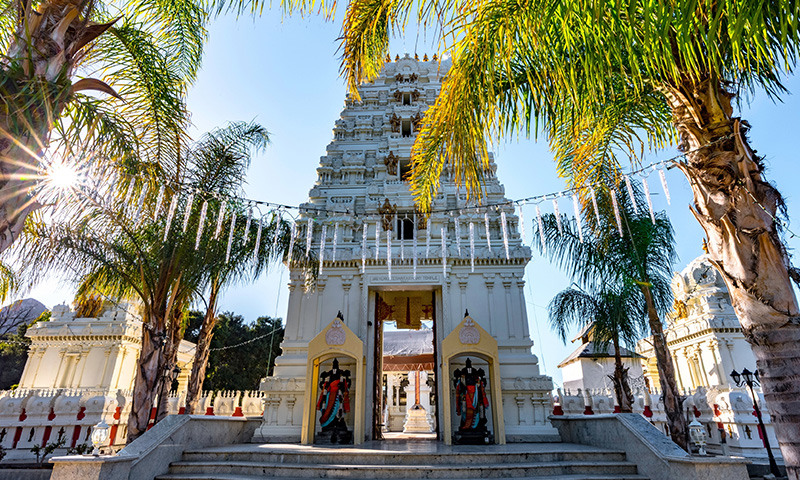
Chennai does not announce its spiritual side. It lets you walk into it, often through a crowded Mylapore lane or past a quiet Besant Nagar beach road, and then suddenly you are standing before a gopuram older than most modern countries. Beneath the tech parks and the filter coffee queues, the city carries centuries of Dravidian temple tradition, Pallava and Chola inscriptions, and living rituals that have not paused for the 21st century.
This guide walks you through the twelve must visit temples in Chennai that genuinely deserve a spot on your Tamil Nadu temple tour itinerary. Some are more than a thousand years old, some were consecrated in the last few decades, and together they map the city’s Shaiva, Vaishnava, Shakta, and Murugan traditions within one travel window. First time visitors will find a clear route. Returning travellers will find enough history, festival timing, and practical notes to go deeper than the standard tourist circuit.
Carry light cotton clothing, keep a scarf or stole handy for the inner sanctum, remove footwear at the designated shoe stands, and avoid using your phone during an active puja. With that out of the way, here are the temples to prioritise.
The Kapaleeshwarar Temple is where most Chennai temple trips begin, and rightly so. Dedicated to Lord Shiva as Kapaleeshwar and his consort Karpagambal, the current structure dates to the 16th century, rebuilt by the Vijayanagara rulers after the earlier shrine on the coast was damaged during Portuguese incursions. The 37 metre eastern gopuram, painted in vivid sculptural tiers, is the defining skyline of Mylapore.
Visit early for the Kalasanthi puja around 7:00 AM, or time your trip to Panguni Peruvizha in March and April, when the ten day car festival fills the four mada streets with music, lamps, and the great wooden ther. The temple tank behind the sanctum is worth a slow walk.
One of the 108 Divya Desams venerated by the Alvar saints, this 8th century Pallava era temple honours Lord Krishna as Parthasarathy, the charioteer of Arjuna. It is unusual in housing five forms of Vishnu within a single complex, including Narasimha, Rama, and Varaha. The weathered inscriptions on its walls make it a quiet favourite with history minded visitors.
Triplicane around the temple retains an older Chennai texture of agraharams, bookshops, and classic South Indian tiffin restaurants, which makes a post darshan breakfast of pongal and coffee easy to arrange.
Marundeeswarar means the Lord of Medicines, and devotees have visited this coastal Shiva temple for centuries seeking relief from illness and healing for loved ones. Built by the Cholas around the 11th century and expanded under later dynasties, the temple is referenced in the Thevaram hymns of Saint Appar.
The long pillared corridors, the Pallava era stone work, the large temple tank, and the proximity to Thiruvanmiyur beach make this a calm half day outing. Pradosham evenings draw particularly focused crowds, and the lingam abhishekam is open to viewing.
Facing the Bay of Bengal at the southern end of Elliot’s Beach, the Ashtalakshmi Temple is a modern shrine, consecrated in 1976, but it has earned a permanent place on Chennai’s devotional map. Across four floors you can offer worship to the eight forms of Goddess Lakshmi, each associated with a specific blessing: wealth, progeny, courage, knowledge, grain, victory, success, and prosperity.
The sea breeze through the upper prakaram and the view of the Bay of Bengal from the top terrace are reason enough to climb all four levels. Friday evenings here are particularly atmospheric.
Dedicated to Lord Murugan, the Vadapalani Andavar Temple began in the mid 19th century as a modest shrine built around a sacred painting of the deity and grew into one of the busiest Murugan temples in urban India. It is especially popular for Thirumanam, the temple wedding ceremony, with thousands of couples choosing it every year for a traditional yet accessible celebration.
If you are planning a wider circuit across the state, you may want to pair this visit with the famous Murugan temples of Palani, Tiruchendur, and Swamimalai covered in our broader Tamil Nadu tour packages.
Tucked inside the narrow lanes of George Town, this temple to Goddess Kalikambal, a benign Shanta Swaroopini form of Kali, has a surprising historical footnote. Chhatrapati Shivaji Maharaj is recorded to have worshipped here on 3 October 1677, a visit commemorated by an inscription inside the complex and often cited in published studies on Maratha travels.
The temple’s original coastal location was shifted inland in the late 17th century under political pressure of the time, and the current structure dates to 1678. The adjoining Thulukkanam Mada Street still carries echoes of 17th century Madras.
Not to be confused with its larger namesake in Kanchipuram, the George Town Ekambareswarar Temple is a Chola era Shiva shrine with a towering gopuram that rises unexpectedly above the wholesale markets around Mint Street. The temple tank, known locally as Ellaiamman Kulam, is among the few surviving traditional tanks in central Chennai.
The Masi Magam festival in February and March, when the processional deity is taken to the sea for the ritual bath, is the standout event of the year here.
Home to a 32 foot tall monolithic granite idol of Lord Hanuman, carved from a single stone and installed in 1989, this temple is a relatively recent but much loved addition to the Chennai map. Devotees circumambulate the sanctum chanting the Hanuman Chalisa 108 times, and Saturdays draw the largest crowds.
The surrounding Nanganallur neighbourhood has more than 40 other smaller temples including a rare Panchamukha Anjaneyar shrine, making it a mini pilgrimage circuit on its own. Half a day here is well spent.
The ISKCON temple on the East Coast Road is a spiritual and cultural centre as much as a shrine. Set in landscaped grounds, the complex hosts daily aratis, Bhagavad Gita classes, kirtan sessions, and a well stocked bookshop. Families with children often spend an unhurried morning here before continuing down ECR towards Mahabalipuram.
The architecture draws from North Indian temple traditions, offering a visual contrast to the Dravidian gopurams elsewhere in the city. The International Society for Krishna Consciousness maintains an active Chennai festival calendar worth checking before you plan a visit.
The Universal Temple at the Ramakrishna Math on RK Mutt Road is architecturally unlike any other shrine in the city. Inaugurated in 2000, its design draws deliberately from Hindu temple, Christian church, Islamic mosque, and Buddhist vihara traditions to reflect the Ramakrishna movement’s core message of religious harmony.
A marble image of Sri Ramakrishna sits in the central sanctum, and the daily evening aarti is open to visitors of all faiths. The adjoining bookshop stocks Swami Vivekananda’s complete works, which many travellers find a worthwhile takeaway.
One of the Paadal Petra Sthalams, the 275 Shiva temples sung by the Nayanar saints, this ancient shrine in north Chennai houses Lord Shiva as Thyagaraja and Goddess Vadivudai Amman. Chola bronzes, Pallava inscriptions, a vast temple tank, and a nine tier gopuram reward visitors who make the journey beyond the usual central Chennai circuit.
The temple’s Vasantha Urchavam in April and May is one of the more traditional ten day festivals still observed in full form in the metropolitan area.
A short walk from Elliot’s Beach, this Ganesha temple has grown from a modest shrine under a tree in the 1960s into a much visited neighbourhood landmark. Devotees often stop here first before continuing to the nearby Ashtalakshmi Temple, since Ganesha is customarily invoked as the remover of obstacles at the start of any important undertaking.
Chaturthi evenings are particularly atmospheric, with rows of lamps along the compound wall and bhajan groups spilling onto the street. Vinayaka Chaturthi in August and September transforms the entire stretch.
A sensible route pairs central and south Chennai into one day (Kapaleeshwarar, Parthasarathy, Ramakrishna Math, and Vadapalani) and dedicates a second day to the coastal cluster (Ashtalakshmi, Varasiddhi Vinayagar, Marundeeswarar, and ISKCON). George Town’s temples (Kalikambal and Ekambareswarar) and the Thyagaraja Temple at Thiruvotriyur deserve a quieter morning of their own, since parking and lane access take time. Nanganallur’s Anjaneyar Temple is easiest to visit in the late afternoon when the heat eases.
Most Chennai temples open around 5:30 or 6:00 AM, close between 12:30 and 4:00 PM for the afternoon break, and reopen until about 9:00 PM. Dress modestly, avoid leather belts and wallets inside the inner sanctum, and respect each temple’s photography rules, which vary. For a smoother experience, carry small denomination notes for archana offerings and the hundi.
Travellers combining Chennai with Mahabalipuram, Kanchipuram, and Pondicherry often find a curated itinerary more efficient than piecing taxis together on the ground. Our Chennai tour packages and wider South India tour packages handle hotels, English speaking drivers, and priority darshan arrangements where available, so you can focus on the darshan rather than the logistics.
If you want to weave these shrines into a broader pilgrimage covering Rameswaram, Madurai, Thanjavur, and Tiruvannamalai, speak to the Memorable India planning team about custom Tamil Nadu tour packages aligned with festival dates.
Many of these temples sit inside dense residential neighbourhoods. Keep voices low in the sanctum, do not bargain with flower sellers aggressively, carry your own water bottle to reduce plastic waste, and prefer licensed guides over touts at the gopuram entrance. Tamil Nadu Tourism and the Archaeological Survey of India both publish visitor guidelines for protected heritage sites, which several of these temples qualify as.
Which are the most famous temples in Chennai for first time visitors?
Kapaleeshwarar Temple in Mylapore, Sri Parthasarathy Temple in Triplicane, Ashtalakshmi Temple in Besant Nagar, and Vadapalani Andavar Temple are the four most recommended starting points. Together they cover the Shaiva, Vaishnava, Shakta, and Murugan traditions within a single city visit, which gives a well rounded introduction to Chennai’s temple culture.
What is the best time of year to visit temples in Chennai?
November to February offers the most comfortable weather for temple hopping, with daytime temperatures usually between 20 and 30 degrees Celsius. Major festivals such as Panguni Peruvizha, Vaikunta Ekadasi, Karthigai Deepam, and Brahmotsavam also fall around this period, which makes the atmosphere inside the complexes especially rewarding.
Do Chennai temples have a dress code?
Yes, modest clothing is expected across all the shrines listed here. Men typically wear a dhoti or full length trousers with a shirt, and women wear a saree, salwar kameez, or a long skirt with the shoulders covered. A few traditional temples ask men to remove their shirts inside the inner sanctum.
Are non Hindus allowed inside Chennai’s main temples?
Most temples in Chennai welcome visitors of all faiths into the outer prakarams and mandapams, and the Ramakrishna Math Universal Temple and ISKCON Chennai openly welcome everyone to the central sanctum. Access to the innermost garbhagriha may be restricted at a few older shrines, so it is sensible to check with temple staff before proceeding.
How many days are enough to cover the main temples in Chennai?
A focused two to three day itinerary is enough to cover the twelve temples listed here without feeling rushed. Travellers combining the city with Mahabalipuram, Kanchipuram, and Tiruvannamalai should budget five to seven days for a fuller Tamil Nadu temple circuit, which the Memorable India team can plan around festival calendars.
Which temple in Chennai is best for family visits with children?
ISKCON Chennai at Injambakkam works particularly well for families, since it combines daily aartis with landscaped gardens, a bookshop, and a gentle introduction to Bhagavad Gita stories. Ashtalakshmi Temple at Besant Nagar is a close second, because the beach is right next door for a post darshan walk.

19 Incredible Places for Wildlife Jungle Safari Holidays in Rajasthan
20 Nov 2026
7 Must-Experience Things in Assam in January: A Practical Winter Guide
20 Nov 2026
7 More Sites Added to the World Heritage List by UNESCO: What Travellers Should Know in 2026
19 Nov 2026
7 Best Places to Visit Near Bandipur National Park: Distances, Routes and Planning Tips
19 Nov 2026
5 Lesser-Known Destinations of Incredible India Worth Your Next Trip
18 Nov 2026


